Why a Custom Cover Matters More Than You Think
You know what makes a notebook sell? The cover. Honestly. It's the first thing people see. And if you're ordering in bulk — say, for a school or a corporate event — the cover is where you make or break the impression. I've seen procurement managers spend hours on paper quality and binding, only to slap a boring logo on a generic cover. That's a mistake. A book cover custom design is your chance to stand out. And it's not as complicated as you think. Let's talk about what actually works.
Ravi, 42, procurement manager at a chain of schools in Vijayawada. He ordered 10,000 notebooks last year. Standard covers. This year he switched to custom covers with the school logo and colors. Attendance at the school store? Up. Kids actually wanted to use them. He told me over chai — 'I should have done this years ago.' No explanation needed. The cover did the talking.
If you're still not convinced, Sri Rama Notebooks has been making custom covers since 1985. We've seen what works and what doesn't.
What Makes a Good Book Cover Custom Design?
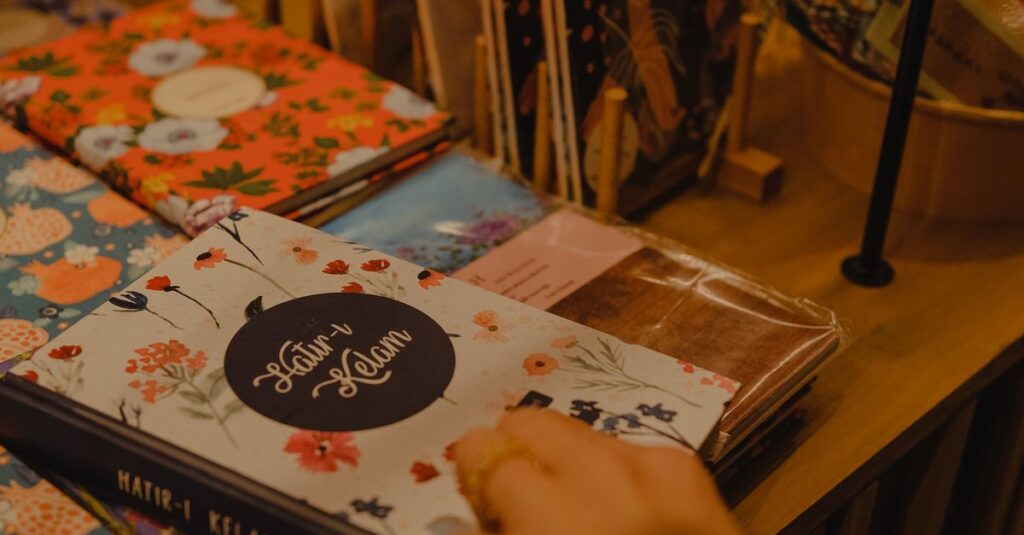
Here's the thing — a good custom cover isn't just about looking pretty. It needs to survive. Think about it: a school notebook gets thrown in a bag, rained on, dropped. A corporate diary sits on a desk for a year. The cover has to hold up. So what should you look for?
Key Elements of a Strong Custom Cover
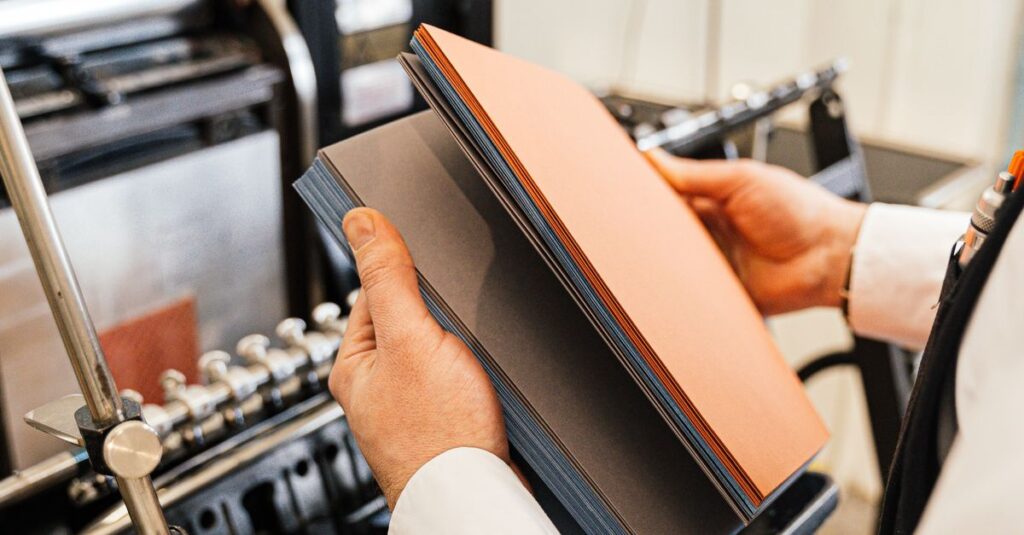
- Material: Paper weight (GSM) matters. Thin covers tear. Go for 200+ GSM for durability.
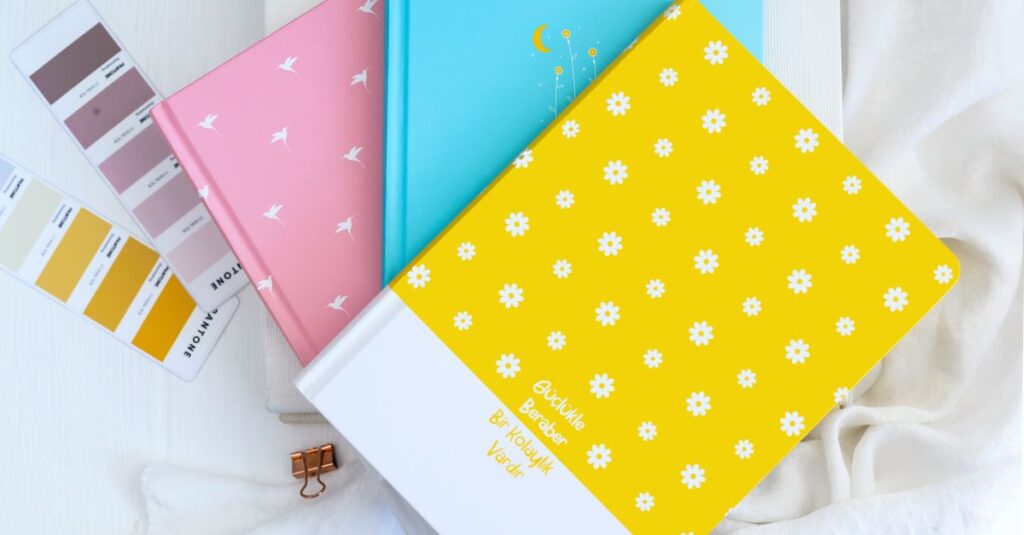
- Finish: Matte, gloss, or textured? Matte looks classy but shows scratches. Gloss pops but can be slippery.
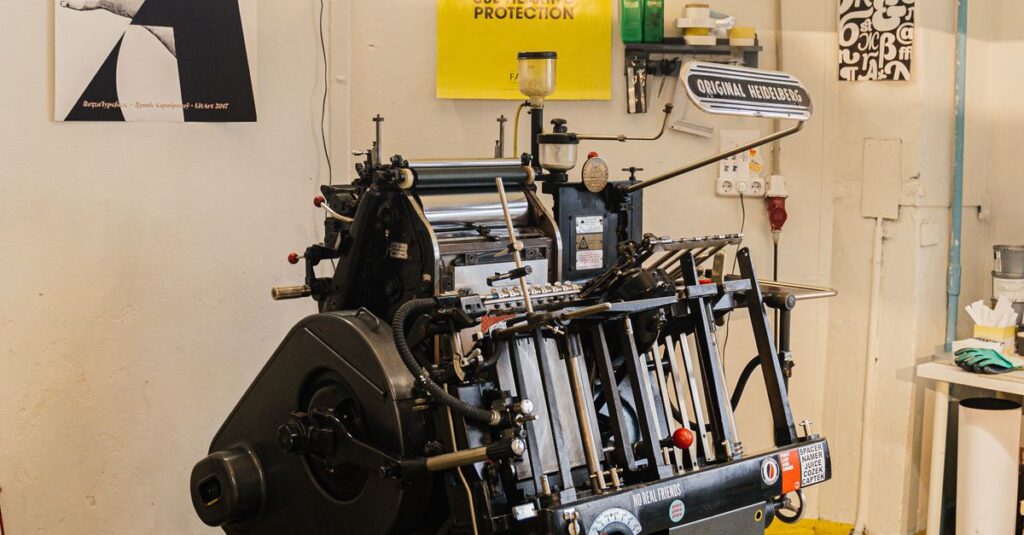
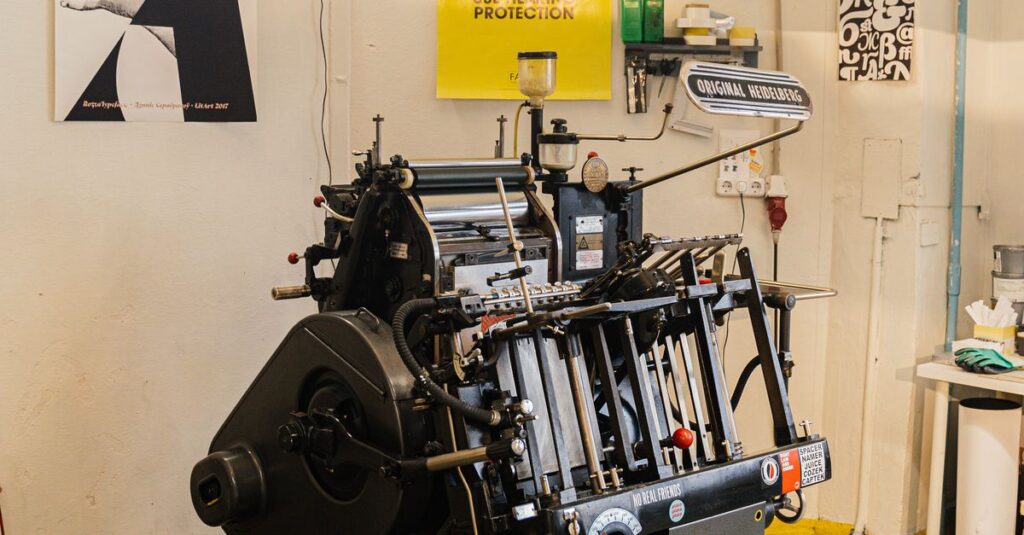
- Printing Technique: Offset for large runs, digital for small. Foil stamping and embossing add a premium feel.
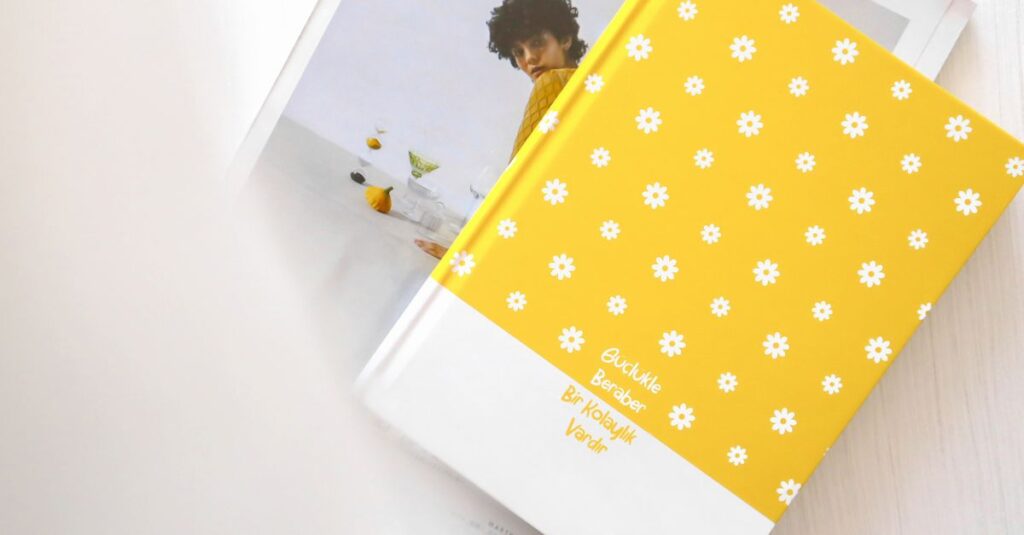
- Design: Keep it simple. Busy designs confuse. A logo, a color, maybe a line — that's enough.
- Branding: Your logo should be visible but not screaming. Subtle wins.
Here's a comparison to help you decide:
| Feature | Standard Cover | Custom Cover |
|---|---|---|
| Design flexibility | None — pre-made templates | Unlimited — your artwork, your colors |
| Cost per unit | Low | Slightly higher, but worth it for branding |
| Lead time | Short — from stock | Longer — needs setup and printing |
| Durability | Average — thin paper, no lamination | High — can add lamination, thick stock |
| Brand impact | Zero | High — people remember the logo |
And honestly? Most people overthink the design. Just pick a good color and a clear logo. That's it. Check our products for examples.
Materials and Finishes: The Quiet Game Changers
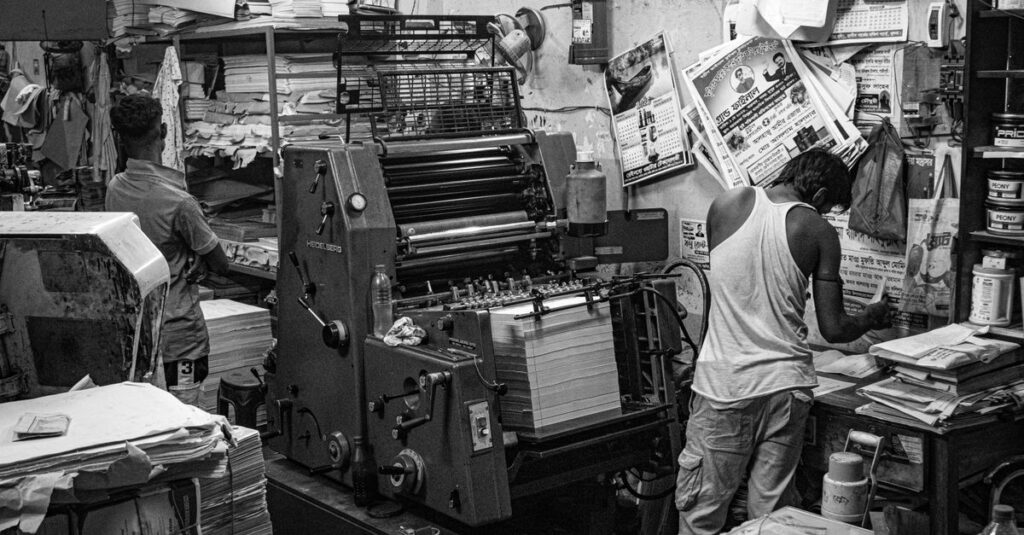
I remember once talking to an old printer in Rajahmundry. He's been doing this for 40 years — started when I was a kid. He told me: 'The best covers don't shout. They whisper. A good foil stamp on a matte finish? That stays with people.' I think about that whenever someone asks what finish to pick.
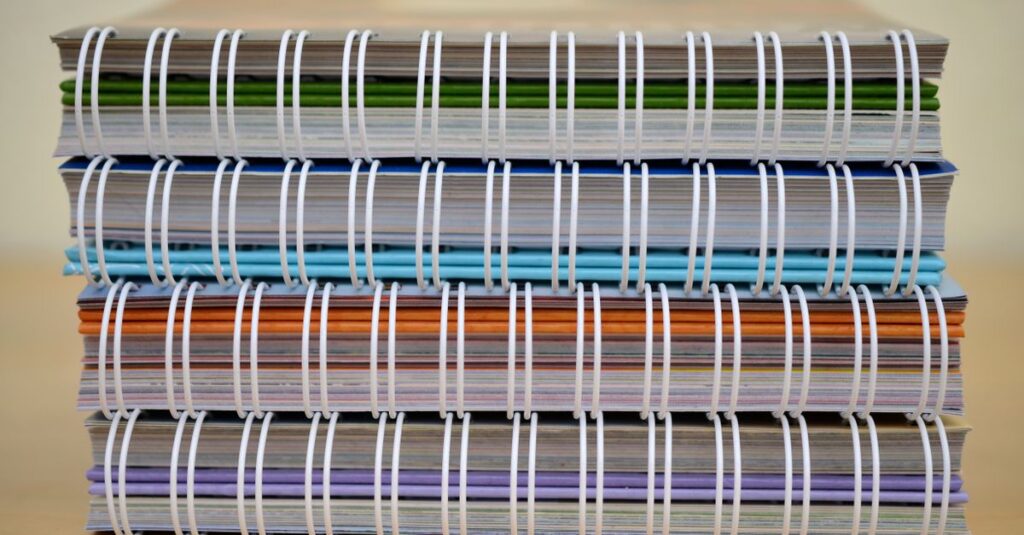
Material matters. A lot. Paper covers are cheap but they crease. Laminated covers resist water and look shiny. Hardcovers feel premium but cost more. For bulk orders, laminated paper covers are the sweet spot — durable, affordable, and you can print almost anything on them.
Foil stamping? That's for when you want to show off. Gold or silver foil on a dark cover. It catches light. It feels expensive. But it adds cost and time. Use it for diaries, not school notebooks.
One unexpected thing: embossing. It's a raised design you can feel. Makes the cover tactile. People pick it up. They touch it. That's a win. I've seen a simple embossed logo double the perceived value of a notebook.
The question isn't whether you need a fancy cover. It's whether you're willing to test a sample before committing. Because nine times out of ten, the sample tells you everything.
Common Mistakes in Custom Cover Orders
I've heard enough horror stories from buyers to know what to avoid. Here are the biggest ones:
- Not providing proper artwork. Low-res images, missing bleed, wrong color mode. Always send vector files (AI, EPS) or high-res PDF with CMYK.
- Ignoring bleed. The print extends beyond the cut line. If you don't include bleed, you get white edges. Ugly.
- Choosing cheap paper. 120 GSM cover paper might save money, but it'll look like cardboard. Go for at least 200 GSM.
- Not testing samples. You wouldn't buy a car without a test drive. Same logic applies to covers.
- Forgetting the back cover. Most people design only the front. The back is prime real estate for contact info, barcode, or a simple design.
Look, I'll be direct — if you avoid these mistakes, you're already ahead of 80% of bulk buyers. The rest just learn the hard way.
How to Get Your Book Cover Custom Design Right
So you're ready to order. What now? Follow these steps:
- Find a manufacturer with experience. Not all printers handle custom covers well. Sri Rama Notebooks has been doing it for decades.
- Discuss your design. Be clear about the size, number of colors, finish, and quantity.
- Review the proof. They'll send a digital mockup. Check everything — alignment, spelling, colors.
- Order a sample. Always. Feel the paper, see the print, test the binding.
- Approve and go bulk. Once you're happy, place the full order. Lead time is usually 2–4 weeks depending on quantity.
That's it. Nothing fancy. But if you skip the sample step, you're rolling the dice. I don't recommend it.
Frequently Asked Questions
What is the minimum order for custom book covers?
Minimum order varies by manufacturer. At Sri Rama Notebooks, we can do custom covers for orders as low as 500 notebooks. For smaller quantities, digital printing is an option.
Can I get a sample before placing a bulk order?
Yes. We always recommend ordering a sample first. It ensures you're happy with the cover material, print quality, and finish. Samples are charged minimally but deducted from the final order.
How long does it take to design a custom book cover?
If you provide the artwork, we can prepare a proof within 2–3 days. If you need design assistance, it takes longer — usually 5–7 days. Plan accordingly.
What file formats do you accept for custom cover artwork?
We prefer vector files like Adobe Illustrator (AI) or EPS. High-resolution PDFs (300 DPI, CMYK) work too. No JPEGs — they lose quality when printed.
Do you offer embossing and foil stamping on custom covers?
Yes. We offer both embossing (raised design) and foil stamping (gold, silver, copper). These add a premium feel but increase cost and lead time. Best for corporate diaries and special editions.
Conclusion
A custom cover isn't just a logo slapped on. It's the face of your product. The materials you choose, the finish, the design — all of it matters. And honestly, most people overthink it. Start with a simple design, test a sample, then go big. I don't think there's one perfect approach here. Probably there isn't. But if you've read this far, you already know what you want — you just need someone who can deliver.
If you want to talk to a manufacturer who's been doing this since 1985, reach out to Sri Rama Notebooks.