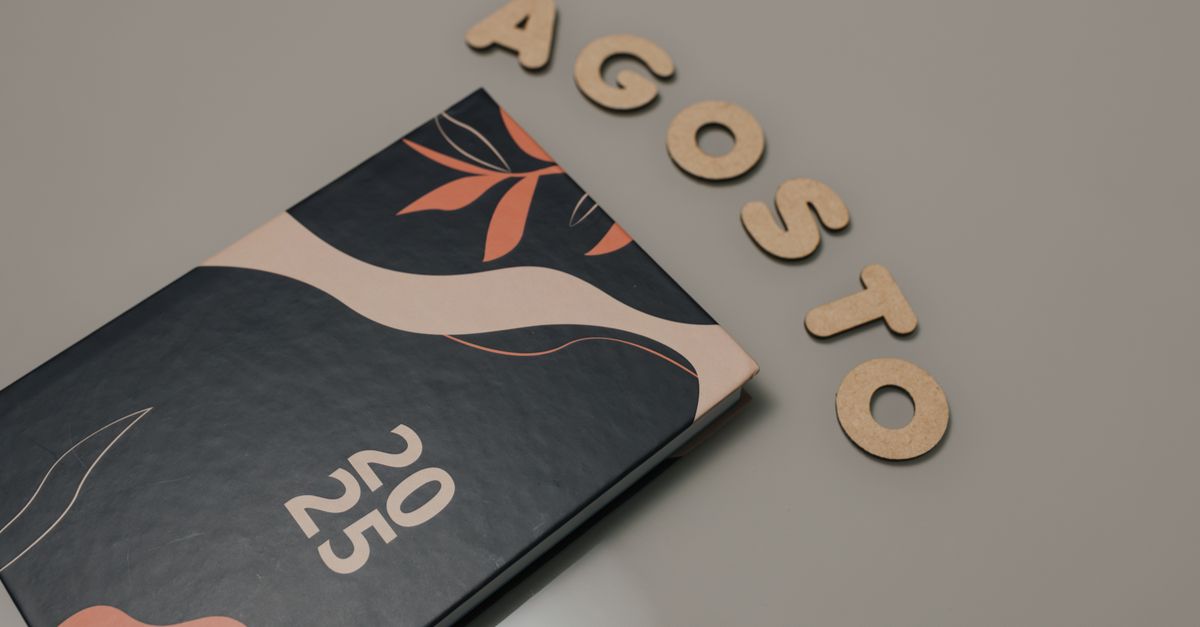
Here's the thing about branded planners — most of them look good in pictures and end up sitting in a drawer. I've seen it happen. A company spends on custom printing, gets these beautiful planners, and six months later someone finds a box of leftovers in storage. Not because the design was bad. Because nobody thought about whether anyone would actually use it.
This isn't a small problem either. If you're ordering a branded planner for your team or clients, you're not just buying paper and binding. You're buying whether or not people will open it. That's a different conversation. And one most suppliers don't want to have with you.
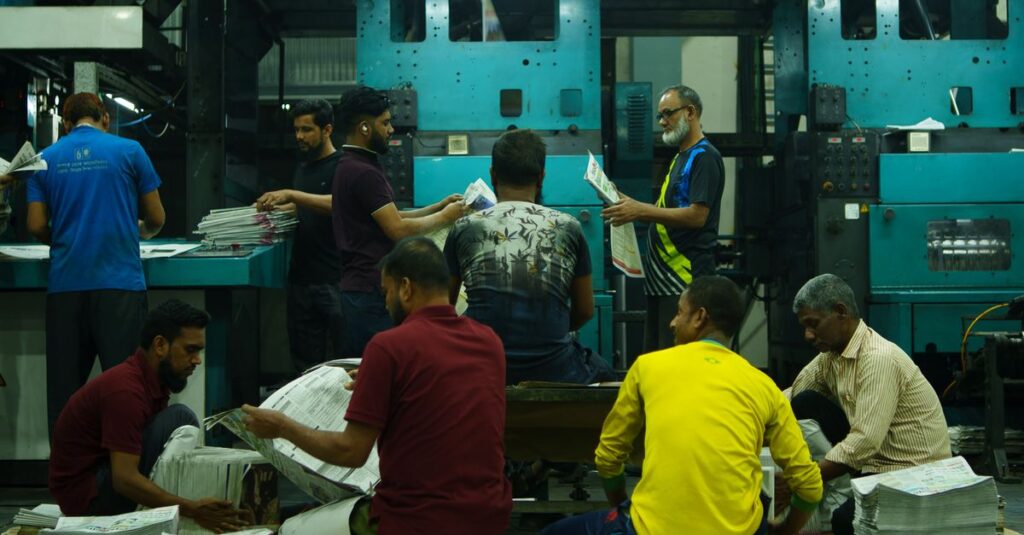
I've been on the manufacturing side for years — at Sri Rama Notebooks, we've been making notebooks and diaries since 1985. So I've seen what works and what doesn't. Let me walk you through it.
What Makes a Branded Planner Worth the Money?
You can get a planner printed for fifty bucks. Actually, you can get it for less. The question is whether it'll survive three months in someone's bag.
I'm not exaggerating. I've seen planners fall apart by February. The cover peels. The spine cracks. The pages — don't even get me started on pages that bleed through when you use a normal pen. That's not a branded planner. That's a waste of money.
Here's what actually matters:
- Paper that can handle ink without ghosting through the other side. Minimum 54 GSM, ideally closer to 70 or 80 if you're using fountain pens.
- Binding that lays flat. Stitched or perfect binding is the standard here. Spiral works too, but it's not always suitable for a professional branded planner.
- Cover material that bends, not cracks. Leatherette or thick paperboard with lamination. Not that thin plastic that warps in summer heat.
These aren't luxury features. They're basics. But you'd be surprised how many suppliers skip them. Because they look fine in the sample you got. The problem shows up later, when someone's already handed them out.
And that's the part people don't talk about. The sample is always great. The real product? That depends on who you're buying from.
Customization Done Right — and Done Wrong
Okay, let's talk about logo printing. Because a branded planner with a badly printed logo is worse than no logo at all.
I remember meeting a procurement manager a few years ago. Nice guy. He showed me a planner his company had ordered from someone else. The logo was blurry. The color was off. And it was placed right in the center of the cover, so you couldn't miss it. He said his boss wanted them as corporate gifts. None got used.
That's the thing. Bad printing doesn't just look cheap. It makes people notice the brand in the worst way. And a branded planner lives or dies by how subtley the brand appears. If it screams at you from the cover, nobody wants to be seen with it.
Customization Options That Actually Work
- Foil stamping — classy, subtle, lasts forever
- Embossing — gives it a premium feel, no risk of fading
- Small logo on bottom right or back — keeps it professional
- Custom endpapers — brand shows when you open it, not before
We offer all of these at Sri Rama Notebooks. But honestly, I tell most clients to go with foil stamping. It's simple and it doesn't age badly. You can pick a metallic gold or silver, or even a matte black. Depends on your brand color scheme.
The mistake people make is trying to cram their entire identity onto a planner. You don't need that. A logo. Maybe a tagline. That's enough. Let the planner do the work of being useful.
How Do You Choose Between Different Binding Options?
I get asked this all the time. And my answer is never what they expect.
Here's a comparison — at least in my experience — on what each binding type actually gives you:
| Binding Type | Durability | Lays Flat | Best For |
|---|---|---|---|
| Stitched | High | Yes | Professional settings, long-term use |
| Perfect | Medium | Yes | Thicker diaries, corporate branding |
| Spiral | Medium | Yes | Everyday carry, student planners |
So which one should you pick? Depends on who's using it. If you're ordering for executives, go with stitched. It's the most durable and looks the part. If you're ordering for a sales team that's always on the move, spiral is fine — just make sure the wire doesn't snag on bags.
I had a client last year who ordered perfect bound planners for a conference. They looked amazing. But at the end of the day, two of them had already started shedding pages. Not our fault, by the way — the paper was too heavy for that kind of binding. Wrong spec for the job.
That's the thing nobody tells you. Perfect binding works great for thin planners up to about 100 pages. Beyond that, you need stitched. Otherwise the pages will fall out. It's physics, not bad manufacturing.
A Real Story: What Happens When You Get It Right
Let me tell you about a client. Not naming names, but his name is Ravi. He's a procurement manager at a logistics company in Hyderabad. Thirty-eight years old. Drives an old Maruti and listens to podcasts on the commute.
Ravi came to us last year. He needed a branded planner for 500 managers across their offices. Pocket sized. Dark blue cover. Foil stamped logo on the bottom right. And a weekly layout — not daily, because his team didn't need that much space.
We did the sample. He approved it. We ran the batch.
Three months later, he called me. Not to complain. To order more. His team actually used them. Someone had even left a sticky note inside one that said "best diary they ever gave us." He sent me a photo.
That doesn't happen often, honestly. Most corporate diaries end up on shelves. But when you get the details right — paper, binding, size, layout — people use them. And your brand goes with them everywhere.
The point isn't the story. It's that Ravi wasn't even sure what he wanted when he first contacted us. He just knew he didn't want another planner nobody would open. We helped him figure out the rest.
Expert Insight: What I've Learned from 40 Years in This Business
I was talking to one of our older production managers last month, and he made a comment I keep thinking about. He said the best planners aren't the ones with the most features. They're the ones that feel right in your hand. That sounds vague, I know. But he was right.
People who've been in this industry long enough develop a feel for these things. The weight of the paper. The stiffness of the cover. The sound it makes when you open it. If any of those feel off, people notice — even if they can't say why.
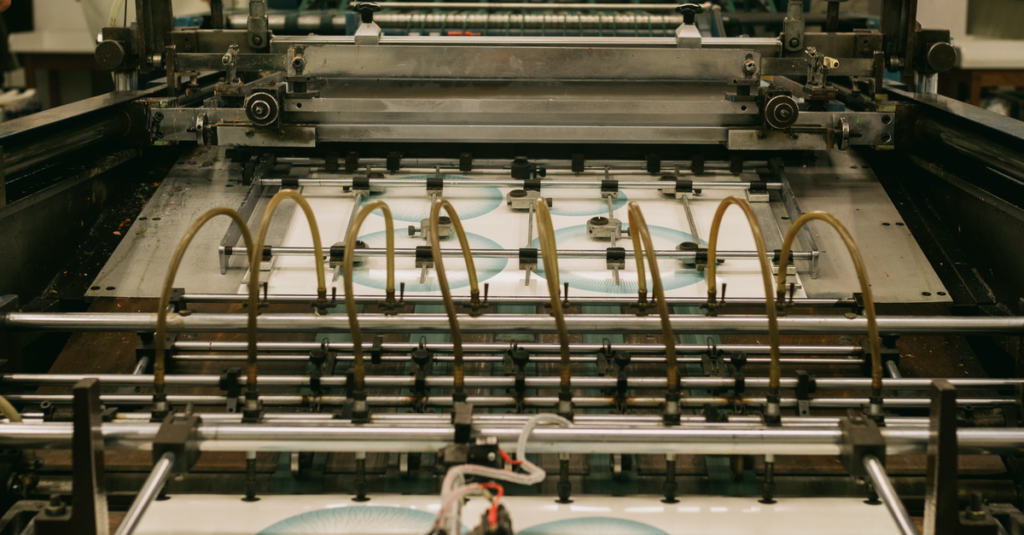
And here's the weird part. You can't always tell from a sample. Sometimes the sample feels perfect, but the bulk run comes out different. That's because the sample was made carefully, one by one. The bulk run was machine stamped in a factory. The only way to ensure consistency is to work with a manufacturer who checks every batch. Not every factory does that. We do, but that's because we've been burned before.
We supply notebooks, diaries, and custom stationery. If you're ordering in bulk, take a look at what we offer. Don't quote me on this, but I think we might be one of the few manufacturers who still check paper quality by hand sometimes. Old school, I know. But it works.
Common Mistakes When Ordering a Branded Planner
I've been in enough meetings with procurement teams to list the top three mistakes. They repeat every time.
1. Choosing the wrong size. Everyone wants A5 because it looks professional. But if your team carries it in a coat pocket or a small bag, A5 is too big. Pocket size or A6 is better. I've seen people order A5 planners for sales teams that ride bikes. Nobody uses them. They're too bulky.
2. Ignoring the paper weight. You'd be surprised how many corporate planners use 50 GSM paper. It's thin. It bleeds. And it feels cheap. You don't need 100 GSM for a planner, but 60-70 GSM is the sweet spot. Enough to handle a ballpoint or gel pen without ghosting.
3. Forgetting the binding. Stitched or spiral. Not stapled. Stapled planners are for notebooks kids use for a month. A branded planner for adults needs real binding. I cannot stress this enough. Stapled covers rip off by page three. Not a good look for your brand.
If you avoid these three mistakes, you're already ahead of 90% of corporate orders I see. But honestly, most people don't think about these things until they've already placed the order. And then it's too late to change specs without paying extra.
I tell clients to always ask for a mockup and a physical sample before placing the final order. If a manufacturer says no or pushes you to "trust the spec sheet" — walk away. You won't get what you expect.
Frequently Asked Questions
Frequently Asked Questions
What is the best size for a branded planner?
It depends on how it will be used. For desk planners, A5 is standard. For pocket carry, go with A6 or pocket size. King and Long sizes work for detailed daily planning. Think about where the user will store it before picking a size.
Can I get a branded planner with my company logo?
Yes. We offer foil stamping, embossing, screen printing, and custom cover design. Logo placement can be on the front, back, or bottom corner. We also offer custom endpapers with your brand colors. Just send us your logo and we'll work out the details.
How many branded planners do I need to order for bulk pricing?
Bulk pricing typically starts at 200 units for standard designs. For fully custom planners with unique sizes or layouts, minimums can be higher — around 500 to 1000 units. Contact us for a quote on your specific quantity. We can produce up to 40,000 units daily.
What paper weight is ideal for a branded planner?
60 to 70 GSM is ideal for most brands. It handles ballpoint and gel pens without ghosting. If you plan to use fountain pens, go with 80 GSM or higher. Avoid anything below 54 GSM unless you want ink bleeding on both sides of the page.
How long does it take to manufacture a branded planner?
Lead times depend on quantity and customization level. Standard orders take 2 to 3 weeks. Large orders or complex custom designs can take 4 to 6 weeks. We recommend reaching out early if you have a deadline. Rush orders are possible but may have a surcharge.
So What Should You Do Next?
I don't think there's a perfect answer for everyone. Probably there isn't. But if you've read this far, you already know what you need to look for — paper, binding, size, customization that doesn't scream at people. Those are the basics.
You can find cheaper options. But they won't last. And that matters if you want your brand to be seen — not once, but every day for a year. We've been doing this since 1985. We know what holds up and what doesn't.
If you want to talk details, reach out. We're at Sri Rama Notebooks. Phone, email, whatever works. We'll figure out the specs together. No hard sell. Just good planners that people actually use.