What is a Bound Notebook, Really?
I remember the first time a buyer asked me this. It was a Tuesday morning, third cup of tea, and the phone rang. He said, “I need bound notebooks. Not spiral. Not loose-leaf. The real thing.” And I knew exactly what he meant — but I also knew most people don’t. You probably don’t either. That’s fine.
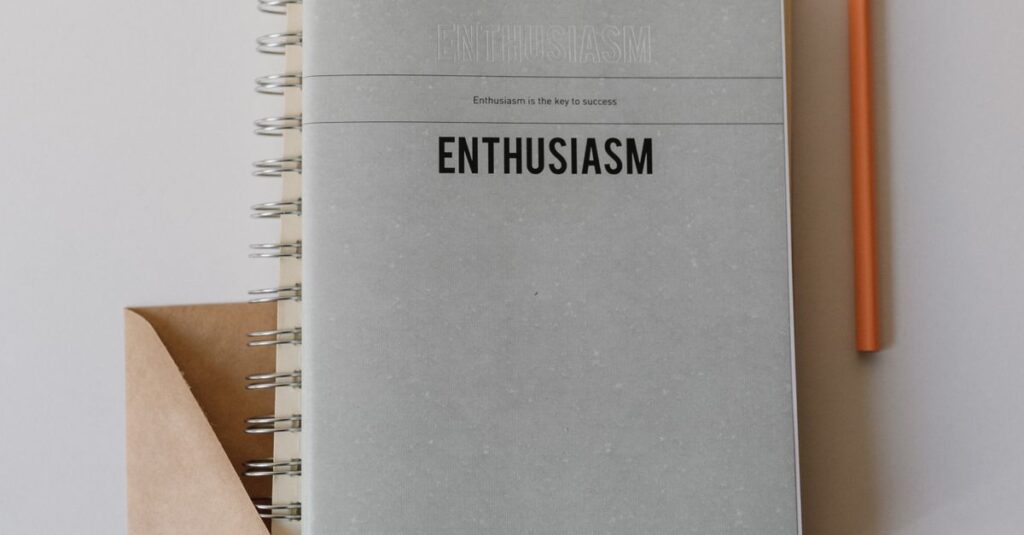
A bound notebook is simply a notebook where the pages are physically attached to the cover and held together by some form of binding. Stitching, glue, thread, wire — there are a dozen ways to do it. But the core idea: the pages stay put. They don’t fall out. They don’t shift around. You open it, you write, and the notebook holds together like it’s supposed to.
I’m not talking about premium leather journals here. I’m talking about the kind of notebooks schools order by the thousands. Corporate diaries with company logos. Account books that sit on a desk for twelve months and still look solid. If that sounds familiar, Sri Rama Notebooks has been making exactly these since 1985.
Let me walk you through what makes a bound notebook, well, a bound notebook. And more importantly — how to tell if you’re getting a good one.
Why Binding Matters More Than the Cover
Most people judge a notebook by its cover. I get it. You see a nice design, a smooth finish, and you think, yeah, that’ll do. But I’ve been in this business long enough to tell you — the cover is the least of your worries. The binding is everything.
Here’s why. A bad binding means pages fall out after three months. A good binding means that notebook still works after a year of flipping, folding, and stuffing into bags. And your buyers — whether they’re students or corporate managers — notice the difference immediately.
The Three Binding Methods You Need to Know
We use three types of binding at our factory in Rajahmundry. Each has its own personality.
- Stitched binding — Thread is sewn through the spine. Old school. Durable. The pages open flat, which everyone loves. Best for notebooks that get heavy use, like school exercise books.
- Perfect binding — Pages are glued to the spine with a strong adhesive. Clean look, no threads visible. Common for corporate diaries and account books. Decent durability, but don’t fold the cover all the way back.
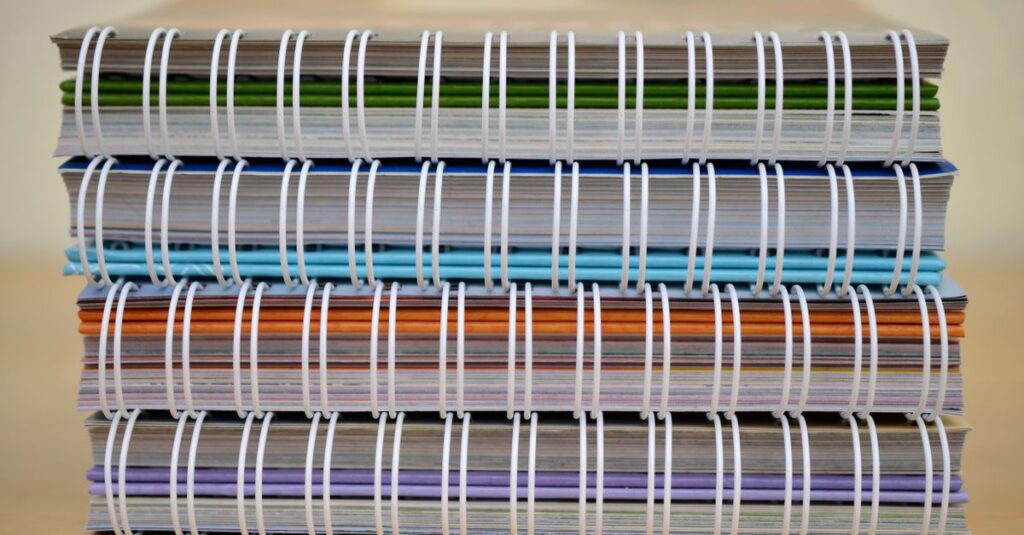
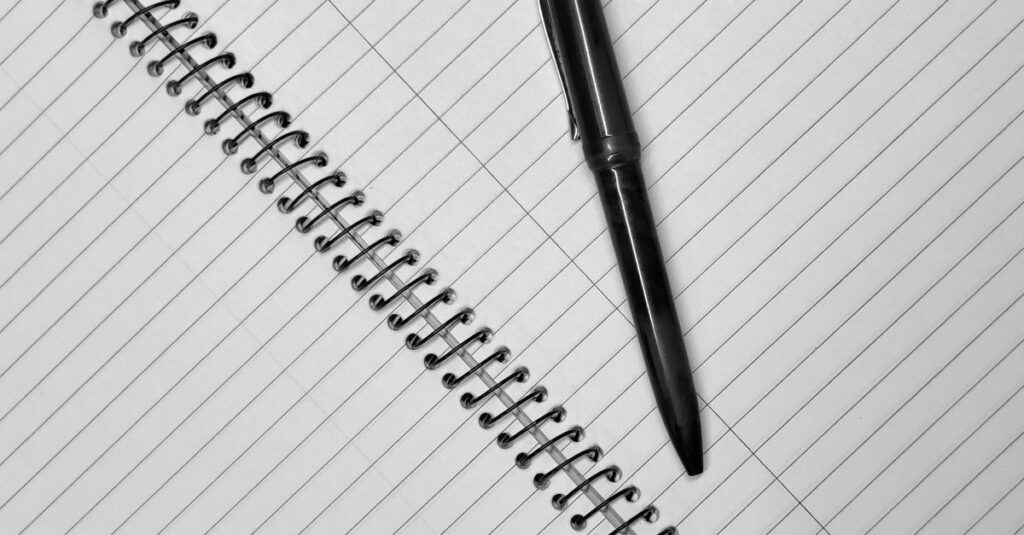
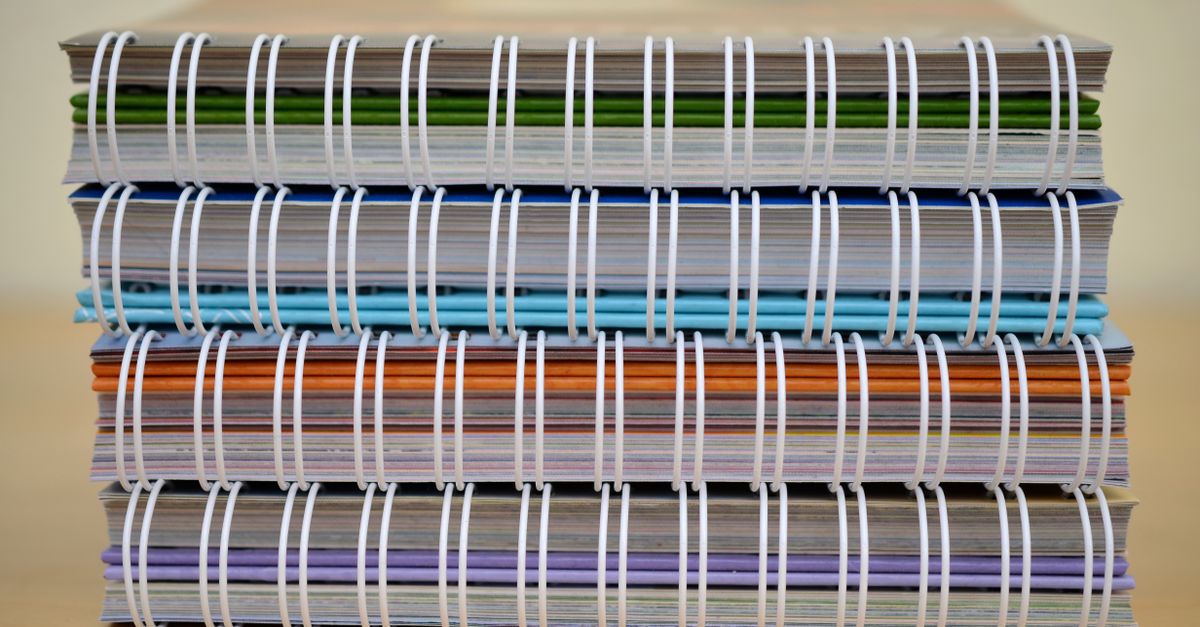
- Spiral binding — Wire coils through punched holes. Pages turn 360 degrees. Great for notepads and scribbling pads. Not as sturdy for long-term use, but convenient.
The interesting part: most buyers don’t know which one they need. They just say “bound notebook” and hope we figure it out. And honestly? That usually works. But if you’re placing a bulk order, you should know the difference.
I think about this every time someone asks for a quote. The binding type changes the price. It changes the durability. It changes how the final product feels in someone’s hands. You don’t want to guess on that.
What Happens When You Get the Binding Wrong
Let me tell you about a call I still remember. A school procurement officer from Vijayawada called us three years ago. He had ordered 5,000 notebooks from another supplier — cheap ones, with glued binding. By October, they were falling apart. Parents complained. Teachers complained. He had to place an emergency order with us.
The thing is — he saved maybe six rupees per notebook on that first order. And ended up paying double in the end. I see this pattern again and again.
So what actually makes binding fail?
- Cheap adhesive that dries out and cracks
- Stitching that skips every few pages
- Spine not reinforced properly
- Paper weight too heavy for the binding method
These aren’t rare problems. They’re standard when you go with the lowest bidder. And the worst part? You don’t notice until three months later, when it’s too late to complain.
Look, I’m not saying you need the most expensive option. I’m saying you need to know what you’re paying for. Ask your supplier about the glue they use. Ask if the spine has a lining. Ask how many stitches per inch. If they can’t answer, that’s your answer.
Bound Notebook vs Spiral Notebook — Which One is Better?
I get this question at least twice a week. People want a simple answer. There isn’t one. But I can show you the trade-offs and let you decide.
| Feature | Bound Notebook (Stitched/Perfect) | Spiral Notebook |
|---|---|---|
| Durability for long-term use | High — pages stay intact | Medium — coils can bend or break |
| Pages lie flat | Yes (stitched), Mostly (perfect) | Yes, fully |
| Tear-out pages | Difficult — not designed for it | Easy — perforated or torn |
| Stackability on shelves | Excellent — uniform spine | Poor — coils get caught |
| Cost for bulk orders | Lower (for stitched) | Slightly higher |
| Best use case | School notebooks, account books, diaries | Notepads, scribbling pads |
Notice something? It’s not about which is better. It’s about what you need. If you’re buying for a school that stores notebooks in piles, go with bound. If it’s for personal quick notes, spiral might work. But nine times out of ten, the people ordering in bulk choose stitched bound notebooks. There’s a reason for that.
What a Real Bulk Buyer Learned the Hard Way
Ravi was frustrated. He manages procurement for a chain of 14 schools in Hyderabad — about 8,000 students total. He had been buying from the same local supplier for five years. Then last year, the quality dropped. Pages came loose. Covers peeled off. The supplier blamed the paper. Ravi knew better.
He’s 47, been in education procurement for over a decade, and his office is near Kukatpally. I met him at a stationery fair in Vijayawada. He told me, “I thought all bound notebooks were the same. I was wrong.”
We spent an hour talking about binding types, paper GSM, and cover thickness. He said he wished someone had explained this to him years ago. By the end, he placed a trial order. It’s now his regular supplier. Not because we’re the cheapest — because the notebooks actually last a full academic year.
I don’t tell this story to sell you something. I tell it because it happens more than you’d think. And it doesn’t have to.
How Corporate Buyers Should Choose a Bound Notebook
Corporate diaries are a different beast. They’re not just notebooks — they’re gifts. Branding tools. Something a client keeps on their desk for twelve months.
I’ve seen companies spend heavily on nice covers and forget about the pages inside. Then the diary falls apart by March. That’s not a good look.
Here’s what actually matters for corporate orders:
- Paper quality — At least 70 GSM for fountain pens. Nobody wants ink bleeding through.
- Binding strength — Perfect binding is standard for diaries, but stitched is better for heavy use.
- Cover material — PU leather or hardbound with foil stamping. Looks professional.
- Customization — Logo, embossing, printed inside pages. Make it yours.
- Consistent supply — If you’re ordering 10,000 units, the supplier needs capacity. We do 30,000-40,000 notebooks a day. Capacity matters.
The mistake most buyers make: they focus on the cover design and forget everything else. I’m guilty of this too, to be fair. But a pretty cover with bad binding is just a waste of money. I’ve said that to clients directly. Some appreciated it. Some didn’t.
But that’s the honest truth. And I’d rather say it upfront than have you come back angry six months later.
Expert Insight — What Forty Years of Binding Has Taught Me
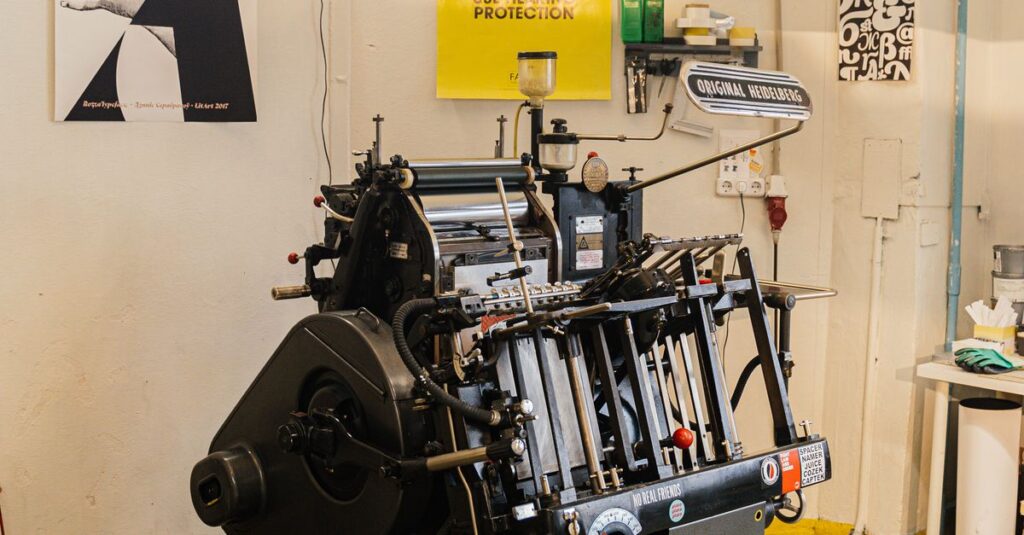
I was talking to our senior production manager last month. He’s been at Sri Rama Binding Works since 1990. Not a manager title — he runs the binding line. He knows every machine, every thread thickness, every glue formula we’ve used.
He told me something I still think about. He said, “The best bound notebook is the one you don’t notice. You open it, you write, and nothing goes wrong. If someone complains about the binding, you failed.”
That stuck with me because it’s true. A good notebook doesn’t draw attention to itself. It just works. And the moment it doesn’t — the cover falls off, the pages separate — that’s all anyone remembers.
He also said, “We’ve tried 17 different adhesives in the last ten years. We’re still not sure we’ve found the perfect one.” I like that honesty. There’s no final answer. Just better choices.
Frequently Asked Questions
What is a bound notebook?
A bound notebook is a notebook where pages are permanently attached to the cover using stitching, glue, or both. Unlike spiral notebooks, the pages cannot be easily removed. They’re durable, stack well, and last through heavy use — ideal for schools, offices, and bulk buying.
What is the difference between stitched and perfect binding?
Stitched binding uses thread sewn through the spine. It’s strong, pages open flat, and it lasts longer. Perfect binding uses glue to hold pages to the cover. It looks cleaner but doesn’t last as long under heavy use. Stitched is better for schools; perfect works for corporate diaries.
Which is better — bound or spiral notebook?
It depends on use. Bound notebooks are better for long-term storage, stacking, and durability. Spiral notebooks are better for note-taking where you need to tear out pages or fold the cover back. For bulk orders from schools and businesses, bound notebooks are almost always the preferred choice.
Can I get custom bound notebooks with my logo?
Yes. Most notebook manufacturers offer customization — logo printing, embossing, foil stamping, custom covers, and private label options. You can also choose page layout, ruling type, and binding method. Just confirm the minimum order quantity and turnaround time before placing the bulk order.
How do I buy bound notebooks in bulk for my school or business?
Contact a notebook manufacturer directly. Share your requirements: quantity, size, page count, binding type, ruling, and any customization. Ask for samples before the full order. Check the supplier’s production capacity and delivery timeline. Companies like Sri Rama Notebooks (since 1985) specialize in bulk supply for schools, corporate buyers, and distributors.
Conclusion — What I Want You to Take Away
I’ve been around notebooks long enough to know that most people don’t think about binding until it fails. That’s normal. But if you’re ordering in bulk — for a school, a company, or resale — it’s worth paying attention to. A few minutes spent understanding how a bound notebook is made can save you from a lot of headaches later.
Three things matter most: binding strength, paper quality, and the supplier’s reliability. Everything else is secondary. Pick a supplier who’s been doing it long enough to know what works. Not someone who promises the lowest price and disappears when problems show up.
I don’t have all the answers. But if you’re looking for a place to start, Sri Rama Notebooks has been getting it right since 1985. That’s not nothing.