Why Ordering a Bulk of Notebooks Is Trickier Than It Looks
I've seen it happen more times than I can count. A school principal calls me, frustrated. The notebooks they ordered arrived — paper so thin you can see the next page through it. Binding fell apart in two weeks. And now they're stuck with a bulk of notebooks nobody wants to use.
That's the thing about buying in bulk. The price looks great. The sample they showed you was perfect. But when the truck arrives and you open the first carton — something's off. And then you're dealing with returns, refunds, angry parents or clients.
Most people don't realize that ordering a bulk of notebooks is completely different from buying a few off the shelf. You're not just buying paper. You're buying consistency. Every single notebook has to be the same. Same paper, same binding, same print alignment. That's where manufacturers cut corners — and that's where you get burned.
I've been in this business since 1985. I've seen the good, the bad, and the truly ugly. If you're planning to order a bulk of notebooks, there are a few things you should absolutely check before you sign anything. And if you're not sure where to start, Sri Rama Notebooks has been doing this long enough to know what works.
Paper Quality — The First Thing Everyone Forgets
Here's the part nobody talks about. Paper quality is the most important thing in a notebook — and it's the first thing manufacturers downgrade when you ask for a lower price.
You open a notebook. The paper feels smooth, white, solid. But is it 54 GSM? Or 50? Or 45? That difference of a few grams per square meter is the difference between a pen bleeding through and a clean page. I've held up notebooks to the light and seen the tree rings through the page. That's not acceptable, especially when you're buying a bulk of notebooks for a school or a corporate event.
What to look for:
- Paper weight: Minimum 54 GSM for writing. 60 GSM or higher if you're using fountain pens or markers.
- Opacity: Hold a page up to light. If you can see through it easily, pass.
- Finish: Uncoated paper is best for writing. Glossy paper looks fancy but ink smudges.
- Consistency: Ask for a production sample from the actual batch, not a hand-picked demo.
Most manufacturers will tell you they use "high quality paper." That's meaningless. Ask for the GSM number. If they can't tell you immediately, that's a red flag.
I remember a distributor from Hyderabad who ordered a bulk of notebooks for a government tender. The sample was perfect. The full order? Paper was 10 GSM lighter. He didn't notice until the notebooks were already distributed. The complaints came in within a week. He never went back to that supplier.
Binding Types: Which One Holds Up Under Pressure?
Binding is the second thing that gets cheapened. A notebook can have the best paper in the world, but if the binding fails, you have a pile of loose pages.
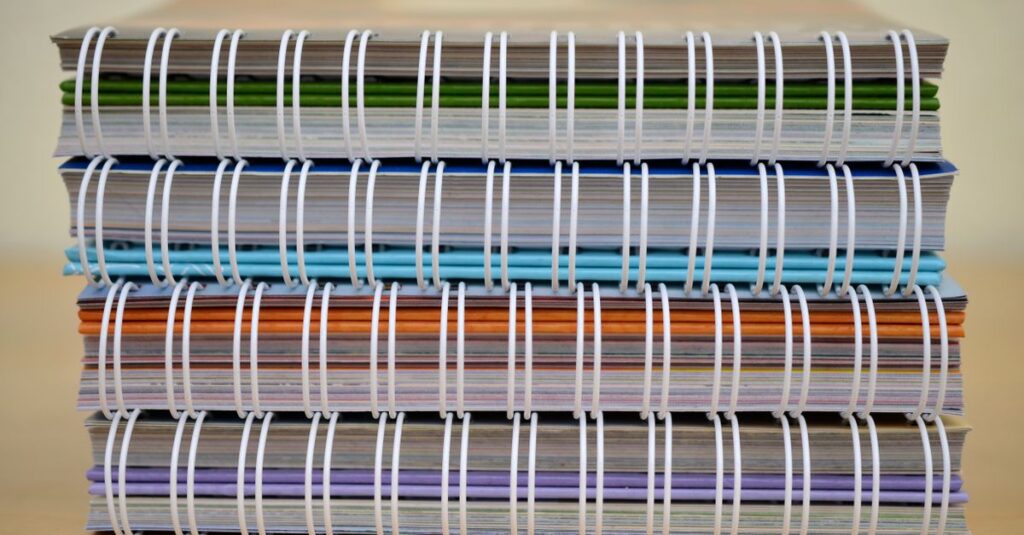
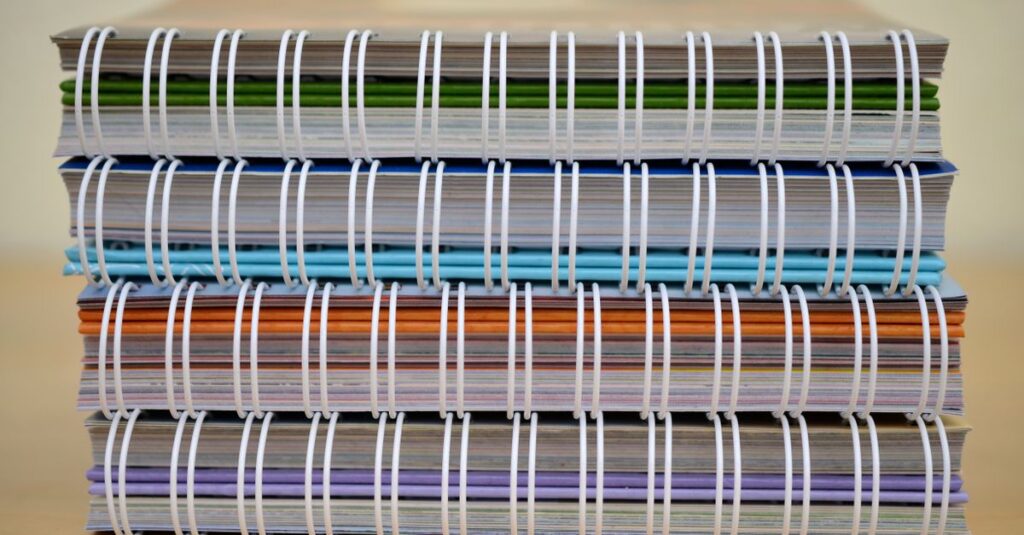
There are three main types of binding for notebooks. Each one suits a different use case. Here's a comparison to help you decide when ordering a bulk of notebooks.
| Binding Type | Best For | Durability | Cost | Note |
|---|---|---|---|---|
| Stitched | School notebooks, daily use | High — pages stay in place | Medium | Traditional, lies flat, can be repaired |
| Spiral | Corporate diaries, notepads | Medium — coils can bend | Low | Easy to tear out pages, good for desk use |
| Perfect | Account books, thick notebooks | Medium — spine can crack | Low | Clean look, but not for heavy use |
Personally, I always recommend stitched binding for schools. It's the most durable. But if you're ordering a bulk of notebooks for a corporate event where appearance matters more than longevity, perfect binding looks cleaner. Just don't expect it to survive a student's backpack.
One thing I'll tell you — don't assume all stitched binding is the same. The number of stitches, the thread quality, the glue used — all of it matters. I've seen notebooks with just two tiny stitches that popped open after a week. A good stitched notebook should have at least four or five stitches along the spine.
Customization — What Actually Matters for Your Brand
Let me tell you about a real order we handled last year. A man named Ravi, 42, procurement manager at a logistics company in Vizag. He needed a bulk of notebooks for their annual employee kits. He wanted a clean, professional look — logo on the cover, company name on the spine, and a custom inside page with the company values printed.
He came to us after his previous supplier printed the logo crooked. On every single notebook. I mean, you could see it was off by a few millimeters. But when you're ordering 5,000 notebooks, that's a lot of crooked logos. Ravi was embarrassed. He had to collect all the notebooks and reorder.
So what actually matters when you customize a bulk of notebooks?
- Print alignment: Ask for a pre-production proof. Check the logo placement on the cover and spine.
- Color accuracy: If you have a specific brand color, ask for a color match test. Not all printers do this.
- Cover material: Thicker covers (like 300 GSM) hold up better. Thin covers curl at the edges.
- Foil stamping vs. screen printing: Foil looks premium but wears off faster. Screen printing is more durable for regular use.
Ravi's order turned out great. He's been ordering from us twice a year since. The point is — customization isn't just about looking good. It's about representing your brand correctly. And when you're ordering a bulk of notebooks, the margin for error is zero.
The Hidden Cost of Cheap Notebooks
Here's something I've learned after 40 years: cheap notebooks aren't cheap. They cost you in reputation, returns, and the time you waste dealing with complaints.
I was talking to a school principal from Kakinada last month. She told me her school ordered a bulk of notebooks from a local trader at a price that was 30% lower than everyone else. They saved maybe 15,000 rupees. Then the notebooks started falling apart. Pages came loose. The paper was so thin that kids could see the answers from the other side. Parents complained. The school had to replace them mid-year. That 15,000 rupee saving turned into a 50,000 rupee loss.
Expert Insight
I remember reading something — I think it was from a paper industry journal — about the cost of poor quality in stationery. The stat was something like: for every 1% you save on production cost, you risk 10% in customer dissatisfaction. I can't remember the exact numbers, but I've seen it play out in real life. The cheapest quote is almost never the cheapest in the end. I don't have a neat formula for that. But I know it's true.
When you're buying a bulk of notebooks, you're not just buying paper. You're buying trust. Your students, your employees, your clients — they interact with that notebook every day. If it falls apart, they notice. And they remember who gave it to them.
Frequently Asked Questions
Frequently Asked Questions
What is the minimum order quantity for a bulk of notebooks?
Most manufacturers, including us, typically require a minimum of 500 to 1,000 notebooks for a custom order. For standard sizes without printing, it can be as low as 100. But the more you order, the better the price per unit.
How do I know the paper quality is consistent across the entire batch?
Ask the manufacturer for a production sample from the actual run — not a hand-picked demo. Also, request a GSM certificate from the paper mill. Reputable suppliers will provide this without hesitation.
Can I get a bulk of notebooks with my brand logo printed on the cover?
Yes, most notebook manufacturers offer logo printing, foil stamping, embossing, and custom cover design. Make sure to ask for a pre-production proof to check alignment and color accuracy before the full run.
How long does it take to manufacture a bulk of notebooks?
For standard notebooks without customization, it can take 2–3 weeks. For custom orders with printing, expect 4–6 weeks depending on the quantity and complexity. Always factor in shipping time.
What binding type is best for school notebooks ordered in bulk?
Stitched binding is the most durable for school use. It holds up to daily handling, doesn't bend like spiral, and can be repaired if the cover comes loose. It's slightly more expensive but worth it.
Conclusion
So here's what I'd say if you're planning to order a bulk of notebooks. First, don't chase the lowest price — it'll cost you more in the long run. Second, check the paper GSM and binding type personally. Third, work with a manufacturer who has been around long enough to understand what consistency means.
I don't think there's one perfect way to do this. But if you've read this far, you probably already know that quality matters more than a few rupees saved. You're just looking for someone you can trust to deliver it.
If that sounds like what you need, Sri Rama Notebooks has been making notebooks since 1985. We've seen it all. And we're still here because we do it right.