What Exactly Is a Checked Notebook?
I'll be honest. Most people don't search for this phrase unless they're buying in bulk or setting up a supply list. So let's get straight to it.
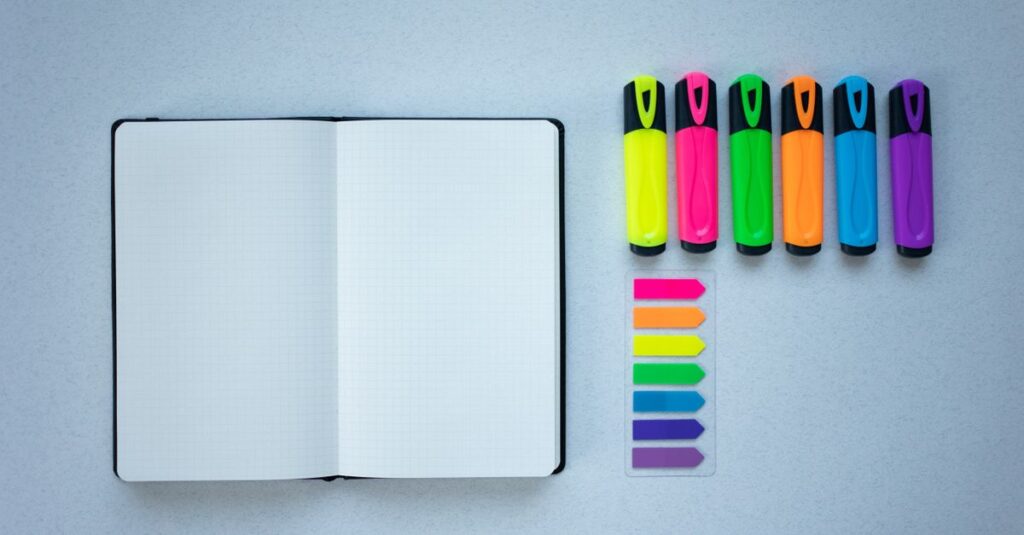
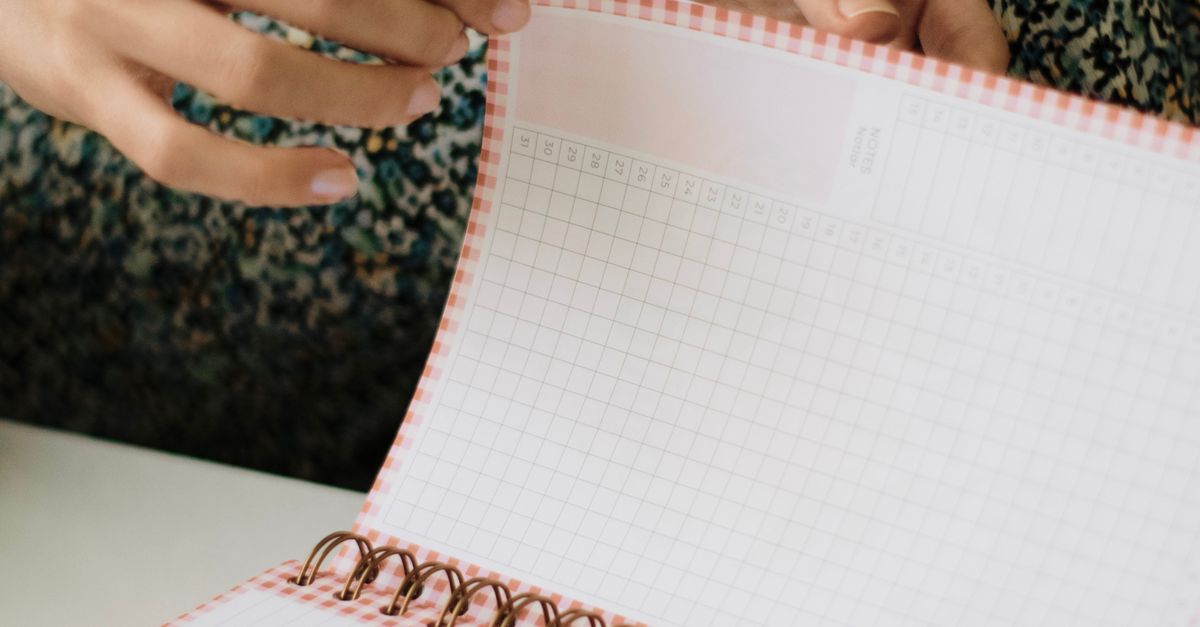
A checked notebook is exactly what it sounds like — paper filled with a grid of small squares instead of the usual straight lines. The squares are typically 5mm or 7mm wide. Engineers use them. Architects use them. Math students? They love them. But here's the thing nobody tells you: not all checked notebooks are made the same. Some are printed on low-GSM paper where the grid bleeds through. Others use heavy binding that never lays flat. And then there are the ones where the squares are unevenly printed — and that's useless once you're trying to draw a clean graph.
I've been Sri Rama Notebooks since 1985, and we've made more checked notebooks than I can count. The question I always come back to: what makes one actually worth buying?
Who Actually Uses a Checked Notebook?
Let me tell you about someone. Her name is Meera. She's 22, a final-year civil engineering student at Andhra University in Visakhapatnam. Every morning, she sits in the corner of a library near the beach road, third floor, window seat. And she draws. Not art — structures. Load-bearing walls, beam diagrams, stress graphs.
She showed me her notebook once. Every square filled with something intentional. Lines barely visible. Paper that could handle an eraser without tearing. She said something that stuck with me: 'If the squares are off by even half a millimeter, my entire assignment is wrong.'
And that's the thing. A checked notebook isn't just a notebook. It's a tool. For some people, it's the difference between a passing grade and a redone project.
Other people who need them:
- School students learning fractions and geometry
- Programmers sketching logic flows and UI wireframes
- Artists working on pixel-style illustrations
- Data analysts plotting charts by hand
- Tailors cutting patterns and measuring proportions
And yes — occasionally someone just likes the way it looks. I don't judge.
What to Look For When Ordering in Bulk
Look, if you're buying one notebook from a shop, you can check the quality yourself. But if you're a procurement manager ordering 10,000 checked notebooks for a school board? You can't flip through every page.
So here's what matters.
Grid Accuracy
This is the biggest problem with cheap checked notebooks. The grid lines are supposed to be perpendicular. Sounds basic. You'd be surprised how many manufacturers mess this up. If the horizontal and vertical lines don't meet at exact right angles, your squares become rectangles. For an engineering student? That's a disaster.
Paper GSM
Standard notebooks use 54 GSM paper. For a ruled notebook, that's fine. For a checked notebook, I'd argue you need at least 60 GSM. Why? Because when you use a pen in a grid pattern, the ink sits at cross points. Thin paper bleeds. Thicker paper holds the line. It's a small difference that changes the entire experience.
Binding That Lies Flat
A checked notebook is worse than useless if you have to hold it open with your elbow while writing. Stitched binding is the most reliable. Spiral is good for students who fold the notebook back. Perfect binding looks polished but can crack with heavy use. Choose based on who's using it.
Cover Durability
School notebooks get thrown in bags. They get rained on. They get stuffed under textbooks. If the cover is thin, those notebooks will look wrecked by the second week. We use 300 GSM cover paper. Not the thickest in the market, but I've seen what happens when schools try to save money on thinner covers. The math doesn't work.
Checked Notebook vs Squared Notebook vs Graph Notebook
People use these terms interchangeably. They're not wrong, exactly. But there are differences — and if you're ordering for a specific audience, you should know them.
| Type | Grid Size | Common Users | Best Use |
|---|---|---|---|
| Checked Notebook | 5mm or 7mm squares | Students, engineers | Math, graphs, diagrams |
| Squared Notebook | Varies — often larger | General users, children | Basic alignment, rough work |
| Graph Notebook | Precise, small grids | Architects, data analysts | Technical drawings, plotting |
| Dot Grid Notebook | No full lines, only dots | Designers, bullet journal users | Flexible layouts, sketching |
If you're buying for an engineering college, ask for checked notebooks with 5mm grids. For high school students, 7mm works better — their handwriting tends to be larger.
The One Thing People Get Wrong About Checked Notebooks
Here's something I noticed after decades of making these things. People assume a checked notebook is just a ruled notebook with extra lines. It's not. The entire layout logic changes.
In a ruled notebook, the lines guide the text. Keep it straight. Don't slope downward. That's it. In a checked notebook, the grid provides coordinates. You're not just writing — you're placing things. A fraction goes in one square. A graph extends across twenty. Every mark has a position.
That changes how the notebook needs to be bound. It changes paper thickness. It even changes the ink used for printing the grids. If the grid is too dark, it competes with the student's writing. Too light, and it's invisible under certain lighting. We print our grids at a specific opacity — not too heavy, not too faint. It took us years to get that right.
I don't think most buyers notice this. But the students do. They may not say it out loud, but when they reach for a notebook, they choose the one that feels right. That feeling — it's the sum of all these small choices we made in the factory.
Expert Insight
I remember a conversation from maybe ten years ago. A school principal in Kakinada was placing an order, and she asked me: 'Why do your notebooks cost a few rupees more?' I didn't have a smooth answer ready. I said something like, 'Because we don't rush.' She laughed. But she ordered anyway. The next year, she doubled the quantity. I never asked why. I think I know, though. The checked notebooks lasted the whole academic year. The covers didn't peel. The pages stayed flat. That's not a selling point — it's just doing the work properly.
Frequently Asked Questions
Frequently Asked Questions
What is a checked notebook used for?
A checked notebook is mainly used for mathematics, engineering drawings, and any work that needs accurate alignment. The grid helps with graphing, plotting data, sketching diagrams, and keeping handwritten calculations organized.
What size are the squares in a checked notebook?
Most checked notebooks use 5mm or 7mm squares. 5mm is preferred for engineering and technical work, while 7mm is better for younger students and general use. Some manufacturers offer 10mm grids for children just learning to write.
Can I get checked notebooks with custom covers?
Yes. Most manufacturers offer custom cover printing for bulk orders. You can add a school logo, college name, or corporate branding. At Sri Rama Notebooks, we print and bind custom checked notebooks for institutions across India and for export.
How many pages should a good checked notebook have?
For school use, 92 to 200 pages is standard. Engineering students often prefer 200 to 320 pages because they use one notebook for an entire semester. The binding quality matters more than the page count — a stitched binding holds more pages reliably.
Are checked notebooks and graph notebooks the same thing?
They are very similar, but graph notebooks usually have smaller grids and are used for precise plotting and technical drawings. Checked notebooks often have slightly larger squares and are more common in school classrooms. Both serve the same general purpose.
So Where Does That Leave You?
Three things, I think. One: a checked notebook is a specialized tool, not a generic product. Two: the quality difference between manufacturers is real — and it shows up in the hands of whoever uses it. Three: if you're ordering in bulk, the small details matter more than the price difference.
I don't have a neat conclusion here. The truth is, we're still making checked notebooks the same way we did in 1985 — just faster, and in larger quantities. Some things don't need to change. What needs to change is how buyers think about them. Not as commodities. As tools that someone will use every single day.
If you're looking for a reliable manufacturer, Sri Rama Notebooks has been doing this for four decades. We know checked notebooks. Call us. Or don't. But if you do, we'll talk about paper, not prices.