You’re Not Just Buying Notebooks. You’re Outsourcing a Headache.
Here’s the thing. When a school principal, a corporate procurement manager, or a stationery distributor needs custom-branded notebooks, they’re not thinking, ‘I need to hire a printing press.’ They’re thinking, ‘I need 5000 branded notebooks by the start of term. I need them to look right, feel right, and get here on time. And I have zero desire to learn about paper GSM or binding stitches.’
That’s the entire point of OEM notebook production. It’s not a manufacturing term; it’s a solution. It’s handing over your logo, your specs, and your deadline to a factory that has been doing nothing but making notebooks for forty years. Your job stops at ‘I want this.’ Theirs is everything that comes after.
Most people I’ve spoken to confuse it with basic customization. It’s not the same thing. Custom printing is slapping your logo on a generic notebook. OEM production is building your notebook, from the paper up. And honestly? If you’re ordering in bulk for your institution or brand, you should probably know the difference. It changes what you can ask for.
What OEM Notebook Production Actually Means (The Non-Jargon Version)
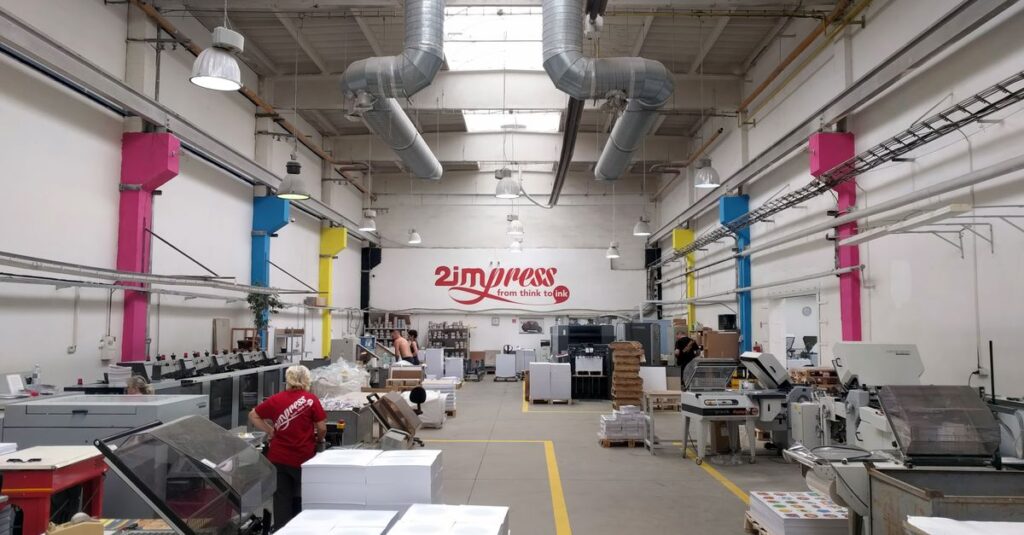
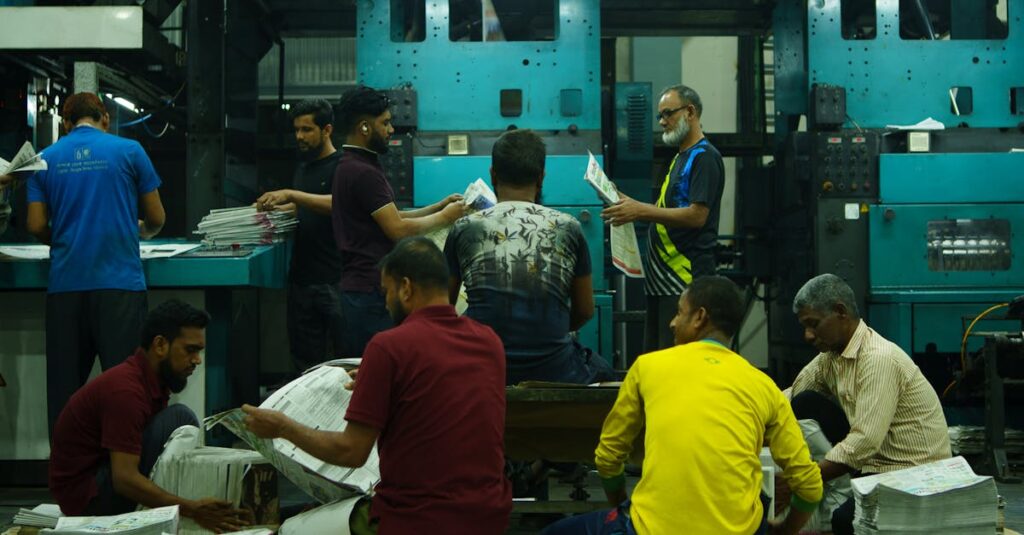
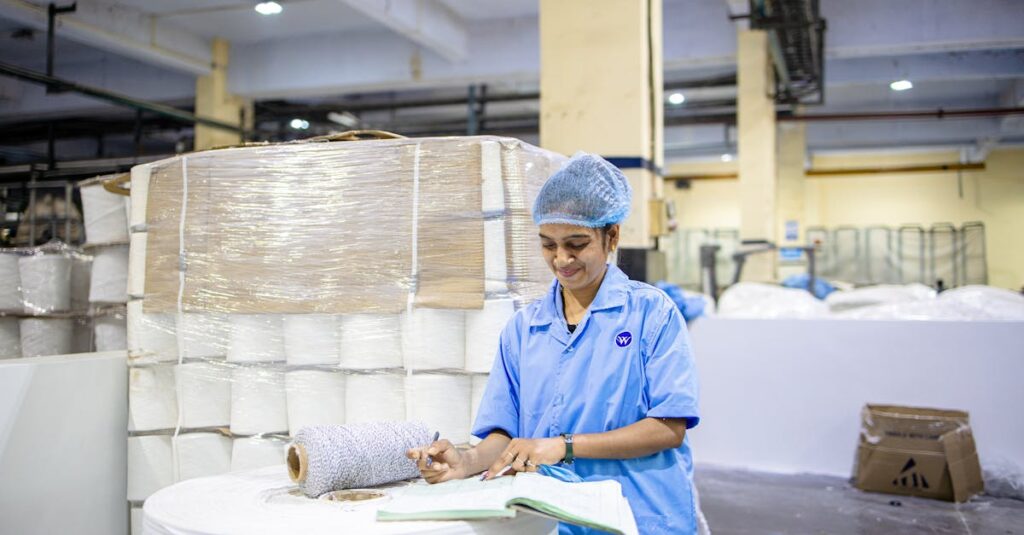
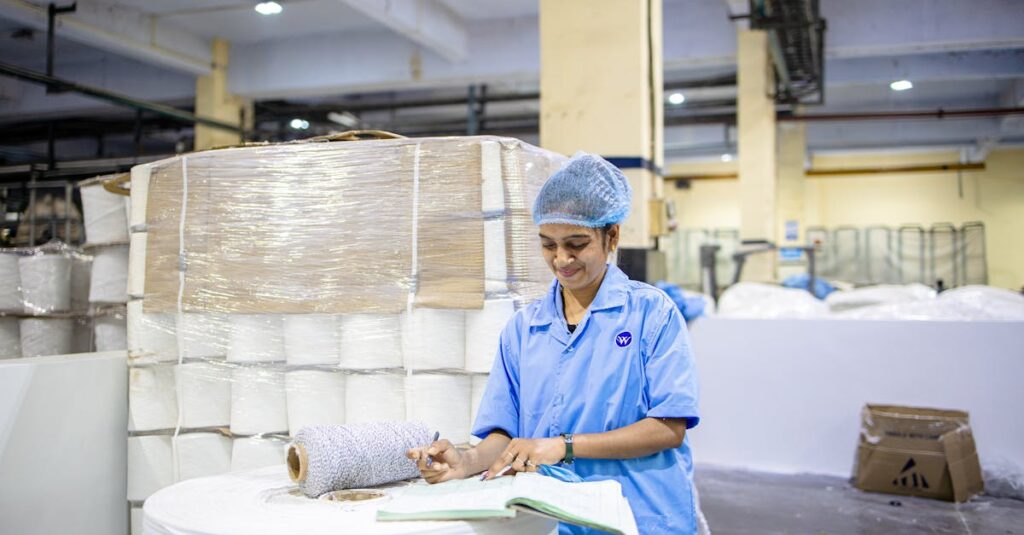
OEM stands for Original Equipment Manufacturer. That’s a mouthful. In simple terms, it means we become your silent manufacturing partner. You provide the vision and the brand identity. We provide everything else: the raw paper, the printing presses, the binding machines, the skilled workers, and the packaging line.
Think about it this way. A big electronics brand doesn’t build its own screens or batteries. It designs the phone and partners with expert factories to make each component. OEM notebook production is the same principle, but for stationery. You’re the brand. We’re the expert factory making your ‘component’ — which, in this case, is a finished, ready-to-sell product with your name on it.
Three things happen when you work this way:
- You get control without the complexity. You can specify the exact size (King, Long, Short, Account), the page count (from 52 to 700 pages), the ruling (Single, Double, Four-ruled, you name it), and the paper quality. But you don’t have to source any of those materials.
- The cost per unit drops. This is the big one for schools and wholesalers. Because we’re manufacturing at scale with our own supply chains, the economics work out better than small-batch custom jobs.
- It’s all yours. The notebook design, the final product, the intellectual property. It’s manufactured exclusively for you. No one else gets that exact model.
Look, I’ll be direct. This is for orders where the box of samples isn’t enough. It’s for when you need a box built from scratch.
The Real-Life Difference: Custom Print vs. OEM Production
Let’s get specific. I was talking to a procurement manager for a chain of coaching institutes last month. They needed 20,000 notebooks for the new academic year. They had a tight budget and a very specific layout requirement for theory on one side and practice problems on the other.
Their first thought was to find a printer. That’s custom printing. You take an existing ‘shell’ notebook and print your cover and maybe the first page. The problem? The existing shell never matched their internal page layout. They’d have to compromise.
Their second option — the one they went with — was OEM production. That meant we started with blank paper rolls. We printed every single page of that notebook with their unique ruling and layout. We designed a cover from their brand guidelines. We chose the binding (spiral, for lay-flat ease) and the paper weight (a thicker 70 GSM to handle ink from different pens). We even packaged them in batches of 50 for easy distribution to their branches.
That’s the gap. Custom printing modifies a product. OEM production creates the product.
| Aspect | Custom Printing | OEM Notebook Production |
|---|---|---|
| Starting Point | Pre-manufactured ‘blank’ notebook | Raw materials (paper, ink, binding wire) |
| Flexibility | Limited to cover & first-page prints | Total. Size, paper, ruling, layout, cover, binding. |
| Best For | Small batches, gifts, event souvenirs | Bulk orders, brand identity, institutional supply |
| Cost Driver | Printing setup + unit cost | Material volume + manufacturing scale |
| Lead Time | Shorter (assembly line printing) | Longer (full manufacturing cycle) |
| Output | A branded version of a common product | A unique product that carries your brand |
See the difference? It’s foundational.
Expert Insight
I was reading an industry report last year, and one line stuck with me. The analyst said that in competitive markets — think coaching institutes, corporate gifting, premium retailers — the product itself becomes a marketing tool. The notebook isn’t just for writing; it’s a tactile, daily reminder of the brand. A cheaply printed logo on flimsy paper sends one message. A well-made, thoughtfully designed notebook that feels good to use sends another. The researcher’s point was that OEM isn’t an expense; it’s a brand investment. I don’t have a cleaner way to put it than that. The margin you might save on cheap custom print could cost you in perceived value.
Who Actually Uses OEM Notebook Production? (Spoiler: It’s Not Who You Think)
Most people assume it’s only for giant corporations. Not true. In my experience, the most savvy users are the ones with very specific, repeatable needs.
1. Stationery Distributors & Wholesalers: This is probably the biggest segment. They want to build their own private label. Instead of selling ‘Brand X’ notebooks, they sell ‘MyStore’ notebooks. They control the quality, the pricing, and the customer loyalty. It’s a business model shift, from reseller to brand owner.
2. Schools & Large Educational Groups: Think chains of schools or big university campuses. They need uniformity. Every student, across every grade or campus, gets the same standard of notebook. It streamills procurement, ensures quality, and even becomes part of the institution’s identity. ‘Our school notebooks’ versus ‘some notebooks we bought’.
3. Corporate Houses for Internal Use & Gifting: Beyond the standard diary, they want custom notepads for meetings, engineering calculation pads for specific departments, or premium branded notebooks for client gifts. Off-the-shelf rarely fits.
4. Government Tenders: This one is specific but huge. When a government orders notebooks for millions of students, the specs are non-negotiable. The paper GSM, the number of pages, the ruling — everything is mandated. That’s pure OEM work. You’re building to a precise, published standard.
And honestly, we’ve seen a rise from smaller businesses too. A growing coaching centre ordering 5,000 notebooks for its first batch of students. A startup wanting a unique welcome kit. The barrier isn’t size as much as it’s intention. Are you buying a product, or are you building a part of your brand?
The Process: What It Looks Like From Your Side of the Table
People worry it’s complicated. It’s not. At least, it shouldn’t be if you’re with the right manufacturer. Here’s how it flows, stripped of all the factory noise.
Step 1: The Brief. You tell us what you need. Not in technical terms. In your terms. ‘I need a notebook for primary school kids that won’t tear easily.’ ‘I need a sleek executive diary for my corporate clients.’ ‘I need a 200-page account book for small shopkeepers.’ That’s enough.
Step 2: The Translation. We take your brief and translate it into specs. ‘Notebook for kids’ becomes: Crown Size, 92 pages, 70 GSM paper (thicker), Bright Color Cover, Spiral Binding (lays flat), Broad Ruling. We present you with a physical sample. This is the back-and-forth stage. It’s the most important part.
Step 3: The Lock-in. You approve the sample. We agree on price, delivery schedule, and payment terms. A purchase order is raised. This is where you relax.
Step 4: The Silent Period. We go to work. Paper is sourced, printing plates are made, binding lines are set up. You get a production update, maybe a pre-shipment sample. But largely, it’s quiet on your end.
Step 5: Delivery. The pallets arrive at your godown or directly to your distribution points. They’re packed as you requested (by 50s, 100s, shrink-wrapped). Your job now is to sell them or distribute them.
The whole thing hinges on Step 2. A good OEM partner doesn’t just take orders; they advise. ‘That cover design might smudge — let’s use a lamination.’ ‘For that many pages, perfect binding will be more durable than stapling.’ That’s the experience you’re paying for.
Common Questions (And The Real Answers)
Frequently Asked Questions
What is the minimum order quantity for OEM notebook production?
It varies, but generally, OEM becomes viable around 2,000 to 5,000 units per design. Below that, the setup costs per notebook get too high. For true private label where we’re creating new printing plates and setting up a binding line, we usually recommend starting at 5,000 pieces to make the economics work for you.
How long does OEM production take?
From final sample approval, allow 4 to 6 weeks for production and shipping. The first order takes the longest because everything is being set up from zero. Repeat orders for the same notebook are much faster, often 2-3 weeks, as the production line is already configured.
Can I get my own paper quality and GSM?
Absolutely. That’s a core part of OEM. You can specify the exact GSM (thickness) of the writing paper and the cover board. We’ll source it. Most standard notebooks use 54-60 GSM paper, but for premium or heavy-ink use, we often recommend 70-80 GSM.
Who owns the design?
You do. Completely. All the artwork, the final product design, everything. We are the manufacturer, not the brand owner. Confidentiality and exclusivity are standard in any OEM agreement. Your notebook design is yours alone.
Do you handle packaging and shipping?
Yes. We can pack in bulk cartons, retail-ready packs, or shrink-wrapped bundles. We handle the domestic logistics to your designated warehouse or port. For international buyers, we manage the export documentation and arrange FOB/CIF shipping as needed.
Wrapping This Up
So, what is OEM notebook production? It’s the choice to stop being just a buyer and start being a specifier. It’s for when ‘good enough’ isn’t good enough, and the notebook itself needs to do a specific job for your students, your employees, or your customers.
It’s not the right path for everyone. If you need 100 branded notebooks for a conference, stick with custom printing. But if you’re looking at thousands of units, year after year, and you want control over quality, cost, and brand identity — then you’re not really thinking about printing. You’re thinking about supply chain. And that’s a different conversation altogether.
I don’t think there’s one perfect answer for every institution. Probably there isn’t. But if you’ve read this far, you’re likely already weighing a bulk order against the hassle of compromise. The next step isn’t a commitment; it’s a question. What would your ideal notebook look like? Start there.