So you need notebooks. A lot of notebooks.
Right. You're the person with the spreadsheet open, the PO ready, and that one question: where do I get 10,000 notebooks without the whole thing becoming a massive headache? You've probably already Googled 'bulk notebook manufacturer' and seen a hundred websites with smiling people and price lists.
Here's the thing. The real conversation — the one that happens after you hang up the phone with a supplier — isn't about the per-unit cost on page one. It's about what happens on page three, when the delivery is a week late, or the binding starts coming apart in a classroom, or the logo you sent prints blurry. I've been on the other side of that call for longer than I care to admit. The tension is almost physical. You can feel the other person thinking, 'My job is on the line here.'
This isn't a glossy brochure. It's what I wish every buyer knew before they start talking to manufacturers. If you're ordering for a school district, a corporation handing out diaries, or a distributor supplying retail, this might save you a few sleepless nights.
What a Bulk Notebook Manufacturer Actually Does (It's Not What You Think)
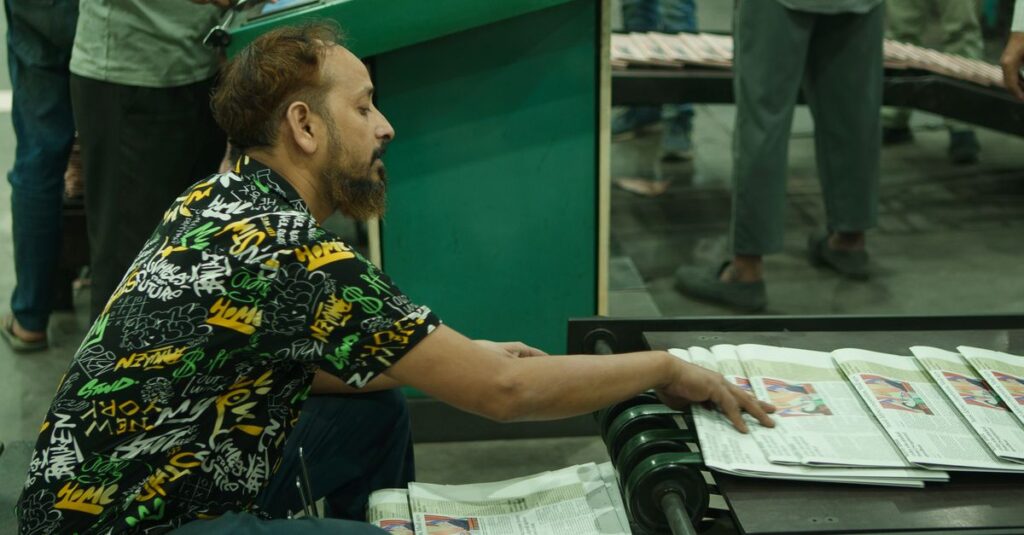
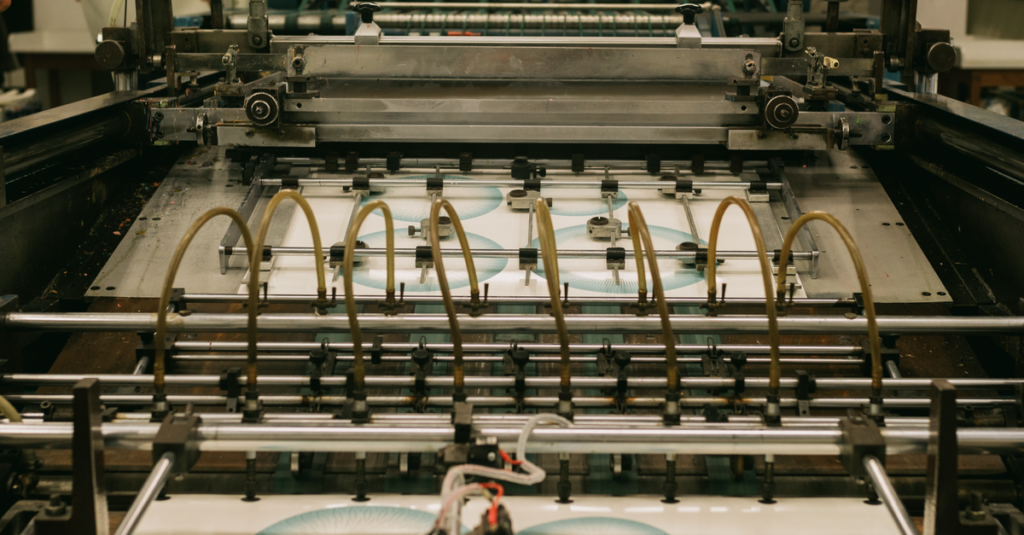
Most people picture a factory. Machines humming, paper flying. And that's part of it. But the core job of a good manufacturer isn't running machines — it's managing chaos. Your chaos.
Think about it. You send a file. Maybe it's a PDF from a designer who used spot colours the printer can't handle. Or an Excel sheet with 50 SKUs, each with a different page count and ruling. A bad manufacturer just churns it through. A good one stops the line. They call you. They say, “Hey, this art file has a resolution of 72 DPI. It's going to print pixelated on 5000 covers. Do you want us to proceed or can you send a high-res version?”
That call is everything. It's the difference between a successful order and a warehouse full of something you can't use. The manufacturing process itself — printing, cutting, folding, binding — is technical. But the value is in the gaps between those steps. The quality checks. The communication. The willingness to say “this might be a problem” before it becomes your problem.
Expert Insight
I was talking to a procurement manager for a chain of coaching institutes last month. Over a truly terrible cup of airport coffee. He said something that stuck: “I don't buy notebooks. I buy predictability.” He's right. When you're ordering in bulk, you're not sourcing a product. You're outsourcing a massive, complex, time-sensitive problem. The manufacturer that understands that — the one whose first question isn't “how many?” but “what's your deadline and what are you really using these for?” — is the one you want. The skill isn't in the binding; it's in listening.
The Paper, Binding, and Other Things That Actually Matter
Okay, let's get into the weeds. Because this is where choices have real consequences.
Paper Weight (GSM): This isn't just a number. 54 GSM paper is standard for school notebooks — it's a workhorse, it handles pencil and pen, it's cost-effective. But if you're doing corporate diaries where people will use fountain pens or need a more premium feel, you jump to 70 GSM or higher. The wrong choice makes the whole product feel cheap. I've seen companies try to save 2% on paper and end up with notebooks that feel like they'll disintegrate in a briefcase.
Binding: This is the hinge of the whole operation. Literally.
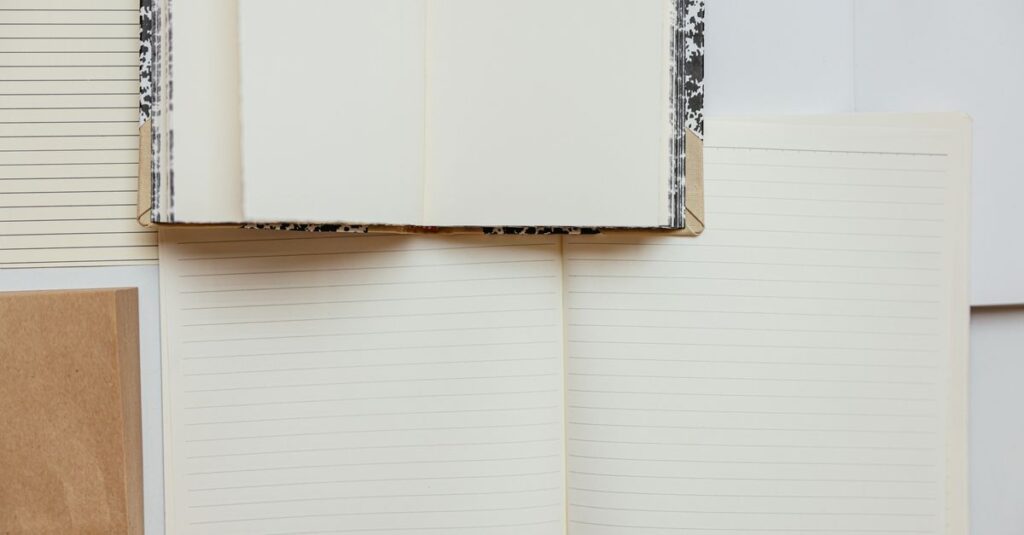
• Stitched Binding: The classic. Strong, lies flat, feels professional. For anything that needs to last — account books, master notebooks.
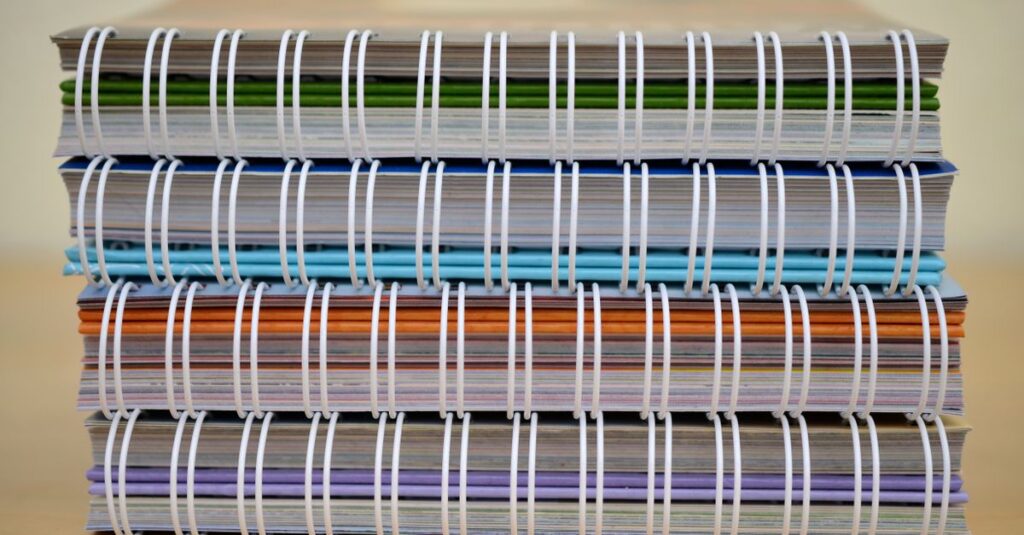
• Spiral Binding: Lies completely flat, great for artists, students, anyone who needs to fold the book back on itself. But the coil can get bent in transit.
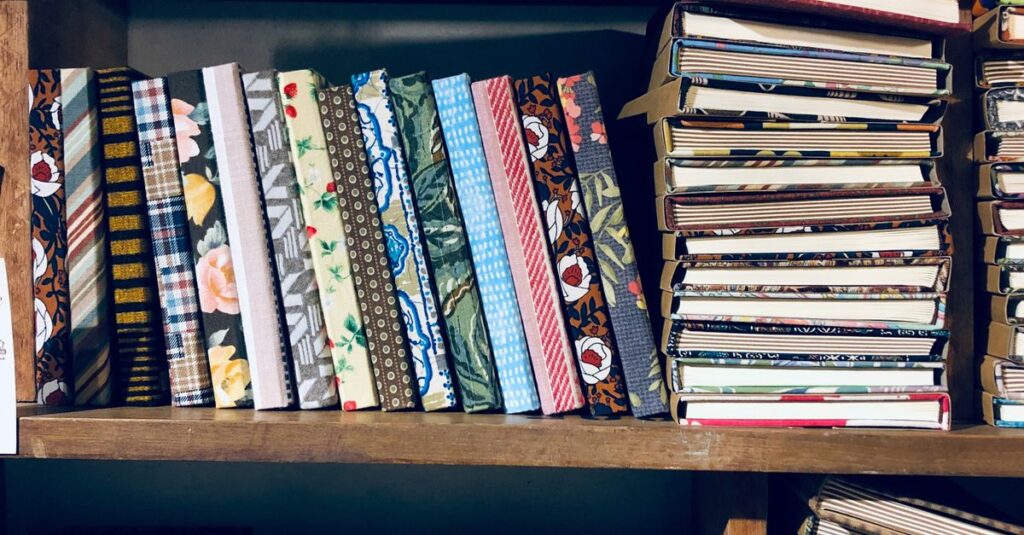
• Perfect Binding: That glued, clean look like a paperback book. Excellent for sleek corporate diaries. Not so great if you need it to survive being thrown in a backpack for a year.
The choice here dictates the user experience more than anything else. You have to match the binding to the abuse it's going to take.
The Real Cost of a “Good Deal”
We need to talk about price. Because the cheapest quote is almost always the most expensive mistake.
Let me tell you about Ananya. She runs procurement for a network of schools in Bangalore. Got three quotes for 50,000 notebooks. Went with the lowest one — 8% cheaper than the next. The books arrived. The stitching was inconsistent. On about 15% of them, pages were coming loose after a few weeks. Kids being kids, they started tearing them out. She had to place an emergency re-order mid-term, pay expedited shipping, and deal with angry principals. That “good deal” cost her more in time, reputation, and emergency funds than if she'd just picked the middle quote.
What you're paying for isn't just paper and glue. You're paying for:
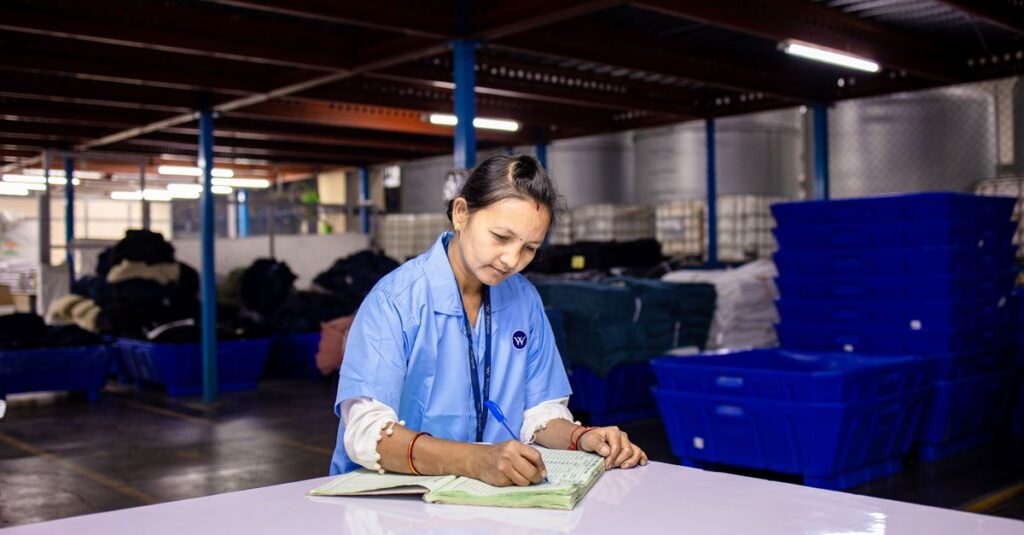
1. Consistent quality control (someone actually looking at the books).
2. Supply chain reliability (knowing where the paper is coming from, having backup).
3. Problem-solving bandwidth (when something goes wrong, they fix it).
4. Communication (not disappearing after the invoice is paid).
That stuff isn't free. But it's what turns a transaction into a partnership. And in bulk orders, you need a partner, not just a vendor.
Custom Notebooks vs. Stock Notebooks: A Clear Choice
This decision trips up a lot of first-time bulk buyers. It's not just about having your logo on it.
| Consideration | Custom Notebooks | Stock (Standard) Notebooks |
|---|---|---|
| Lead Time | Longer (4-6 weeks min.) | Shorter (1-2 weeks, often ready stock) |
| Cost Per Unit | Higher (setup, plates, custom paper) | Lower (economies of scale) |
| Flexibility | Total. Your cover, your pages, your ruling. | Limited. Choose from existing sizes/rulings. |
| Best For | Brand building, corporate gifts, specific institutional needs (like a school's unique planner). | General supply, filling urgent needs, cost-sensitive bulk orders (like baseline school supplies). |
| The Hidden Bit | You own the design. But you also own the risk if the design has a flaw. | You're buying a proven product. The manufacturer has ironed out the kinks. |
Most businesses I talk to need a mix. Standard notebooks for everyday use, and a smaller run of beautiful, custom-branded ones for clients or top-tier employees. The key is finding a manufacturer who can do both, so you're not managing two different suppliers.
How to Talk to a Manufacturer (Without Wasting Your Time)
Look, I've been the guy answering these emails. You can cut through the noise fast if you know what to ask. Don't just say “send me a quote for notebooks.”
Start with this:
• Quantity: Be real. Is it 5,000 or 50,000?
• Size & Specs: “A4 Long Notebook, 200 pages, Single Ruled.”
• Paper: “54 GSM white writing paper.”
• Binding: “Stitched binding, please.”
• Cover: “1-colour print on 250 GSM art card.”
• Deadline: “Need delivery by August 1st.”
That email gets you a real quote in hours. A vague one gets you a brochure and three follow-up calls. Also, ask for physical samples before you order 20,000 of anything. Any reputable manufacturer will send them. Hold it. Write in it. Try to rip a page out. Your hands will tell you more than any spec sheet.
And one more thing. Ask about their production capacity. If you need 40,000 notebooks and their max daily output is 5,000, you need to know that upfront to plan. It's a simple question that avoids a massive logistical panic later.
Frequently Asked Questions
What is the minimum order quantity for bulk notebooks?
It varies, but for a true bulk order from a dedicated manufacturer, think in the thousands, not hundreds. A common MOQ is around 1,000-2,000 pieces per design/specification. For smaller quantities, you're better off with a retailer or a print-on-demand service.
How long does it take to manufacture bulk custom notebooks?
From approved artwork to shipped goods, plan for at least 4-6 weeks for a custom job. This includes plate making, paper sourcing, production, binding, and quality checks. Rush jobs are possible but expensive — and quality can suffer. Always build buffer time into your project plan.
Can you source notebooks from India for international markets?
Absolutely. Many manufacturers, including us, have dedicated export divisions. The key is finding one experienced in export documentation (commercial invoices, packing lists, COO), palletization for sea freight, and understanding the quality standards of your target market. Don't assume local practices translate globally.
What information do I need to provide for a custom notebook quote?
You need five things: 1) Quantity, 2) Notebook size (e.g., A4, Long), 3) Page count & paper type, 4) Binding type, and 5) Your print-ready cover artwork. The more specific you are, the more accurate the quote and timeline will be.
What’s the difference between a notebook manufacturer and a distributor?
A manufacturer makes the notebook from raw paper. A distributor buys finished notebooks from manufacturers and sells them to you. Going directly to a manufacturer gives you more control over specs and pricing, especially for large orders. A distributor offers a wider variety of ready-made stock with faster delivery.
Look, it comes down to trust.
You're handing over a significant chunk of budget and a critical part of your operations to someone you might never meet in person. The numbers matter. The specs matter. But the feeling that the person on the other end gives a damn about your order succeeding? That matters more.
I don't think there's one perfect manufacturer. Probably there isn't. But if you've read this far, you already know the price isn't the whole story — you're just figuring out how to find the partner who gets that.
If you want to cut through the sales talk and just get a straight answer on what's possible for your next bulk order, the conversation starts with a sample and a realistic deadline.