The glue, the thread, the metal coil, and a thousand headaches
Three things happen when you need to order notebooks for your school, office, or government department. First, you get a request for ten thousand notebooks by next month. Second, you realize the price per notebook seems suspiciously low. Third, you think: what is book binding, anyway? And why should I care?
Most people just see a notebook. But that notebook holding together — or, more importantly, not falling apart after six months of use — is where the real story is. The binding is what turns sheets of paper into a book. And honestly, most procurement headaches come from ignoring that part of the process. If you want notebooks that last, you need to understand how they're held together. It's not just manufacturing; it's engineering. If this sounds familiar, seeing how a real manufacturer does it might clear up a lot of confusion.
What binding books really means
Okay, let's start here. Binding books is the process of assembling and securing the pages of a notebook. It's the glue, the thread, or the wire that keeps everything from turning into a messy pile of paper. But here's the thing — it's not just a finishing step. It's probably the most important decision you make when ordering bulk notebooks.
Think about it this way. You're buying notebooks for students or staff. The paper quality matters, sure. But if the binding fails, the paper is useless. Pages fall out. The cover detaches. The whole notebook becomes a frustration. That's what I mean when I say binding is the engineering part. It's the part that determines whether your investment actually works or just ends up as waste.
I've heard this enough times now from procurement managers to know it's not a coincidence. The complaints are almost always about durability. And nine times out of ten, the durability problem is in the binding.
How binding works in a factory
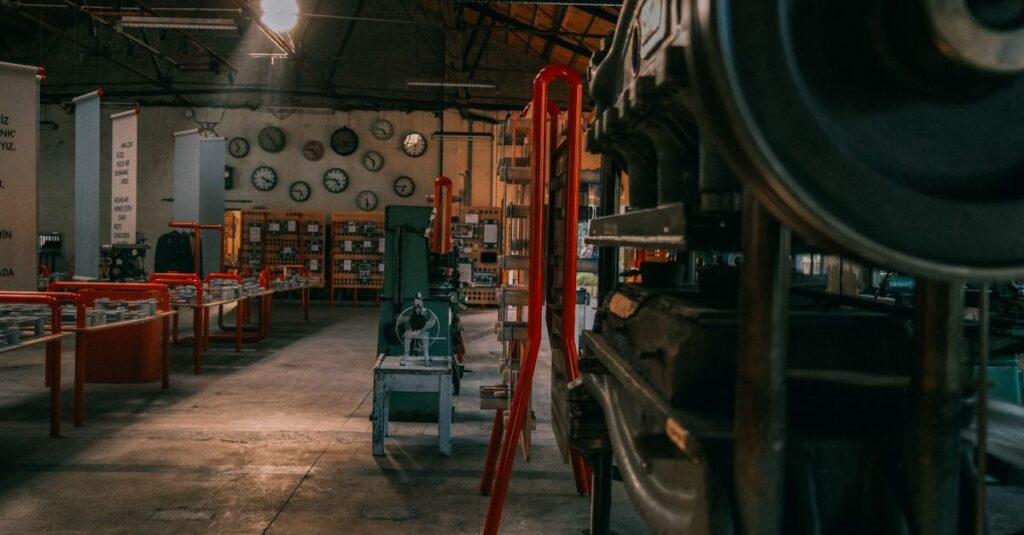
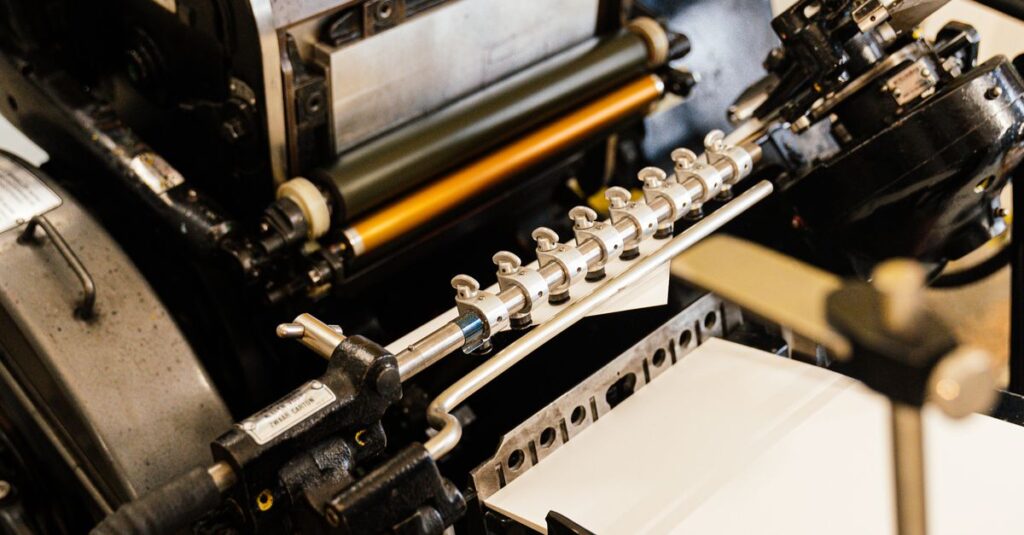
Imagine you're in a factory like ours in Rajahmundry. The paper has been printed, cut, maybe even ruled. Then it goes to the binding line. For stitched binding, a machine gathers the pages, punches holes along the spine, and runs thread through them — fast, like sewing. For spiral binding, a coil of plastic or metal is fed through punched holes along the edge. For perfect binding, the edge of the pages is roughed up, glue is applied, and then the cover is pressed on. It sounds simple, but the precision is everything. A millimeter off in alignment, and the whole batch is messy.
What most people don't realize is that the binding type you choose dictates the entire production flow. It affects the paper cutting, the cover design, even the packaging. Choosing spiral binding means you need pre-punched paper. Choosing perfect binding means you need a specific type of glue and a drying time. It's not just a 'finishing touch'. It's the core of the process.
The three main ways to bind a book
In my experience working with schools and corporate offices, there are really three main paths you can take. Each has its own vibe, its own cost, and its own lifespan.
Stitched Binding (Saddle Stitching)
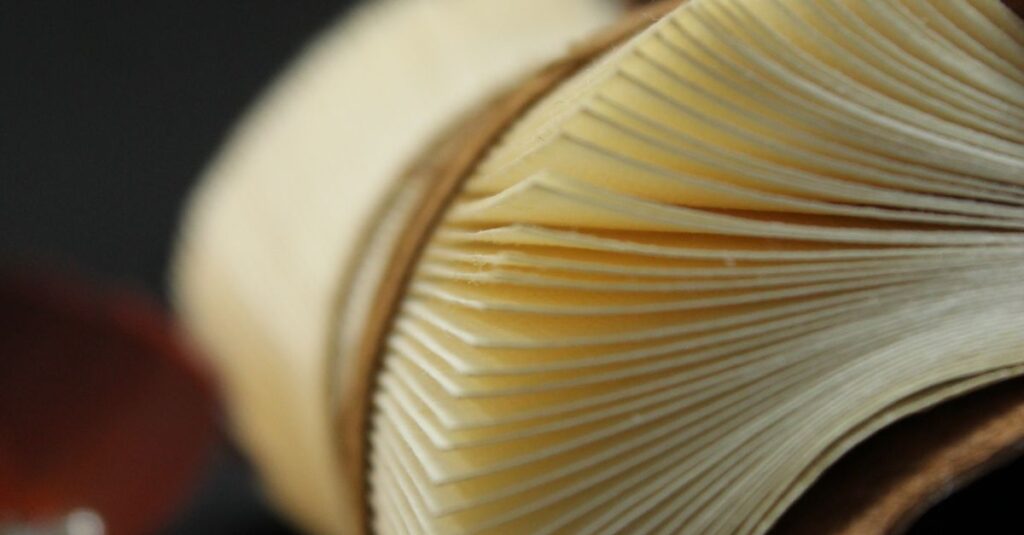
This is the classic. Thread is sewn through the fold of the pages. It's strong, durable, and allows the notebook to open flat. It's what you see in most school notebooks and account books. The thing about stitched binding — okay, let me rephrase that. The advantage is longevity. A well-stitched notebook can last years. The disadvantage? It's generally for thinner books. When you get up to 700-page account books, the stitching becomes a more specialized job.
Spiral Binding
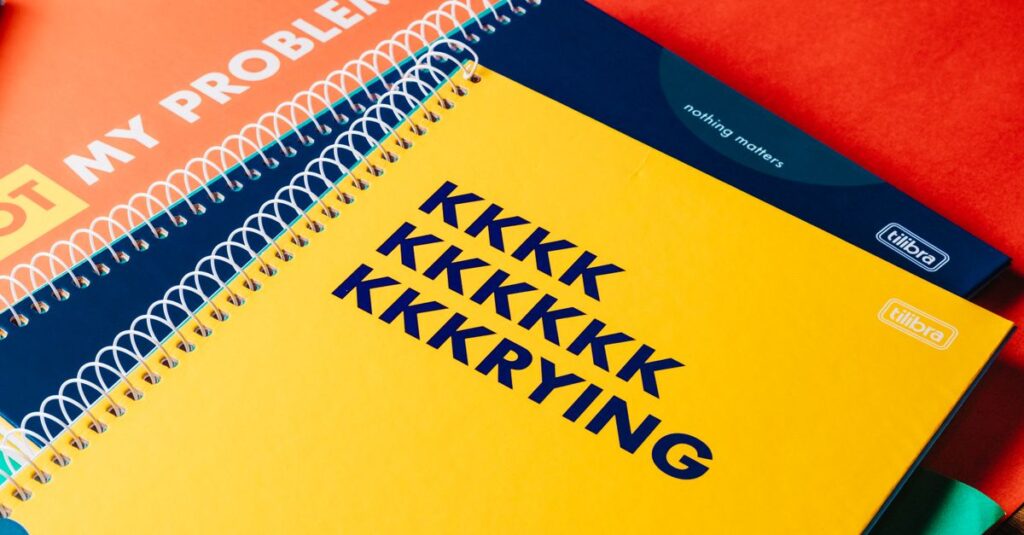
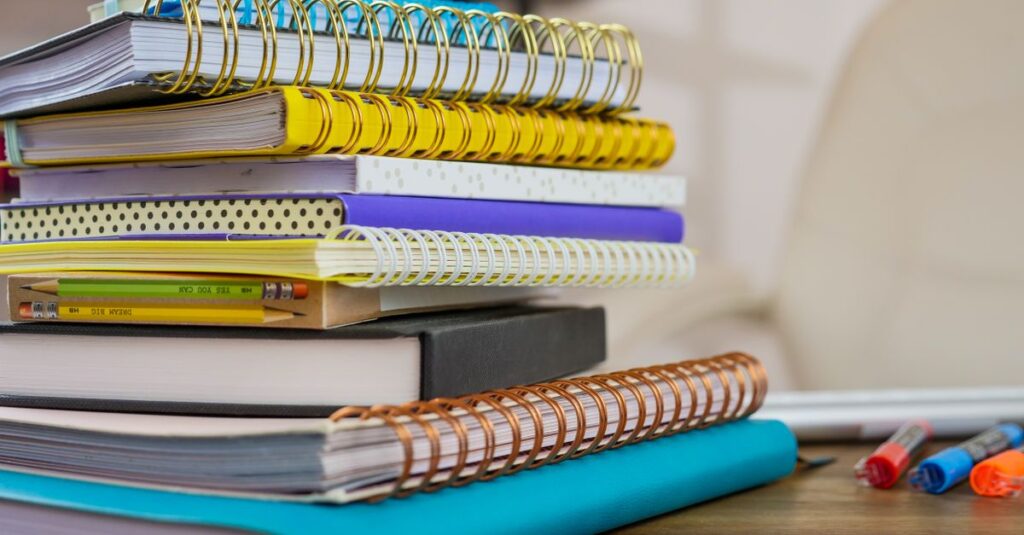
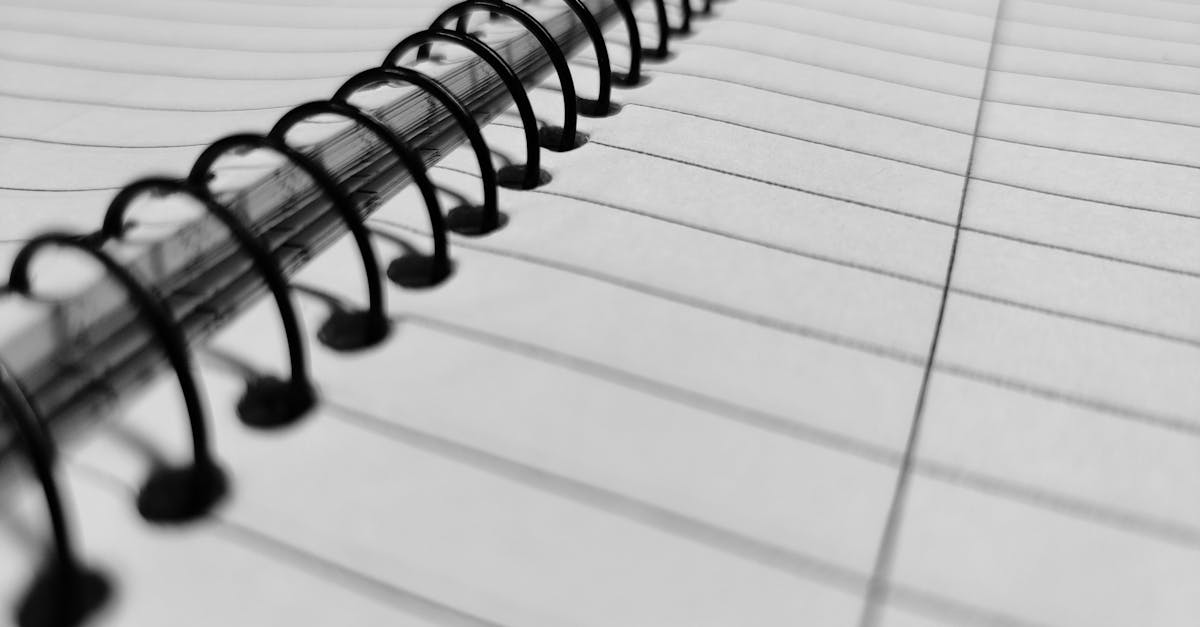
The metal or plastic coil winding through holes along the edge. It's flexible, it lets the notebook fold back completely, and it's great for notepads or books that need to be opened flat for drawing or writing. But it's also more vulnerable. The coil can bend or snag. And the holes along the edge mean you lose a bit of usable page space. Most people choose spiral for specialized uses — drawing books, project pads, things like that.
Perfect Binding
This is the glue method. The pages are gathered, the edge is roughed up (to create more surface area), glue is applied, and the cover is attached. It looks clean, like a paperback book. It's cost-effective for large runs. But. And this is a big but. The glue can fail over time, especially if the notebooks are stored in humid conditions or handled roughly. It's a trade-off between a sleek look and long-term resilience.
Anyway. Where was I. The point isn't that one is always better. The point is you need to match the binding to the actual use. Student notebooks that get thrown in bags? Probably stitched. Corporate diaries that need a premium look? Maybe perfect binding, but you need to ask about the glue quality.
A quick story about a government order
I was talking to a procurement officer from a state education department last week — over coffee, actually — and she told me something I keep thinking about. They'd ordered 50,000 notebooks for a school scheme. They chose perfect binding because the quote was lower. The notebooks looked great when delivered. But six months into the school year, teachers started reporting pages coming loose. The glue hadn't bonded properly because the paper GSM was too high for the adhesive they used. It was a mismatch they didn't even know to ask about.
She said the whole experience felt like a hidden cost. They saved on the initial order, but the replacement hassle and the reputational damage were huge. It's a headache, honestly. And it's why I always tell buyers: ask about the binding specifics. Don't just take 'bound notebook' as a given.
Expert Insight
I was reading an old industry manual last month and one line stuck with me. It said something like — the binding is the only part of the notebook that faces stress every single time it's used. The cover gets scuffed, the paper gets written on, but the binding gets flexed, pulled, and pressured. Every open, every close. I don't have a cleaner way to put it than that. If you ignore the binding, you're ignoring the part that does the most work.
What you should look for when ordering
Look, I'll be direct. When you're sourcing notebooks in bulk, here are the three things you need to check about the binding.
- Ask for a sample, and test it. Don't just look. Open it fully. Try to pull a page gently from the middle. Flip it repeatedly. See if the spine cracks or the coil bends.
- Match the binding to the page count. Stitched binding works beautifully up to about 240 pages. Beyond that, you need to ask if the manufacturer uses reinforced stitching. Perfect binding can handle thicker books, but you must ask about the glue type and drying process.
- Consider the end-user. A student's notebook needs to survive a backpack. An office diary needs to look professional on a desk. A drawing book needs to open flat. The binding choice isn't yours; it's for the person who will use it every day.
Earlier I said binding is engineering. That's not quite fair — it's more that binding is the practical compromise between cost, look, and function. And most people only find out they chose wrong after the notebooks are already in use.
Binding books: A comparison table
| Feature | Stitched Binding | Spiral Binding | Perfect Binding |
|---|---|---|---|
| Durability | High – long-lasting, resists pull | Medium – coil can bend/snag | Variable – depends on glue & paper |
| Flat Opening | Yes – opens fully flat | Yes – can fold back completely | No – limited opening angle |
| Cost (Bulk) | Medium | Medium to High | Low to Medium |
| Page Count Range | Best for 52–240 pages | Flexible – any count, but holes needed | Good for thick books (200+ pages) |
| Common Uses | School notebooks, account books | Drawing books, notepads, project pads | Corporate diaries, premium notebooks |
| Production Speed | Fast – automated stitching lines | Fast – but coil insertion precise | Very Fast – glue application & pressing |
THIS IS THE PART NOBODY SAYS OUT LOUD. The cheapest option on the table is often perfect binding. It's fast, it looks neat, and it saves the manufacturer time. But it's also the one that fails silently, months later, when you're not looking. You have to ask.
Why binding matters for bulk orders
When you're ordering ten thousand notebooks, you're not buying products. You're buying a promise. The promise that those notebooks will survive the school year, or the financial year, or the project timeline. And that promise lives in the binding.
I think about this a lot when we get orders from international buyers. They're often looking for the lowest cost per unit. And I have to explain — the binding is where costs can be cut, but also where quality evaporates. A poorly bound notebook is a waste of paper, printing, and shipping. It's a waste of everything.
So if you're a procurement manager, a school administrator, or a distributor, here's my advice. Spend ten minutes understanding the binding options. Ask the manufacturer to explain their process. Request a sample and actually use it for a week. It's probably the most important ten minutes you'll spend on the entire order. Seeing the actual products and how they're made can give you a real sense of what you're buying.
Frequently Asked Questions
What is the most durable type of book binding?
For general-use notebooks like school books or account books, stitched binding (saddle stitching) is usually the most durable. The thread holds the pages securely through the fold and can withstand rough handling. Spiral binding is durable for specific uses like drawing books, but the coil can get damaged. Perfect binding relies on glue, which can fail over time if not done right.
Can you change the binding type for a custom notebook order?
Yes, absolutely. That's one of the main points of custom notebook manufacturing. You can specify whether you want stitched, spiral, or perfect binding based on how the notebook will be used. The manufacturer will adjust the production process accordingly. It affects the cost and timeline, but it's a core part of customization.
How does binding affect the price of bulk notebooks?
Binding is a significant part of the production cost. Stitched binding requires threading machines and operator time. Spiral binding needs coil insertion and precise hole punching. Perfect binding is often the least expensive in terms of machine time and materials (glue), which is why it's common for large, cost-sensitive orders. But remember: a lower binding cost might mean a lower durability.
What should I ask a manufacturer about their binding process?
Ask three things. First, what is the maximum page count they recommend for the binding type you're choosing? Second, what materials do they use (thread type, coil metal/plastic, glue brand)? Third, can they provide a sample for you to test? A good manufacturer will answer these easily and might even show you their binding line.
Is perfect binding good for thick notebooks?
It can be, but it's risky. Perfect binding is often used for thick notebooks (like 700-page account books) because it can handle the bulk. The problem is the glue needs to penetrate and bond all those pages evenly. If the glue application is uneven or the paper is too thick, pages can loosen. For very thick books, reinforced stitching or specialized glue processes are better.
So, what's the takeaway?
Binding books isn't a mysterious factory step. It's the practical, mechanical heart of a notebook. It decides whether the thing holds together or falls apart. For anyone ordering notebooks in bulk — schools, corporations, governments — understanding binding is the difference between a successful order and a logistical headache.
I don't think there's one perfect binding method for every situation. Probably there isn't. But if you've read this far, you already know what you need from your notebooks — you're just figuring out how to make sure they deliver. Ask the questions. Test the samples. Match the binding to the real-world use. It's the only way to make sure your investment turns into something useful, not just something delivered. If you want to talk specifics about your next order, getting a direct line to a manufacturer who does this every day is probably the next step.