Introduction
You know that feeling. You’ve spent months planning a corporate gift. Budgets approved, vendors selected, boxes ready to ship. You pick a diary. A nice diary. Good paper, decent cover. You send it out.
Six months later, you walk into a client’s office. It’s on their shelf. Unopened. Still in the branded sleeve. The pen is missing. It feels like a waste — a polite waste, but a waste.
Here’s the thing: a diary for gifting isn’t just stationery. It’s a tiny, daily reminder of your brand. And most companies get this wrong because they think about specs, not psychology. They think about page count, not impact. I’ve watched this happen for years. If you’re buying corporate diaries to gift — to clients, employees, partners — you’re not just buying a product. You’re buying a chance to be remembered, every day. We’ve made enough of them to see what works and what doesn’t.
Let’s talk about why most gifted diaries end up in a drawer, and how to pick one that actually gets used.
The Psychology Of A Gifted Diary (It’s Not About Paper)
When you give someone a notebook, you’re giving them a tool. But when you give them a diary — especially a corporate one — you’re giving them an expectation. “Here, plan your year with us.” “Remember us while you schedule.” It’s subtle. It’s powerful if it works. And it fails, quietly, if it doesn’t.
Most procurement managers look at GSM, binding, cover material. Which matters. But the real reason a gifted diary succeeds or fails is something else: friction. If it’s awkward to use, if the layout confuses them, if the dates don’t match their mental calendar — it becomes a object, not a tool. A souvenir.
Think about the person receiving it. They’re busy. They have digital calendars, apps, sticky notes. Your diary has to fit into that chaos without adding to it. It has to feel easier, not fancier. That’s the shift. From a corporate gift to a useful gift.
Expert Insight
I was talking to a client last year — a large firm in Hyderabad that gifts thousands of diaries annually. He said something that stuck. “We tracked it. The diaries that got used had one thing: they felt personal, even with our logo on them.” He meant the user felt ownership. The diary didn’t scream “BRAND”; it whispered “your schedule, our support.” I don’t have a cleaner way to put it than that. The best corporate diary is a bridge, not a billboard.
What Most Businesses Miss (The Three Big Mistakes)
Right. Let’s get practical. Over forty years of making these, I’ve seen three mistakes repeat. Like a pattern.
First: choosing the wrong size. A massive A4 desk diary looks impressive in the box. But if the recipient travels, works from meetings, needs something portable — it’s a burden. It stays on the desk. Unused. Conversely, a tiny pocket diary gets lost. It’s about matching the diary to the recipient’s actual movement. Not their title.
Second: over-designing the interior. Companies love to fill the pages with their mission statements, product lists, CEO quotes. It becomes a brochure. People don’t write in brochures. They need clean, functional space for their own notes. Your branding should frame their work, not overwhelm it.
Third — and this is the quiet one: poor paper quality. Not “low GSM,” but paper that ghosts ink, that bleeds, that feels rough. Writing on it feels like a chore. If the act of using your gift is unpleasant, it stops. Simple.
Anita, 38, a project manager in Bangalore, told me last month she received three corporate diaries this New Year. Two were “too corporate” — heavy covers, internal pages full of company history. She uses the third. Why? “It’s just a good notebook. Their logo is small on the corner. The paper is smooth. I forget it’s a gift.” That’s the goal.
How To Choose A Diary That Actually Gets Used
So how do you pick? You’re not a stationery expert. You’re a buyer, a manager, someone with a budget and a list. Here’s a straightforward way to think about it.
Start with the user’s day. Do they sit at a desk? A sturdy, larger format like a King Size (23.6 x 17.3 cm) or an Account Book size might work. Do they move between sites, meetings? A Long Notebook (27.2 x 17.1 cm) or even a Crown size is better. Portability wins.
Then, paper. Don’t just ask for “good paper.” Ask for writing paper. 54 GSM is standard, but feel it. Is it smooth? Does it take ink without smudging? This is where manufacturers like us matter — because we control the pulp, the coating, the finish. The right paper turns a diary from a gift into a habit.
Layout is everything. Single-ruled (SR) is universal. Unruled (UR) works for creatives, planners. But think about the calendar pages. Are holidays marked? Are there enough note pages per month? Is there a quick-reference year planner? These small details decide if someone keeps flipping pages or gives up.
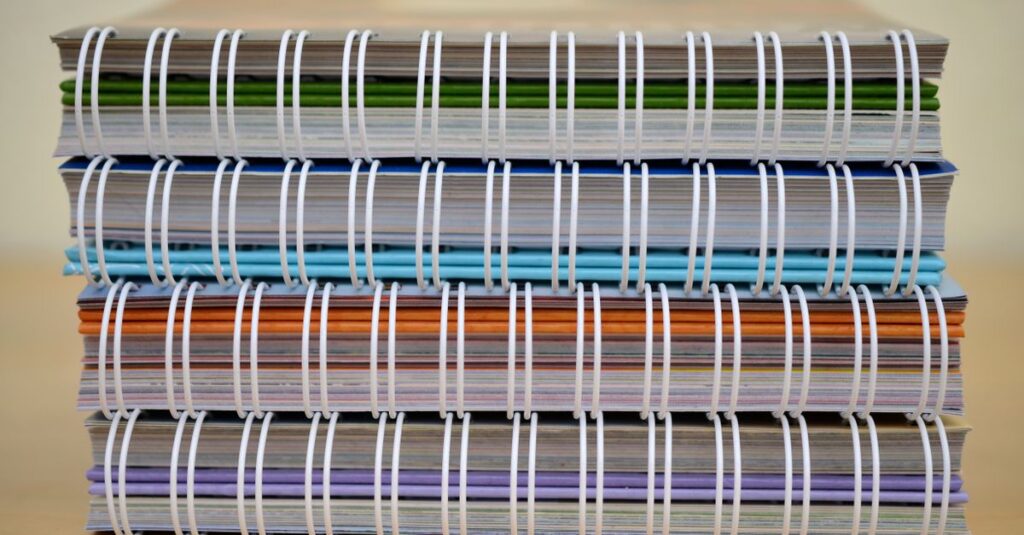
Finally, binding. Stitched binding is classic, durable. Spiral binding lets pages lie flat — useful for writing. Perfect binding gives a clean, book-like finish. Match the binding to the use: spiral for frequent writers, stitched for heirloom gifts, perfect for sleek corporate looks.
Look, I’ll be direct: the diary you gift should feel like it was made for the person, not for your annual report.
Corporate Diary vs. Personal Diary: A Quick Comparison
Sometimes the confusion starts here. Is a corporate diary just a branded personal diary? Not exactly. The purposes are different. Here’s a breakdown.
| Feature | Corporate Diary (For Gifting) | Personal Diary (For Self) |
|---|---|---|
| Primary Goal | Brand recall, utility, professional impression | Self-reflection, memory, personal organization |
| Design Focus | Clean, functional, branded subtly | Often decorative, thematic, emotionally resonant |
| Paper Choice | Smooth writing paper (54-60 GSM), ink-friendly | Can vary widely (art paper, thicker sheets) |
| Binding Priority | Durability for daily use, professional appearance | Often aesthetic, sometimes delicate |
| Customization | Logo, company info, tailored calendar (financial year) | Personal quotes, images, unique layouts |
| Typical Size | Professional sizes (A4, Long, King Size) | More variety (pocket, A5, unconventional) |
| Success Metric | Is it used daily? Does it remind the user of the brand? | Does it feel personal? Does it inspire writing? |
The point isn’t that one is better. It’s that when you’re gifting, you’re aiming for the corporate column. Utility with subtle branding. If you end up in the personal column, your gift might be lovely, but it might not serve your business goal.
The Manufacturing Angle: What To Ask Your Supplier
When you’re sourcing diaries for gifting in bulk — hundreds, thousands — your relationship with the manufacturer changes. You’re not buying a product off a shelf. You’re commissioning a tool. Your questions should shift.
Ask about lead times. Bulk custom printing isn’t instant. A good supplier will tell you upfront: 4-6 weeks for 5000 diaries, maybe more if you have complex cover designs. Plan your gifting calendar around this.
Ask about customization limits. Can they print your logo on the cover? Can they change the internal calendar to match your fiscal year? Can they add a welcome note on page one? The best manufacturers, like us, treat customization as a core service. Not an add-on.
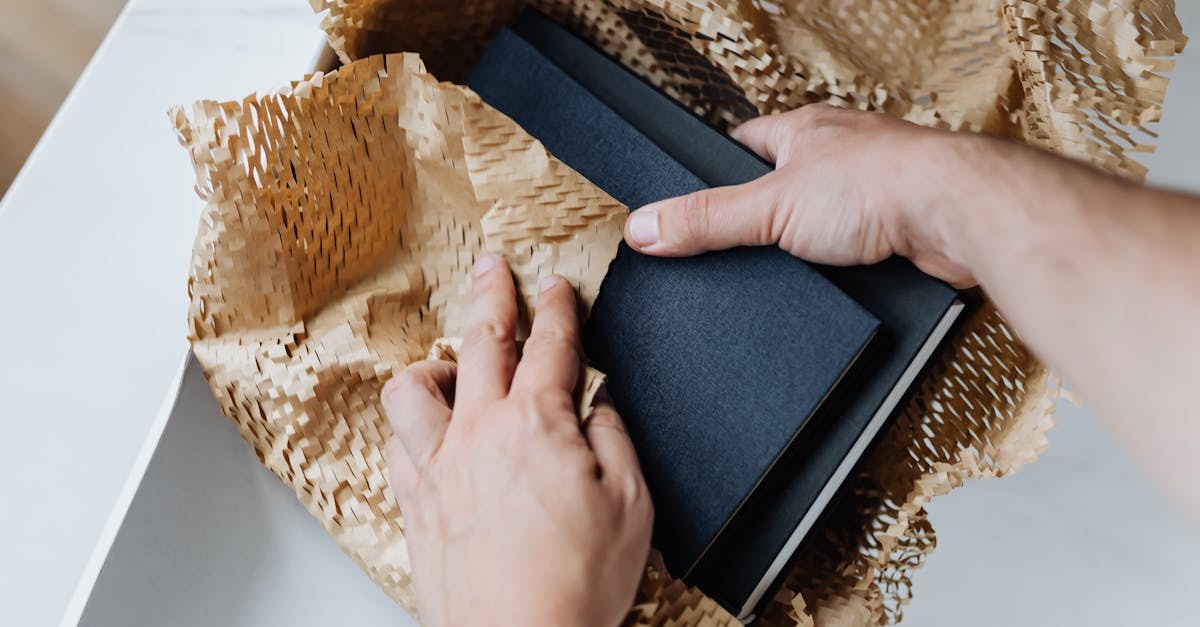
Ask about packaging. Are the diaries delivered in individual sleeves? Boxed? Can they include a branded pen? These touches matter for the gifting experience. The unboxing is the first impression.
And ask about samples. Always. Get a physical sample before you order 3000 units. Feel the paper. Write on it. Check the binding. I’ve seen companies skip this and regret it. A sample is your safety net.
Here’s something most people don’t realize: a good notebook manufacturer thinks about the entire chain — from paper sourcing to binding to packaging to delivery. You’re not just getting a diary; you’re getting that chain’s reliability. That’s what separates a supplier from a partner.
The Real Cost Of A Bad Gift (It’s Not Just Money)
Let’s talk about cost. Not the invoice cost. The hidden cost.
A poorly chosen diary — wrong size, bad paper, over-branded — sits unused. It becomes a polite clutter. Your brand is associated with clutter. With waste. With something that didn’t fit.
A well-chosen diary gets used. Every day, your logo is seen. Every meeting, your quality is felt. Every note taken is a small reinforcement of your relationship. The cost per unit might be higher — better paper, better binding, custom work. But the return is intangible, and real.
I think about this a lot. In our factory, we see orders for “cheap diaries for gifting.” And we see orders for “quality diaries that will be used.” The latter clients come back. Year after year. Because their recipients come back. Asking for that diary again.
The real cost isn’t in the budget sheet. It’s in the memory of the person who receives it.
FAQ Section
Frequently Asked Questions
What’s the best diary size for corporate gifting?
It depends entirely on the recipient's work style. For desk-bound executives, King Size (23.6×17.3cm) or A4 works. For mobile professionals, a Long Notebook (27.2×17.1cm) is more portable. Always consider where the diary will live — office bag or desk drawer.
How many pages should a gifted corporate diary have?
Enough for the year, plus some extra. 200-240 pages is a safe range for a 12-month diary with note sections. Too few feels cheap, too many becomes bulky. The goal is a complete year without overwhelm.
Can we customize the internal pages of the diary?
Absolutely. Good manufacturers offer this. You can add your fiscal calendar, company holidays, even specific note page layouts. The key is to keep customization functional — help the user, not just advertise to them.
What paper quality is ideal for a diary meant for gifting?
Smooth writing paper around 54-60 GSM. It should feel good to write on, prevent ink bleed, and have a slight sheen. Avoid rough or overly thin paper — it degrades the writing experience, and the gift stops being used.
How long does it take to produce bulk custom diaries?
Typically 4 to 6 weeks for orders of 1000+ units with custom printing. This includes design approval, paper procurement, printing, binding, and packaging. Always ask for a timeline breakdown from your supplier before ordering.
Conclusion
Choosing a diary for gifting isn’t a procurement task. It’s a psychology task. You’re sending a piece of your brand into someone’s daily routine. If it fits, it stays. If it doesn’t, it becomes background noise.
The specs matter — size, paper, binding. But the thought matters more. Who is receiving this? How do they work? What will make them pick it up, not put it away?
I don’t think there’s one perfect answer here. Probably there isn’t. But if you’ve read this far, you’re already thinking beyond the catalog. You’re thinking about the person opening the box. That’s the only place to start.