It’s Just a Book, Right? Think Again.
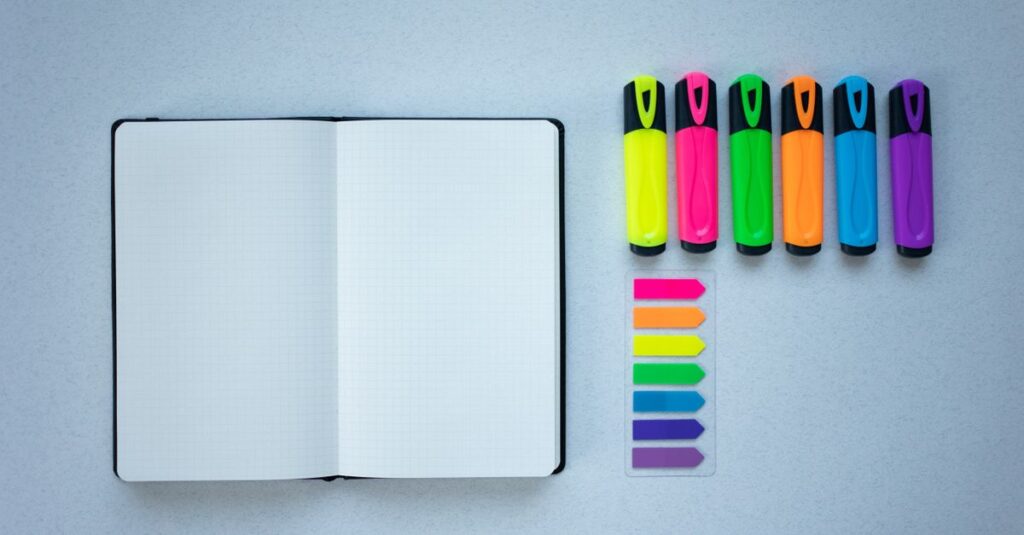
Okay, let’s get this out of the way first. A journaling notebook is not just a stack of paper with a pretty cover. If you’ve ever spent twenty minutes in a store trying to choose one — you know this. It feels good, or it doesn’t. The pen glides, or it catches. The book lays flat, or it fights you for every word. That’s the part nobody says out loud: buying a notebook is a tiny act of faith. You’re trusting this object to hold your thoughts, your plans, the things you don’t say to anyone else. And most of the cheap ones feel like they’ll betray you halfway through.
I’ve been making notebooks for nearly four decades. The number one thing I hear from corporate buyers, school procurement managers, anyone ordering in bulk? ‘We just need it to be functional.’ But then they get a sample that’s flimsy, or the paper bleeds, and the whole order feels like a waste. It’s not about being fancy. It’s about not letting the tool get in the way of the work — whether that’s a student’s notes, an accountant’s ledger, or a manager’s daily log.
Anyway. I’m getting ahead of myself. If you’re looking for a reliable notebook manufacturer for your school, office, or wholesale business, you need to know what you’re actually paying for. Because the devil, as they say, is in the details you can’t see until it’s too late.
Paper Quality: The Thing Nobody Talks About (Until It’s a Problem)
Look. You can print the most beautiful custom cover, but if the paper inside sucks, the whole thing is a write-off. Literally.
Paper weight — the GSM — is the first thing. 54 GSM is standard for writing paper. It’s thin enough to keep a book from becoming a brick, thick enough that a ballpoint won’t ghost through to the other side. But here’s the headache, honestly: GSM is only half the story. The finish matters just as much. You want a slightly smooth finish, not glossy. Glossy paper makes ink sit on top and smudge. A smooth, matte finish lets the ink bite in just enough.
I was talking to a college administrator last month — she was ordering custom planners for the faculty. She said the last batch she got from another supplier felt ‘greasy.’ The pens skipped. The faculty complained. It wasn’t the pen’s fault. It was cheap paper with the wrong coating. A tiny manufacturing shortcut that ruined the entire user experience.
A Tuesday Morning in Rajahmundry
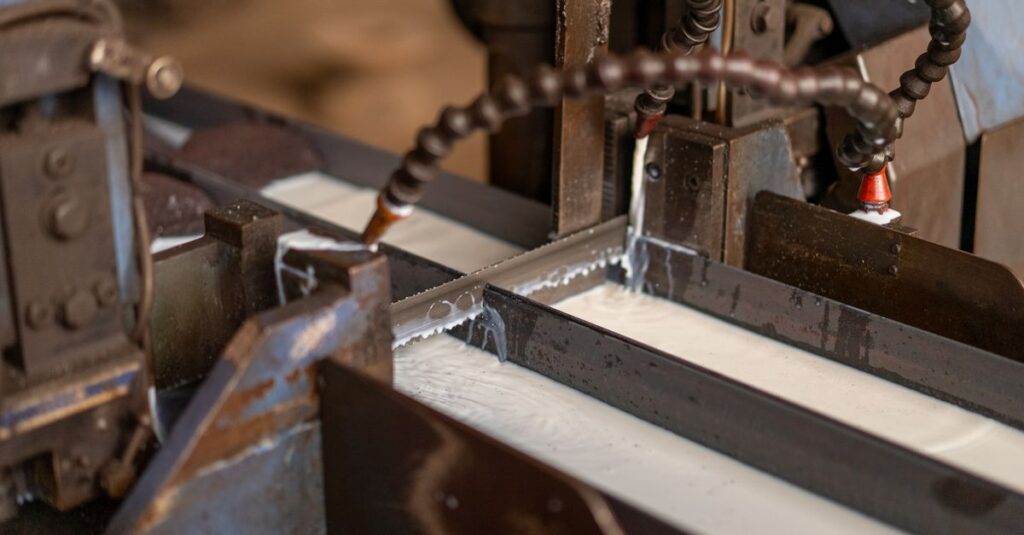
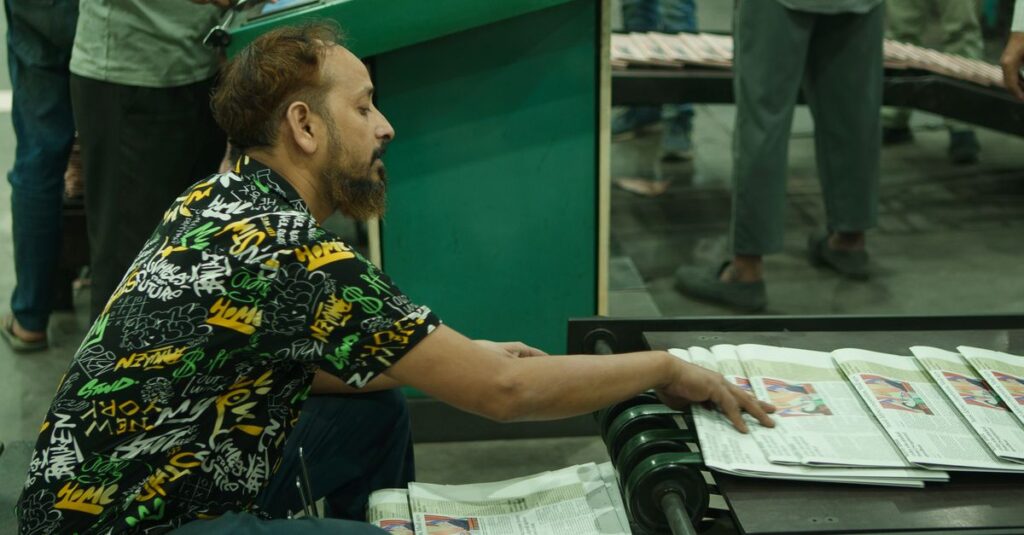
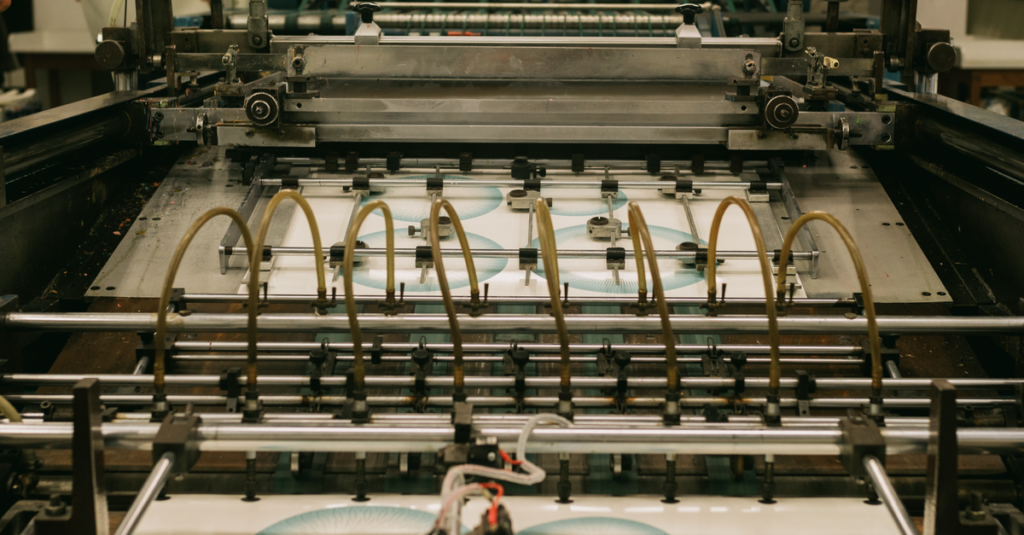
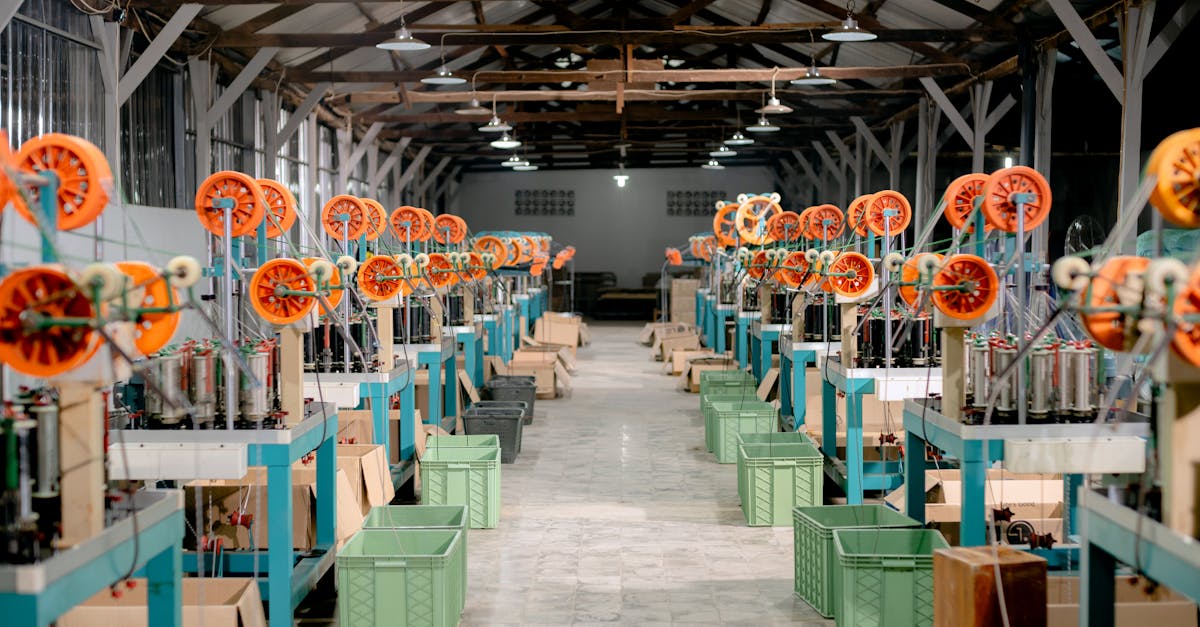
Let me drop you into our factory for a second. It’s a Tuesday, I think. Maybe Wednesday. The humid air from the Godavari river hangs a bit, which we actually have to account for in paper storage. There’s a guy named Ravi who’s been running the cutting machine for fifteen years. He’s checking the grain direction of the paper before a big sheet goes under the blade. If you cut against the grain, the pages will curl later. Nobody buying 10,000 notebooks for a school district will know to check for that. But Ravi does. Because if he doesn’t, those notebooks will warp in a humid classroom. That’s the kind of thing you get after 40 years, or you don’t get at all.
Most people don’t realize is that paper is alive, in a way. It reacts. To humidity, to pressure, to the chemicals in different inks. Getting it right isn’t a specification; it’s a conversation between material and machine.
Binding: Where Your Notebook Either Lives or Falls Apart
This is where a journaling notebook proves its worth. The binding is the spine of the whole operation.
Three main types you’ll see:
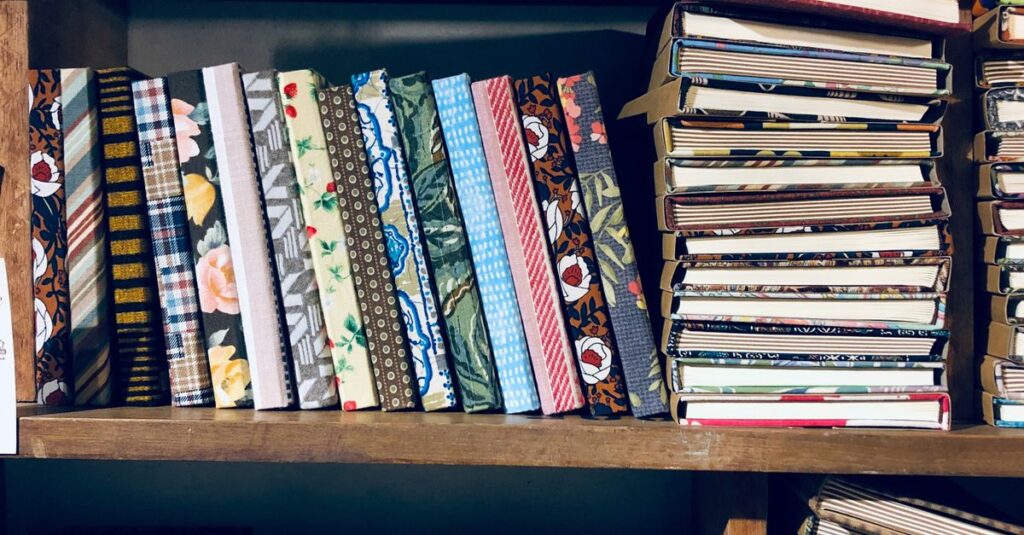
- Stitched Binding: Classic. Thread sewn through the folded sections (signatures). Durable, lies flat when broken in. This is what you want for a journal that’s going to get heavy use. It’s what we use for most of our school and account notebooks. It feels substantial.
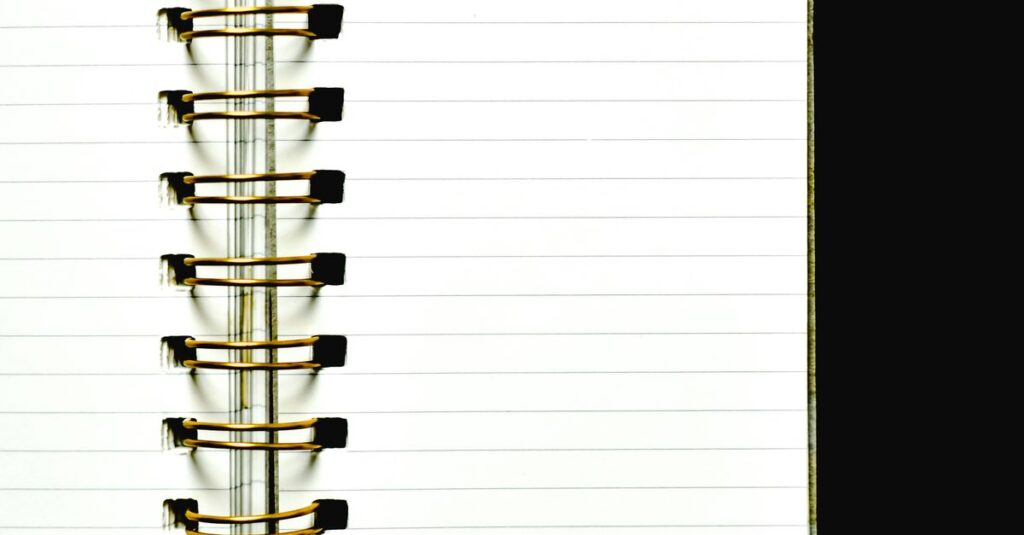
- Spiral Binding: The metal or plastic coil. Lays perfectly flat from page one. Great for sketchbooks, manuals, anything you need to fold back on itself. The downside? The coils can get bent in transit if the packaging isn’t robust. We see this a lot with international orders.
- Perfect Binding: That glued spine you see on paperback books and many corporate diaries. It gives a clean, professional look. But — and this is a big but — cheap glue cracks. A perfectly bound notebook that isn’t made with strong, flexible adhesive will start shedding pages after a few months of being opened and closed.
The choice isn’t about cost first. It’s about function. A student cramming for exams needs a book that won’t crack when shoved in a backpack. A corporate gift diary needs to look sleek on a desk. A warehouse manager’s logbook needs to survive being dropped. Different problems, different bindings.
| Feature | Stitched Binding | Spiral Binding |
|---|---|---|
| Lay-Flat Ability | Good (after breaking in) | Excellent (immediate) |
| Durability | Very High | Moderate (coil can bend) |
| Page Count Suitability | High (52 to 700+ pages) | Low to Medium (best under 200) |
| Professional Look | Traditional, sturdy | Functional, casual |
| Common Use | School notebooks, account books, journals | Drawing books, manuals, notepads |
Customization: Your Brand, Not Just Your Logo
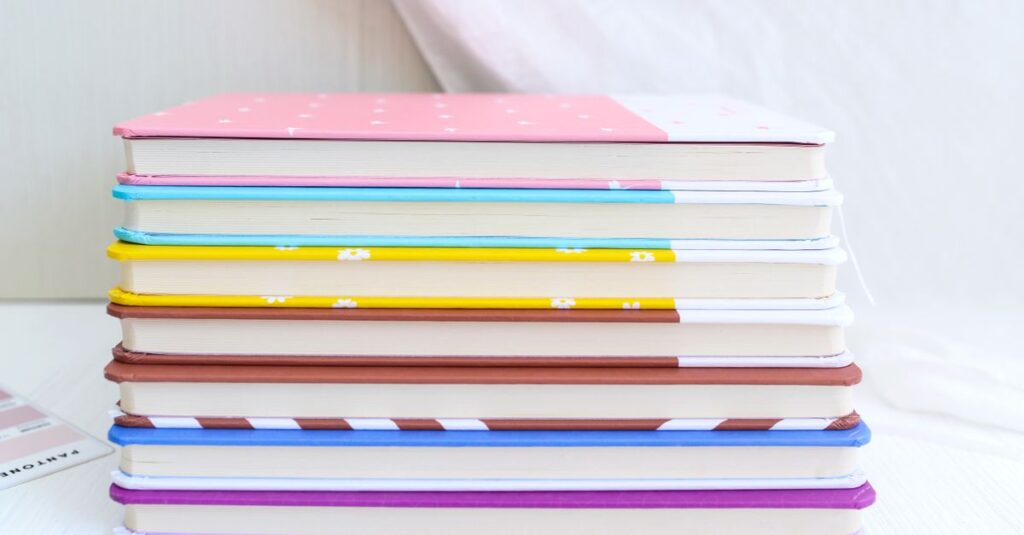
When businesses come to us for custom printing services, they usually start with the logo. ‘Just slap our logo on the cover.’ Sure. We can do that in our sleep. But the real value — the thing that makes a custom journaling notebook actually useful for a team or a promotion — is inside.
Think about page layout. A sales team might need a weekly spread with sections for leads, follow-ups, and metrics. A project manager might need a grid for timelines and a blank margin for sketches. A teacher might need a gradebook layout. That’s customization. It’s not just branding; it’s building a tool that fits the job.
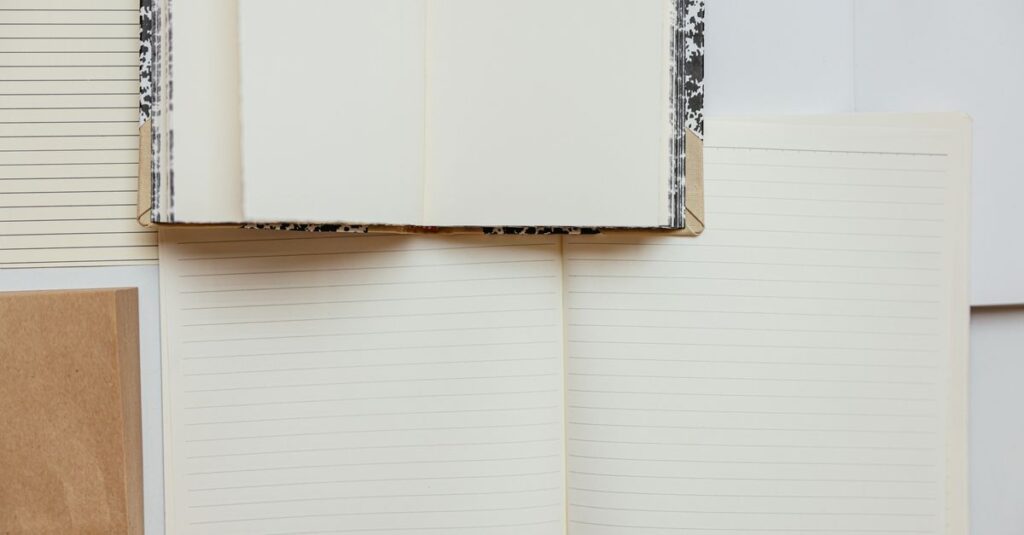
We can do custom rulings (single, double, four-ruled, cross-ruled, you name it), pre-printed headers, page numbers, even specific paper for fountain pens if that’s what your audience uses. The cover gets the attention, but the page is where the work happens.
Expert Insight
I was reading something last month about product design, and one line stuck with me. The writer said the best tools feel like an extension of the user’s hand. They disappear. A chef doesn’t think about the knife’s balance; they think about the cut. A writer shouldn’t have to think about the notebook; they should just write. Our job as manufacturers is to build that invisible reliability. To make the tool so good it gets out of the way. I don’t have a cleaner way to put it than that. And honestly? Most bulk suppliers aren’t thinking on that level. They’re thinking about cost-per-unit and hitting a shipment date.
The Bulk Buy Conundrum: Cost vs. Quality vs. Trust
If you’re a procurement manager for a school district or a corporate stationery buyer, you’re stuck in the middle. The finance department wants the lowest cost. The end-users — teachers, employees — want something that works and feels decent. And you’re the one who gets the emails when the pages fall out.
So how do you evaluate? Three things. Actually, maybe four.
First, ask for physical samples. Not just a cover mockup. A full, bound, finished sample from a production run. Write in it. Tear a page out roughly (check the binding strength). Leave it in a warm place for a day (check for glue smell or warping).
Second, ask about paper source. Consistent paper supply matters more than you’d think. If a manufacturer is buying whatever scrap paper is cheapest that month, your order in June might feel completely different from your order in December.
Third, capacity. Can they actually handle your order size and timeline without cutting corners? We run about 30,000 to 40,000 bound notebooks a day. That scale means we can commit to large school or government tenders and actually deliver. A smaller shop might promise the moon and then scramble, and quality is the first thing to go when they scramble.
Fourth — and this is the intangible one — transparency. Do they explain their process? Can you visit? Do they talk about the challenges, or do they just say ‘yes’ to everything? The more complex your custom needs, the more you need a partner, not just a vendor.
FAQ: The Questions We Actually Get
Frequently Asked Questions
What is the best paper GSM for a journaling notebook?
For everyday writing with ballpoints, gel pens, or pencils, 54-70 GSM is the sweet spot. It’s thick enough to prevent bleed-through, thin enough for a high page count without the book becoming too bulky. For fountain pens or heavy markers, you’d want to go up to 80-100 GSM.
Can you print custom layouts inside a notebook?
Absolutely. This is where custom notebook manufacturing gets interesting. We can pre-print any ruling (like cross-ruled for accounting), headers, page numbers, calendars, or even specific forms and charts on every page. It turns a generic notebook into a tailored tool for your team.
What’s the minimum order quantity for custom printed notebooks?
It varies, but for custom cover printing and branding, we typically start at 500 pieces. For fully custom interior layouts, the minimum might be higher (around 1000) because of the press setup. For truly bespoke projects, we work it out case-by-case.
How long does it take to manufacture a bulk order of notebooks?
For a standard bulk order (say, 10,000 units of an existing design), production is about 7-10 days. For a new custom design, add 5-7 days for sample approval and setup. Then factor in shipping. Always plan for a 3-4 week total timeline for a smooth process.
Do you export journaling notebooks internationally?
Yes, regularly. We ship to the Gulf, Africa, the US, UK, and other markets. The key is packaging — we use reinforced cartons and palletize shipments to prevent damage from the coil binding getting bent or covers getting scuffed in transit.
So, What Are You Actually Buying?
Let’s be direct. When you order 5,000 journaling notebooks, you’re not buying paper and glue. You’re buying consistency. You’re buying the guarantee that notebook #4,567 will perform exactly like notebook #1. You’re buying the silent engineering that prevents curling pages and cracked spines. You’re buying the years of knowing that paper from Mill A behaves differently under our cutter than paper from Mill B.
For a student, it’s just a notebook. For a procurement manager, it’s a calculated risk. My job is to make that risk as close to zero as possible. I don’t think there’s one perfect notebook for everyone. Probably there isn’t. But there is a right notebook for a specific need, and a right way to build it so it doesn’t fail the person who uses it.
If you’ve read this far, you’re probably past the ‘lowest bidder’ stage. You’re looking for a supplier that understands the weight of what they’re making. Not just in grams, but in trust. Maybe it’s time to talk to someone who’s been doing this since 1985. Let’s see what we can build.