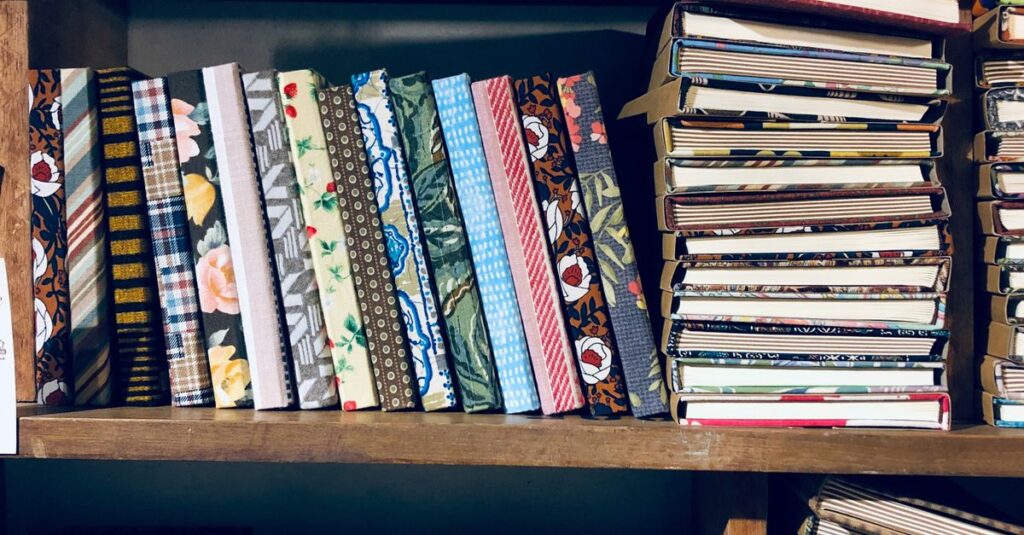
Why India for Notebook Manufacturing?
If you're sourcing notebooks from India for the first time, you're probably overwhelmed by the options. I've seen it happen — buyers land in Hyderabad, spend a week visiting factories, and leave more confused than when they arrived. That's exactly why I put together this Notebook Export from India: Complete Guide for International Buyers. India has been making paper products for decades. The paper industry here is old, messy, and surprisingly good. But not every factory is the same. And the difference matters more than most buyers realize.
Look, I'll be direct. The reason companies like Sri Rama Notebooks get repeat orders from the Gulf, Africa, and Europe isn't just price. It's consistency. That's something you can't see in a brochure.
What International Buyers Look For — and What They Miss
Most buyers focus on one thing: the per-unit cost. And I get it — margins are tight. But I've watched people save two cents per notebook and lose a whole container because the binding failed in humid weather.
Here's an example. Take Rajesh, 52, from Rajahmundry. He runs a small stationery shop, but three years ago he started importing from us for his local distributor network. Last month he told me: 'I thought China was cheaper. But after shipping delays and paper quality issues, India makes more sense.' He wasn't trying to sell me anything. He was just frustrated — and relieved.
Expert Insight
I remember talking to a buyer from Nigeria in 2019. He was dead set on spiral binding because it looked modern. I had to explain that in tropical humidity, spiral metal can rust. That conversation stuck with me. Not because I was right — but because he later came back and said, 'You were the only one who warned me.' Most factories will say yes to anything. The ones that push back a little? Those are the ones worth trusting.
The question isn't whether Indian manufacturers can deliver. It's whether you're asking the right questions before placing that first order.
Binding Types: What Works for Export
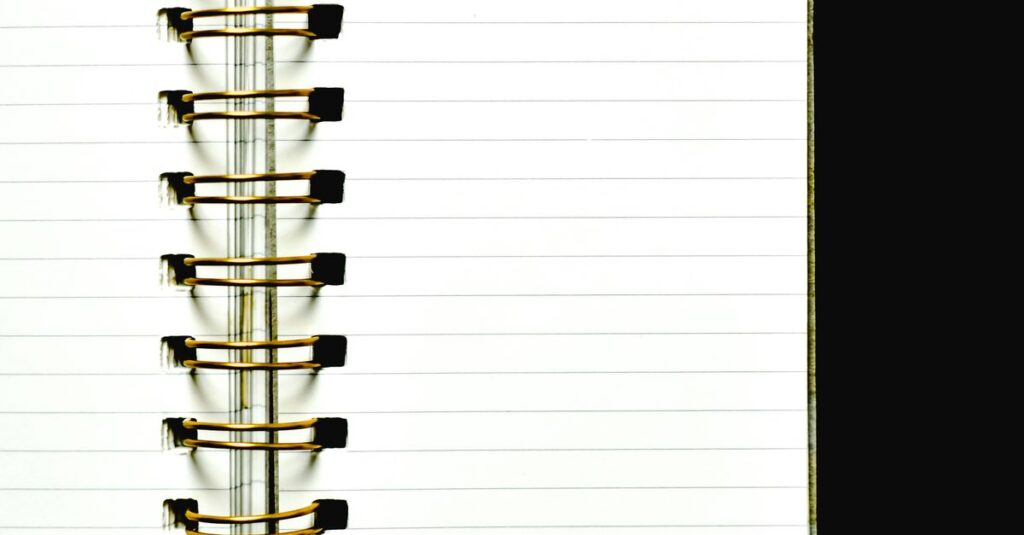
The binding is where most quality problems start. You can have the best paper and the fanciest cover, but if the binding breaks after a month, your reputation takes the hit. Here's a quick comparison of the three main binding types we use.
| Binding Type | Durability | Best For | Risk in Humid Climates | Cost |
|---|---|---|---|---|
| Stitched | High — lasts years | School notebooks, diaries | Low — no metal | Moderate |
| Spiral | Medium — can rust | Corporate diaries, planners | High — metal coils rust | Low |
| Perfect | Medium — pages can fall out | Notebooks with thin covers | Medium — glue softens in heat | Lowest |
For export orders, especially to hot or humid regions, stitched binding is usually the safest bet. But don't take my word for it. Ask for samples and test them yourself.
The Manufacturing Process — What Actually Happens
Here's something most guides don't tell you: the timeline. Not the official one — the real one.
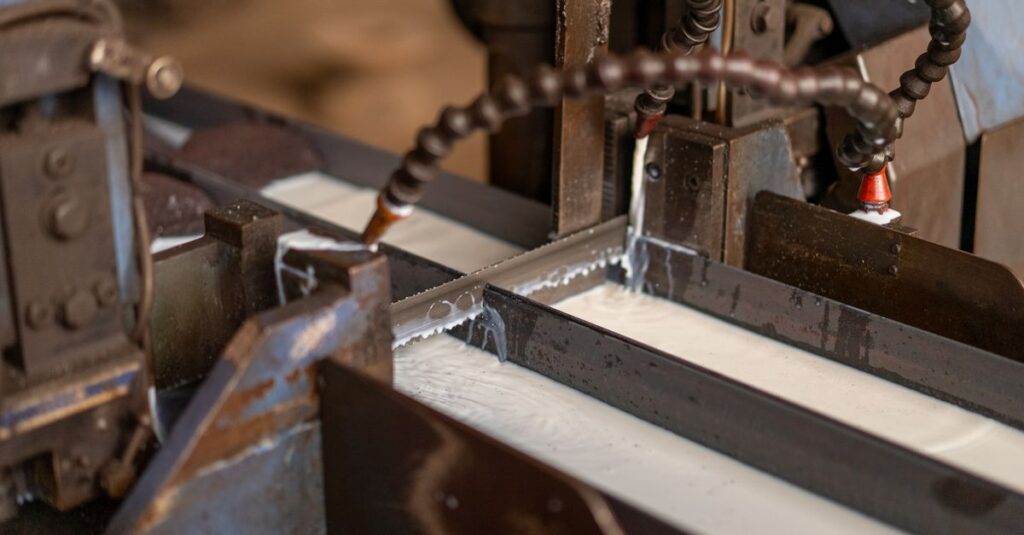
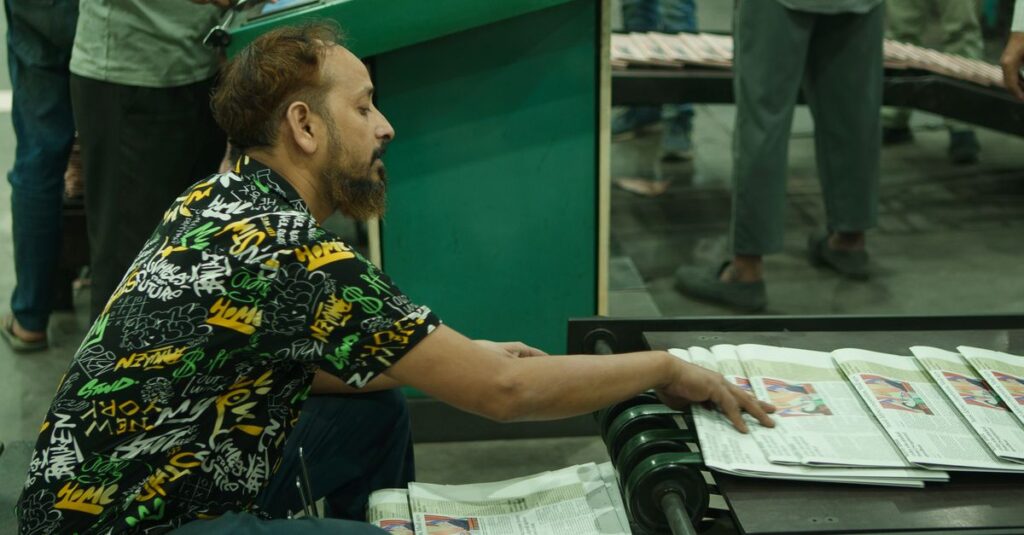
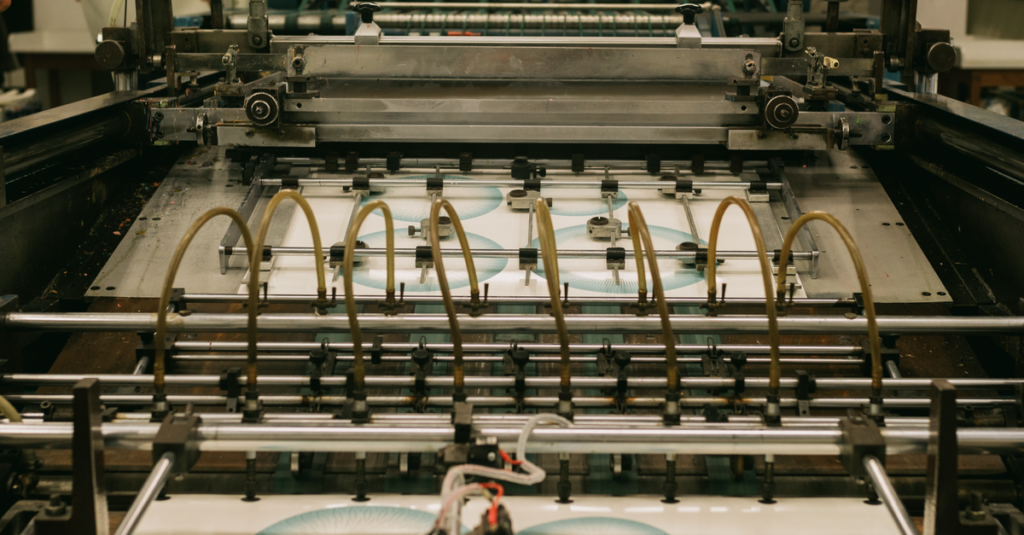
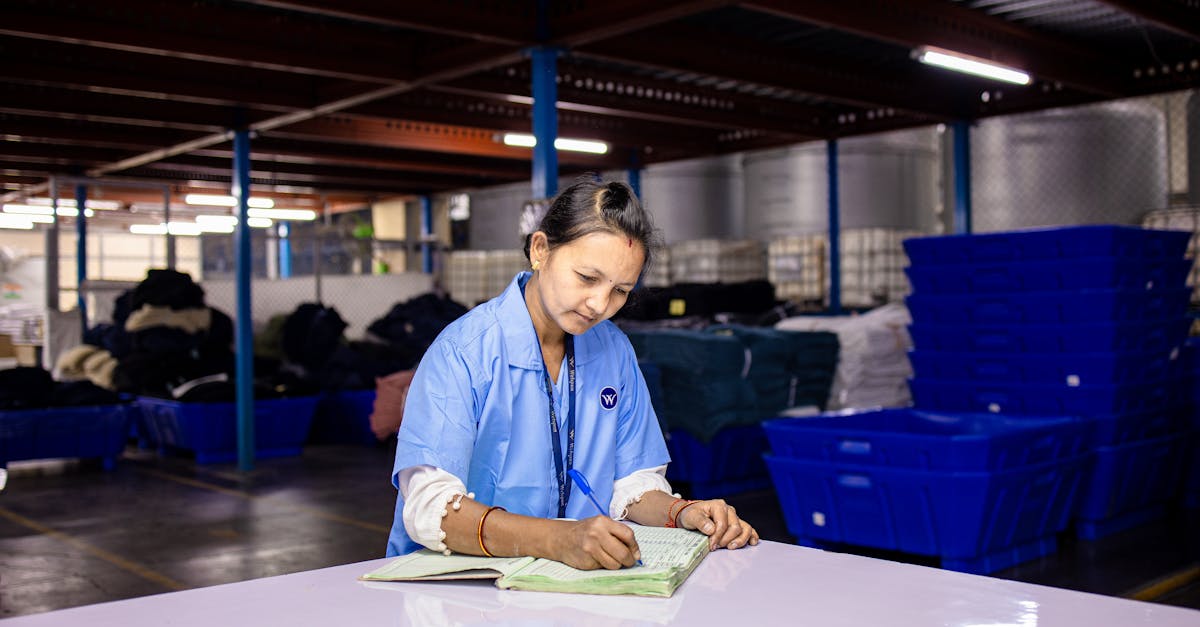
When we get an order for 50,000 notebooks, here's how it goes. First, paper sourcing. 54 GSM is standard for writing, but some buyers want 70 GSM. That means waiting for the mill to run the right stock. Then printing — offset for large runs, digital for smaller custom jobs. Then folding, collating, binding. The slowest part is drying time for stitched books. You can't rush it.
And then there's packing. For export, you need export-grade cartons — double-wall, strapped, labeled. One mistake in labeling can hold up customs for a week.
I once had a client who wanted his order in 15 days. We told him 30. He found another factory that promised 15. Six weeks later, he came back to us. The other factory delivered late — and the cover design was smudged. That's not a story I tell to scare you. It's just how manufacturing works when people overpromise.
Customization Options: What's Actually Possible
Customization isn't just about putting a logo on the cover. It's about getting the paper quality, ruling pattern, binding, and packaging to match your market. Here's what most international buyers don't realize: you can order notebooks with
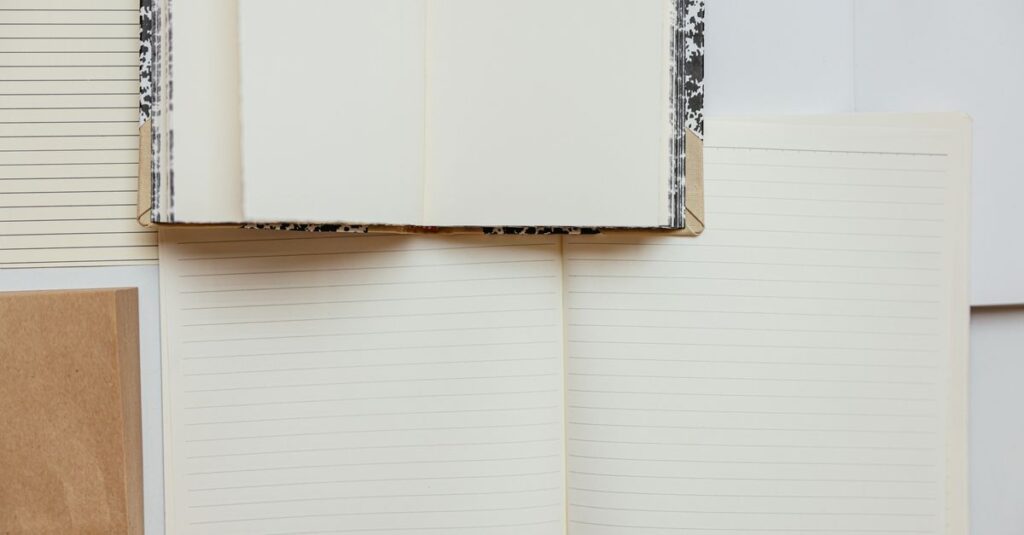
- Custom ruling (single, double, four-ruled, cross)
- Private label branding with your own SKU
- Foil stamping or embossing on the cover
- Custom page count — 52, 92, 200, 320 pages
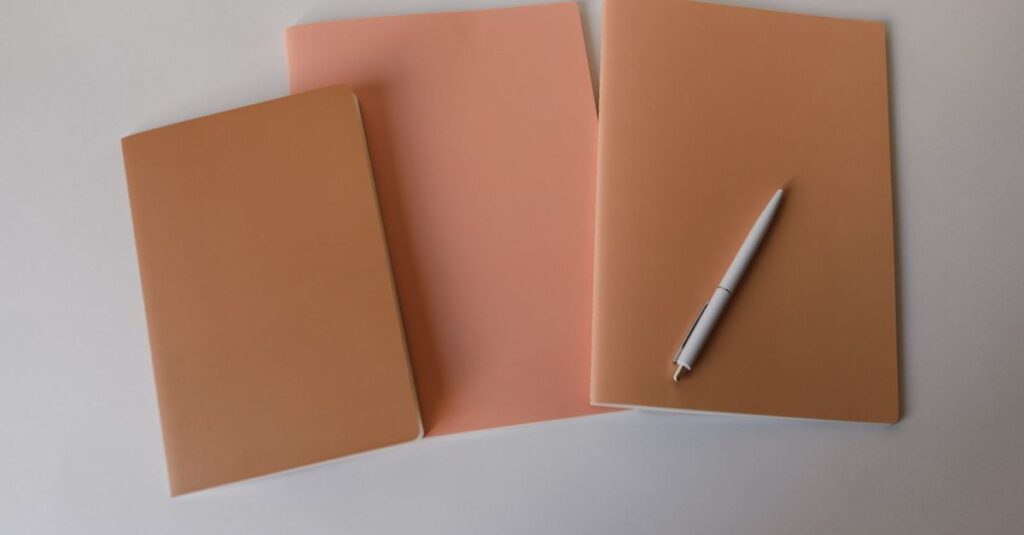
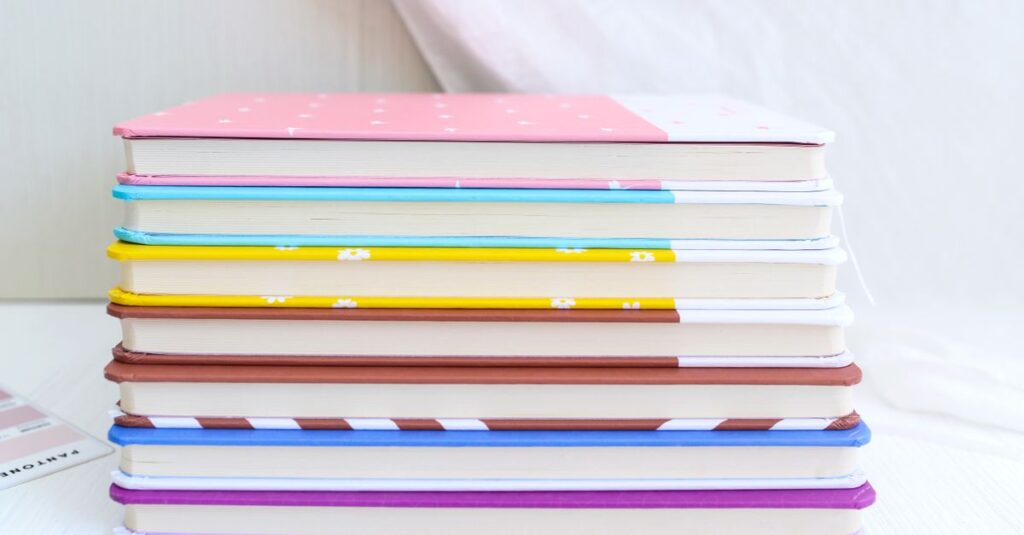
- Different sizes: King, Long, Short, A4, A5, Crown
We produce 30,000 to 40,000 notebooks daily at our factory in Rajahmundry. That means we can handle bulk orders without slowing down. If you're looking for something specific — like a notebook with a built-in bookmark or rounded corners — just ask. We've done weird requests before. Chances are, we can do yours too.
Contact us for a quote — or better yet, send us your spec sheet and we'll tell you honestly if it makes sense.
Quality Control — What You Should Expect
Every batch we export goes through a three-stage check. First, during production — random samples every hour. Second, after binding — we open 1% of the cartons and flip through every notebook. Third, before loading — we check the carton condition and labeling.
But here's the thing: even with all that, stuff happens. A batch might have a slightly crooked cut. Or the glue sets faster in winter. That's why I always recommend buyers request a pre-shipment sample from the actual production run. Not a handmade mockup — the real thing.
I remember a buyer from Kenya who insisted on a video call during loading. We did it. He saw the cartons being packed. That trust goes both ways.
Frequently Asked Questions
What is the minimum order quantity for notebook export from India?
Most factories require at least 5,000 to 10,000 notebooks per order. At Sri Rama Notebooks, we can work with smaller quantities for first-time buyers, but the per-unit cost will be higher.
How long does production take for an export order?
Typically 30 to 45 days from order confirmation. Rush orders are possible but depend on paper availability and existing production load. Always add 2 weeks for shipping.
Do you ship to [my country]?
We export to Gulf countries, Africa, USA, UK, Europe, and Australia. If your country isn't listed, ask. We've shipped to places we hadn't heard of before.
Can I get samples before placing a bulk order?
Yes. We can send a few sample notebooks with your chosen specs. You pay for shipping; the samples are free. It's the best way to check quality before committing.
What payment terms do you accept for international buyers?
We typically work with a 30% advance and 70% against shipping documents (L/C or T/T). For established partners, we can discuss more flexible terms.
Conclusion
Here's what I want you to remember. One: don't choose a supplier based only on price. Two: ask about binding and paper quality — that's where most problems hide. Three: request samples from the actual production run, not a prototype.
I don't have a perfect checklist. Nobody does. But if you're serious about notebook export from India, the first step is actually talking to a manufacturer who's done this before. Sri Rama Notebooks has been at it since 1985. We've seen fads come and go. And we're still here.