Notebooks Don't Just Appear on Shelves
You order two thousand notebooks for your school. You expect them to arrive. But have you ever stopped to think about how they get made — really made? I mean, you're not just buying paper and cardboard. You're buying the result of a process that looks nothing like what most people imagine.
I've been inside this factory for 40 years. And honestly? The way how large scale notebook manufacturing actually works surprises almost every buyer I talk to. They assume some giant machine spits out finished notebooks in minutes. It doesn't. Its messy, precise, and occasionally infuriating. Let me show you.
If this sounds familiar, Sri Rama Notebooks has been doing this since 1985 — I think we know the shortcuts and why they fail.
Step 1: Paper Doesn't Lie — But Suppliers Do
The very first thing that happens? Someone buys paper. And this is where most of the problems start. There are dozens of mills selling notebook paper in India. Some are honest. Some will sell you 52 GSM paper that feels like 48 GSM by the time it reaches your binder.
We use only 54 GSM writing paper for standard notebooks. Thats the sweet spot — smooth enough to write on, thick enough that ink doesnt bleed. But heres the thing: GSM is just a number. What matters is how the paper behaves on the press.
What We Actually Check Before Cutting
- Bulk — how many sheets fit in a cm
- Caliper — actual thickness
- Sizing — how well the surface holds ink
- Moisture content — too dry and it cracks; too wet and it jams
I remember once we got a truckload from a new supplier. Looked fine. But when we ran it through the cutting machine, the edges frayed like old rope. We sent it back-traced it to a mill that had changed their pulp supplier. Nine times out of ten, its the paper. Not the machine.
Expert Insight
I was reading something last month — no, it must have been years ago — some industry report about paper sourcing in Asia. One line stuck with stuck with me: 'The best paper feels like it has nothing to prove.' I don't know who wrote it. But it's true. Cheap paper tries too hard to look good. Good paper just works.
Step 2: Printing — Where Most Notebooks Go Wrong
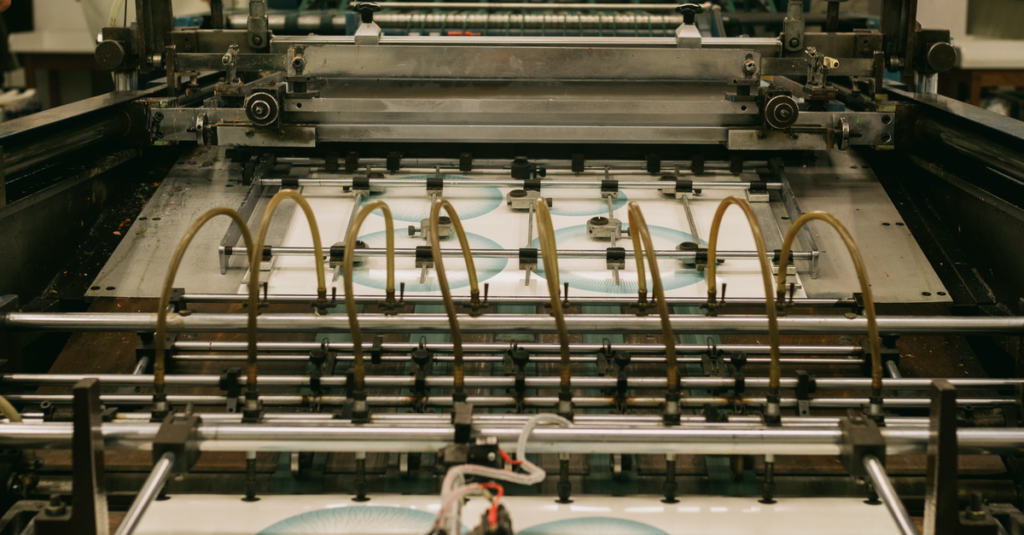
Printing isnt just slapping ink on paper. Not if you want it to last. For large scale notebook manufacturing, you need offset printing — fast, consistent, and reliable. Digital looks fine for small batches, but for 30,000 notebooks? No chance. The quality drops after the first thousand.
We use Heidelberg machines. Old, yes. But they dont break. And when they do, we fix them ourselves. Thats the advantage of having mechanics on site instead of calling a service guy from Hyderabad.
Let me tell you about a customer. Ravi, 42, school principal in Kakinada. He ordered 5,000 notebooks from another supplier. The covers were misaligned by 2mm. Every single notebook. He had to give them out anyway because school started. He told me later: 'I could see the crooked print every time I looked at a childs desk. It drove me crazy.'
Thats why we register every plate individually. It takes extra time. But misregistration is the kind of mistake you can't unsee.
Step 3: Binding — Stitched, Spiral, or Perfect?
Binding is where notebooks become notebooks. Without it, you just have a pile of loose paper. The choice of binding depends on who's using it. School children? Stitched. Corporate diaries? Perfect or spiral.
Here's a comparison table that might help you decide:
| Binding Type | Durability | Cost per unit | Best For |
|---|---|---|---|
| Stitched | High — lasts years | Low | School notebooks, exercise books |
| Spiral | Medium — wire can bend | Medium | Corporate diaries, notebooks for note-taking |
| Perfect | High — glued spine | Medium-High | Hardcover diaries, account books, premium gifts |
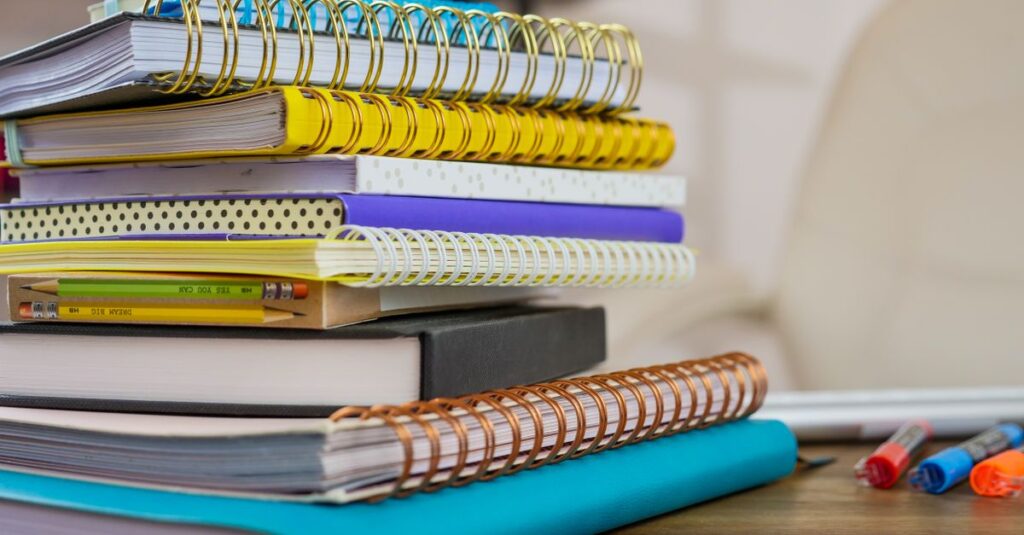
Each has its quirks. Stitched binding requires saddle stitching with wire — fast but needs precise alignment. Spiral binding uses a coil, which means you can fold the notebook back, but the wire can snag on bags. Perfect binding is clean and professional, but if the glue is cheap, pages will fall out within a month. We test every batch by pulling random samples. I've seen perfect-bound notebooks from other factories where the cover came off after three days. That's not manufacturing. Thats carelessness.
Step 4: The Production Line — 30,000 Notebooks a Day
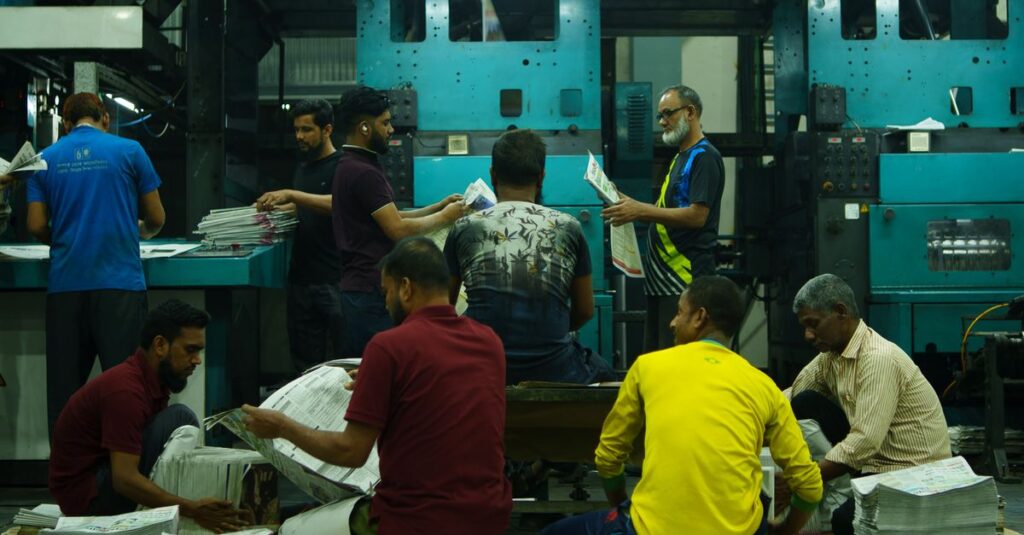
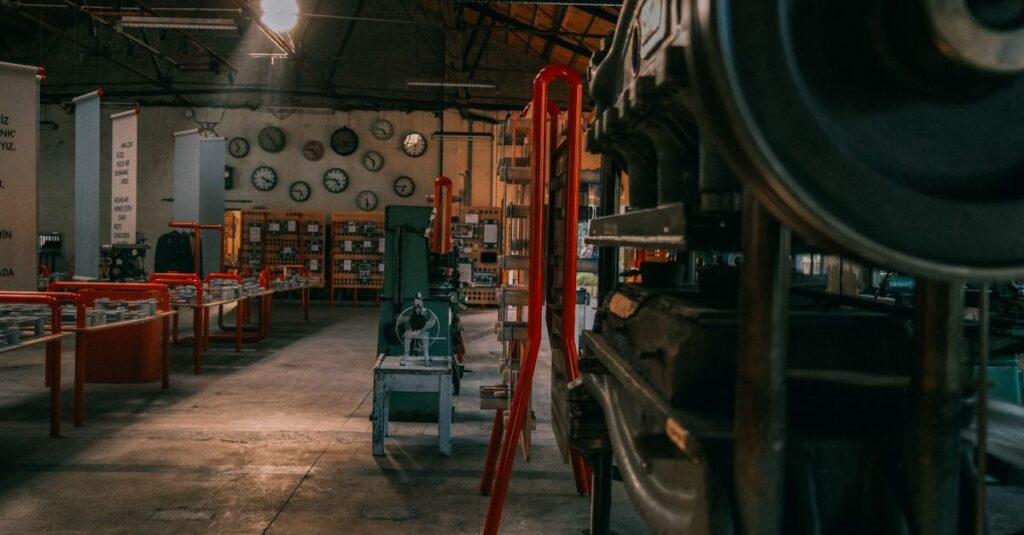
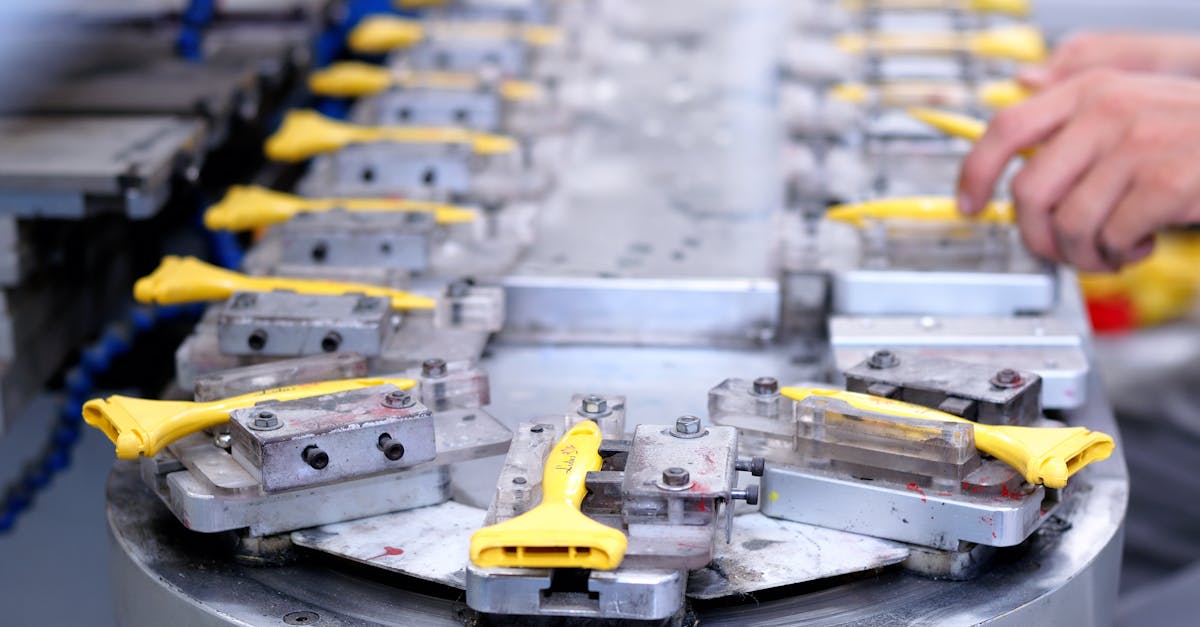
So how does a factory actually produce 30,000 to 40,000 notebooks daily? Not with magic. It's a line. Paper enters at one end, printed notebooks leave at the other. In between there are cutting machines, folding machines, printing presses, binding lines, and inspection tables.
Heres where it gets interesting. Most people think assembly lines run at a constant speed. They don't. They stop. A lot. Paper jams. Ink runs out. A machine overheats. The real skill isn't keeping the line moving — it's getting it started again quickly.
And honestly? The best workers aren't the fastest. They're the ones who spot a problem three seconds before it becomes a disaster. I've seen a 20-year veteran catch a misaligned stack by the sound it made. That kind of thing can't be taught. Its accumulated attention.
Anyway. Where was I. Right — the speed. From paper to packed notebook, it takes roughly 45 minutes for a single notebook to travel the line. But because we're making them in parallel, we finish one every couple of seconds. 30,000 notebooks means roughly 10 million pages cut, printed, folded, bound, and trimmed. Every day. No wonder the floor vibrates.
Step 5: Customization — Logos, Embossing, Foil Stamping
Bulk orders usually require branding. And this is where many buyers get surprised by the process. Adding a logo isnt just printing a file. You need plates, dies, sometimes multiple passes through the press.
We offer:
- Logo printing on covers (single or multi-color)
- Embossing (raised logo)
- Foil stamping (shiny foil) stamping
- Custom cover design and layout
- Private label / OEM — your brand, our manufacturing
Each type requires different preparation. Foil stamping, for example, needs a heated die that presses the foil onto the cover. It looks great but adds a day to the setup. Embossing is similar but without foil — just raised letters. For schools, usually a simple logo print is enough. For corporate clients, we often recommend a combination of embossing and foil. It makes the notebook feel substantial.
I remember one client from Dubai — he wanted gold foil on black leather covers. He sent a design that was impossibly thin lines. The foil would have torn. We had to call him and explain. He didn't believe us until we sent a photo of a test. Some things you just can't rush.
Step 6: Quality Control and Packing for Export
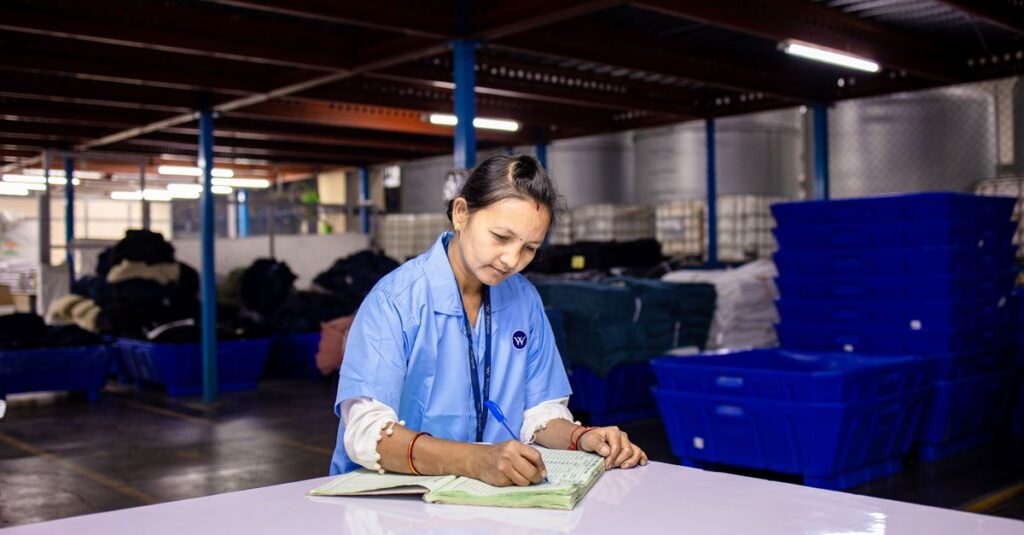
Last step isn't packing. Its checking. Every day we pull random samples from the line and run them through a checklist. Page count. Cutting tolerance. Binding strength. Ink density. If even one fails, we stop the entire batch and recheck every pallet.
For export orders, the standards are even stricter. Notebooks going to Europe or the USA need to meet specific sizing, paper weight, and packaging requirements. Sometimes they want shrink wrap, sometimes polybags. Each destination has its own quirks.
We ship to Gulf, Africa, USA, UK, Europe, and Australia. And trust me — customs rejections are a nightmare. So we pack carefully. Double-wall cartons, strapping bands, moisture-proof liners for tropical countries. It's not glamorous. But it means the notebooks arrive looking exactly as they left.
I wish I could say every batch is perfect. It's not. But we catch the imperfections before they leave the factory. That' the difference between a manufacturer who ships mistakes and one who fixes them.
Frequently Asked Questions
What is the minimum order quantity for custom notebooks?
For printed logo notebooks with logo, we typically require 500 pieces. For plain notebooks without customization, we can accept smaller quantities starting from 200 pieces. Contact us for exact numbers based on your needs.
How long does it take to manufacture bulk notebooks?
For orders of 5,000 notebooks or less, production usually takes 10-15 working days after paper and design approval. Larger orders may need 20-25 days. Rush orders are possible if we have paper in stock.
What paper GSM do you recommend for school notebooks?
For school notebooks used by children, 54 GSM is ideal. It's thick enough to prevent ink bleed but light enough to keep the notebook portable. For account books or diaries, we recommend 70 GSM or higher.
Can I get spiral bound notebooks with my company logo?
Yes. We manufacture spiral bound notebooks with custom logo printing on the cover and occasionally on each page. Spiral binding available in various wire colors and capacities up to 200 sheets.
Do you export notebooks to other countries?
Yes, we export to Gulf countries, Africa, USA, UK, Europe, and Australia. We handle customs documentation and shipping. Minimum export quantity is usually 1,000 notebooks per design.
So What Does All This Mean for Your Order?
Here's what I think matters. First: paper quality is non-negotiable. Second: binding type should match your use case, not the cheapest option. Third: real manufacturing takes time — anyone promising 48-hour delivery for 10,000 notebooks is cutting corners.
I don't have a clean answer for which binding is best for every customer. It depends on your budget, how long you want the notebooks to last, and whether they'll be used daily or occasionally. Thats why we still pick up the phone.
If you're ordering in bulk, Sri Rama Notebooks can walk through your options. No pressure. Just honest answers.