


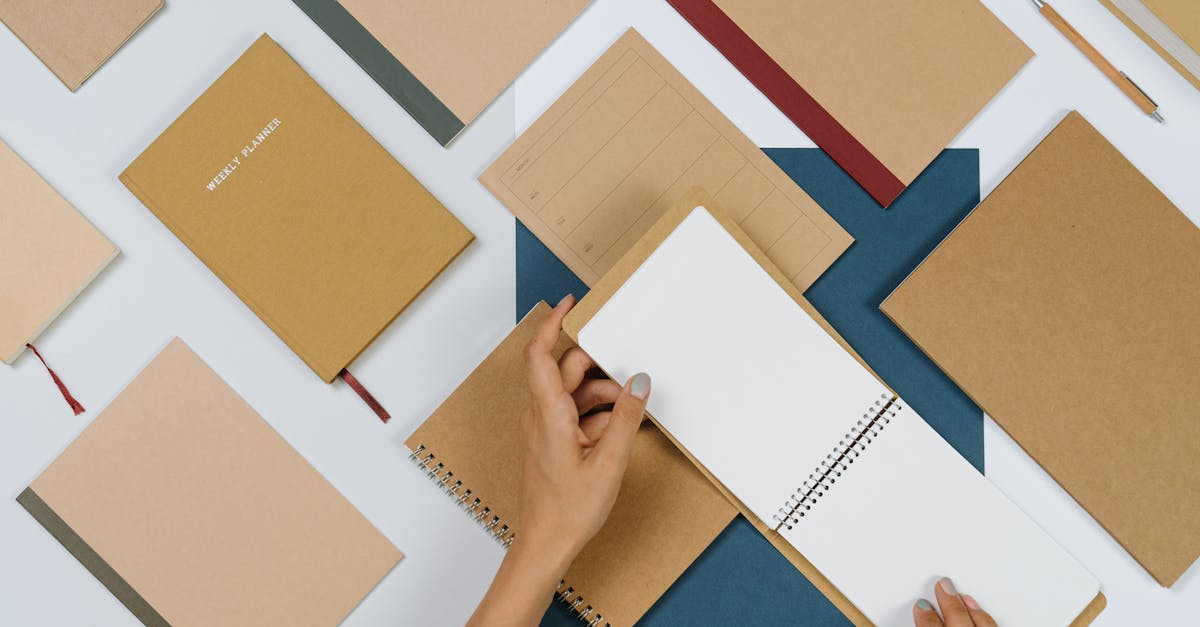
Why Most Notebooks Aren’t Sustainable (And Why That’s Changing)
I've been in this industry since before people cared about sustainability. Honestly, most school notebooks are made the same way they were thirty years ago. But that's changing — and not because of pressure from activists. Buyers are asking real questions. They want to know where the paper comes from, what happens to the offcuts, whether the binding can last a school year without falling apart. That's what we mean by sustainable school notebook manufacturing solutions. Not a marketing phrase. A practical concern.
If that sounds like what you're dealing with, here's what we've learned after forty years of making notebooks.
What Sustainability Actually Means in Notebook Production
It's not one thing. It's a pile of decisions. Paper sourcing. Energy use. Waste. Even the ink on the cover.
Let me break it down:
-
- Paper: FSC-certified or PEFC certified paper — means the pulp comes from responsibly managed forests. Or recycled content paper. Either way, higher GSM isn't automatically better. A 70 GSM sheet that's bleached without chlorine is more sustainable than a 100 GSM sheet made with virgin pulp and toxic chemicals.
- Binding: Stitched binding lasts longer than spiral (less likely means fewer notebooks thrown away. But stitched uses thread (cotton, usually), while spiral uses metal or plastic. Trade-offs.
- Packaging: The shrink wrap. The cardboard. Some manufacturers use plastic that's not recyclable. We don't.
- Energy: Our factory runs partially on solar. That's not common yet.
None of this is perfect. But it's miles ahead of the alternative.
Expert Insight
I remember visiting a paper supplier ten years ago. The manager showed me a pile of trimmings taller than me — must have been three metres high. He said, completely casual, “We used to burn this.” Now they now recycle it into pulp. That stuck with me. One decision changes everything. Some factories still burn their offcuts. Others don't. Which side are you on?
The Misconception That Sustainable Notebooks Are Weaker
“Eco-friendly notebooks fall apart.” I hear this all the time. It's true — if you buy the cheap ones.
But that's not a sustainability issue. That's a quality issue.
A few months ago I spoke to Meera, 41, a school principal in Guntur. She told me she'd tried “eco-friendly” notebooks that fell apart by mid-term. “What's the point if they don't last?” she said. That's the real challenge. Durability and sustainability together.
Here's what most people don't realize: the same binding techniques that make a notebook last also make it sustainable. Stitched binding. Reinforced covers. Good paper that doesn't tear. If a notebook survives one student and gets reused by another, that's a win.
Anyway. The point is: I was talking to a procurement manager last week over coffee — not a formal meeting — and she said something I keep thinking about. “I don't care about the green label. I care about whether it lasts four months.” want both? That's what we aim for.
How to Choose a Sustainable Manufacturer: What to Look For
You can't just trust a stamp. Here's what I check:
- Certifications — FSC, PEFC, ISO 14001. Not guarantees, but clues.
- Waste policy — Ask what happens to paper trimmings and rejected loads, defective sheets. Burned? Recycled? Landfill?
- Binding quality — If they use cheap adhesive, the notebook won't last. Look for sewn or perfect binding with strong glue.
- Ink and coatings — Soy-based inks. Water-based varnish. Avoid PVC lamination.
- Packaging — Minimal, recyclable, no singleuse plastic.
And one more thing: ask about their energy source. Not many manufacturers in India run on renewables. We do. Partially. But it's a start.
Here's a comparison that might help:
Aspect Traditional Manufacturing Sustainable Manufacturing Paper source Virgin pulp, often unclear FSC certified or recycled Binding method Cheap adhesive (falls apart) Stitched or strong perfect binding Energy use grid electricity, no renewable Partial solar / energy-efficient Waste handling burned or landfilled Recycled back into pulp Packaging Plastic shrink wrap, non-recyclable Minimal, recyclable cardboard Durability Medium High Cost per unit Lower initially Slightly higher upfront, lower total cost (fewer replacements) < <>
The question isn’t whether you can afford sustainable. It’s whether you can afford the waste of cheap notebooks.
Real Talk: Sustainable Notebook Manufacturing in India
We're based in Rajahmundry, Andhra Pradesh — a small city with a lot of paper history. Most mills around here are old. Some are modern. We source from nearby mills that have FSC certification. That keeps transport emissions low, too.
But here's the truth: sustainable school notebook manufacturing solutions in India aren't standard yet. Most manufacturers don't bother. They compete on price. We compete on value — which includes durability and ethics.
I think about this a lot. If every school in India ordered notebooks that lasted one extra term, the waste reduction would be enormous. But that requires thinking beyond the next purchase order.
Anyway. Where was I.
Oh — one more thing. We also offer customisation. logo printing, custom covers, private label. All done with the same sustainable approach. If you want your school name on notebooks that are actually good? Check our product range.
Frequently Asked Questions
What are sustainable school notebook manufacturing solutions?
Sustainable manufacturing means using eco-friendly paper (FSC certified or recycled), durable binding that reduces waste, energy-efficient production, and minimal packaging. It focuses on longevity and lower environmental impact.
Are sustainable notebooks more expensive?h3>
Initially, they can be slightly higher per unit. But because they last longer, total cost over a school year is often lower. Fewer replacements mean savings for schools and distributors. It's value, not just price.
How can I verify a manufacturer's sustainability claimsh3>
Ask for certifications (FSC, PEFC, ISO 14001). Request details on paper sourcing and waste handling. Look for transparency. Many manufacturers claim “eco-friendly” without proof.
Do you offer customised sustainable notebooks for schoolsh3>
Yes. We print school logos, custom covers, and design inside layouts. All materials are chosen for sustainability — soy inks, recyclable covers, durable stitched binding. Contact us for bulk orders.
What is the minimum order quantity for sustainable notebooks?3>
We handle bulk orders starting from 500 notebooks. For schools chains or distributors, we can negotiate larger volumes. Custom orders may have slightly vary. Call us at +91-8522818651.
I don’t think there’s one perfect answer here. Probably there isn’t. But if you’ve read this far, you already know what you’re looking for — notebooks that don’t harm the planet and don't fall apart. That's not too much to ask. Get in touch with Sri Rama Notebooks — we've been making notebooks since 1985, and we're not stopping now.
Related Posts
 03 Aug
Creating a Book: What Goes Into Making a Notebook
The Paper: More Than Just SheetsHere's the thing about paper — most people don't care until it fails. I've seen it happe... 03 Aug
How to Create a Notebook: The Complete Process Explained
What Does It Take to Create a Notebook?You're probably here because you need to order notebooks — maybe for your school, your company, ... 03 Aug
What Is Covering Paper? A Guide for Notebook Buyers
Covering Paper: What It Actually MeansYou see it every time you pick up a notebook. That outer layer that takes the scuffs, the coffee ... 02 Aug
Copy Print Store Near Me: What to Look for Before You Order
Why Most Copy Print Stores Can't Handle Bulk OrdersYou type "copy print store near me" into Google. You get a list of sh... 02 Aug
Need a Copy Near Me Open Now? Here’s a Better Option
You know that feeling when you need a notebook – urgently – and every stationery shop you check is closed? I've been there. You ty... 02 Aug
Copy Companies: How to Choose a Notebook Manufacturer
Somewhere in your office there's a drawer full of notebooks nobody uses. I know because that's what happens when companies or... 02 Aug
Copy Classmate Notebooks: Bulk Buying Guide for Schools
If you're in procurement, the memo hits your desk every session. "Need 5000 copy classmate." It's practically a gen... 01 Aug
companies that publish books: What They Do and How They Work
Who Are These Companies That Publish Books?You'd think publishing a book is simple. You write something, find a printer, and boom ... 01 Aug
What Is a Combination Notebook? Guide for Bulk Buyers
What Exactly Is a Combination Notebook? You ever open a notebook and wish you had graph paper on the left and ruled on the right? That&... 31 Jul
Why a Colored Pages Notebook Might Change How You Work
What Exactly Is a Colored Pages Notebook?Let me ask you something. When was the last time you opened a notebook and felt something — an... 31 Jul
Why Colored Notebooks Work Better for Note-Taking
Why You Should Actually Care About Colored NotebooksYou've seen it a hundred times. A student walks into class. Pulls out a black ... 30 Jul
Coil Bound Books – What They Are & Why They Work
What Exactly Are Coil Bound Books?You've seen them a thousand times. Maybe in a student's backpack, or on a manager's de...📝 Enquiry FormScroll To Top