Why Educational Publishers Need Dedicated Workbook Printing Services
If you're an educational publisher, you already know this: printing student workbooks is a headache. Not because the demand isn't there — it's because most printers treat your order like any other notebook run. They don't get that workbooks need to lay flat. That the paper has to take highlighter without bleeding. That kids will bend them, drop them, shove them in bags. And the binding? It needs to survive a full semester. That's where dedicated Student Workbook Printing Services for Educational Publishers come in — and honestly? Most printers don't offer that. I've been in this business since 1985 at Sri Rama Notebooks, and I can tell you: the difference between a good workbook and a cheap one starts with who prints it.
What Makes Student Workbooks Different from Ordinary Notebooks
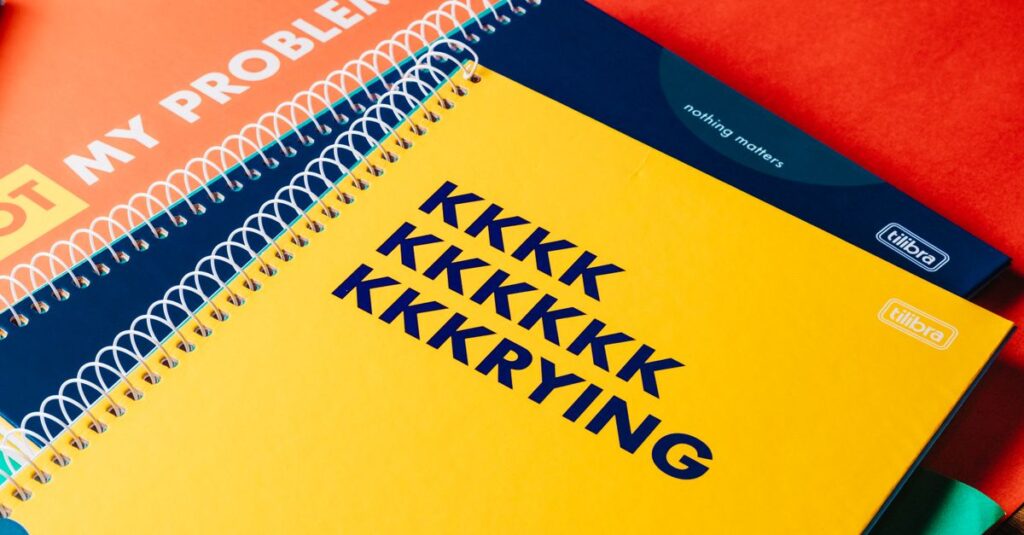
Let's start with the obvious. A student workbook isn't just a notebook with extra pages. It's a tool. Teachers design them with specific exercises — fill-in-the-blanks, matching columns, graphs, space for drawing. That means the layout matters. The paper needs to be smooth enough for pencils and pens, but strong enough to handle eraser marks. And the binding? It has to open flat so a kid can write on both sides without fighting the spine.
Here's the thing — most generic printers use whatever paper they have in stock. They don't think about bleed-through from markers. They don't test the binding before shipping. I've seen workbooks where pages start falling out after two weeks. That's a disaster for a publisher who has already sold those books to schools.
Paper GSM Matters More Than You Think
The standard for student workbooks is usually 70–80 GSM paper. Anything below 60 GSM and you're looking at ink bleeding through to the next page. Higher GSM adds weight and cost, which matters when you're ordering 50,000 copies. At Sri Rama Notebooks, we match the GSM to the workbook's use — thicker for early learners who use markers, standard for older students. It's not something most printers bother to discuss.
Binding That Survives a School Year
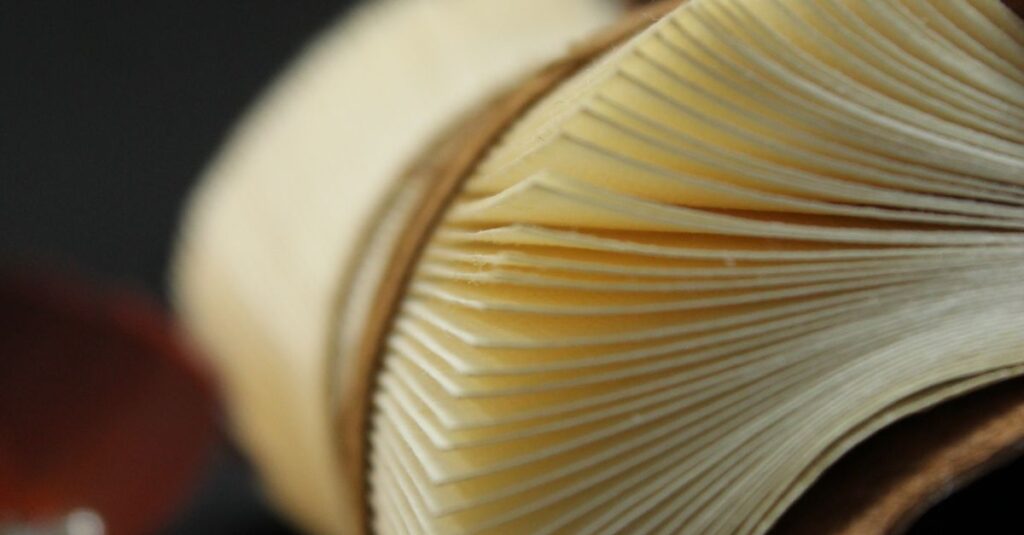
Workbooks get abused. Stitched binding works well for thin books, but for thicker ones you need perfect binding or spiral. Spiral allows the book to open 360 degrees — ideal for workbooks with space to write. But not all spirals are made equally. Cheap ones snap. We use reinforced spiral with thicker wire. Again, it's the little things that make the difference between a one-time order and a repeat client.
Which is… a lot to sit with. Because most publishers don't realize these details until it's too late.
The Hidden Costs of Choosing the Wrong Printer
I remember a call from a publisher in Chennai. He had placed an order for 10,000 workbooks with a local printer. Three weeks after delivery, teachers started complaining. Pages were coming out. The cover had a cheap laminate that peeled. He had to reprint everything — same spec, but with us. That cost him double. And he lost two months of sales.
That story isn't unique. I've heard it enough times now to know it's not coincidence. Publishers often choose the cheapest quote, thinking workbooks are just notebooks with lines. Then they pay the real price later — reprints, refunds, damage to their reputation with schools.
Comparison: Generic Printer vs. Educational Workbook Specialist
| Feature | Generic Printer | Educational Workbook Specialist (Sri Rama) |
|---|---|---|
| Paper GSM options | Limited to one or two | Custom from 60 to 120 GSM |
| Binding durability | Standard, no reinforcement | Stitched, spiral, perfect — all tested |
| Custom cover design | Minimal options | Full offset, foil stamping, film lamination |
| Bulk pricing consistency | Price changes with each order | Stable rates for repeat orders |
| Turnaround time | Depends on their other jobs | 30,000+ units daily — reliable schedules |
| Knowledge of workbook layouts | Treats as regular notebooks | Understands margins, bleed, perforation needs |
Now, I'm not saying every generic printer is bad. But if you're printing workbooks that will be used by thousands of students, you want someone who thinks about those details. Otherwise you're gambling with your brand reputation. And that's not a gamble worth taking.
How We Handle Large Workbook Orders
We get orders from publishers who need 20,000 workbooks delivered to five different cities. Sometimes they want each city to have a different cover — maybe a regional language title. That requires coordination. It's not just print and ship. You have to track which batch goes where, make sure the binding is consistent across all locations, and deliver on time for the school year starting.
Real-Life Micro-Story: Rajesh from Vijayawada
Rajesh, 45, is a procurement manager at a mid-sized educational publishing house in Vijayawada. He was tired of getting quotes from printers who didn't understand that his workbooks needed to lie flat when opened. He tried us on a small batch of 2,000 copies. The first thing he noticed was that the spiral binding didn't catch on the edges. He called me and said, 'It actually opens fully.' Now he orders 50,000 copies every quarter.
That's the kind of story that keeps me in this business. Because it's not about the paper. It's about the person who has to explain to their boss why workbooks are falling apart. I don't want that phone call.
Expert Insight: A Lesson from the Past
I was thinking about this the other day. Back in the 1990s, we used to bind everything with staples and tape. Workbooks came apart in two months. Then we switched to stitched binding with thread, then to perfect binding, and now spiral. But here's what I learned: no single binding type works for every workbook. A thick math workbook with lots of pages needs different binding than a thin activity book. The mistake most printers make is they offer one style and call it a day. That's not service — that's laziness.
The question isn't whether you need a specialist. It's whether you can afford to keep using someone who doesn't care.
Customization Options That Actually Matter for Publishers
Not all customization is useful. Some printers offer fancy features you'll never use. Here's what actually makes a difference for educational publishers:
- Custom cover design — Full-color offset printing, foil stamping for logos, embossed titles. Makes your workbook stand out on a shelf.
- Perforated pages — For workbooks where students tear out assignments. Needs precise perforation that doesn't leave rough edges.
- Internal layout printing — We can print exercise boxes, dotted lines for handwriting, graph grids, even double-sided with bleed. No misalignment.
- Private label / OEM — Your logo, your branding, no mention of our factory. We act as your silent production partner.
- Bulk packing with labels — Each bundle labeled by school, grade, subject. Saves your warehouse team hours.
These aren't extras. They're necessities if you want to professional publishing house. I'm not saying every printer does this — but we've been doing it for 40 years, so it's kind of our thing.
Why Sri Rama Notebooks Has Been Doing This Since 1985
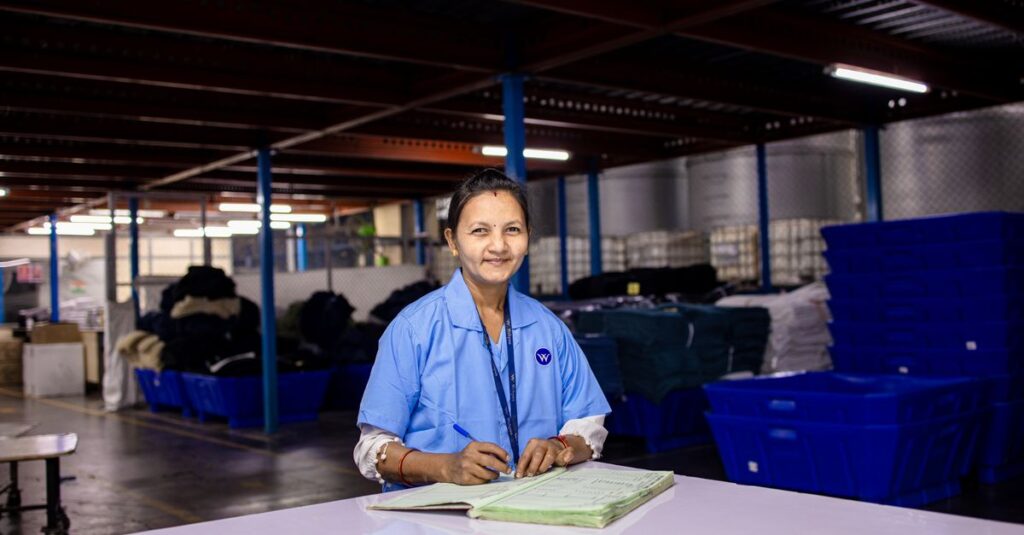
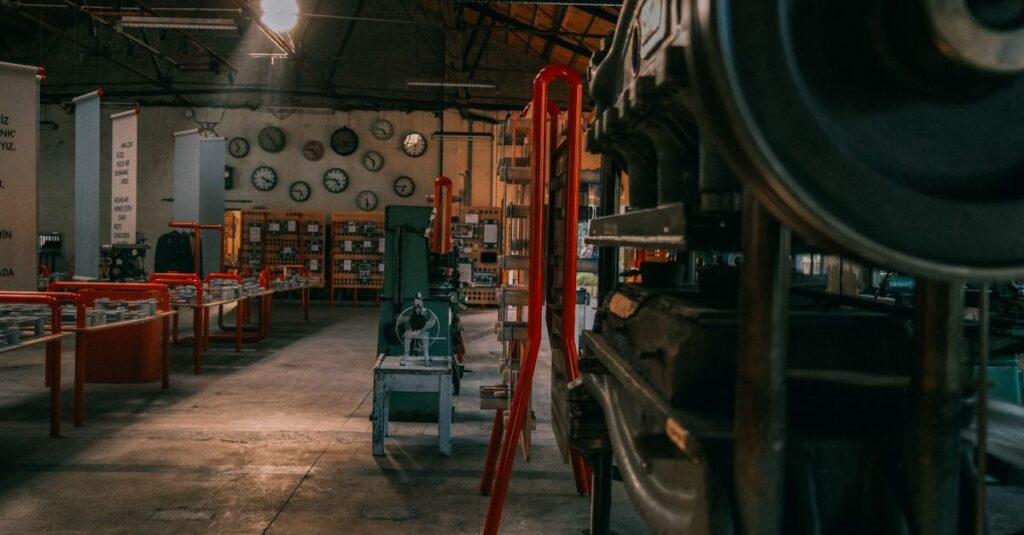
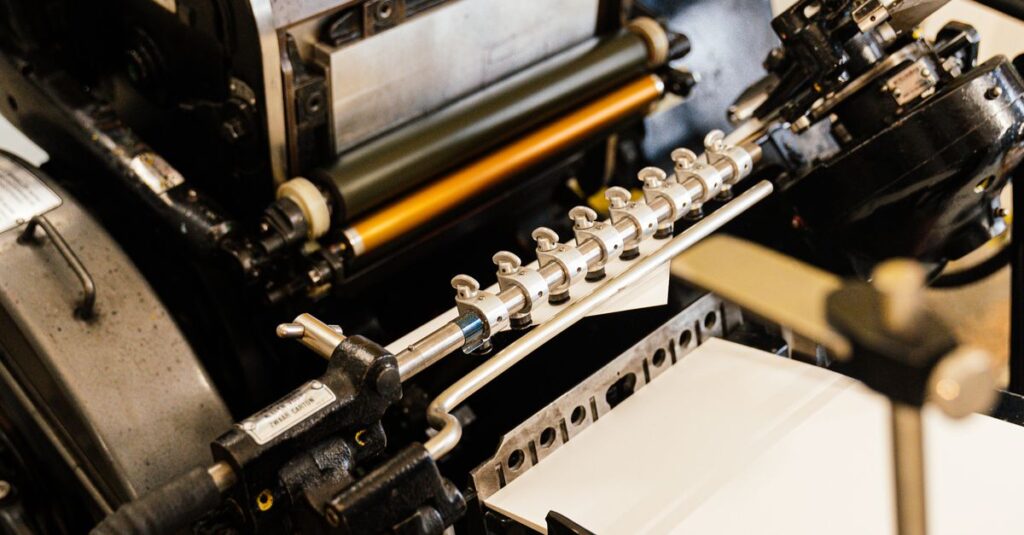
Look, I could tell you we have the latest machines. We do. But that's not why publishers come back. They come back because we treat workbooks differently. We have a separate team that only handles educational workbooks — not diaries, not notebooks, not account books. That team knows that a 200-page workbook for Class 5 needs a slightly wider margin on the left side for binding. They know that if you print a double-sided sheet, the reverse image must align perfectly. They've been doing it long enough that it feels automatic.
We produce 30,000–40,000 units daily. That's enough to cover a small school district every day. And we export to Gulf, Africa, USA, UK, Europe, Australia. So we know international standards too.
But here's the honest truth: we're not the cheapest. I'm not going to pretend we are. What we offer is reliability. If you need 40,000 workbooks by a deadline, they will be there. If you need a custom perforation pattern, we'll figure it out. And if something goes wrong — which rarely happens — we fix it fast. That peace of mind? That's worth more than saving a few rupees per book.
Anyway. I got carried away. Let me wrap this up.
Frequently Asked Questions
What paper weight is best for student workbooks?
For most workbooks, 70–80 GSM paper works well. For younger students who use markers or crayons, 100 GSM is better to prevent bleed-through. We can advise based on your workbook content and age group — it's part of the service we offer with Student Workbook Printing Services for Educational Publishers.
Can you print workbooks with perforated pages?
Yes. We offer micro-perforation for clean tearing. It's common in workbooks where students need to submit individual sheets. We can add perforation along the spine edge or top — just let us know which format works for your curriculum design.
Do you offer spiral binding for workbooks?
We do. Spiral binding allows workbooks to open 360 degrees, which is ideal for writing on both sides. We use reinforced wire that won't snap. Available in various colors and sizes. It's one of the most popular choices among educational publishers.
What is the minimum order quantity?
For custom workbooks, our minimum is typically 500 copies. For standard sizes and designs, we can go lower. Bulk orders above 10,000 copies get the best pricing. Contact us with your exact quantity and we'll work out a quote.
How long does it take to print and deliver?
Standard turnaround is 2–3 weeks for most orders. Rush orders with 7–10 day delivery are possible for an additional fee. Delivery within India takes a few days via our logistics partners. International shipping varies by destination.
Final Thoughts on Workbook Printing
If you've read this far, you're probably dealing with a printer that doesn't get it. Or you're about to start a new workbook series and want to avoid the headaches I described. I don't think there's one perfect printer for everyone. But I do think that if you care about your workbooks lasting a full school year, you need someone who cares too. That's what we offer. Not a sales pitch — just a straightforward partnership. If you want to talk specs or get a quote, Sri Rama Notebooks is here.