Why Corporate Procurement Teams Need Professional Printing Services
You've been burned before, haven't you? That feeling when the order shows up and the colors are off, the binding falls apart, or the logos look like they were stamped by a drunk monkey. I know. I've heard the stories.
Every month, procurement teams across India order thousands of custom printed diaries and notebooks. Yet too many end up with late deliveries, mismatched logos, or pages falling out. That's not unprofessional — it's a disaster. Professional printing services for corporate procurement teams exist to eliminate those headaches. Not fancy promises. Just a partner who delivers what they say, when they say.
If that sounds familiar, Sri Rama Notebooks might be worth a look.
I'm not going to sugarcoat it — finding a reliable printing partner is a headache. But it doesn't have to be.
What Makes a Printing Service Professional? (And What Doesn't)
There's a difference between someone who runs a small press and a manufacturer who produces thirty thousand units a day. The former might take your order with a smile, then deliver three weeks late. The latter has systems in place.
Here's what I look for — and you should too:
- Consistency across runs — If you order 10,000 diaries, every single one should match. Not almost. Exactly.
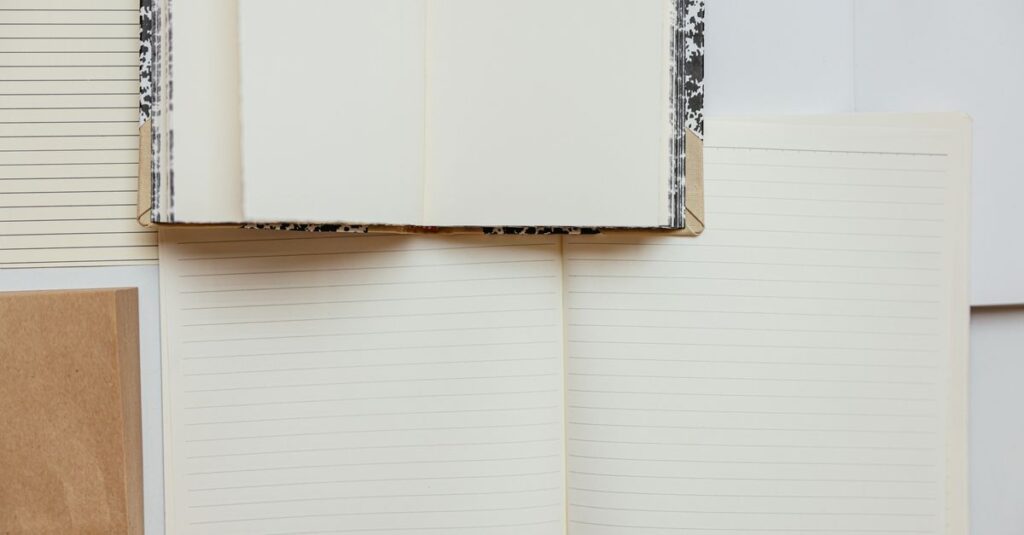
- Customization options — Logo printing, embossing, foil stamping, custom cover design. Not just “we can put your logo on it.”
- Paper quality — Nobody notices good paper. Everyone notices bad paper. 54 GSM minimum for writing, but I'd push for 70 GSM if budgets allow.
- Binding that lasts — Stitched, spiral, perfect — each has its place. But stitched binding for diaries? That's the gold standard.
- Real turnaround times — Not “we'll try our best.” Actual dates with penalties if missed.
Real-life micro-story: Ravi, 34, procurement manager at a tech firm in Hyderabad. He ordered 5,000 corporate diaries from a local printer. The delivery date came and went. When the boxes finally arrived, two hundred diaries had crooked covers. He had to reject them, re-order, and miss the annual conference. Ravi told me, “Never again.” Since then, he only works with manufacturers who have their own factory and a track record.
That story is more common than you'd think. The question is: are you willing to learn the lesson the hard way?
Local Print Shop vs Professional Manufacturer: A Comparison
| Feature | Local Print Shop | Professional Manufacturer (e.g., Sri Rama) |
|---|---|---|
| Customization Level | Basic logo printing, limited options | Full OEM, embossing, foil, custom design |
| Paper Quality | Often generic, inconsistent | Standard 54-70 GSM, consistent sourcing |
| Binding Types | Usually spiral or staple | Stitched, spiral, perfect binding — all available |
| Turnaround (10k units) | 4-6 weeks, often late | 2-3 weeks, reliable schedule |
| Minimum Order | As low as 100, but per-unit cost high | Typically 500+, but far better unit pricing |
| Quality Control | Visual check, errors happen | Batch sampling, defect rate << 1% |
| Pricing (per unit at 5000) | ₹25-40, depending on specs | ₹18-30, inclusive of customization |
I'm not saying local print shops are useless. For a quick run of 50 notebooks? Go ahead. But when you're ordering for an entire organization, the stakes are higher. One bad batch can cost your department credibility.
Expert Insight: I remember talking to a procurement director in Chennai a few years back. He told me about a supplier who promised 'export quality' at a low price. The first order was fine. The second? The paper was thinner, the binding weaker. He couldn't prove it, but he knew. That's the thing — you don't always see the difference immediately. But you feel it. And so do your employees when they write in those diaries. Quality isn't a checkbox. It's a habit.
The Real Cost of Cheap Printing (It's Not Just Money)
I hear procurement teams say, “We need to cut costs.” And I get it — budgets are tight. But cheap printing has hidden costs that are harder to measure.
Think about it this way: if your branded notebooks fall apart after a month, what does that say about your company? Every notebook is a walking advertisement. If it looks cheap, your brand looks cheap.
Then there's the waste. Rejected orders, reprints, emergency shipping — all eat into the 'savings' you thought you made.
Here's a short list of what you're really paying for when you go with a reliable manufacturer:
- Consistent paper stock — no surprises
- Color accuracy — your logo looks the same on every page
- Durable binding — no pages falling out
- On-time delivery — no last-minute panic
- Responsive support — someone picks up the phone
And honestly? Most of that isn't expensive. It's just a matter of working with the right people. If you want to see how a real manufacturer handles quality, check out Sri Rama Notebooks.
How to Evaluate a Professional Printing Service for Your Next Bulk Order
You don't need to be a paper expert to choose well. But there are a few things I'd check before signing any contract.
- Ask for samples. Not digital proofs. Real printed samples. Hold them, flip through them, try to pull pages out.
- Check their production capacity. Can they handle your volume? A factory producing 30,000 units a day is very different from a garage operation.
- Understand their minimums. Some manufacturers require 500+ for custom work. That's fine. Just know it before you waste time.
- Look at their export experience. If they ship to the Gulf, Africa, USA, and Europe, they know how to handle quality and packaging for long distances.
- Talk to their team. Are they responsive? Do they understand your timeline? Trust your gut.
I think — and I could be wrong — that most procurement teams overthink this. You don't need the cheapest or the fanciest. You need consistent. That's it.
Frequently Asked Questions
What is the minimum order quantity for custom printed diaries?
At Sri Rama Notebooks, we typically start custom orders at 500 units. For larger corporate procurement teams, we can accommodate higher volumes with better per-unit pricing. Contact us with your exact quantity for a quote.
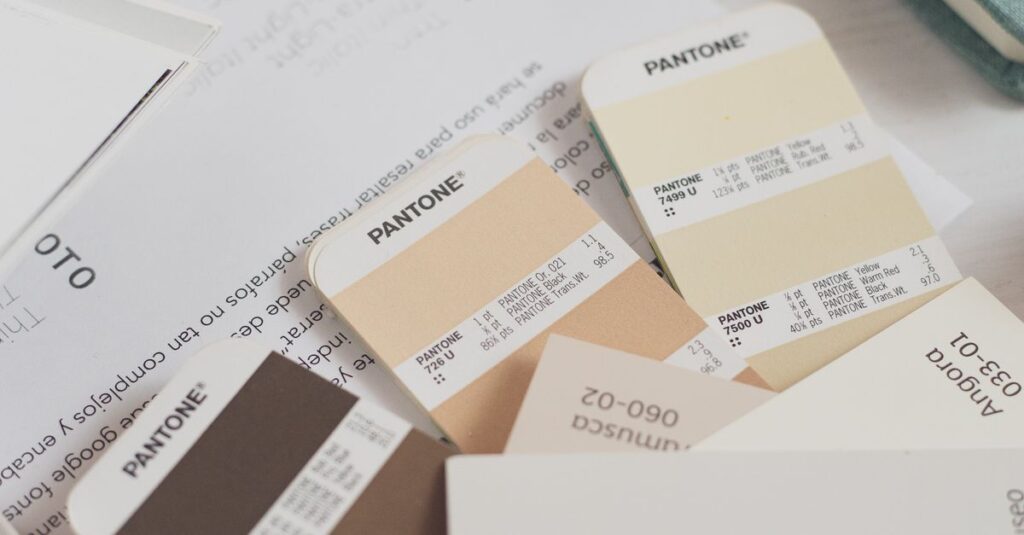
Can you match Pantone colors for logo printing?
Yes, we offer Pantone color matching for logo printing on notebooks and diaries. Our printing process ensures consistent color across the entire order. Just provide the Pantone code or a reference sample, and we'll match it as closely as possible.
How long does it take to produce 10,000 custom notebooks?
For an order of 10,000 units, typical turnaround is 2-3 weeks from design approval. Expedited options may be available depending on current production schedule. We'll give you a firm deadline before you sign.
Do you provide samples before bulk production?
Absolutely. We recommend ordering a pre-production sample to approve the design, paper quality, binding, and logo placement. We'll send it to you for review, and only after your confirmation will we proceed with the full run.
What paper quality do you use for corporate diaries?
Our standard writing paper is 54 GSM, but for corporate diaries we often recommend 70 GSM for a premium feel. We can also discuss other options like thick 100 GSM if you want extra weight. The choice depends on your budget and usage.
Conclusion
Look, I don't have a perfect answer for every procurement situation. But I've seen enough to know this: professional printing services for corporate procurement teams aren't a luxury. They're a necessity if you want your brand represented well.
Two takeaways: (1) Don't compromise on consistency, and (2) the cheapest option usually costs more in the long run. If you're tired of chasing unreliable suppliers, Sri Rama Notebooks is open for business. Give us a call.