What Actually Happens When You Order Commercial Printing?
You think you know. You send a file, they press a button, and boxes of printed notebooks show up. Right?
Not quite. I've been in this business for a long time — since 1985 — and the number of times I've seen perfectly good orders go sideways because someone didn't understand the complete commercial printing process explained for businesses is honestly embarrassing.
It's not complicated. But there are steps. Actual physical steps. Paper. Ink. Binding. And if you skip or misunderstand any one of them, you end up with 10,000 notebooks that look nothing like what you imagined.
Let me walk you through it. And if this sounds familiar, Sri Rama Notebooks has been doing this since before most of us were born.
Step 1: Prepress — Where Most Mistakes Happen
The prepress stage is where your design turns into something a printing press can actually use. Sounds boring. It's not. It's the difference between a crisp logo and a blurry mess.
Three things need to happen here:
- File checking — Are your images at least 300 DPI? If not, expect pixelation.
- Color separation — CMYK for commercial printing, not RGB. Your screen lies to you.
- Proofing — A physical or digital proof that shows exactly how it'll look. Don't skip this. Ever.
A Story That Still Bothers Me
Ravi, 42, runs a chain of stationery stores in Vizag. He ordered 5,000 custom diaries with his company logo in gold foil. The file he sent was RGB. Nobody told him. The proof was emailed but nobody looked. When the boxes arrived, the logo was magenta instead of gold. We fixed it — but it cost three extra weeks.
That's why I always say: the prepress stage is not where you save money. It's where you spend attention.
Step 2: Printing — Offset vs Digital
Here's where people get confused. There are two main methods for commercial printing: offset and digital. They are not the same. Here's a quick comparison:
| Aspect | Offset Printing | Digital Printing |
|---|---|---|
| Best for | Bulk orders (500+) | Small runs or variable data |
| Cost per unit | Drops significantly with quantity | Higher per piece for large runs |
| Color accuracy | Spot colors, Pantone matching | Good, but limited to CMYK |
| Setup time | Long (plates, alignment) | Short (just press go) |
| Paper options | Wide range, including textured | Limited to what the machine feeds |
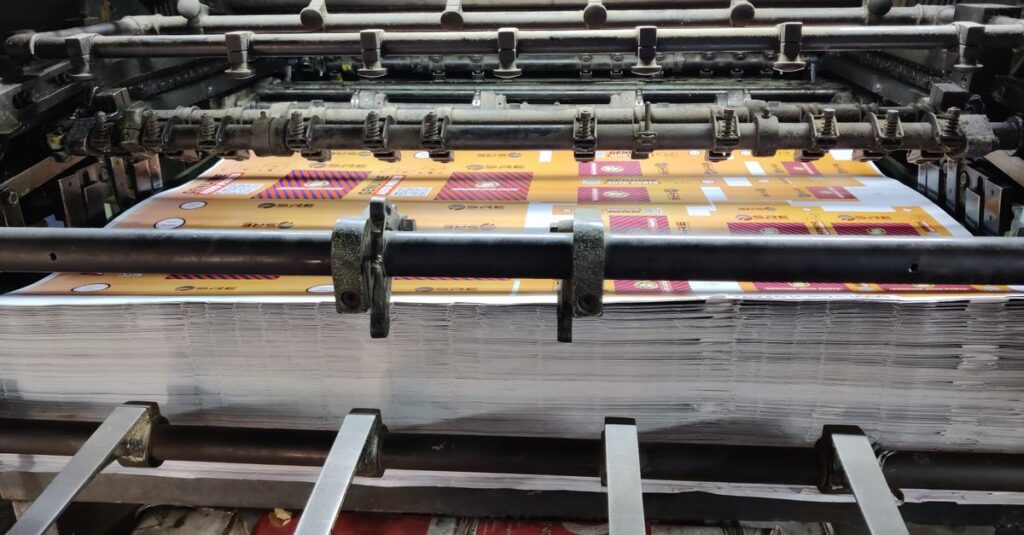
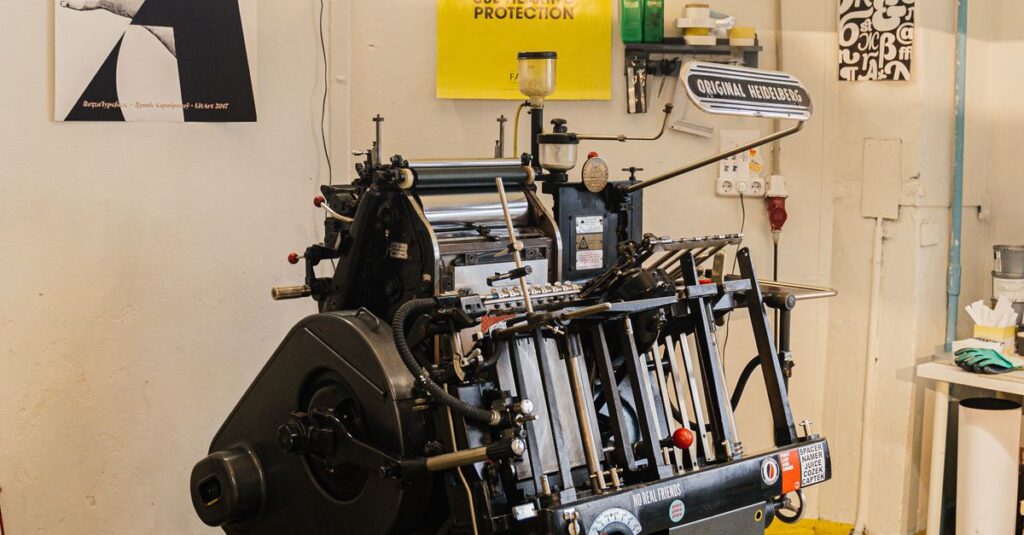
For most bulk notebook orders — think schools, corporate diaries — we use offset. It's the workhorse. But if you need 200 personalized notebooks with different names on each cover, digital is your friend.
I remember — and I could be wrong about the exact number — but offset presses can run 10,000 sheets an hour. Digital is slower. But speed isn't always the point. Flexibility matters too.
Step 3: Paper and Ink — The Stuff That Matters
Paper is not just paper. There's weight (GSM), finish (matte/gloss), and shade (natural white, blinding white, cream). For notebooks meant for writing, you want paper that doesn't bleed. 54 GSM is our standard for school notebooks. For diaries, 70-80 GSM feels better to the touch.
Ink? Surprisingly complex. Soy-based vs petroleum. Drying time. Rub resistance. If you're getting foil stamping or embossing, that's a whole separate process that happens after printing.
Here's something nobody tells you: ink looks different on different papers. A dark blue on glossy stock looks black. On uncoated paper, it looks navy. Always test.
I think — and again, this is just my experience — most problems come from people choosing paper last. Choose it first. Then design for it.
Step 4: Binding and Finishing — Where It All Comes Together
When the sheets come off the press, they're just stacks of printed paper. Binding is what turns them into a notebook, diary, or account book.
There are three main types we use:
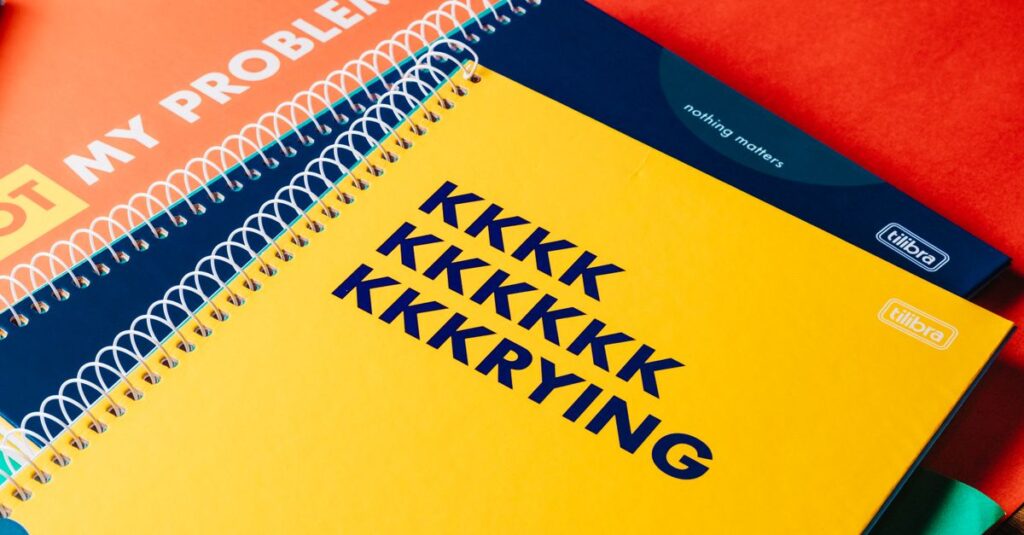
- Stitched binding — Strong. Old-school. Good for heavy-use notebooks.
- Spiral binding — Lies flat. Great for diaries and notebooks that need to stay open.
- Perfect binding — Glued spine. Looks clean. Common for paperback-style notebooks.
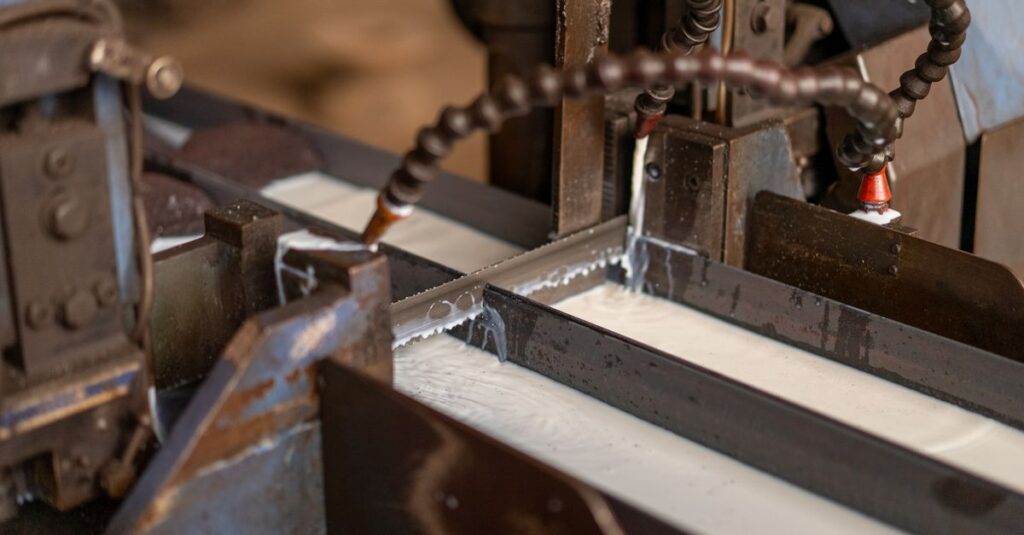
After binding, there's finishing: trimming, rounding corners, adding a ribbon bookmark, foil stamping logos. These are the details that make an ordinary notebook feel premium.
One time a client from Dubai wanted 2,000 corporate diaries with a specific shade of gold foil — not yellow, not rose. We had to order the foil from Germany. Took six weeks. The client waited. Because that one thing mattered to them.
That's what finishing does. It's not the main meal. It's the garnish that makes someone go, “Oh, this is nice.”
Step 5: Quality Control and Packing
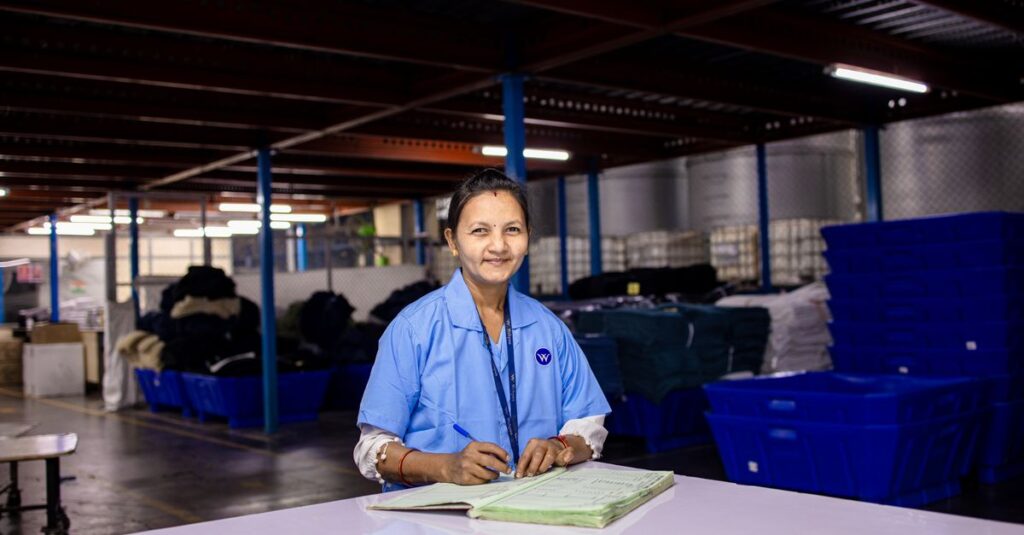
We check every single batch. Not every notebook — that would take forever — but random samples from each carton. Look for misregistration, ink smudges, crooked binding, paper tears. If even one sample fails, the whole batch gets rechecked.
Packing matters more than you think. For exports, we use shrink wrap and corner protectors. Moisture is the enemy. A container sitting in the sun for two weeks can ruin paper. We know because it happened once. We learned.
At Sri Rama Notebooks, we produce 30,000-40,000 units daily. That's a lot of notebooks. And each one goes through this process. Not because we're perfectionists (though we are), but because when you order in bulk, consistency is the only thing that matters.
If you want to see how we do it, check our product range here.
Frequently Asked Questions
What is the complete commercial printing process explained for businesses?
It covers prepress (file prep, proofing), printing (offset or digital), paper/ink selection, binding (stitched/spiral/perfect), and finishing. For bulk notebook buyers, step-by-step understanding prevents costly mistakes.
How long does commercial printing take for a bulk notebook order?
Typically 2-6 weeks depending on quantity, customization, and binding type. Offset printing has longer setup but faster run. Rush orders possible at extra cost. Always ask for a timeline before approving the proof.
What's the difference between offset and digital printing?
Offset uses plates and is cheaper for high volumes (500+). Digital is faster for small runs and allows variable data (different names per notebook). For consistent color on large orders, offset wins.
Can I get custom logo printed on notebooks for my business?
Yes. We offer logo printing, foil stamping, embossing, and full-color covers. Send us your artwork; we'll create a proof. Minimum order quantities apply, typically 500+ units for offset printing.
How do I ensure the final printed product matches my design?
Always request a physical proof before production. Check colors (CMYK vs RGB), bleed margins (3mm minimum), and paper type. A proof catches 90% of problems. Our team at Sri Rama Notebooks will guide you.
I don't think there's one perfect way to order commercial printing. Every job is a little different — the paper you pick, the binding you want, the deadline you're chasing. But if you understand the process, you can avoid the headaches.
If you're ordering notebooks or diaries in bulk, talk to someone who knows the steps by heart. Sri Rama Notebooks has been doing this since 1985. We've seen it all.