


What Exactly Is Commercial Printing?
I've been in the notebook business for decades. And one question keeps coming up from buyers — procurement managers, school owners, distributors. They ask: “What is commercial printing and how does it work?” And honestly, most people have a vague idea but not the full picture. Let me clear that up.
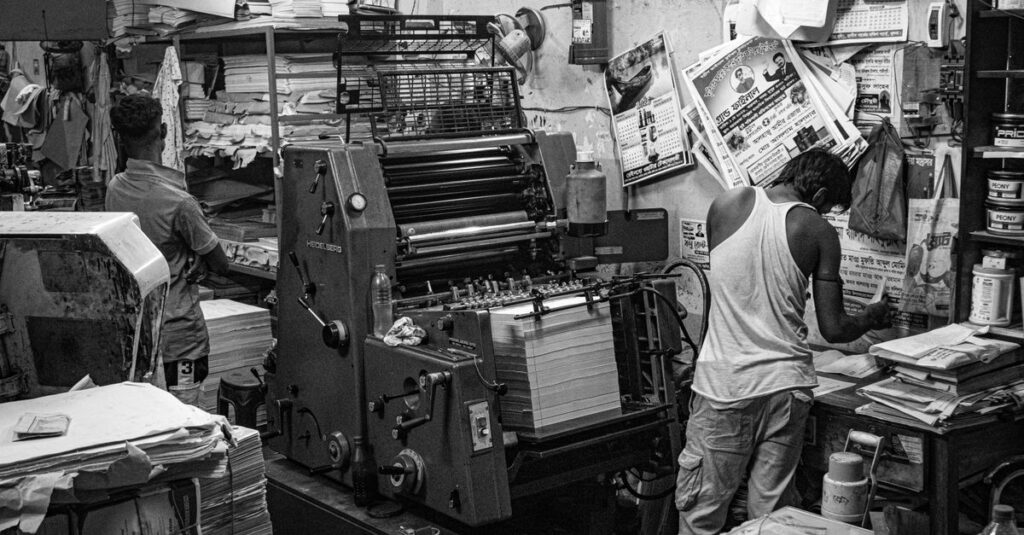
What is commercial printing and how does it work? It's basically large-scale professional printing — the kind we do every day at Sri Rama Notebooks. Not the small inkjet you have at home. Not the office laser printer. Commercial printing means running thousands of sheets through industrial presses, at speeds you wouldn't believe, with a consistency that home printers just can't touch.
But it's more than just big machines. It's the whole process — from getting your artwork ready to the final bound product that lands on your desk. And if you're ordering notebooks or diaries in bulk, you need to know how this works. Because the quality of your print determines everything: brand image, shelf appeal, even how long the notebook lasts.
How Does Commercial Printing Work? The Step-by-Step Process
Let me walk you through it. Not the textbook version. The real version.
Step 1: Design & Prepress
You send us your artwork — logo, cover design, inside pages. We check the file, make sure colors are correct, set up the plates (if offset), or prep the digital file. This is where we catch mistakes. I've seen school notebooks with the year printed wrong. That's embarrassing. So we double-check everything.
Step 2: Printing
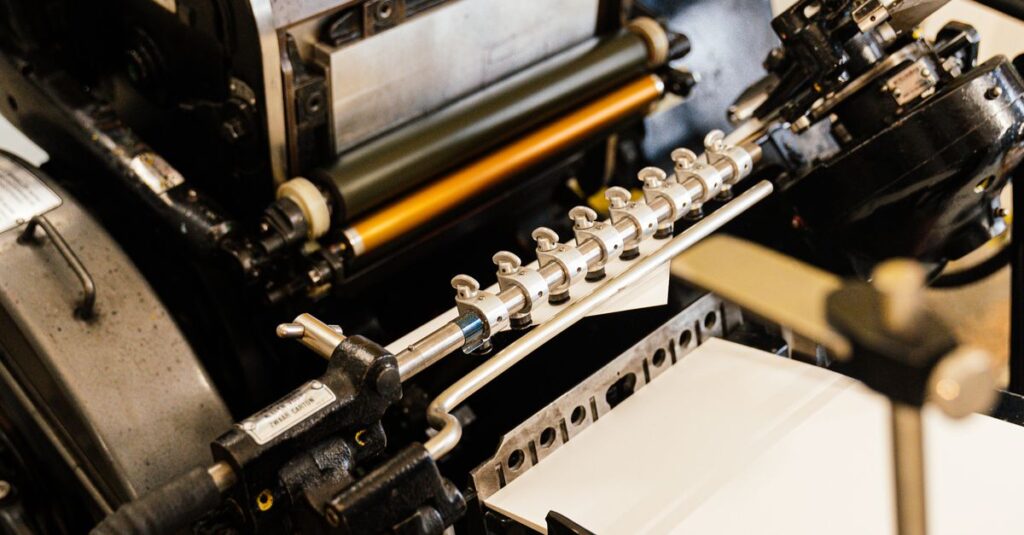
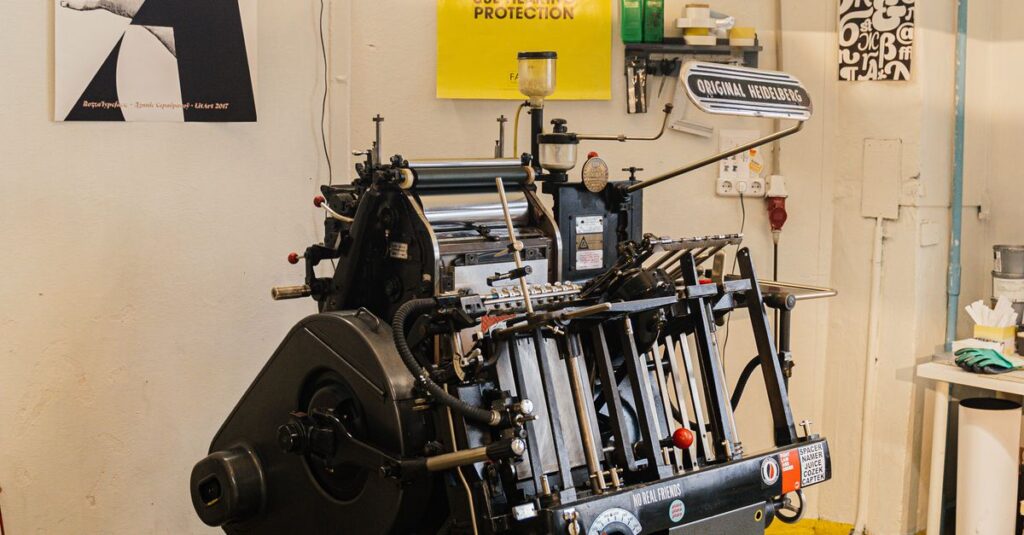
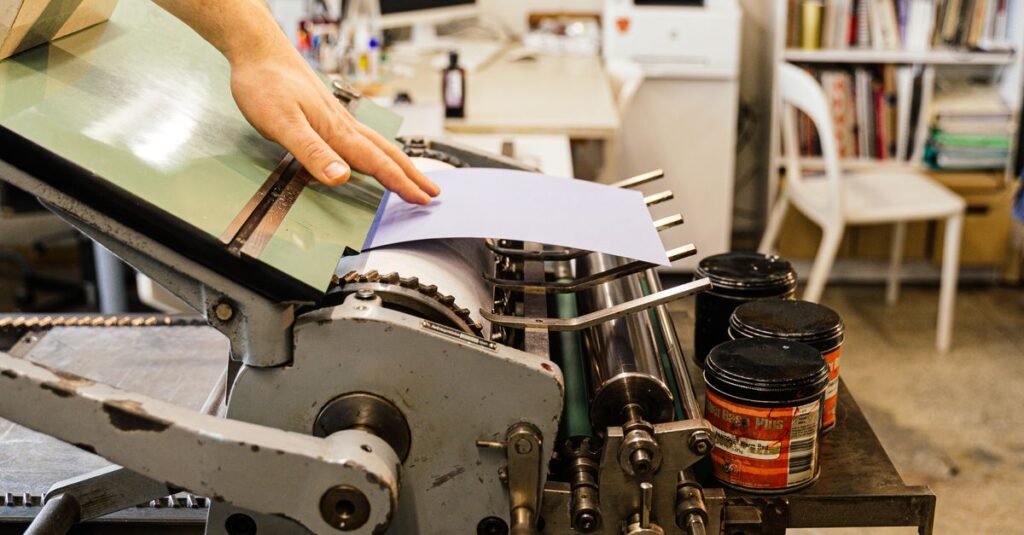
For notebooks, the most common method is offset printing. Ink goes from a plate to a rubber blanket, then to paper. Sheet after sheet, at hundreds of copies per minute. Digital printing is newer — no plates, better for short runs. But for bulk orders? Offset wins.
Step 3: Finishing & Binding
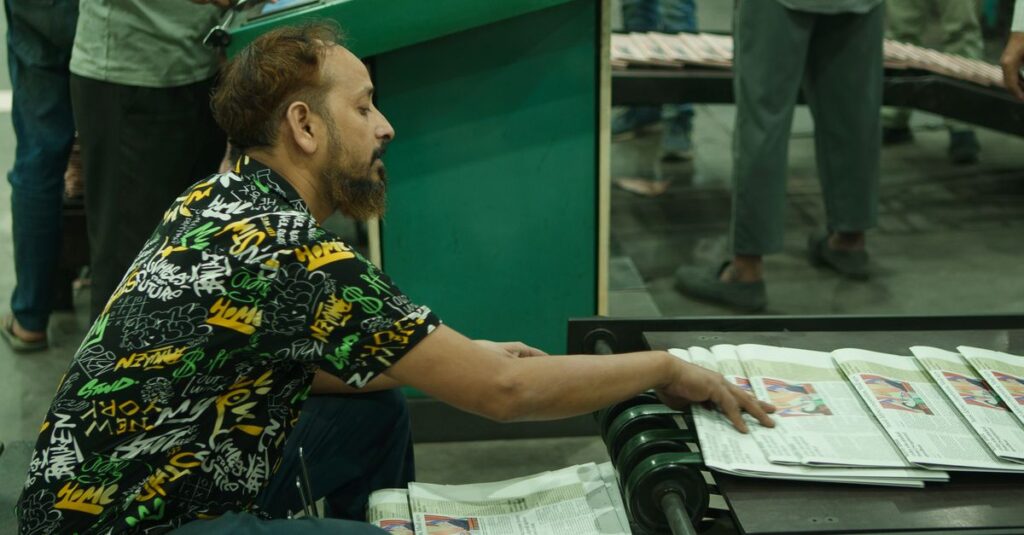
After printing, the sheets are cut, folded (if needed), collated, and bound. We do stitched binding, spiral binding, perfect binding — depends on what you order. Then covers are attached. And quality check. Every single batch.
Here's something nobody tells you: commercial printing isn't just ink on paper. It's precision. Temperature, humidity, paper tension — all of it matters. One degree off and colors shift.
Offset vs Digital Printing: A Comparison
If you're ordering notebooks, you'll probably choose between offset and digital. I've used both. Here's the honest comparison.
| Feature | Offset Printing | Digital Printing |
|---|---|---|
| Best for | Large quantities (500+) | Small to mid runs (under 500) |
| Cost per unit | Gets cheaper as volume increases | Stays high even with volume |
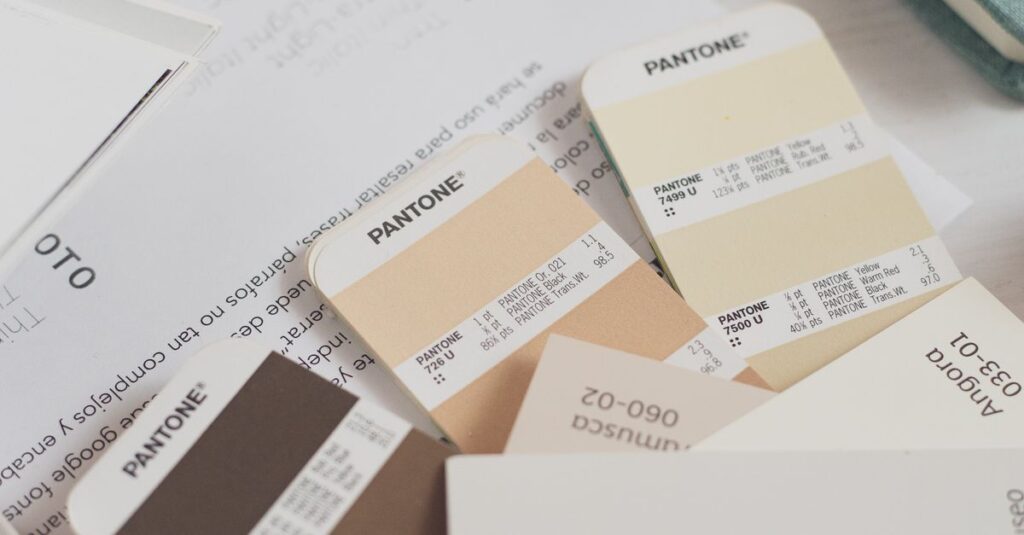
| Color consistency | Excellent, Pantone matching possible | Very good, but slight variation |
| Setup time | 2–3 days (plates, make-ready) | Minutes (no plates) |
| Paper choices | Wide range, specialized stocks | Limited to coated and uncoated |
| Customization | All copies identical | Variable data possible |
| Environmental impact | More plate waste, less energy per unit | Less waste, but chemical toners |
For most notebook orders — schools, corporate diaries — offset is the way to go. I'll say that plainly. Digital is great for prototypes or small batches for events.
Why It Matters When You Order Notebooks in Bulk
Look, I've had a school principal call me frustrated. His logo looked faded on 2000 notebooks. The printing company blamed the paper. The paper supplier blamed the ink. Everyone pointed fingers. That doesn't happen when you know what commercial printing involves.
Commercial printing gives you:
- Color accuracy — your brand colors match exactly
- Sharp text and fine lines — no blurry edges
- Consistency across all copies — first to last
- Durability — ink bonds properly, doesn't smudge
And here's the part that caught me off guard once: paper quality affects print quality way more than people realize. We tested cheap paper vs our standard 54 GSM — the difference in sharpness was visible even to non-experts. So when you ask “What is commercial printing and how does it work?”, part of the answer is: it works only when the paper is right.
Expert Insight: A Memory from the Factory Floor
I remember a client from Dubai — Ahmed, a distributor. He wanted a rush order of 10,000 diaries for a hotel chain. The printing plate for the cover had a tiny scratch. On press, it looked like a hairline across the hotel logo. I saw it during the first 100 sheets. Stopped the press, made a new plate. Ahmed never knew the difference. But I did. That's commercial printing: catching the tiny things before they become big problems.
The Real Cost of Cheap Commercial Printing
I'll be direct. There are printers out there who will promise you the same quality at half the price. They cut corners. Low-grade ink that fades in six months. Paper that yellows. Binding that breaks after twenty flips. If you're buying for a school or corporate gift, that reflects badly on you.
What is commercial printing and how does it work when done right? It means you pay a fair price for materials and labor that hold up. I've had customers come back after a year saying the notebooks still looked new. That's not luck. That's proper printing.
Frequently Asked Questions
Frequently Asked Questions
What is commercial printing exactly?
Commercial printing is large-scale professional printing using industrial presses — usually offset or digital. It's what we use for notebooks, books, brochures, and anything produced in bulk. The key is consistency and speed. Unlike home printing, commercial printing requires setup and specialized equipment.
What is the difference between offset and digital printing for notebooks?
Offset uses plates and transfers ink from a rubber blanket to paper — best for large runs with consistent color. Digital applies toner or ink directly onto paper, no plates needed. Offset is cheaper per unit for quantities over 500; digital is better for small batches or variable data.
How do I choose the right printing method for my notebook order?
Consider quantity, budget, and customization. For 500+ notebooks with uniform design, go offset. For under 500 or if you need each notebook with different names/logos, digital works. Also factor in color matching — offset handles Pantone colors better. Talk to your manufacturer before deciding.
What paper is best for commercial printing of notebooks?
For writing, 54–70 GSM uncoated paper is standard — it absorbs ink well and doesn't smudge. For covers, higher GSM (200–300) with coated options for graphics. Always test paper compatibility with your printing method. Low-quality paper causes misregister and poor ink adhesion.
Can commercial printing handle custom logos and branding?
Yes, that's a big part of it. We print logos on covers, inside pages, even emboss or foil stamp. For bulk orders, we create custom plates for offset or use high-res digital files. Just provide clear artwork (vector files preferred) and we handle the rest.
Conclusion
So what is commercial printing and how does it work? It's a process — from prepress to finishing — that turns raw paper into a finished product you can be proud of. Two takeaways: know your volume (that decides offset vs digital), and don't skimp on paper or ink quality. Because the cheapest quote rarely delivers the best result.
I don't think there's a single answer that covers every situation. If you're serious about getting notebooks or diaries that represent your brand well, you need a manufacturer who understands this inside out. Sri Rama Notebooks has been doing this since 1985. We know what works.