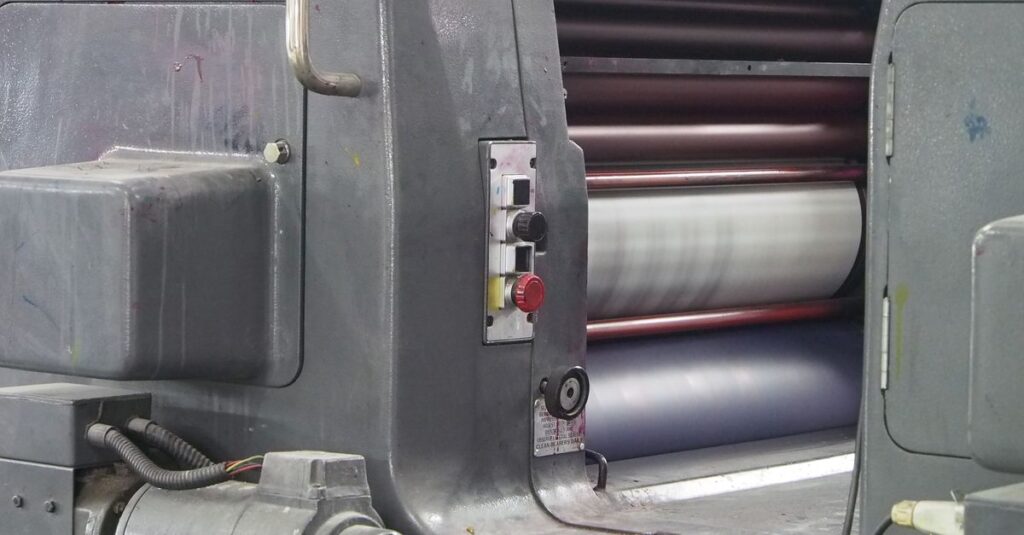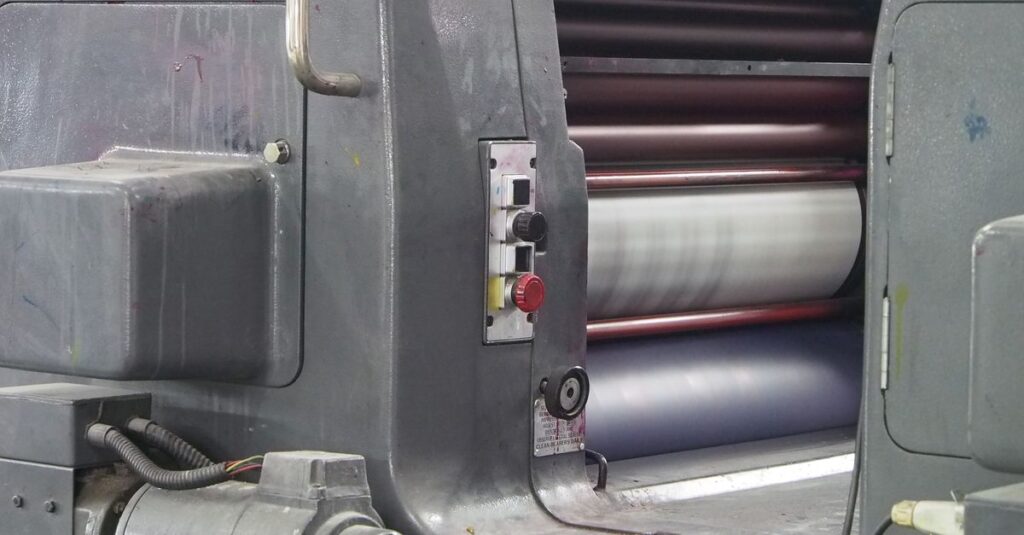
Look, I'll be honest. When people ask me about printing technologies, they usually expect a boring list of machines and specs. But that's not what you need. You need to know what actually works when you're ordering thousands of notebooks at once. And honestly? Most printing advice you'll find online is either too generic or just wrong. So let me cut through the noise and talk about Smart Printing Technologies for Modern Businesses — specifically how they affect your bulk stationery orders. If that sounds like what you need, Sri Rama Notebooks has been doing this since 1985.
What Makes a Printing Technology 'Smart' for Bulk Orders?
Here's the thing — smart doesn't mean fancy. It means efficient. Reliable. Consistent across 30,000 copies. I've seen too many buyers get excited about a new printing technique only to realize it doesn't scale. A smart printing technology for modern businesses is one that balances speed, cost, and quality without cutting corners.
Think about it this way: if you're a school ordering 50,000 notebooks, you don't care about the latest inkjet marvel. You care about getting the same color on every cover, the same line spacing, and no smudges. That's smart printing.
The Shift from Traditional to Digital
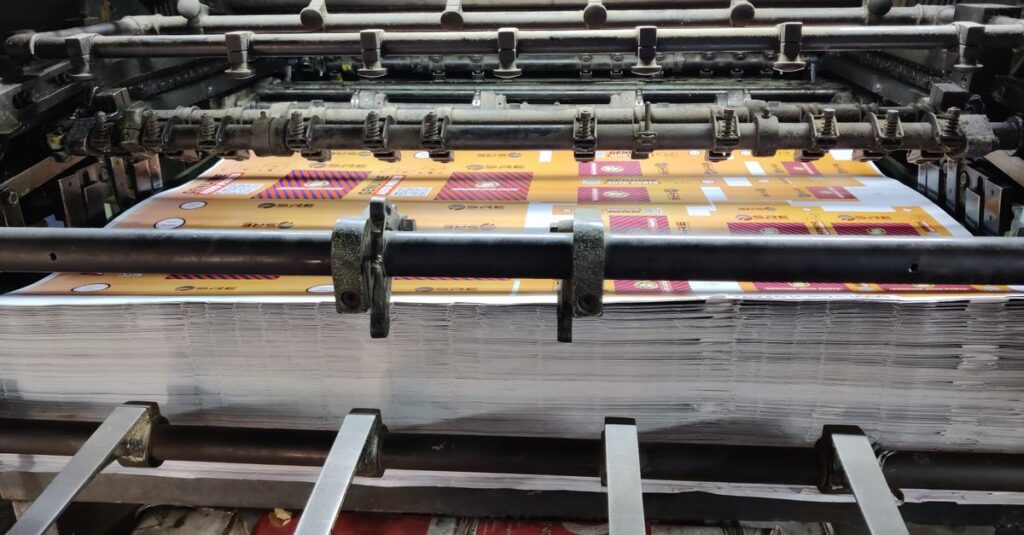
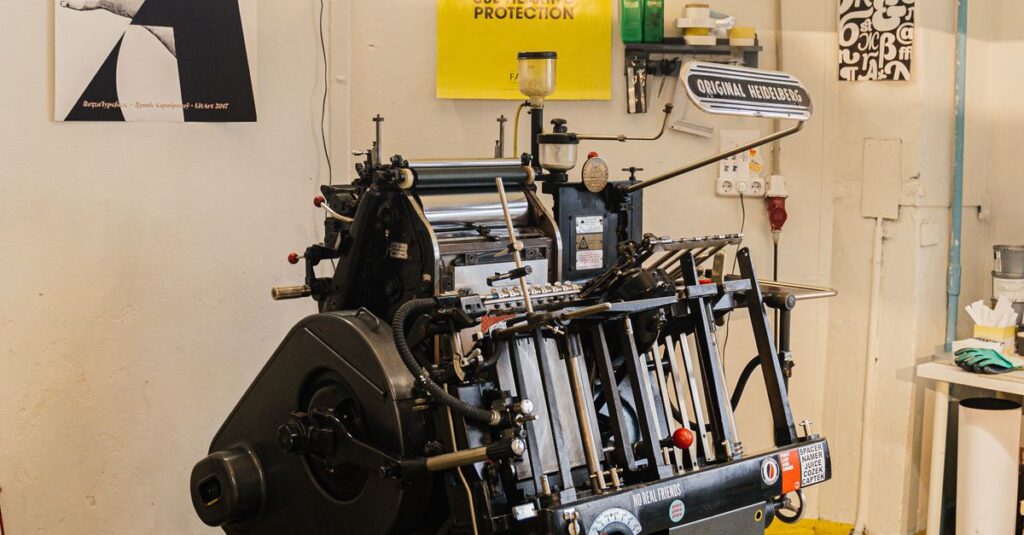
Offset printing was the king for decades. And it still is for very large runs. But digital printing has changed the game for smaller batches and customization. The real smart move? Knowing when to use which.
- Offset: Best for runs over 1000 units. Lower cost per unit. Consistent quality.
- Digital: No setup costs. Perfect for short runs, variable data, quick turnaround.
- Hybrid: Combines both. Used for special finishes with digital flexibility.
I remember a client who wanted just 500 custom diaries with foil stamping. Pure offset would have cost them a fortune. Digital with foil effect saved them 60%. But for their annual order of 10,000 pieces? Offset all the way. That's the kind of decision smart technologies enable.
Offset vs Digital vs Hybrid — A Real Comparison
Let me break this down in a way that actually helps you choose. No marketing fluff.
| Technology | Best For | Setup Cost | Unit Cost | Customization | Turnaround |
|---|---|---|---|---|---|
| Offset Printing | Large volumes (1000+) | High | Low | Limited | Longer (plates needed) |
| Digital Printing | Short runs (1-1000) | None | Higher per unit | High (variable data) | Fast |
| Hybrid Printing | Medium runs with special effects | Medium | Medium | Moderate | Medium |
I don't think there's a single best technology. It depends on your quantity, deadline, and how much personalization you need. But if you ask me — and I've been doing this for decades — offset for standard bulk orders, digital for anything custom, and hybrid when you want to show off.
How Smart Printing Saves You Money (and Headaches)
Money isn't the only thing. Time, frustration, and reprints all cost something. Smart printing technologies reduce waste. They catch errors before they happen. And they let you test a design before committing to 50,000 units.
Expert Insight
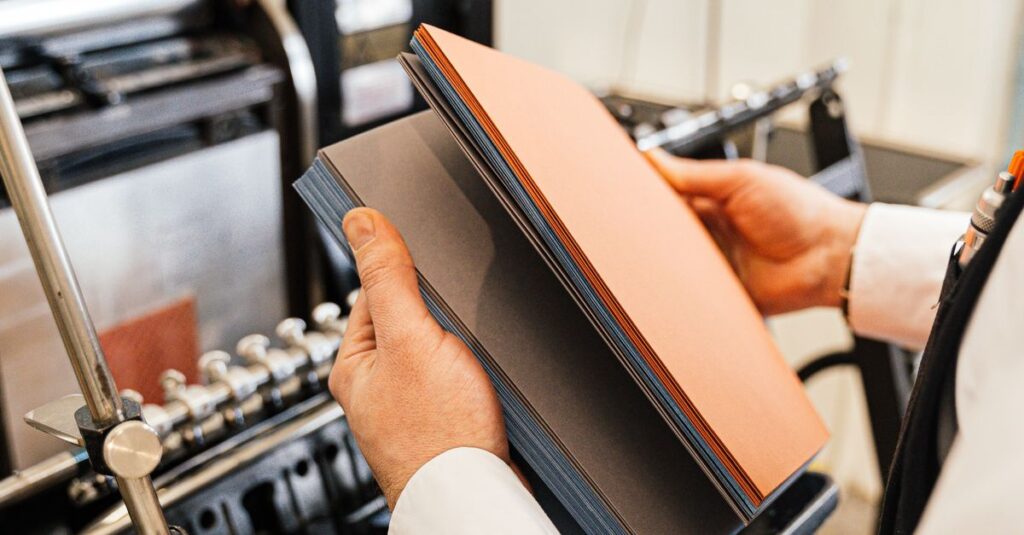
I was talking to a procurement manager last month — over chai, actually — and he told me about a batch of diaries they ordered from a printer who didn't use digital proofs. The logo was off by 2mm. They had to reprint 20,000 diaries. That's not a technology problem. That's a process problem. Smart printing includes smart proofing — digital mockups, color matching, and sample runs before full production. I don't have a cleaner way to put it: if your printer isn't offering digital proofs, you're gambling.
A Real Story
Arun, 34, works as a purchase officer for a chain of schools in Visakhapatnam. Last year, he needed 12,000 notebooks with the school logo on every cover. He went with a local printer who promised quick turnaround. Three days before delivery, the printer said the foil stamping machine broke. Arun had to rush orders from two different suppliers. It cost him double. He told me later: 'I should have checked if they had backup equipment.' Smart printing technologies aren't just about the machine. It's about the system around it.
What to Look for When Choosing a Printing Partner
You can have the best technology in the world, but if the people running it don't know what they're doing, you're in trouble. Here's what I'd check:
- Equipment variety: Do they have offset and digital? Can they handle both?
- Proofing process: Digital proofs before production? Color calibration?
- Production capacity: Can they handle your volume without outsourcing?
- Quality control: Are there checks at each stage?
- Backup plans: What happens if a machine fails?
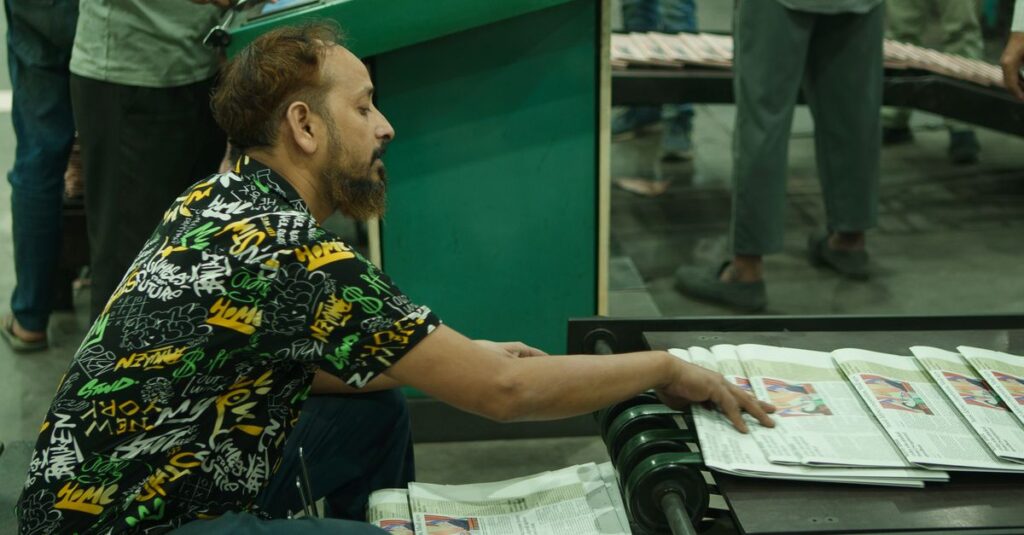
I think the most overlooked thing is the human factor. The best technology is useless if the press operator is rushing to meet a deadline. I've seen it happen. Make sure you talk to the production team, not just the sales guy.
Frequently Asked Questions
What are smart printing technologies for modern businesses?
They are printing methods that use automation, digital controls, and efficient workflows to reduce waste, increase speed, and maintain quality. This includes offset, digital, and hybrid printing with integrated proofing and color management.
Which printing technology is best for bulk notebooks?
For bulk orders over 1000 units, offset printing is usually the most cost-effective. It offers consistent quality and low per-unit cost. However, digital printing is better for small runs or customized covers.
How can I ensure color consistency in my printed notebooks?
Request digital proofs and color calibration reports. A reliable printer will provide Pantone matching and run a test print before full production. Also check if they use automated color control systems.
What is hybrid printing and when should I use it?
Hybrid printing combines offset and digital techniques. It is useful when you need the cost efficiency of offset for large elements but want digital flexibility for variable data like names or unique codes on each diary.
How long does it take to print bulk custom notebooks?
Depends on the technology and quantity. Digital can turn around within days for small batches. Offset requires plate making and longer setup, so typical lead time is 2-4 weeks for large orders including shipping.
Conclusion
Here's what I want you to take away: Smart printing technologies aren't magic. They are tools. Used right, they save you money and stress. Used wrong, they're just expensive machines. The real question isn't which technology is best. It's which printer understands how to use the right tool for your specific order. I don't have a perfect answer for every situation. But if you're looking for a partner who's been doing this since 1985, Sri Rama Notebooks might be worth a call.