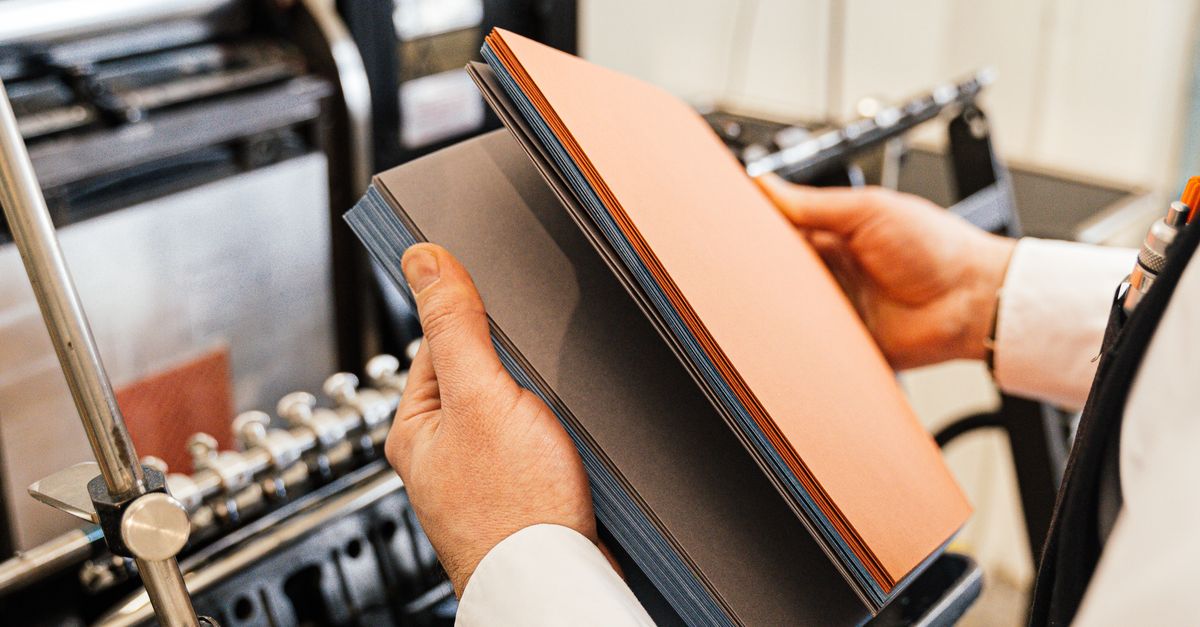
Let's Talk About the Type of Print You Actually Need
I'll be honest with you — most people don't think about the type of print when they order notebooks. They just want a logo somewhere and move on. Then the covers start peeling, the ink fades after three months, and suddenly it's your problem. I've seen this enough times to know it's not a coincidence. You need to know what you're choosing before you place that bulk order. And the type of print isn't some boring technical detail — it determines how long your logo lasts, how crisp the text is, and how much the whole thing costs in the long run. If this sounds familiar, Sri Rama Notebooks has been dealing with print decisions since 1985.
Offset Printing — The Workhorse Nobody Talks About
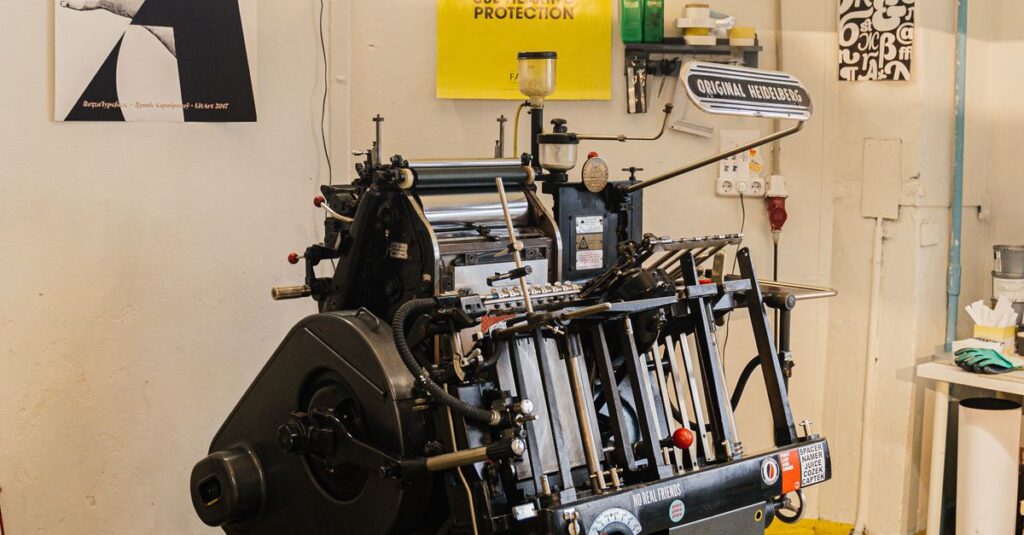
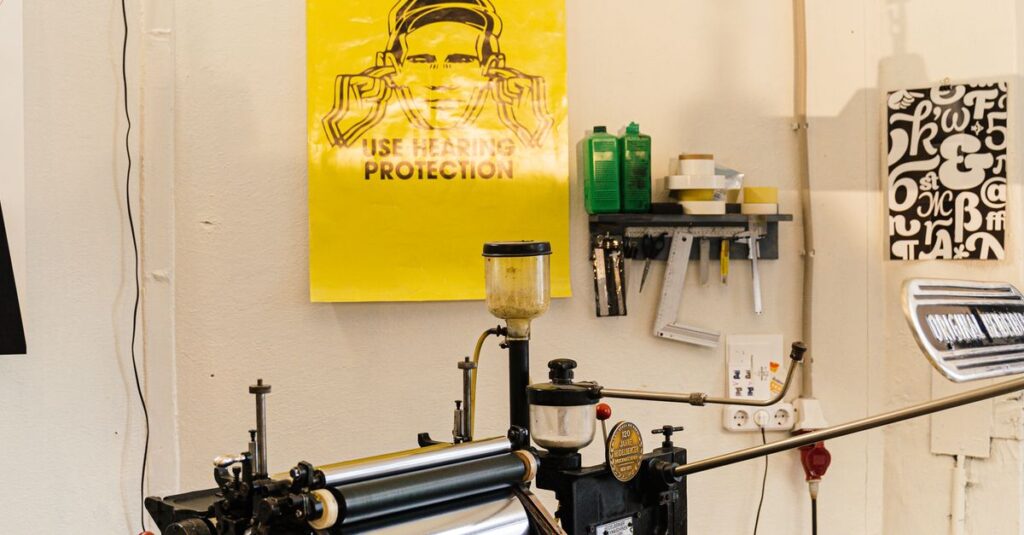
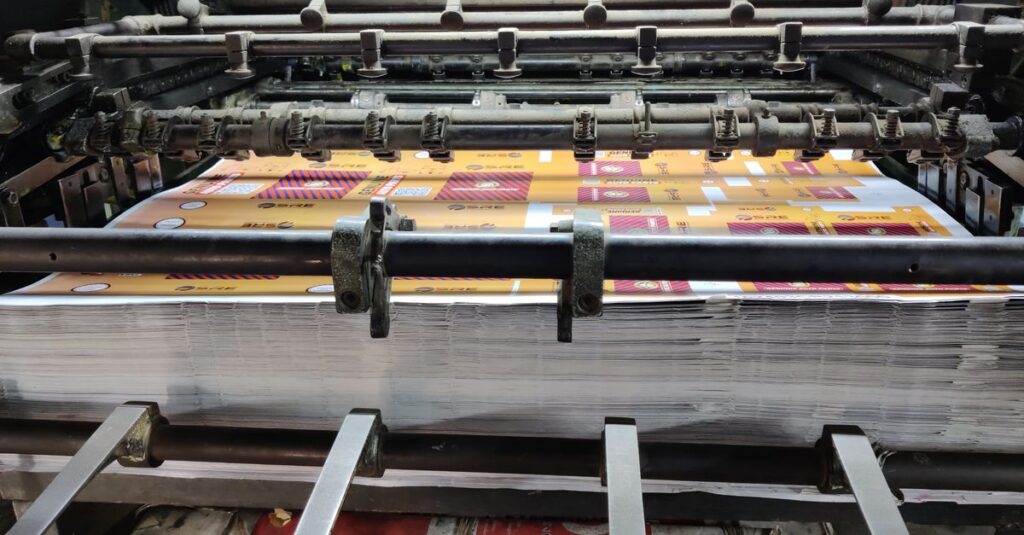
Offset printing has been around forever. And for good reason. It's the type of print you want when you need thousands of notebooks, all identical, all sharp. The way it works: ink transfers from a plate to a rubber blanket, then onto the paper. No direct contact, so the quality stays consistent even over long runs.
Most school notebooks from state boards use offset printing. So do government tenders. Why? Because it's reliable. You get rich, solid colours, and the ink sits on top of the paper rather than soaking in — which means it doesn't bleed through when kids write with cheap pens.
But here's the catch — offset is expensive for small runs. If you need 500 custom diaries, offset setup costs will kill your budget. You're looking at plate-making, colour calibration, machine setup… it's a headache for small quantities.
When to choose offset:
- Order quantity above 1,000 units
- Full-colour covers with complex designs
- High-quality photo reproduction
- Projects where colour consistency matters across batches
We run offset presses at our factory in Rajahmundry every single day. Six days a week. And I can tell you — the type of print you choose for your first batch matters. Offset gives you a result you can hold up against any international standard. But it's not the only option, and it's not always the right one.
Digital Printing — Fast, Flexible, and Surprisingly Good
I remember a customer who called me two years ago. A school in Visakhapatnam. They wanted 300 notebooks for a sports day event — had to be ready in five days. With offset, that would've been impossible. That's when digital printing saved the day.
Digital printing is basically a high-end laser printer scaled up. No plates. No setup time. You send a file, the machine prints it directly onto the paper. The type of print is perfect for short runs, variable data (like personalised names), or when you need proof copies before committing to a large order.
What digital printing does well:
- Small quantities (10 to 500)
- Quick turnaround (3–5 days)
- Customisation — each notebook can have a different name
- Lower upfront cost
But it has limits. The ink isn't always as durable as offset. If you need a notebook that survives a full year in a student's bag, digital might not hold up as well on the cover. Also, for very large runs, the cost per unit stays high — offset gets cheaper as volume increases. So it's a trade-off, every single time.
Expert Insight
I was talking to an old printer in Rajahmundry last month — he's been in the business since the '70s. He said something that stuck with me: "The type of print you choose tells the customer how much you care." He meant it literally. He showed me a batch of notebooks from a budget printer — the logo looked like someone had stamped it with a potato. Then he showed me an offset print from a real press. The difference wasn't subtle. And the customers noticed. They always do.
Comparison Table: Offset vs Digital Printing
| Feature | Offset Printing | Digital Printing |
|---|---|---|
| Best for | Bulk orders (1000+) | Small to medium runs (up to 500) |
| Setup cost | High (plates, calibration) | Low (no setup) |
| Cost per unit | Decreases with volume | Fixed (doesn't drop much) |
| Colour quality | Excellent, consistent | Good, but can vary |
| Turnaround time | 7–14 days (includes setup) | 2–5 days |
| Durability on covers | High (ink sits on surface) | Moderate (ink absorbs) |
| Customisation per unit | Not practical | Easy (variable data) |
This table isn't perfect — every job has its own quirks. But if you're deciding on the type of print for your next order, these are the numbers that matter.
What About Screen Printing and Foil Stamping?
Let's step sideways for a minute. Offset and digital aren't the only games in town. For notebooks and diaries, you'll sometimes see screen printing — where ink is pushed through a mesh stencil — or foil stamping, where a metallic or coloured foil is applied with heat and pressure.
Screen printing is great for bold, solid-colour logos on fabric or textured covers. It's not ideal for fine detail, but it's cheap for large areas of colour. Foil stamping, on the other hand, gives you that premium look — gold or silver lettering on a leather-like cover. Corporate diaries love this. But it's an extra process, which means more time and cost.
I'd say: use foil stamping if you're making executive diaries for high-end clients. Use screen printing if you're doing cloth-bound notebooks in solid colours. And for everything else — text, logos, full-colour designs — stick with offset or digital depending on your quantity.
Here's a real example: A procurement manager in Hyderabad — let's call him Rajesh, 42, works for a mid-sized pharma company — ordered 2,500 diaries for the new year. He chose offset for the cover with a foil-stamped logo. The result was stunning. But he told me later his board spent 20 minutes debating whether to spend an extra ₹8 per piece on foil. That type of print decision almost didn't happen. It only worked because he showed them a sample and let them hold it.
Frequently Asked Questions
Frequently Asked Questions
What type of print is best for custom notebooks?
It depends on the quantity. For 500 or more, offset printing gives the best quality and cost per unit. For smaller runs, digital is faster and cheaper upfront. At Sri Rama Notebooks, we help you decide based on your budget and timeline.
Is digital printing durable on notebook covers?
Moderately. Digital ink absorbs into the paper, so it may fade or scratch over time. For covers that get heavy use, offset printing is more durable. We recommend offset for school notebooks and corporate diaries used daily.
Can I print different names on each notebook?
Yes — with digital printing you can variable data print. Every notebook can have a different name, batch number, or message. This isn't possible with offset unless you print separate plates, which is expensive.
What is the minimum order quantity for offset printing?
We typically start offset runs at 500 units for simple jobs, but 1,000+ gives you better pricing. For smaller quantities, digital or screen printing might be more cost-effective. Call +91-8522818651 to discuss your specific project.
Does the type of print affect the paper feel?
Yes. Offset ink sits on top — so paper stays smoother. Digital ink is fused into the paper, which can make the surface slightly rougher. For writing notebooks, offset is usually preferred because it doesn't affect the writing experience.
So Which Type of Print Should You Pick?
I don't think there's a single right answer. Honestly. I've seen companies overspend on offset for 200 units and regret it. I've also seen schools cheap out on digital for 10,000 notebooks and then complain about fading logos. The best choice depends on volume, budget, and what you're using the notebooks for. But here's one thing I know: don't let printing be an afterthought. The type of print you pick says something about your brand — whether you intend it or not.
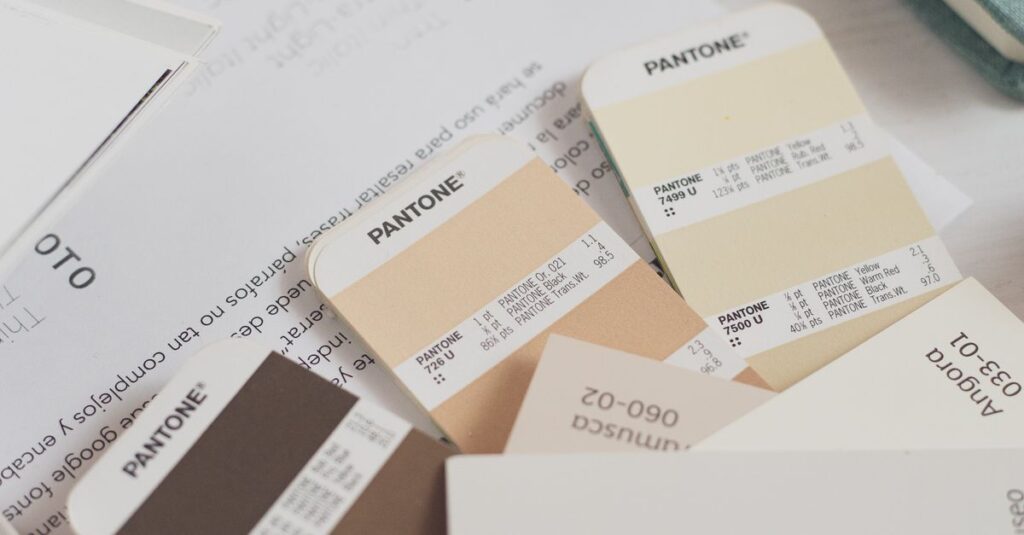
If you're still unsure, that's fine. We take calls every day from people who don't know the difference between CMYK and PMS. And we help them get it right. Sri Rama Notebooks — call or email, we'll walk through your options together.