

What Does ‘Type to Print’ Actually Mean for Notebook Buyers?
Look, I’ll be honest. When I first saw someone type ‘type to print’ into a search bar, I thought — typo. But then it kept happening. Procurement managers, school administrators, even a distributor from Dubai once. They all meant the same thing: what kind of printing do I choose for my notebooks?
It’s not a dumb question. It’s actually the smartest one you can ask before placing a bulk order. Because the wrong type to print can ruin your budget, your deadline, or your brand’s face when someone opens a notebook and the logo looks like it was printed on a home inkjet from 2005.
I’ve been in this factory since 1985 — well, not me personally, but the company. Sri Rama Notebooks. And over four decades, we’ve seen every kind of printing disaster you can imagine. So let me save you the headache. Here’s what actually matters when you decide what type to print on your notebooks. And if you’re already tired of reading, skip straight to our printing services page.
Offset Printing vs Digital Printing — The Real Difference
Most people don’t care about the technical stuff. They care about what shows up. But here’s the thing — if you don’t pick the right type to print, what shows up might be blurry, faded, or peeling after two weeks.
Offset Printing: The Old Reliable
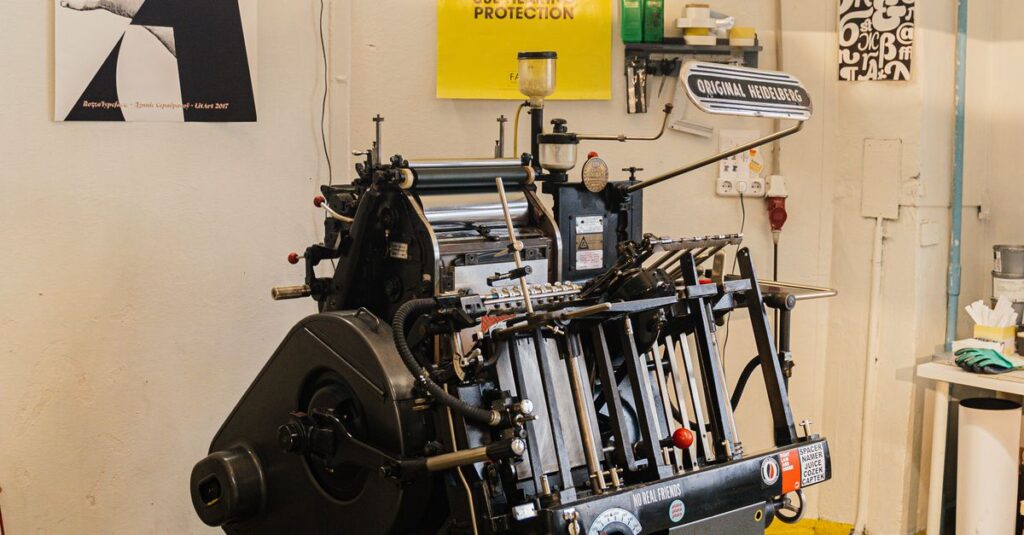
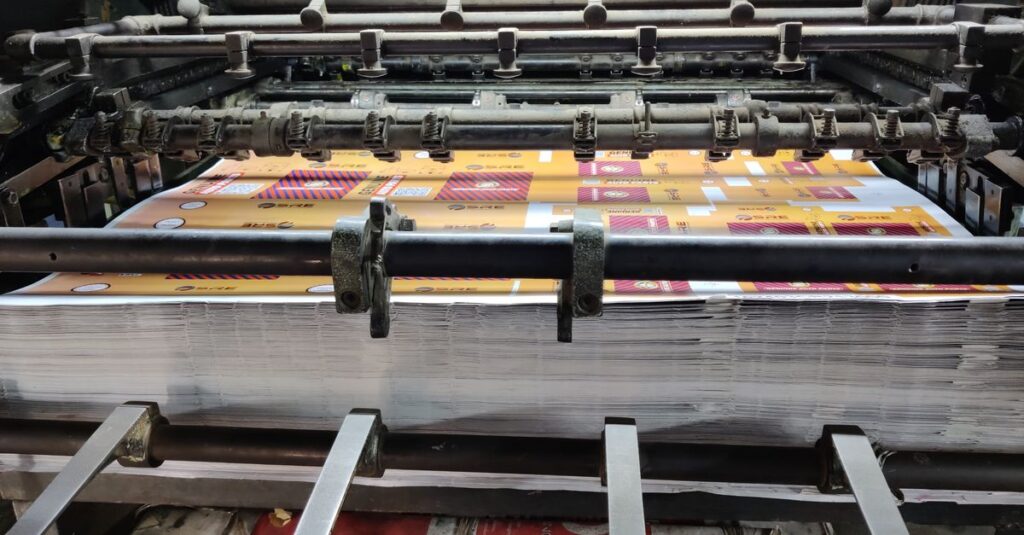
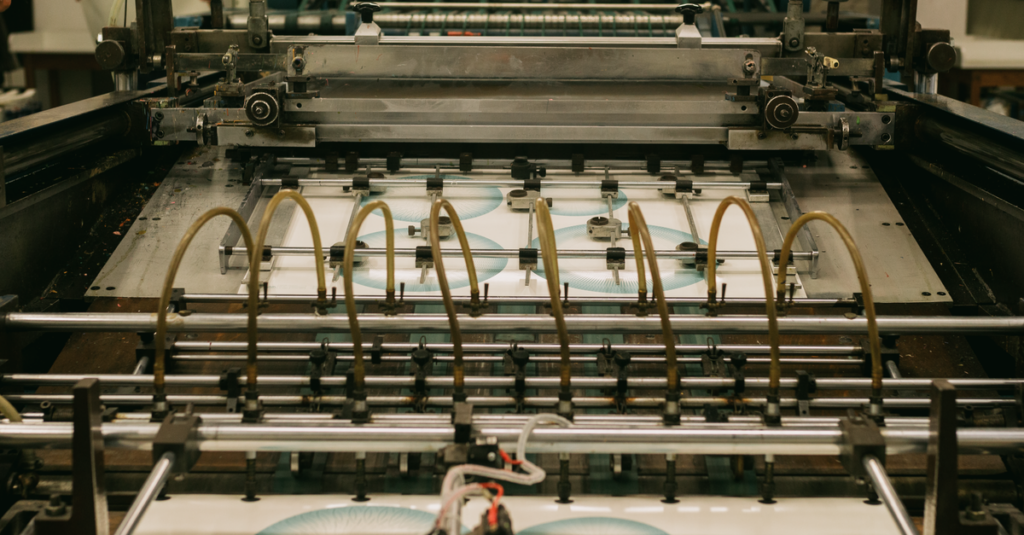
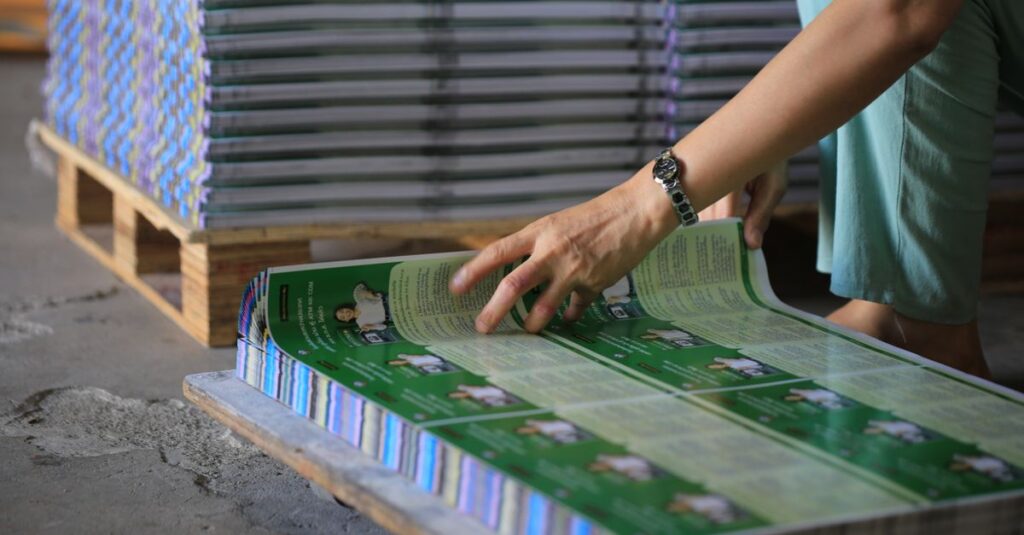
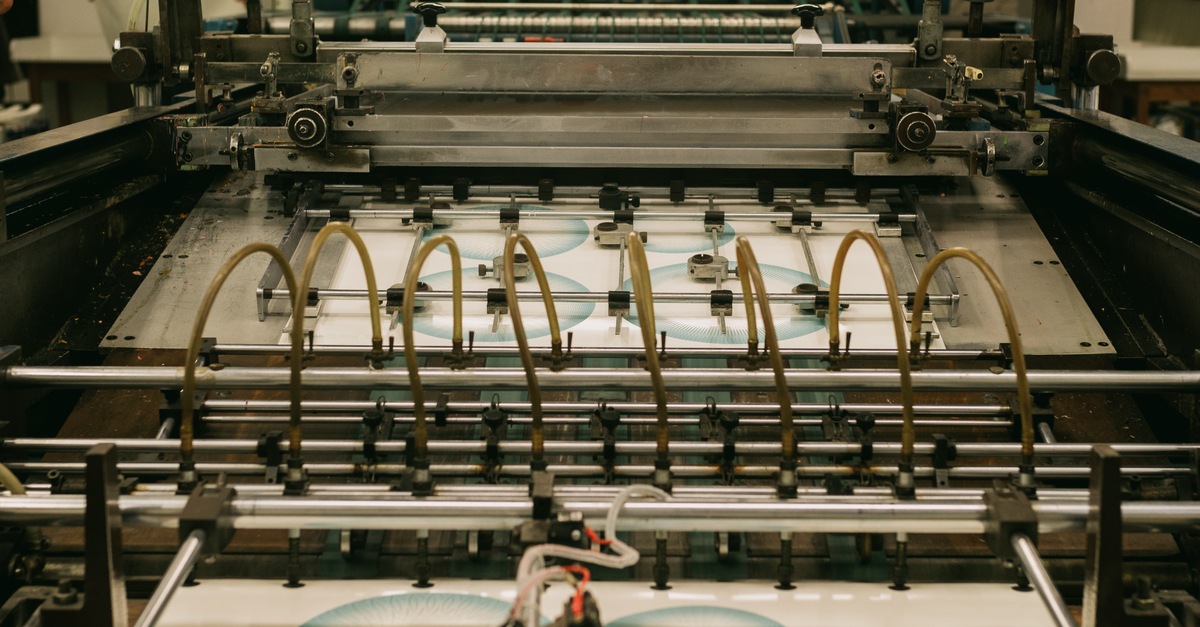
Offset lithography. Sounds fancy. It’s not. It’s just a big machine that transfers ink from a metal plate to a rubber blanket, then to paper. For notebooks, this is the gold standard. Why?
- Consistent color — batch after batch
- Sharp lines, no pixelation (even on fine text)
- Works beautifully on textured covers
- Cheaper per unit once you cross 500 copies
The catch: setup time. You need plates, which take a few hours to make. If you’re ordering 100 notebooks, offset might be overkill. But for 5,000? That’s where it shines.
Digital Printing: Fast and Flexible
Digital is like a giant laser printer. No plates. You upload a file, hit print, and out comes your cover. Perfect for short runs, samples, or when you need it yesterday.
But here’s what nobody tells you: digital printing on notebook covers — especially those textured, coated covers — can look flat. The ink sits on top. It doesn’t soak in. So if you want that premium feel, offset wins. Every time.
I had a client from Hyderabad last year. Ran a school chain. Needed 10,000 notebooks with their logo. Went digital to save a week. The logo bled on the first batch. We had to redo it. Offset would have been faster in the end. We handle both, by the way.
Foil Stamping, Embossing, and Other Fancy Finishes
Now we’re talking about the type to print that makes people go ‘wow’. Foil stamping. Embossing. Debossing. These aren’t really printing — they’re finishing. But they’re often grouped together when people ask about printing on notebooks.
Here’s a quick breakdown:
- Foil stamping — metallic look (gold, silver, copper). Heat and pressure transfer foil onto the cover. Looks expensive. Because it is.
- Embossing — raises the design. Touchable. Premium diaries love this.
- Debossing — indents the design. Subtle. Classy.
These are not for cheap notebooks. They’re for corporate gifts, wedding diaries, high-end journals. If you’re a procurement manager ordering for a CEO’s annual gift, this is the type to print you want. But if you’re supplying notebooks for a school exam, don’t waste your money. Stick to offset.
Expert Insight: A Real Conversation with a Printer
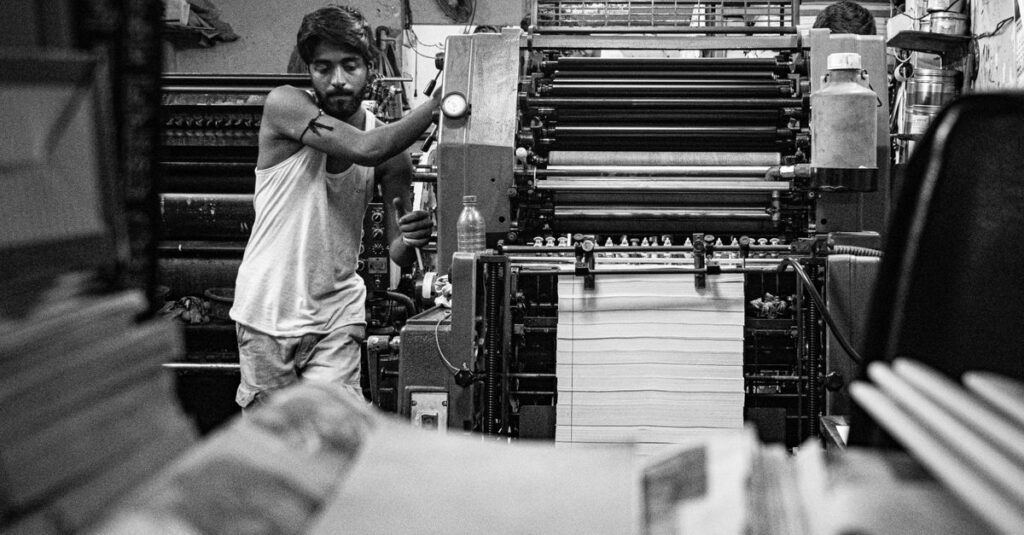
I was standing next to our press operator last month — Raju, been with us for 22 years. We were setting up a run of 20,000 notebooks for a university. He looked at the job sheet and said, “They want foil on the cover and inside printing with spot UV.” I asked him what he thought. He just shrugged. “They’ll pay double and still complain the foil scratches.”
That stuck with me. Because it’s true. Foil is beautiful, but it’s not durable. If those notebooks go into a backpack and rub against keys, the foil will wear off. The client didn’t ask about durability. They just saw samples in our showroom and wanted the same finish.
So here’s my unsolicited advice: before you decide on a type to print, think about where the notebook will live. A desk diary? Foil is fine. A student’s notebook? Offset print with a laminate cover. That’s the workhorse. And honestly? Most people don’t need anything fancier.
Comparison Table: Offset vs Digital vs Foil Stamping
| Feature | Offset Printing | Digital Printing | Foil Stamping |
|---|---|---|---|
| Best for quantity | 500+ (ideal for 2000+) | 1–500 | Any quantity (setup cost per job) |
| Color quality | High, consistent | Good, but can vary | Metallic only |
| Durability | Excellent (ink bonds with paper) | Moderate (sits on surface) | Low (can scratch) |
| Cost per unit (large run) | Low | High | High |
| Turnaround time | 3–5 days (including setup) | 1–2 days | 2–4 days |
| Cover compatibility | Most papers and textures | Best on smooth, uncoated | Any smooth cover |
This isn’t exhaustive. Type to print also includes screen printing (for fabric covers) and letterpress (for vintage looks). But nine times out of ten, these three are what you choose from.
Real-Life Micro-Story: The School Principal Who Chose Wrong
Sunita Sharma, 52, principal of a private school in Visakhapatnam. She ordered 3,000 notebooks for the new academic year. Wanted the school crest on the cover. She went with a local printer who offered digital printing at half the price. The crest came out pixelated — the image was too small. Instead of reprinting, she accepted the batch.
Within two weeks, parents complained. The cover peeled. The logo faded. She called me, almost in tears. We printed a replacement run in offset, four days, full color, sharp as a photograph. Cost more. But she never compromised on the type to print again.
That story sticks because it’s not about the money. It’s about trust. When you put your name on a notebook, you want it to last. And that starts with choosing the right print method.
How to Choose the Right ‘Type to Print’ for Your Bulk Order
Here’s a simple checklist I give to every corporate buyer who calls us:
- Quantity: Over 500? Offset. Under 500? Digital.
- Cover material: Textured or coated cover? Offset or foil. Digital may fail.
- Budget per notebook: Less than ₹10? Digital. High-quality appearance? Offset.
- Deadline: Need it in 2 days? Digital. Can wait 4–5 days? Offset gives better value.
- Branding expectation: Premium image? Foil or embossed logo. Functional? Offset print with lamination.
And one more thing — don’t trust the sample too much. Samples are made under ideal conditions. The real test is the production run. Ask your manufacturer for a “press proof” before full production. That’s the closest you’ll get to the final product. We offer that, by the way.
Frequently Asked Questions
What does ‘type to print’ mean for notebooks?
It’s a shorthand question people ask when they want to know which printing method — offset, digital, foil, etc. — is best for customising notebooks. The answer depends on quantity, budget, and how premium you need the final product to look.
Which type of printing is best for bulk notebook orders?
Offset lithography. It gives consistent colour, sharp details, and the lowest cost per unit for runs over 500 notebooks. It’s the industry standard for schools, colleges, and corporate orders. Digital is only better for very small quantities.
Can I print logos on both the cover and inside pages?
Yes. Most manufacturers offer cover printing (offset/digital/foil) and inside page printing (usually offset for ruled pages). For inside pages with custom ruling or branding, offset is almost always used because of its speed on large paper sheets.
How long does it take to print custom notebooks?
Digital: 1–2 days. Offset: 3–5 days (includes plate making). Foil/embossing adds 2–3 days. Total depends on quantity and complexity. Always ask for a timeline and add a buffer for proof approval.
Do you offer a sample before production?
Yes. We can print a single sample (digital proof or press proof) for a small fee. We recommend this for first-time buyers. It helps you see the actual paper, ink, and finish before committing to the full order. Contact us for details.
Conclusion
Two things I want you to take from this. First: the cheapest type to print is rarely the best. Second: a conversation with your manufacturer about your actual use-case (not just the sample) will save you money and regret. I don’t have a perfect formula here. Every order is different.
What I do know: if you’re ordering in bulk, take the extra day to get offset. If you’re ordering for a premium purpose, invest in foil or embossing. And if you’re still unsure, just call us. We’ve been doing this long enough to tell you straight. Get in touch with Sri Rama Notebooks.