Let me be honest: most people don't think about their writing pad until they run out of space. Or the paper bleeds. Or the binding breaks halfway through a meeting. I've seen it happen. Frustrating, isn't it? An a4 writing pad is more than just paper — it's the tool you reach for when you need to capture ideas, take notes, or plan your week. If you're buying in bulk for your office, school, or institution, you want something that works. Every time. That's where Sri Rama Notebooks comes in. We've been making notebooks and pads since 1985 — and we know what makes a good writing pad.
What Exactly Is an A4 Writing Pad?
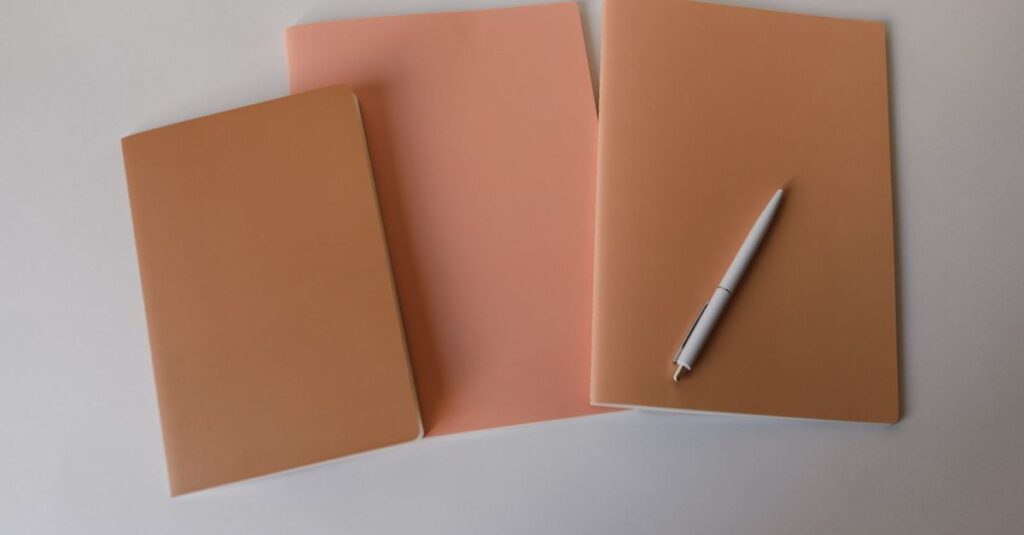
An A4 writing pad is a stack of paper sheets, bound at the top or side, sized to the A4 standard (210 x 297 mm). Unlike a notebook, it's usually designed to be torn off cleanly. You use it for meetings, rough drafts, to-do lists, quick calculations. The kind of thing you don't need to keep forever. But you do need it to write well.
Here's the thing — not all A4 pads are the same. Some have thin paper that ghosts. Others have binding that won't lay flat. The good ones? They use quality paper (around 70-80 GSM is ideal for most pens) and a sturdy gummed or spiral binding. I've seen cheap pads where the sheets fall out before you even use them. Which is a headache, honestly.
Most people I've spoken to at schools and offices say the same thing: they just want a pad that doesn't mess up their writing. They don't care about fancy covers. They care about paper that takes ink without bleeding, and a clean tear-off every time. And that's what we focus on at Sri Rama Notebooks.
A4 Writing Pad vs A4 Notebook: Which Should You Choose?
You might be wondering: why not just use an A4 notebook? It's a fair question. I'll tell you the difference. A notebook is meant for long-term storage. You write in it, keep it, refer back to it. A writing pad is more temporary. You use it, tear off the page, maybe throw it away. Or file it. Or give it to someone.
Think about a meeting. You take notes on a pad, then later you might need to hand that page to a colleague. With a notebook, you'd have to rip it out — and that's never a clean process. With a pad, it's designed for that. One clean tear. No loose threads.
But there's more to consider. Let me put it in a table.
| Feature | A4 Writing Pad | A4 Notebook |
|---|---|---|
| Binding | Gummed top, spiral, or perforated | Stitched, sewn, or spiral |
| Primary use | Short-term notes, drafts, lists | Long-term notes, journals, records |
| Sheet removal | Easy and clean tear-off | Ripping out pages damages the book |
| Cost per page | Usually lower | Higher due to binding and cover |
| Customization | Logo printing, custom covers possible | Same, but often more expensive |
| Best for | Offices, classrooms, quick notes | Students, professionals who file |
So if you're buying for a corporate office or a training institute, an A4 writing pad makes more sense. It's cheaper, easier to share notes, and less bulky. But if you need something for permanent records, go with a notebook. Or get both.
How A4 Writing Pads Are Made (And Why It Matters)
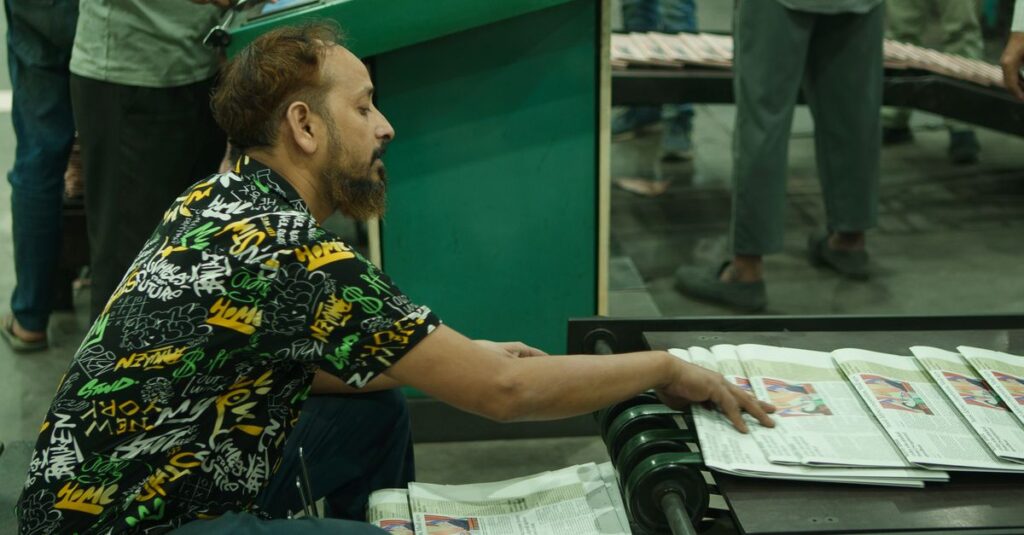
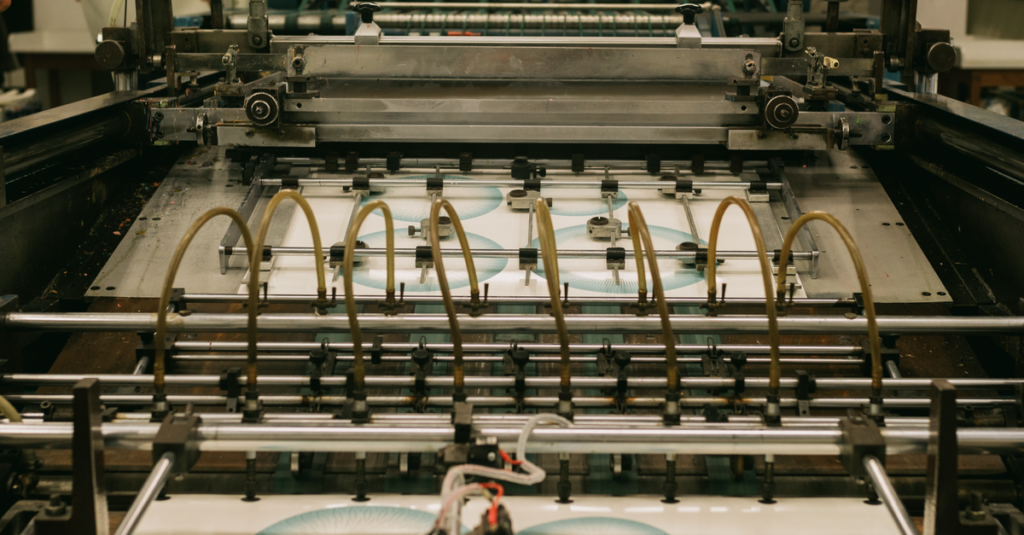
I'm going to get a little geeky here, but stay with me. The manufacturing process affects the final product more than you'd think. At our factory in Rajahmundry, we start with the paper. We use around 70-80 GSM bond paper for most A4 pads. Not too thin, not too thick. It handles fountain pens, ballpoints, and gel pens well.
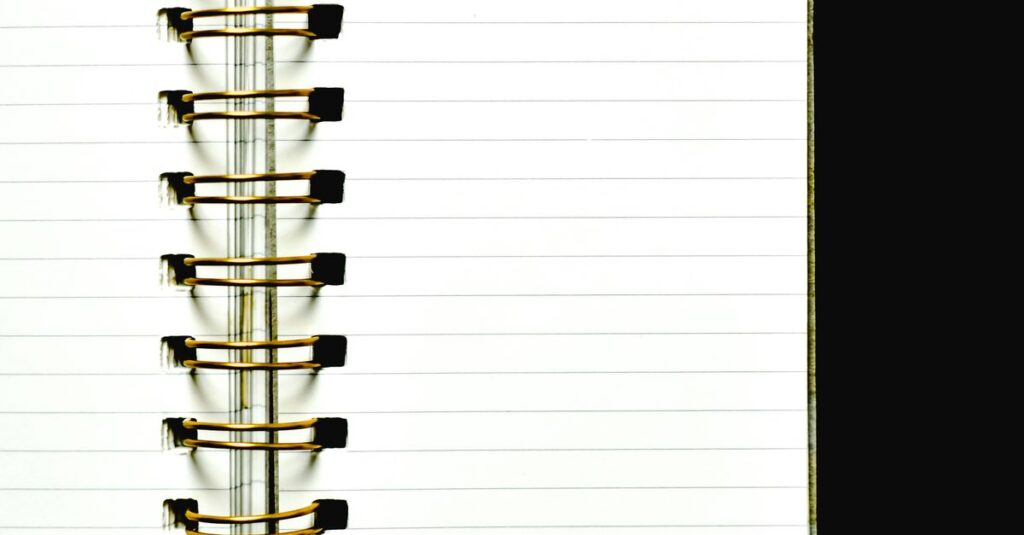
Then the binding. Most A4 pads are either gummed (glued at the top) or spiral bound. Gummed pads are cheaper but less durable. Spiral binding allows the pad to lay flat and fold back. For bulk orders, we offer both. I personally prefer spiral for anything that will get heavy use.
Expert Insight
I remember sitting in our factory about two years ago, watching one of our senior operators adjusting the spiral binding machine. He said something that I keep coming back to: 'A good pad doesn't announce itself. You only notice it when it's bad.' I think that's true for most things, but especially for writing pads. The ones that work well are the ones you forget about. The bad ones? You remember every bleed-through, every loose sheet, every time the gum gives out.
Anyway. Where was I. The point is, the small details matter. The type of glue. The perforation depth. The alignment of the paper. When you're ordering thousands of pads, you want consistency. That's what we've built over 40 years.
Why Bulk Buyers Prefer A4 Writing Pads
Let me tell you about Ravi. He's 34, procurement manager at a training institute in Visakhapatnam. Orders writing pads every quarter. Last year, he switched to A4 pads from Sri Rama Notebooks — because the previous ones kept falling apart. He told me, 'I don't have time to deal with paper quality complaints.' That stuck with me.
He's not alone. I've heard the same from school principals, corporate secretaries, and stationery distributors. They want a product that works without fuss. Here's what they look for:
- Clean tear-off every time
- No ink bleed on the next page
- Sturdy enough to write on without a desk
- Consistent quality across batches
- Competitive pricing for bulk orders
And that's exactly what we deliver. Our production capacity is 30,000-40,000 units per day, so we can handle large orders without delay. Plus, we can customize the covers with your logo, school name, or brand. Want a specific paper size or ruling? We can do that too.
Real-Life Micro-Story
Ravi once told me a story about a batch of pads that arrived with the perforation slightly off. The sheets tore unevenly. He had to manually inspect each one. Took him two days. He said, 'Never again.' Since then, he's only bought from us. I'm not saying that to brag. I'm saying that quality control is everything when you buy in bulk. One bad batch can ruin your reputation.
Custom A4 Writing Pads for Your Brand
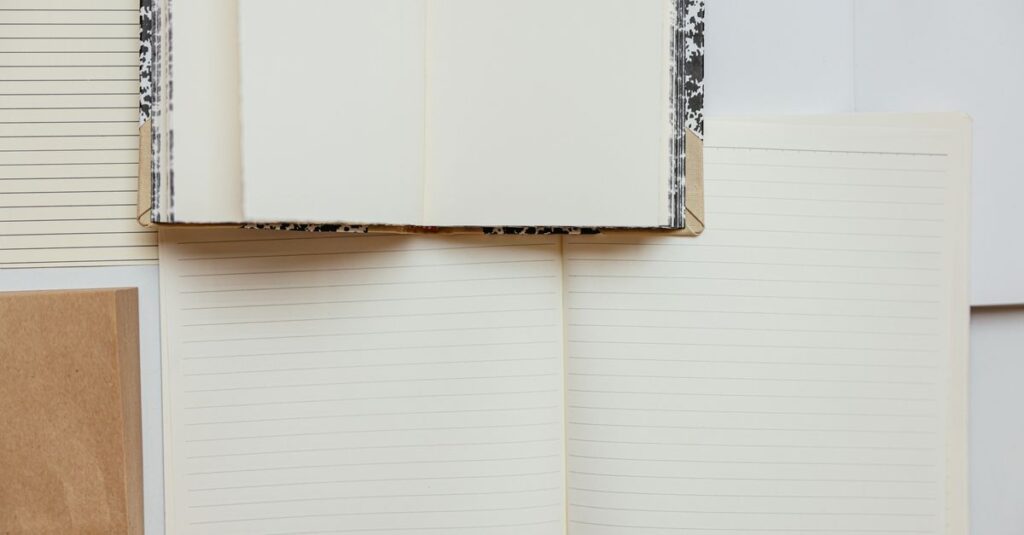
Maybe you want your company logo on every pad. Or your school crest. Or a custom design that matches your brand colors. Good news: we do that. Custom printing on A4 writing pads is one of our specialties. We offer offset printing for large runs, and digital for smaller quantities. You can choose the cover material, the paper ruling (single ruled, blank, grid, etc.), and the binding type.
I'll be direct: if you're ordering less than 500 pads, it might not be cost-effective for full customization. But for bulk orders — 1000, 5000, 10,000 — it's absolutely worth it. Your brand gets seen every time someone uses the pad. That's cheap advertising.
We also offer private label and OEM options. You can sell the pads under your own brand. We handle the manufacturing, you handle the distribution. It's a model that works well for stationery distributors and international buyers.
Check out our customization options to see what's possible.
Frequently Asked Questions
What is an A4 writing pad used for?
An A4 writing pad is used for taking notes in meetings, making to-do lists, drafting ideas, solving problems, and any situation where you might need to tear off and share a page. It's common in offices, schools, and training settings.
What's the difference between an A4 writing pad and an A4 notebook?
An A4 writing pad is designed for easy sheet removal, often with gummed or perforated binding. A notebook is meant for long-term storage with stitched or sewn binding. Pads are typically cheaper per page and more suited for temporary notes.
Can I get custom printed A4 writing pads with my logo?
Yes, we offer custom printing on A4 writing pads. You can add your logo, text, or full-color design on the cover. We also offer custom paper rulings and binding options. Minimum order quantities apply for full customization.
What paper weight is best for an A4 writing pad?
For most writing purposes, 70-80 GSM paper is ideal. It's thick enough to prevent ink bleed, but light enough to keep the pad slim. For fountain pens, 80 GSM or higher is recommended. We can supply different GSM based on your needs.
How many sheets are in a standard A4 writing pad?
Standard A4 writing pads typically come with 50, 80, or 100 sheets. We can also produce custom sheet counts from 20 to 200 sheets per pad, depending on your requirements and binding type.
Final Thoughts
Two things I want you to remember. First, the quality of your writing pad affects how you work — even if you don't notice it. Second, buying in bulk from a reliable manufacturer saves you headaches. I don't think there's a perfect pad for everyone. But if you're looking for something that holds up, Sri Rama Notebooks might be worth a call. Check our range here.