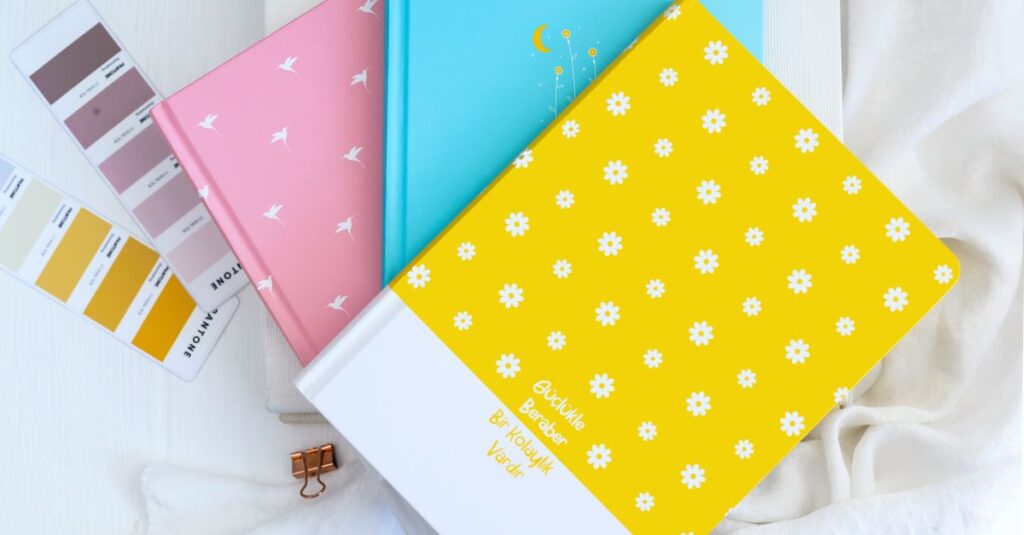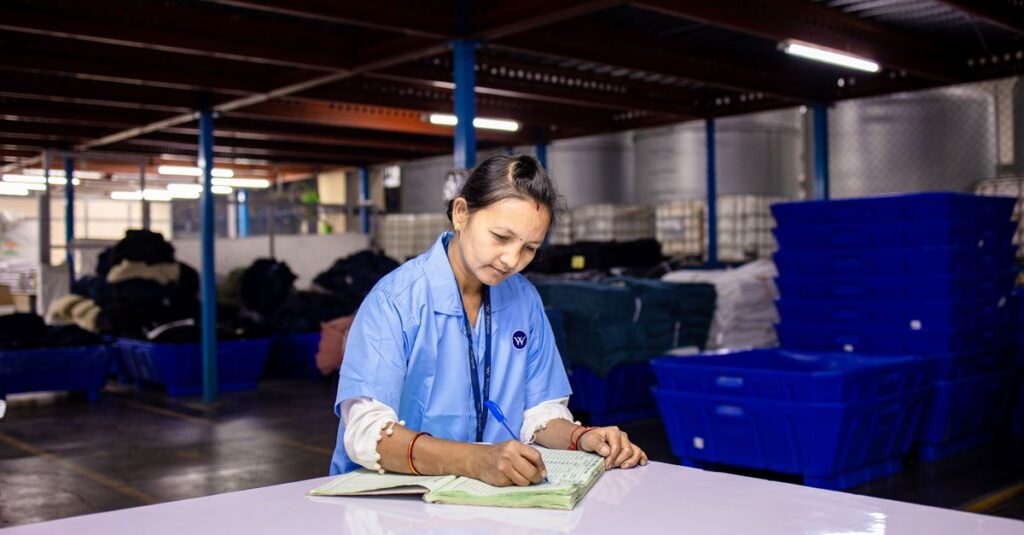
I'll be honest: most people ordering notebooks in bulk have no idea what they're doing when it comes to the cover. They spend hours on paper quality, ruling patterns, and binding. Then they pick a cover design in ten minutes. And wonder why the notebooks don't feel right. Sri Rama Notebooks has been printing covers since 1985. I've seen every mistake. And I've seen what works. So let's talk about book cover printing — the stuff nobody tells you before you place that order.
Why Book Cover Printing Is More Complicated Than It Looks
You'd think a cover is just a piece of paper with print. But it's not. The cover takes the most abuse. It gets bent, stacked, stuffed in bags. If it's not printed right, it peels, fades, or looks cheap. And that's the first thing people see.
I remember Rajesh. He's a procurement manager in Hyderabad, 42 years old. Ordered 10,000 notebooks for a corporate event. The cover looked great in the sample. But after a month, the lamination started peeling off at the edges. He called me frustrated. Embarrassed in front of his boss. Now he asks about lamination before anything else.
Here's the thing: book cover printing involves substrate, ink, coating, and binding. Each affects the other. Change the paper weight and the ink behaves differently. Add lamination and the colors shift. It's a system. And you can't pick parts in isolation.
Most people don't realize that. They think a cover is a cover. It's not. It's the difference between a notebook that lasts a year and one that falls apart in a month.
The Most Common Mistakes in Book Cover Printing
I've seen the same mistakes for decades. They're predictable. But avoidable.
- Wrong paper weight — Too thin and the cover bends. Too thick and it won't fold properly.
- Skipping lamination — Uncoated covers get dirty and scuffed fast.
- Poor design resolution — Images that look fine on screen print blurry. Always test at actual size.
- Ignoring bleed area — Without bleed, white edges show after trimming.
Here's a comparison so you can decide between two common finishes:
| Feature | Matte Lamination | Glossy Lamination |
|---|---|---|
| Durability | Good, but shows scratches more | Excellent, hides light marks |
| Look | Soft, professional, non-reflective | Shiny, vibrant, eye-catching |
| Feel | Smooth, velvety | Slick, slightly plastic |
| Cost | Moderate | Similar |
| Suitability | Corporate diaries, premium notebooks | School notebooks, colorful covers |
I remember a client from 2018 — he wanted a matte finish because it looked 'premium'. But his notebooks were for school kids. Within a week the covers were scuffed and ugly. He came back to us saying he should have listened. I think — and I could be wrong — that's a lesson a lot of people learn the hard way.
But that's a separate thing.
What You Need to Know About Cover Materials
The material you choose for your book cover printing determines everything. Durability, feel, print quality, even the binding method.
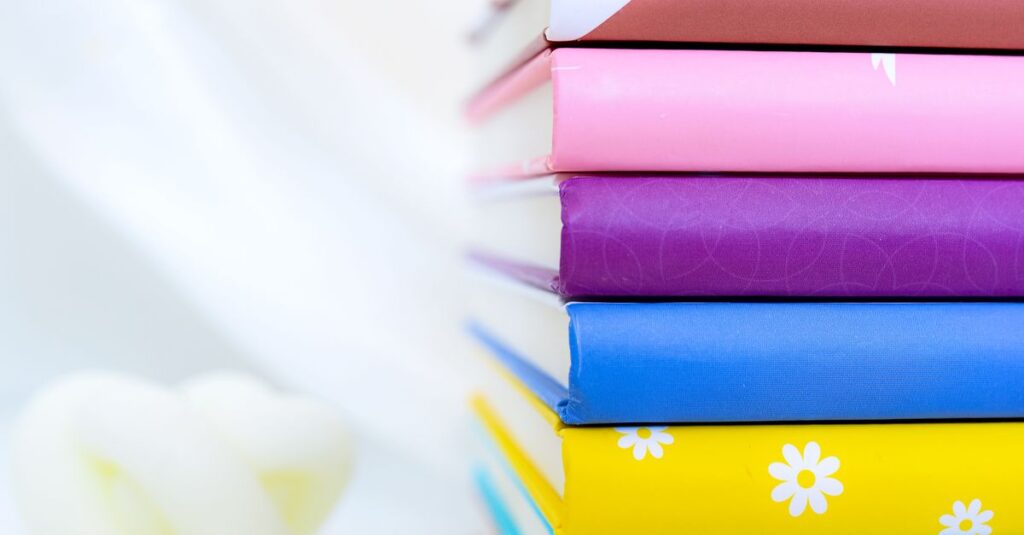
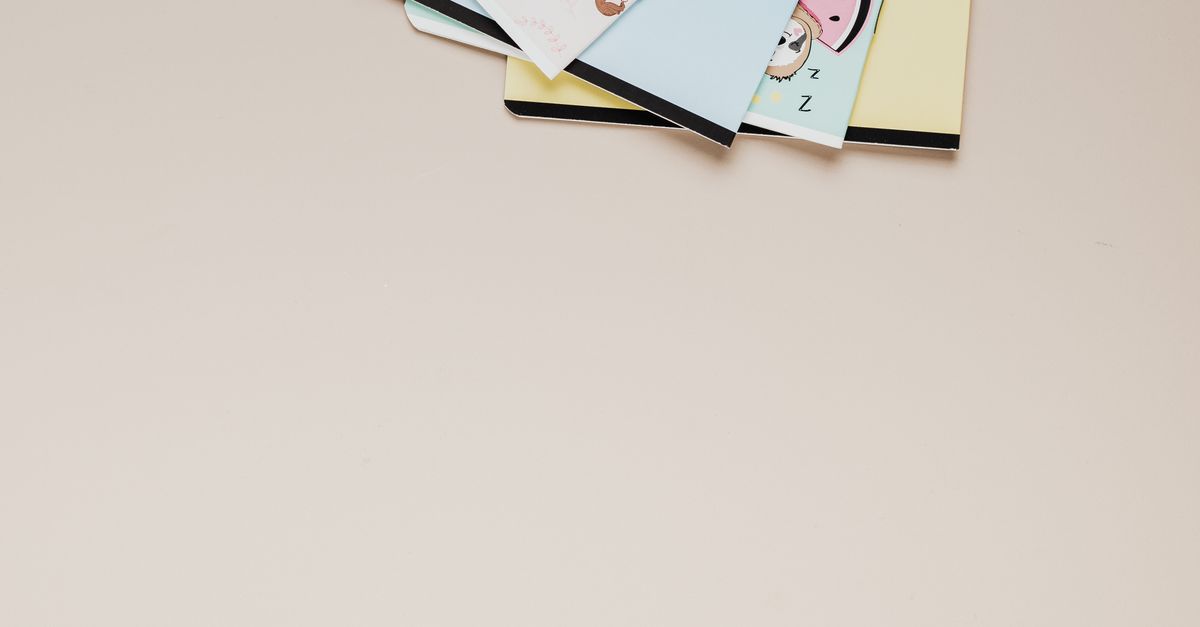
Most standard notebook covers use 250-300 GSM paperboard. That's thick enough to hold shape but flexible enough to fold. For hardcover notebooks, you're looking at laminated boards — much stiffer, much more expensive.
Things to check before approving a cover sample:
- Thickness — measure with a caliper, don't guess.
- Stiffness — it's not about thickness. Actually, that's not entirely accurate. Thickness matters, but stiffness matters more. A thin but stiff board can feel better than a thick floppy one.
- Resistance to moisture — if you're in a humid climate, this is critical.
- Print sharpness — look at fine text and logos. If they're fuzzy, the material or printing method is wrong.
I was talking to a supplier last week — over coffee, actually — and he said something I keep thinking about: "The cover is the first impression. You don't get a second chance." He's right.
The Printing Process — From Design to Finished Cover
Let me walk you through how a typical cover gets printed at our facility. It's not magic. It's machines and people and patience.
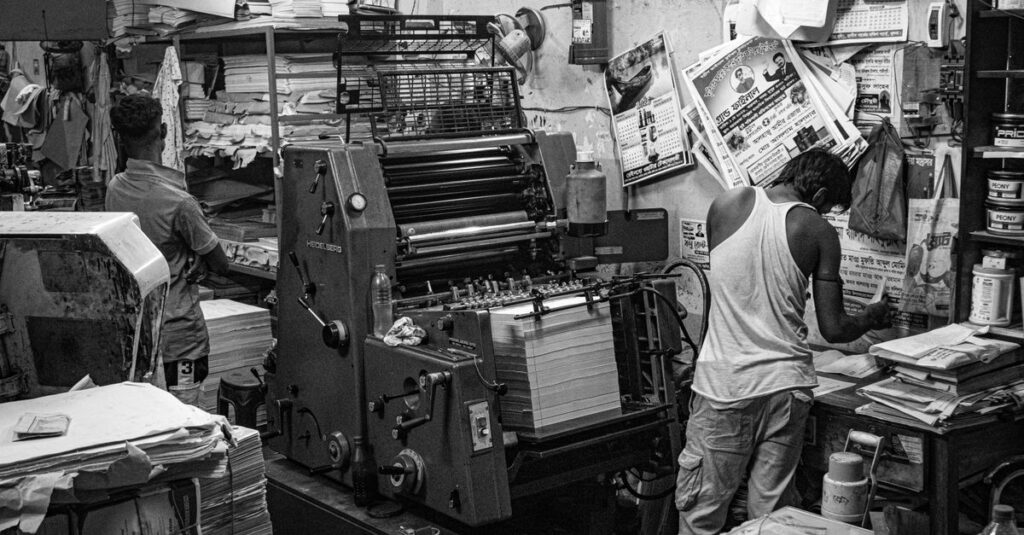
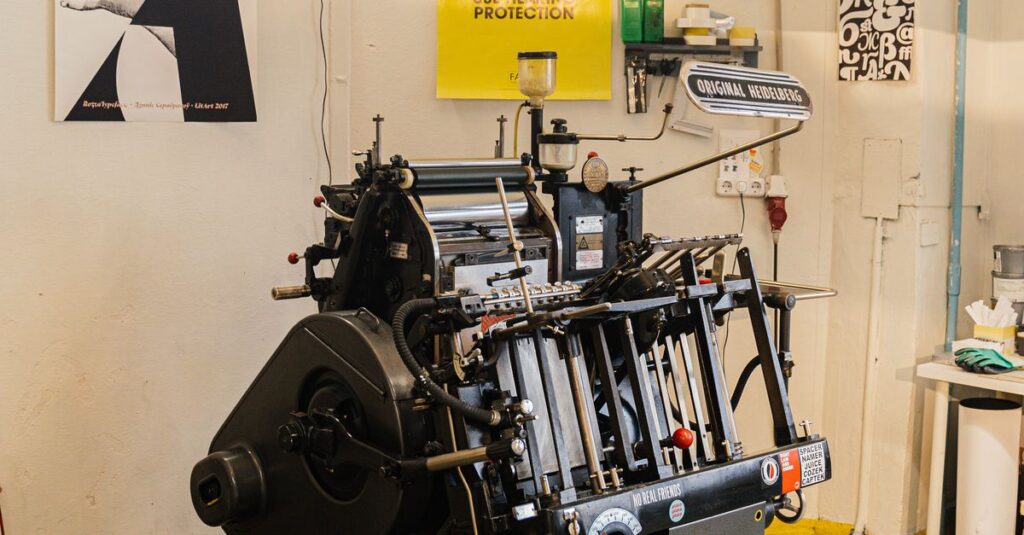
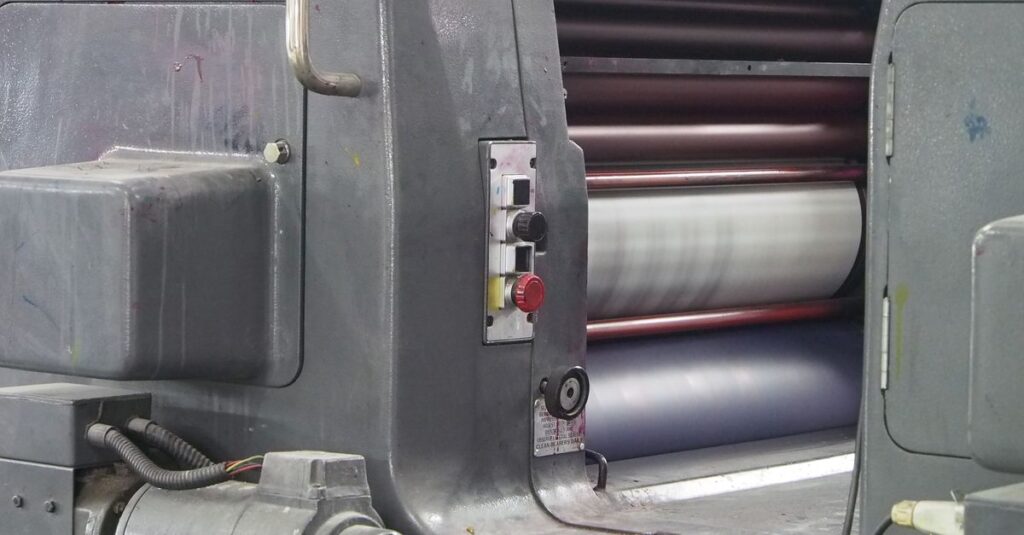
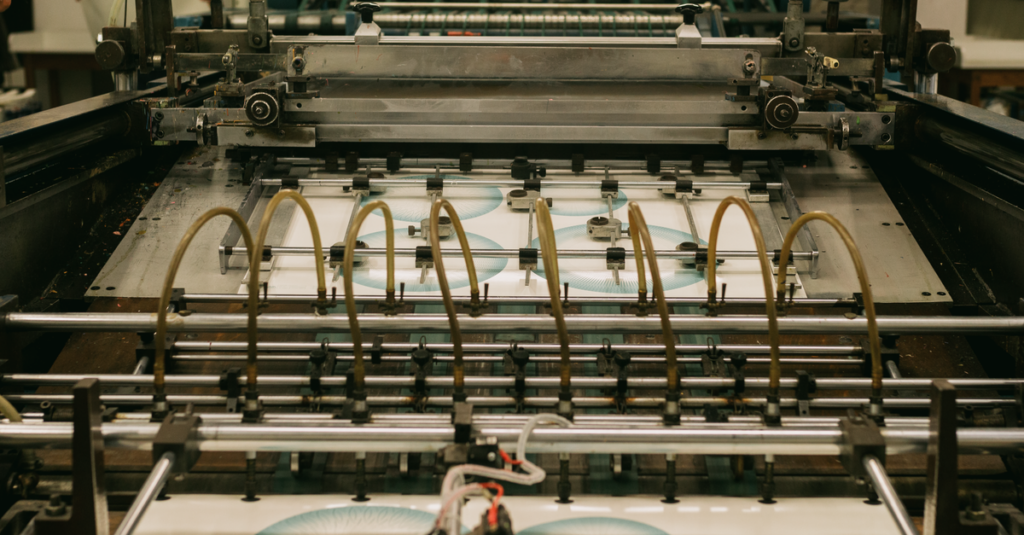
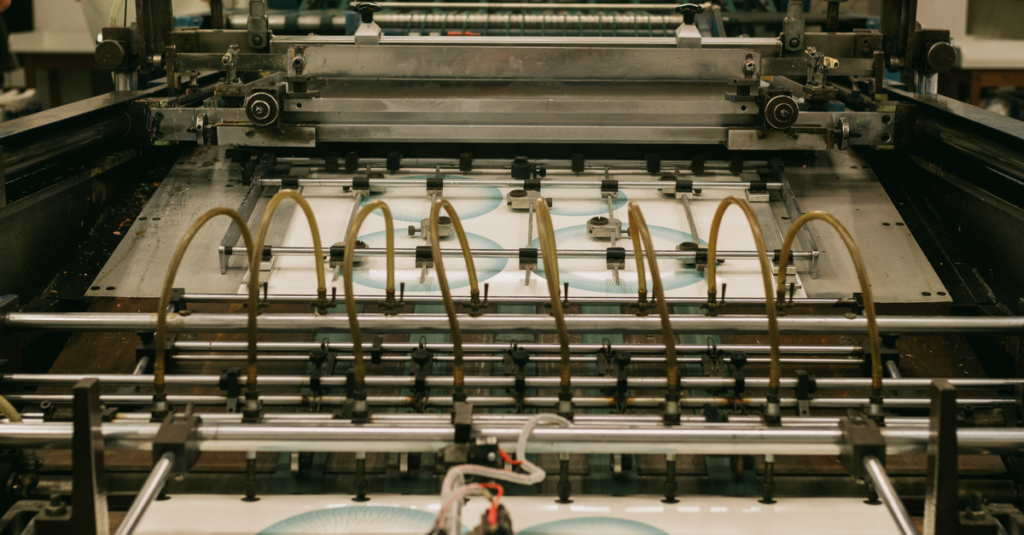
First, the design is prepared. We check resolution, color space (CMYK not RGB), and bleed. Then the plates are made for offset printing. For short runs, we use digital. The sheets run through the press. Ink dries. Then lamination is applied — either matte or glossy. Then the sheets are cut to size, scored for folding, and glued onto the pages.
Anita, 35, runs a small stationery shop in Rajahmundry. She ordered custom notebooks for a local college. The cover had a logo that needed to be spot-UV. She was nervous about the cost. I told her — it's worth it. And she agreed after seeing the final product. The college loved it. They ordered again next year.
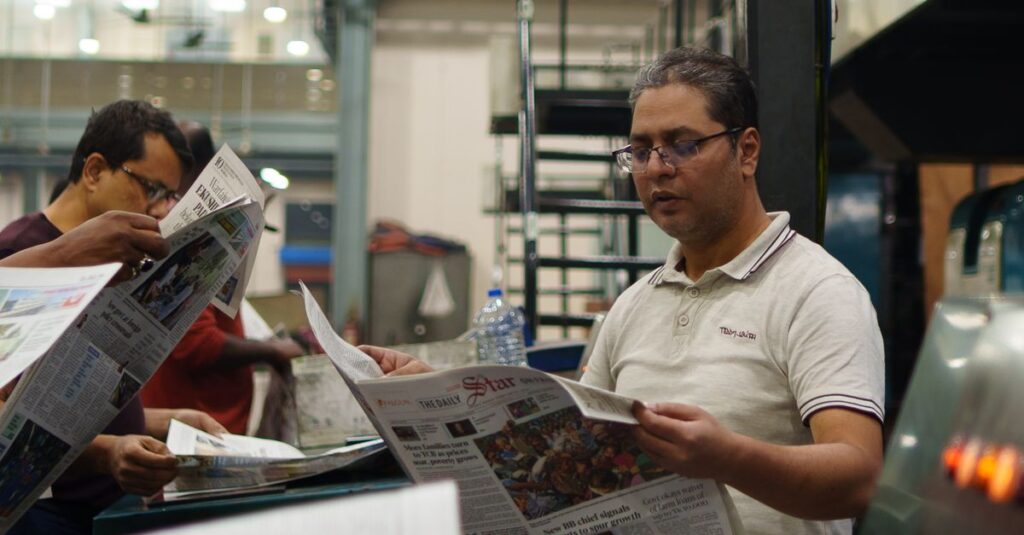
The machine hums. Ink spreads. The smell of paper and solvent. Someone checks the alignment. Adjusts a knob. Another sheet comes out. It's not perfect yet. But it's close.
How to Choose a Book Cover Printing Partner
You don't want to learn this the hard way. So here's what to look for:
- Experience — have they done similar work? Ask for samples.
- Equipment — offset or digital? Both have strengths.
- Sample turnaround — how fast can they send a proof?
- Minimum order — some manufacturers won't do small runs.
- Customization options — foil stamping, embossing, spot UV, etc.
Why does this matter? Because a bad cover ruins the whole notebook. You can have the best paper inside, but if the cover peels, people will think the notebook is cheap. And they won't buy again.
At Sri Rama Notebooks, we've been printing covers for 40 years. We know what works. But don't take my word for it. Ask for a sample. Test it. Bend it. Scuff it. If it survives, you've found your partner.
Frequently Asked Questions
What is the best material for notebook covers?
For most bulk notebooks, 250-300 GSM paperboard with lamination works well. It balances durability and cost. For premium diaries, hardcover with cloth or leatherette is better.
Can I print a full-color design on the cover?
Yes. Full-color offset printing is standard for book cover printing. Just make sure your design has proper CMYK colors and at least 3mm bleed. We can also add spot colors for logos.
How long does book cover printing take?
Typically 10-15 working days for a bulk order. This includes design proofing, printing, lamination, and binding. Rush orders are possible but may cost extra.
What is the minimum order quantity for custom covers?
We usually require 500 units minimum for custom book cover printing. For smaller quantities, digital printing is an option. Contact us for details.
Do you offer embossing or foil stamping on covers?
Yes. We offer embossing, debossing, foil stamping (gold, silver, copper), and spot UV. These add a premium feel and are great for corporate diaries or special editions.
I don't think there's a perfect formula for book cover printing. Every order is different. But if you've read this far, you're probably already thinking about what you need. That's more than most people do.
Takeaway one: the cover matters more than you think. Takeaway two: test samples before committing. Takeaway three: work with a manufacturer who tells you the truth, not what you want to hear.
If you're looking for a partner, Sri Rama Notebooks has been doing this since 1985. We're not perfect. But we're honest.