What Exactly Is a Book Note?
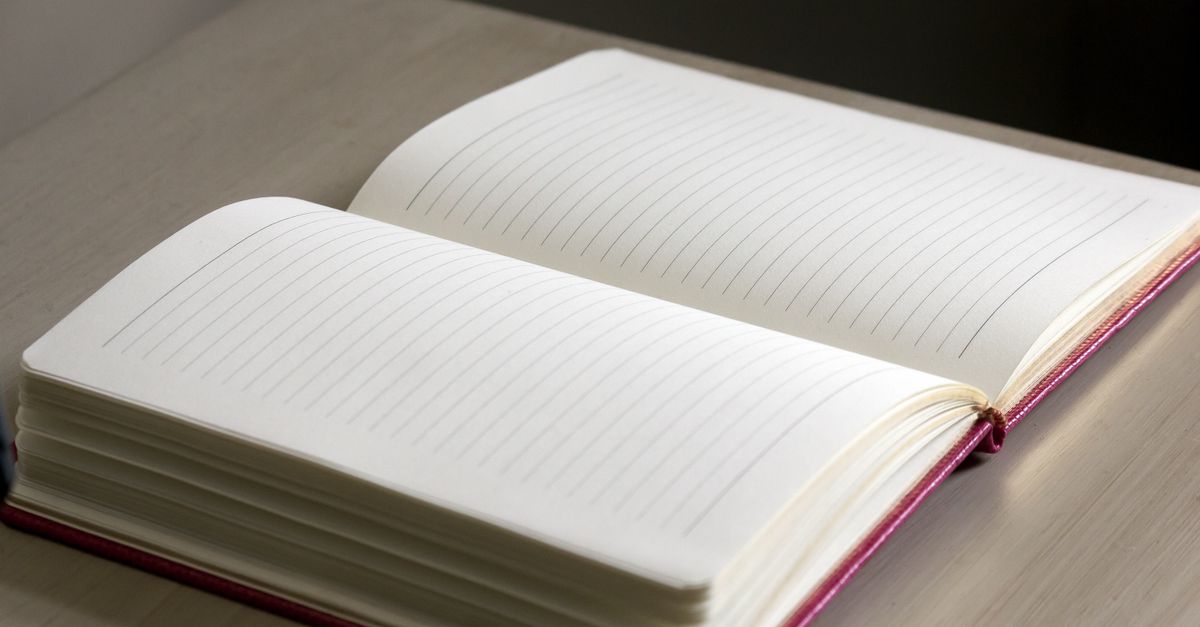
Here's something I've noticed over four decades of building notebooks. People call things by different names. A student in Vijayawada asks for a “book note.” A corporate buyer in Dubai calls it a “notebook.” A school principal in Rajahmundry says “exercise book.” They're all talking about the same thing — a bound set of blank or ruled pages for writing.
But here's where it gets interesting. The search for a “book note” usually comes from someone who isn't a native English speaker. Or someone looking for a specific kind of notebook — something between a scribbling pad and a formal diary. Not too flimsy. Not too fancy. Just a solid, reliable book note that can take daily use without falling apart. I think that's what most people actually want, even if they don't say it.
If that sounds familiar, you might want to check out what we do at Sri Rama Notebooks. We've been making these for a while.
The Real Difference Between a Book Note and Other Notebooks
It's Not Just About the Name
Look, I'll be direct. A lot of manufacturers will tell you there's a massive technical difference. That's marketing talk. In reality, a book note is defined more by what it doesn’t have than what it does. It doesn’t have a leather cover. It doesn’t have a ribbon bookmark or an elastic closure. It’s stripped down to the essentials: paper, binding, covers. That's it.
But don't confuse simple with cheap. I’ve seen book notes that cost more than corporate diaries because the paper quality was actually better. Page count matters too — a good book note for accounting work might have 700 pages. That’s a lot of paper.
What a Book Note Usually Has
- Ruled pages (single, double, or four-line for handwriting practice)
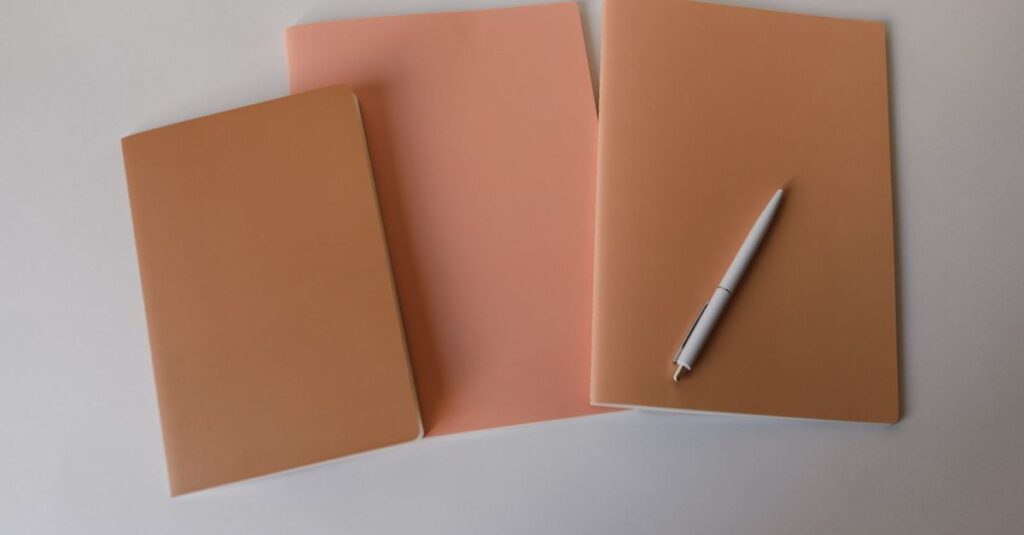
- Cardboard or laminated cover (not hardbound leather)
- Stitched or spiral binding — rarely perfect binding for this category
- Between 52 and 240 pages, typically
- Sizes range from Short (19.5 x 15.5 cm) to King Size (23.6 x 17.3 cm)
The question isn’t whether a book note is good. The question is whether it’s good for your specific use. And that depends on who's writing in it.
Who Actually Uses a Book Note?
A Quick Story
Last month I was talking to a procurement manager — let’s call him Ramesh, 48, works for a chain of 12 schools in Guntur. He told me something that stuck. He said every year he orders what the teachers call “book notes” for the students. Four different sizes. Three different rulings. About 15,000 units. And every year, at least two suppliers mess up the order. Wrong ruling. Wrong page count. Covers that peel off by October.
Ramesh doesn’t care about fancy branding. He cares that the notebook holds together for a full academic year. That’s it. That’s the entire requirement.
His story sums up the main users of book notes:
- Schools and colleges — buying in bulk for students, mostly ruled books for classwork
- Corporate offices — for internal notes, not client-facing work. Plain, functional, stackable.
- Distributors — who sell to stationery shops in smaller towns where people still ask for a “book note” by name
- Government institutions — tenders often specify “book note” as the product category
And honestly? That last one matters more than people think. Government specs are specific. If the tender says “book note, 200 pages, double ruled, crown size” — you better deliver exactly that. Nothing less. Nothing fancier.
What to Look for When Buying Book Notes in Bulk
I’ve been in this business since 1985. Not as a consultant. As someone who actually runs a factory. So here’s what I’ve learned the hard way.
Paper Quality Is the First Thing
Most school-level book notes use 54 GSM paper. That’s standard. But here’s the thing nobody talks about — GSM tells you weight, not quality. Two notebooks can both be 54 GSM and feel completely different. One is smooth, takes ink without bleeding. The other is rough, makes pens skip, and ghosts through to the next page. The difference is in the paper manufacturing process, not the number.
Ask your supplier about the paper source. If they can’t tell you, that’s a red flag.
Binding That Doesn’t Fail
A book note that loses pages after a month is worse than useless. It’s frustrating. For schools, we recommend stitched binding. It’s old-school but it works. A 92-page book note with stitched binding will outlast a 200-page perfect-bound notebook, easy.
Spiral binding is great for desk use and art books. Not ideal for students shoving notebooks into overloaded bags.
| Feature | Stitched Binding | Spiral Binding | Perfect Binding |
|---|---|---|---|
| Durability | High — holds pages firmly | Medium — wires can bend | Low — pages fall out over time |
| Cost (per unit) | Moderate | Higher | Lower |
| Best for | Schools, heavy daily use | Desk reference, drawing | Non-critical note-taking |
| Customization ease | High — logo printing works well | Moderate | High |
| Age group | All ages, especially younger students | College and above | Office notepads |
Cover Strength
Thin covers are the enemy. A 300 GSM cover is minimum for a book note that will be carried daily. Below that, bent corners and split spines become inevitable.
We use 350 GSM laminated covers as standard for our book note range. It adds maybe 2 rupees to the cost. Saves the buyer a lot of complaints.
Customization Options for Book Notes
Here’s where things get specific. If you're ordering a book note for a school or company, you probably want your name on it.
We offer:
- Logo printing on the front cover
- Custom cover design — full color or single color
- Private label — your brand name, our manufacturing
- Embossing and foil stamping for premium finishes
- Custom page counts — don't let standard sizes limit you
Most schools order with their name and emblem printed on the cover. Sometimes inside too. Companies ordering corporate book notes for internal use often just want a small logo on the bottom right corner. Discreet. Professional.
I think one of the best things we did was stop telling customers “we can only do these sizes.” Now we ask what they need first. If it fits our machines, we make it. If it doesn’t, we figure out how to adapt.
Expert Insight
I was reading something last month — I think it was an industry report from 2022 — and one number stayed with me. Something like 40% of all book notes ordered by institutions arrive with some kind of defect. Cover misalignment, wrong ruling, poor trimming. I don’t have the exact figure in front of me, don’t quote me on it. But the point is, it’s high. And that’s not because the manufacturers can't do better. It’s because the buyer didn’t ask the right questions before placing the order. A simple pre-production sample would catch half those issues. But people rush. They want the lowest price. And they end up paying twice — once for the bad books, and once for the headache of managing returns.
Don't be that buyer. Request a sample.
Frequently Asked Questions
What does the term “book note” mean in schools?
A book note is simply a notebook used for taking notes in class. In many Indian schools, the term refers specifically to ruled exercise books used for subjects like English, Science, and Mathematics. The size and page count often vary by class and subject.
Is a book note the same as a diary?
Not really. A book note is usually a simple ruled notebook for daily writing or schoolwork. A diary typically has a date-printed page, a daily planner format, and a more durable cover. Book notes are functional; diaries add a planning structure. Both can be customized for bulk orders.
What size book note is best for school students?
Most Indian schools prefer Long size (27.2 x 17.1 cm) or Short size (19.5 x 15.5 cm) for book notes. Long size fits well on desks and gives more writing space per page. Short size is lighter for younger students. Both are available in 52 to 200 page options.
Can I get custom printed book notes with my school logo?
Yes, absolutely. We print school logos, names, and custom cover designs on book notes at Sri Rama Notebooks. We recommend ordering a sample first to check print quality, ruling alignment, and paper feel. Bulk orders of 1000+ units get the best pricing.
How many book notes can a manufacturer produce per day?
A reliable notebook manufacturer can produce between 30,000 to 40,000 units per day, depending on the size, ruling complexity, and binding type. For large institutional orders, check the supplier's daily capacity and delivery timeline before committing to quantities.
So What Now?
Two takeaways, and I’ll keep it short. One, a book note isn’t complicated — but the quality behind it can vary enormously. Two, if you’re ordering in bulk, don’t rely on product descriptions. See a sample. Open it. Write in it. Try to tear a page out. That’s the only way to know.
I don’t think there’s one perfect book note for everyone. There probably isn’t. But if you’ve made it this far, you’re the kind of buyer who actually cares about getting it right. That counts for a lot. Sri Rama Notebooks has been making book notes for almost 40 years. If you want to talk specifics, we’re here.