So You Want Your Brand on a Notebook?
Here's a scene I've seen play out maybe a hundred times. A procurement manager walks into a meeting with three sample notebooks. Different sizes. Different papers. One has a logo embossed on the cover, one has it foil-stamped, one has it screen-printed. And the manager just stares at them. Which one is the right choice?
That's the thing about branding printing — it looks simple from the outside. You just put your logo on a notebook, right? Not quite. There are a dozen ways to do it, and each one changes the cost, the look, and the durability. I've been in this industry since 1985, and I still see people picking the wrong option because nobody explained the basics.
Let me break it down — what actually works, what doesn't, and what you should ask before you place that order. If you're thinking about bulk orders, Sri Rama Notebooks might be worth a look.
The Different Ways to Put Your Name on Paper
Most people think branding printing is just one thing. Slap a logo on a cover and you're done. But there are at least four methods we use regularly, and each one does something different.
Offset Printing
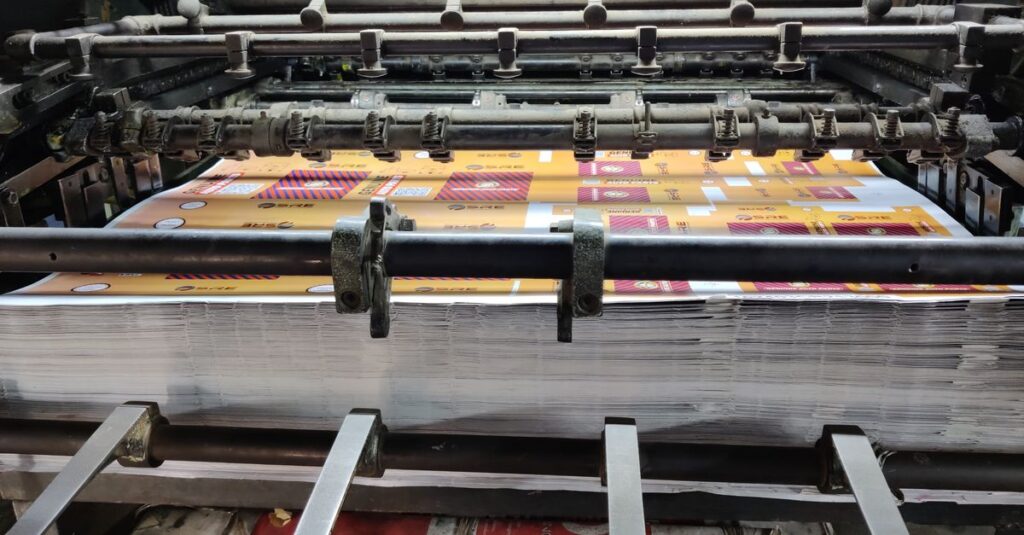
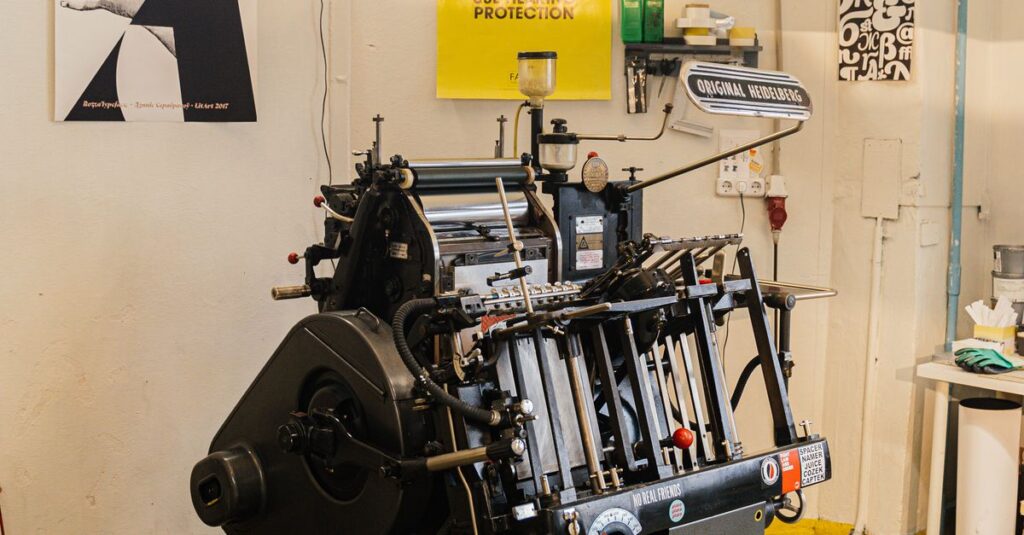
This is the workhorse. If you're ordering more than 500 notebooks, this is probably what you need. The colour is sharp, the text is clean, and the cost per unit drops fast once you hit quantity. We use offset for most school notebooks and corporate diaries. It's reliable. It won't win design awards, but it gets the job done.
Screen Printing
Heavy ink. Bold colour. This is what you want if your cover has a solid block of colour or a simple graphic. Screen printing lays the ink thick, which means it can crack over time if the notebook gets bent. But for a hardcover diary? It looks solid.
Foil Stamping
Now we're talking flash. Gold foil, silver foil, sometimes matte colours. This is for the premium stuff — corporate gifts, year-end diaries, things that sit on a desk and get noticed. The catch? It costs more. But if you're giving these to clients, it makes an impression.
Embossing and Debossing
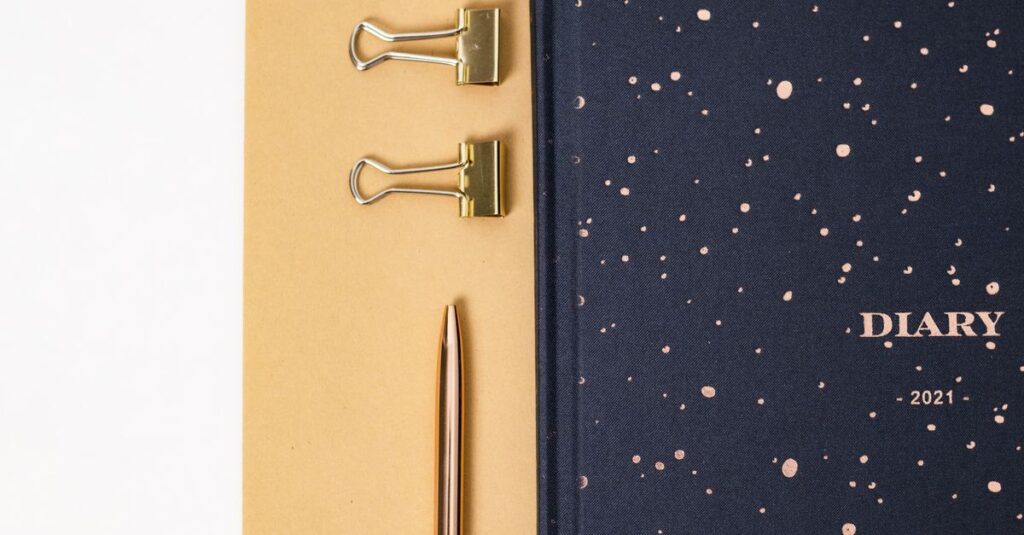
No ink. Just pressure. The logo gets pushed into the cover (debossing) or raised above it (embossing). It's subtle. Almost quiet. I like it for leather-bound diaries or notebooks that are meant to feel expensive. One thing — it doesn't show well on thin covers. Needs good material.
Here's a quick comparison because I know you're going to ask:
| Printing Method | Best For | Cost | Durability | Minimum Quantity |
|---|---|---|---|---|
| Offset | Bulk notebooks, schools, simple branding | Low per unit | Very good | 500+ |
| Screen | Bold colours, solid blocks | Medium | Good (can crack) | 300+ |
| Foil Stamping | Premium diaries, corporate gifting | High | Excellent | 100+ |
| Embossing | Leather, premium covers, luxury feel | High | Excellent | 200+ |
Anyway. That's the technical part. The real question is what you actually need — and that depends on who's going to use the notebook.
What I've Learned from Watching People Choose Wrong
I was talking to a client last month — let's call her Meera. She runs a logistics company in Visakhapatnam. Forty trucks, about 120 office staff. She wanted diaries for her drivers and delivery guys. Her first instinct? Pay a premium price for foil-stamped hardcover diaries. I asked her two questions: “Will the drivers carry them around? Will they throw them in a glove box?” She laughed. She knew then it was the wrong call.
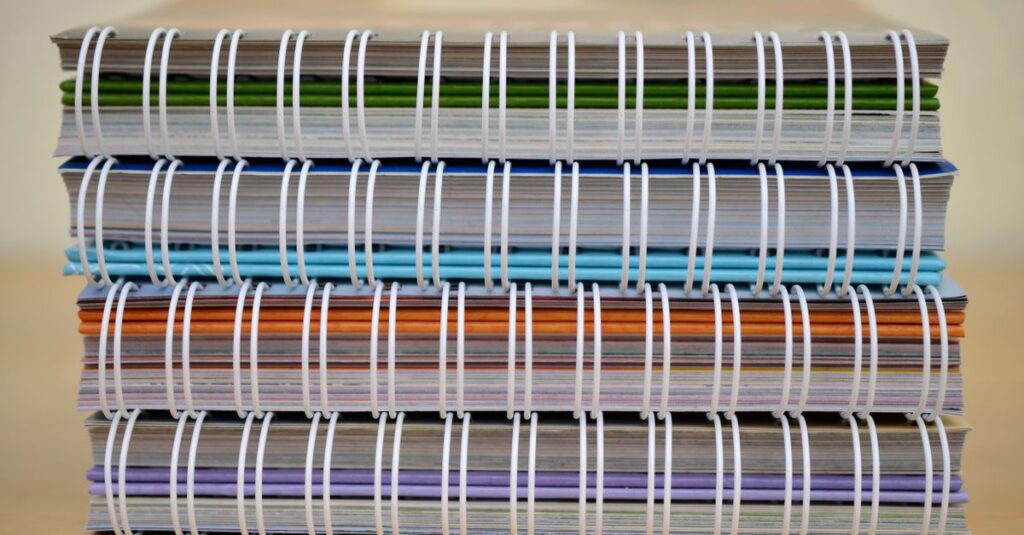
That's the thing about branding printing — you have to match the method to the user, not just the brand. A field worker doesn't need a gold foil logo. They need a notebook that won't fall apart after three weeks. Simple offset printing. Strong binding. Maybe a spiral binding so it lies flat on a truck dashboard.
But if you're giving a diary to your top client? Go ahead. Foil stamp the hell out of it. That's the right place for it.
The mistake I see most often is businesses buying cheap digital printing on thin covers, thinking they're saving money. And look, for 50 notebooks? Fine. But for 1,000 units? The ink fades. The cover bends. The branding looks cheap. And your logo is now attached to something that feels flimsy.
I've heard this enough times now to know it's not coincidence.
The Paper Question (Yes, It Matters for Branding)
Here's something nobody talks about in branding printing. The paper. Not the print itself — the actual cover paper.
I learned this the hard way about ten years ago. A school in Rajahmundry ordered 5,000 notebooks with their logo printed on the cover. Nice design. Bright blue. We finished the order, sent it out, and within a month the colour had bled into the cover paper. Why? Because they picked a 200 GSM cover with a coated finish, but the coating wasn't compatible with the ink we used.
My fault. Their money. I never forgot.
Now here's what I tell people: if you're doing offset printing, you need a cover GSM of at least 230 for it to hold the ink properly. For screen printing, 250 or above. And if someone tells you 180 GSM is fine for branding printing? Walk away. It'll look good for a week. Then it won't.
The other thing is paper finish. Matte covers absorb ink differently than glossy ones. Glossy makes colours pop, but it can smudge if the ink isn't dry long enough. Matte is safer, more professional, and hides fingerprints. We use matte for most corporate diaries.
And one more thing — the inside paper matters too, but not for branding. That's a different conversation.
Expert Insight
I remember this one time, about fifteen years ago, a client from Dubai sent us a sample notebook he wanted us to replicate. It was beautiful. Leather cover. Gold foil. Thick cream paper. But the branding printing on the spine was crooked. Just slightly. Maybe half a millimetre off. He didn't notice it. I pointed it out. He said, “Nobody will see that.” He was probably right. But I couldn't let it go. We reprinted the whole batch. It cost us. The thing is — branding printing isn't about what people notice. It's about what they don't notice. The crooked spine doesn't get pointed out. It gets felt. Subconsciously. And your brand absorbs that feeling.
How to Order Like You Know What You're Doing
If you're a procurement manager who has to order custom notebooks, here's the checklist I wish everyone brought to the table. Ordering branding printing isn't complicated, but you have to ask the right questions first.
- Who is using it? School kids, office staff, executives, or clients? Answer that, and the method picks itself.
- How long does it need to last? Six months? One year? Five years? This decides binding and paper quality.
- How many colours in your logo? Single colour is cheap and fast. Multi-colour gradient needs offset printing — screen won't do it well.
- What's your cover material? Paperboard, hardcover, leatherette? Each one behaves differently under printing.
- Do you want your logo inside too? Some clients want the inner pages printed. That's a whole separate setup cost.
And please — ask for a physical sample before you approve the final print. I don't care how good the PDF looks. See it. Touch it. Smell it. The sample doesn't lie. The digital proof does.
Procurement note: if you're looking at manufacturers and they can't tell you their exact GSM or ink type, that's a red flag. A good printer knows their materials like a chef knows their knives.
Frequently Asked Questions
Frequently Asked Questions
What is branding printing for notebooks?
It's the process of printing a company logo, name, or design onto notebook covers and pages. Methods include offset printing, screen printing, foil stamping, and embossing. Each method suits different quantities, budgets, and material types.
Which branding printing method is best for small quantities?
For orders under 100 units, digital printing is usually the most practical choice. It has a higher cost per unit but no setup fees. For quantities between 100 and 500, screen printing or foil stamping works well depending on the cover material.
Can I print my logo on both the cover and the spine?
Yes. Most notebook manufacturers offer full cover printing including the spine. Spine printing works best with offset or foil stamping. Make sure your design file accounts for the spine width, which depends on the number of pages.
How long does branding printing take for bulk orders?
For orders of 1,000 to 5,000 units, expect 10 to 15 working days including design proof approval and production. Larger orders may take 20 to 25 days. Rush orders are sometimes possible but depend on factory capacity and material availability.
Does the paper quality affect the printing quality?
Absolutely. Lower GSM paper absorbs ink differently, which can make colours look dull or cause bleeding. For clean branding printing, use cover paper of at least 230 GSM. Coated or textured papers also require specific ink types for best results.
One Last Thing
Look, I don't think there's one perfect way to do branding printing. There's just the right way for your specific situation. Cheap printing on bad paper will save you money today and cost you trust tomorrow. Over-engineering a simple notebook for field staff is just wasted money. The middle ground is knowing your user, knowing your material, and asking the right questions upfront.
Most people skip the questions part. That's why so many branded notebooks end up in drawers, unused. If you've read this far, you already know more than most buyers do. The only thing left is to actually pick up the phone and talk to someone who makes them. Sri Rama Notebooks — we've been at this since 1985. Give us a call.