What Exactly Is a Coil Binding Book?
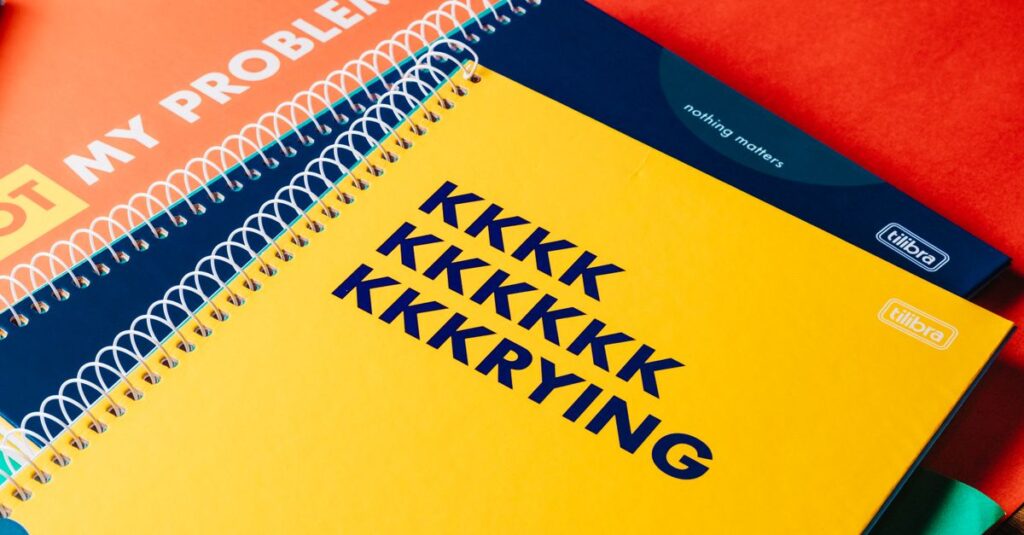
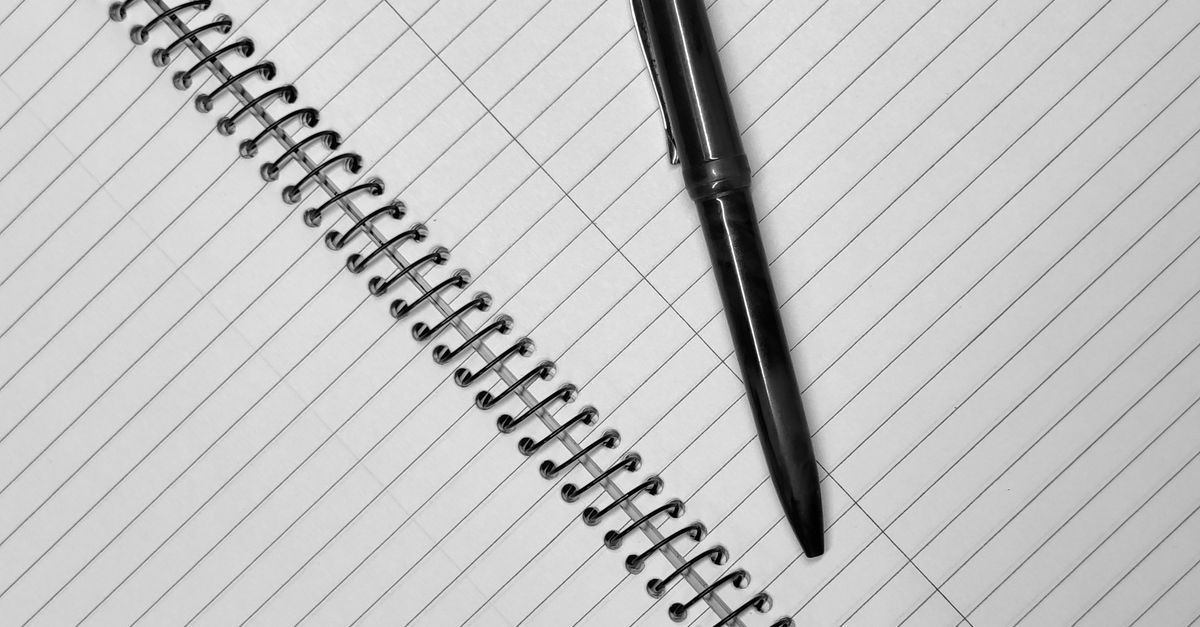
You know that moment when you open a new notebook and the pages won’t stay flat? You have to hold it down with one hand while writing with the other. Annoying, right? A coil binding book solves that. Instead of glue or stitching, it uses a coil — plastic or metal — that runs through holes punched along the edge. The pages turn easily, the book lies completely flat, and you can even fold it back on itself. That’s the whole idea.
I’ve been in this business since 1985, and I’ve seen notebooks evolve. But coil binding? It’s one of those things that just works. No frills. No pretension. Just a simple mechanism that makes writing easier.
If you’re thinking about ordering in bulk, Sri Rama Notebooks has been making these for decades.
Why Coil Bound Books Are Better Than You Think
Most people assume coil binding is just for cheap school notebooks. Not true. Sure, it’s popular in schools, but corporate buyers are catching on. Here’s why:
- Lays flat — No more fighting with the spine.
- 360-degree rotation — Fold it back, write on the bus, whatever.
- Durable — Coils don’t crack like plastic combs or come unglued like perfect binding.
- Easy to remove pages — Rip one out cleanly, no jagged edges.
But there’s a catch. Cheap coils can bend or pop out. That’s why you don’t want to go with the lowest bidder. I’ve seen notebooks with coils that look like they’re made of wet spaghetti. Not good.
Here’s a comparison table to help you see the difference:
| Feature | Coil Binding | Stitched Binding | Perfect Binding |
|---|---|---|---|
| Lays flat | Yes | No | No |
| Folds back | Yes | No | No |
| Durability | High | Very High | Medium |
| Page removal | Easy | Hard | Hard |
| Cost | Medium | Low | Low |
| Best for | Everyday use, notes | Journals, long life | Paperback books, reports |
The question isn’t whether coil binding is good. It’s whether you’re getting coils that won’t let you down.
Where Coil Binding Books Are Used Most
Let me tell you about Ravi. He’s 38, works as a procurement manager for a chain of private schools in Hyderabad. Every year, he orders about 15,000 notebooks for students. A few years ago, he switched to coil binding books. Why? Because teachers complained that stitched notebooks wouldn’t stay open on the desk. Kids would prop them up with their elbows, and pages would tear. Coil binding fixed that. Ravi told me last month — over chai, not a formal meeting — that he hasn’t had a single complaint since the switch.
That’s the kind of real-world use that matters. Schools, colleges, even corporate offices for meeting notes. Coil binding books are everywhere. And they’re not just for students. I’ve seen lawyers use them for case notes, architects for sketches. The spiral — no, the coil — gives you freedom.
But here’s a thing I’ve noticed: People often confuse coil binding with spiral binding. They’re not the same. More on that in a minute.
What to Look for When Buying Coil Binding Books in Bulk
If you’re ordering hundreds or thousands, you can’t afford to get it wrong. Here’s what I’ve learned after 40 years:
- Coil material — Plastic is lighter, doesn’t rust. Metal looks premium but can rust in humid climates. Choose based on where they’ll be used.
- Paper weight — At least 54 GSM for writing. Thinner paper tears when punched.
- Cover stock — 250-300 GSM is standard. Anything thinner and the cover will bend.
- Hole alignment — Misaligned holes mean pages don’t turn smoothly. A good manufacturer checks this.
Expert Insight
I remember a client from the late 90s — a big corporate in Mumbai. They wanted metal coils because they looked fancy. We delivered, and then the monsoon hit. The coils rusted. Pages turned orange. The client was not happy. We switched to plastic coils after that, and never looked back. Don’t quote me on the exact year, but it taught me a lesson: don’t let aesthetics override practicality.
Another thing: Customization. You can get your logo printed on the cover, embossed, foil stamped — the works. But the coil itself can also be colored. Black, white, silver, even gold. Makes a difference if you’re branding.
Coil Binding vs Spiral Binding: What’s the Difference?
I hear this confusion all the time. People say “coil” and “spiral” like they’re the same. They’re not. Spiral binding uses a continuous wire that’s wound around the edge. Coil binding uses a separate piece — a plastic or metal coil — that’s threaded through pre-punched holes. The coil is usually thicker and more rigid. Spiral is thin and can get tangled.
Here’s a quick breakdown:
- Coil binding — More durable, can be plastic or metal, often used for thicker books.
- Spiral binding — Lighter, cheaper, but can deform easily.
If you’re buying for a school that will use them all year, go with coil. It’s worth the extra few rupees.
Frequently Asked Questions
What is a coil binding book?
A coil binding book uses a plastic or metal coil that runs through holes punched along the edge of the pages. It allows the book to lie flat and fold back 360 degrees. Common in notebooks and diaries.
Is coil binding better than spiral binding?
For durability, yes. Coil binding uses a thicker, more rigid coil that doesn’t deform easily. Spiral binding is thinner and can get tangled. Coil binding is better for books that get heavy use.
Can coil binding books lay flat?
Yes, that’s one of the main advantages. The coil allows the pages to open completely flat, making it easier to write on both sides without holding the book open.
How many pages can a coil binding book hold?
Typically, coil binding can handle up to 200-300 pages depending on the coil size and paper thickness. For thicker books, larger coils are used. We can produce coil binding books with up to 320 pages.
Where can I buy coil binding books in bulk?
You can order directly from manufacturers like Sri Rama Notebooks. We produce coil binding books in all sizes, with custom covers and logo printing. Contact us at +91-8522818651 or visit sriramanotebook.com.
Conclusion
Coil binding books are practical, durable, and perfect for anyone who actually uses a notebook. They lay flat, fold back, and last. Whether you’re a school buying for students or a company ordering corporate diaries, it’s a solid choice.
One thing I’ll say: don’t overthink it. Coil binding isn’t complicated. It’s just a smart way to hold pages together. The real question is whether you’re getting quality coils and paper.
If you’re looking for a reliable manufacturer, Sri Rama Notebooks has been doing this since 1985. We know what works.