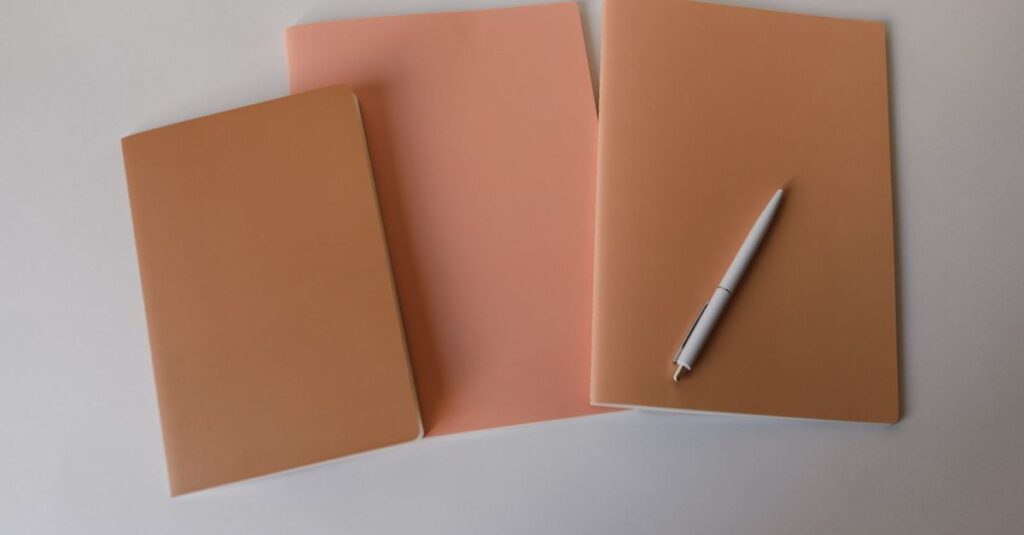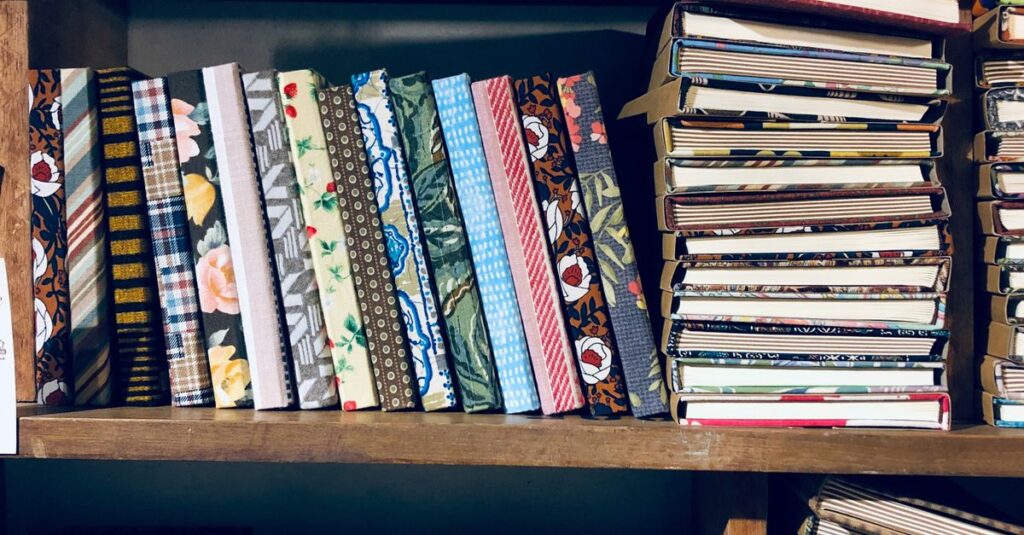
Somewhere in your office there's a drawer full of notebooks nobody uses. I know because that's what happens when companies order from the first copy company they find. The paper feels off. The ruling doesn't match. The logo is slightly crooked. Then the whole lot sits there for years. No judgement — but you need to know what you're paying for. A lot of copy companies are just resellers. They buy from a real manufacturer, add a margin, and call it their own. If you're buying notebooks or printed diaries in bulk, that difference matters. If this sounds familiar, Sri Rama Notebooks has been on the manufacturing side since 1985. Maybe give it a look before your next order.
What Do Copy Companies Actually Do?
In India, we still call notebooks copies. A copy company makes or supplies them — long copies, short copies, ruled copies, drawing copies, even account books. Some supply schools and government institutions. Others focus on corporate diaries. The thing people forget is that this isn't one type of business. It's three.
- Manufacturers run the machines, buy paper, print covers, and bind pages.
- Traders buy from manufacturers and resell to schools, offices, and stores.
- Importers and exporters move stock across borders and handle shipping paperwork.
When you do a search for notebook suppliers, you don't know which one you'll get. I've seen procurement managers assume that a company with a professional website owns a factory. Then the delivery gets delayed and no one picks up the phone. The confusion makes sense. But it's expensive.
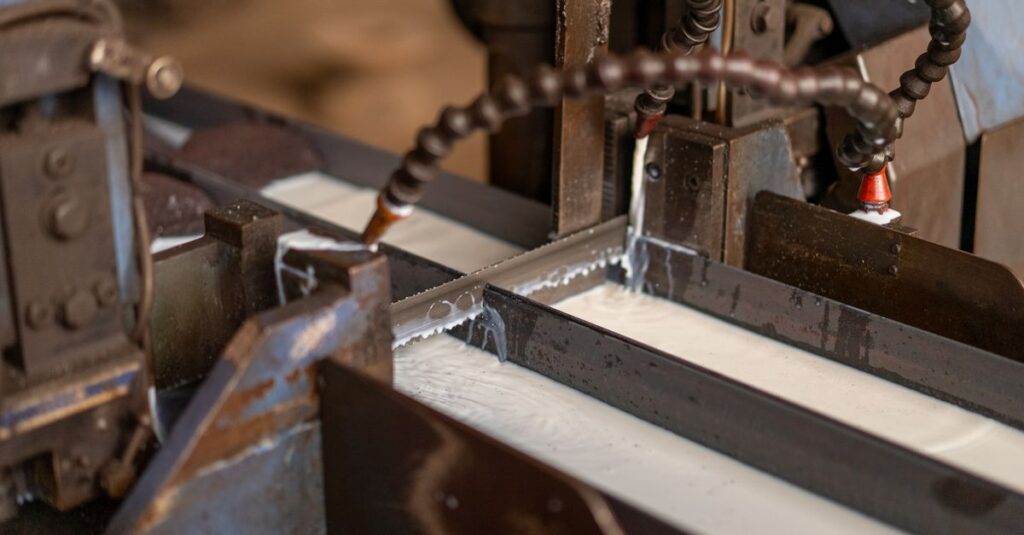
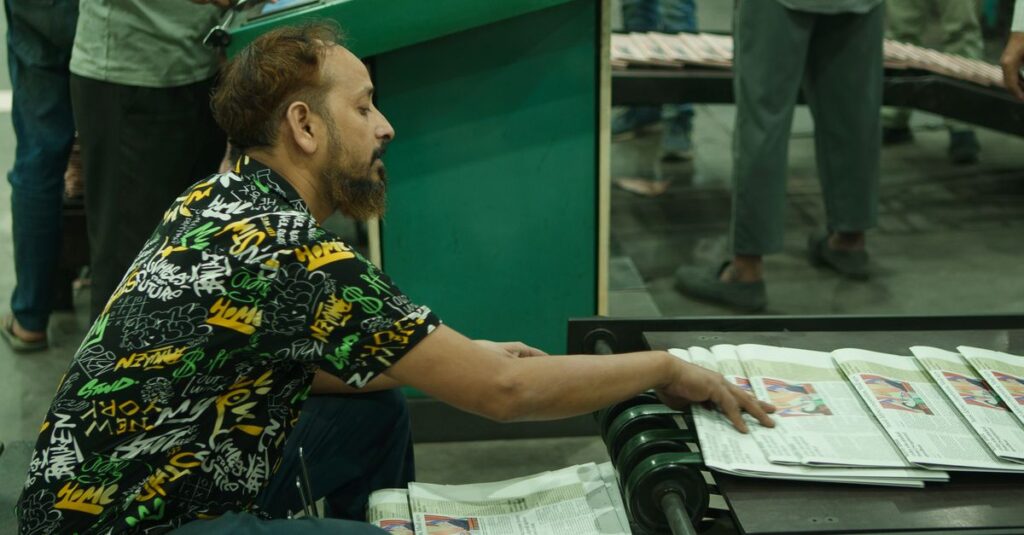
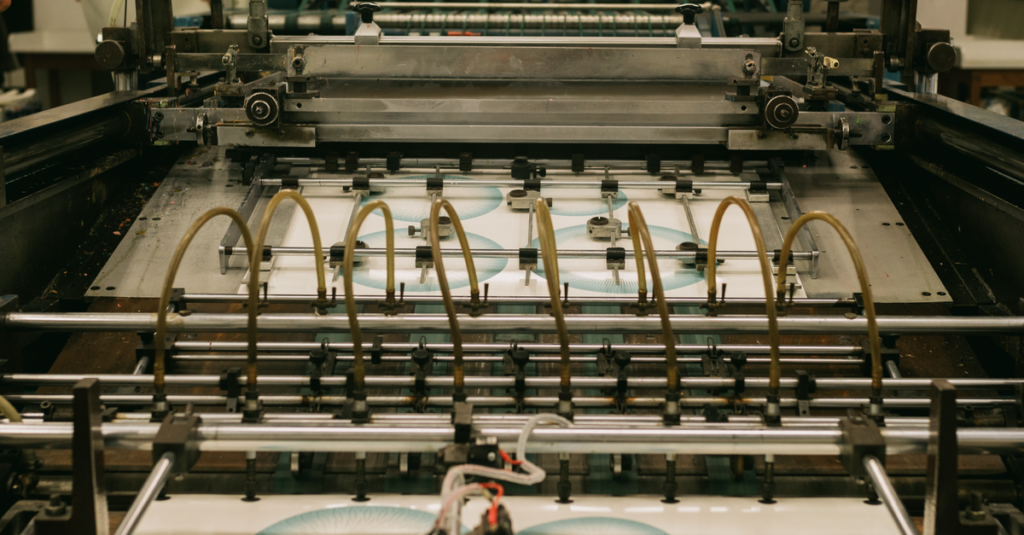
Manufacturing is not the same as assembling. Real production means choosing paper of the right GSM, keeping print registration clean, stitching pages so they don't fall out by November, and cutting every notebook to the same size. It's messy, noisy, and full of variables. In my experience with institutional buyers, the biggest mistake is confusing a reseller with a maker. Everything after that falls apart. If you want to see what actual production looks like, our products page shows the range we make in our own factory.
What to Check Before You Order From a Copy Company
Most buyers skip the hard questions. They ask about the price, then the delivery date, then stop. That's how you end up with a truck full of the wrong cover colour.
Take Ramesh, 42. He manages procurement for a chain of schools in Hyderabad. In February, he ordered 10,000 long notebooks from a copy company that promised delivery before reopening. The boxes arrived two weeks late, with three different paper textures in the same batch. Some pages were thin enough to see through. Others were fine. When he called the supplier, nobody answered. On his desk sat a half-eaten packet of glucose biscuits. That detail has nothing to do with notebooks. But it tells you how many days he'd spent waiting on hold.
Anyway. Where was I? Before you place a bulk order, ask these five things:
- Are you the manufacturer or an intermediary?
- What GSM paper do you use? Put it in writing.
- Can I visit the factory or get a live video walkthrough?
- What happens if the delivery is late?
- Can I get a physical sample before the full run?
A genuine copy company will say yes to most of these. A reseller will dodge them. That's not a hard rule, but it holds up more often than not. It's annoying, but it's also a filter.
Traders vs. Manufacturers: A Comparison
The easiest way to separate a trader from a real manufacturer is to see them side by side. I've done this exercise with enough procurement teams to know it saves time.
| Factor | Reseller / Trading Company | Manufacturer |
|---|---|---|
| Pricing | Adds a margin on top of the factory price | Controls price from raw material to finished product |
| Quality control | Depends on whoever they source from | Can inspect at every stage |
| Customization | Limited by what the supplier offers | Direct control of cover, ruling, binding, and logos |
| Lead times | Tied to someone else's stock | Can plan production slots |
| Accountability | Sometimes hard to reach after delivery | Lives or dies by reputation |
| Minimum order | Can be lower, but riskier | Usually higher, but honest |
Now, I'm not saying every trader is dishonest. Some do good work and source carefully. But when you compare a trader with a real notebook manufacturer, the difference tends to show in the small things — sample quality, callback speed, and whether they ask you about paper weight before quoting. For bulk orders, this difference is not small. A single mistake on 20,000 notebooks isn't a typo. It's a bad quarter. Don't learn that the hard way. Ask the questions now. If you're weighing options, our factory in Rajahmundry is open to serious buyers. A tour tells you more than any brochure.
Custom Work Is the Real Test of a Copy Company
Anyone can sell you a box of plain long notebooks. The real test comes when a client wants a logo on the cover, custom ruling on page 19, or a private label for their brand. That's where the process gets exposed.
- Cover material and finish
- Printing method — offset, digital, emboss, foil
- Page layout and ruling
- Binding style
- Order quantity
That's the minimum. If a supplier doesn't ask these, you're not getting a custom product. You're getting a guess.
Expert Insight
I remember one client around 2019 — maybe 2020, the years blur — who wanted 5,000 corporate diaries with an embossed logo and matte lamination. They said 'just make it look premium' and left it there. Premium means different things to different buyers, so we sent three physical samples. The one they chose was the one we would have chosen too. Not because it looked expensive, but because it felt right in the hand. That phrase still makes me pause.
Customization is not a side service. It's the core of what separates a manufacturer from a reseller. If a copy company says 'we can do that' without asking about paper weight, binding type, cover finish, or quantity, be careful. They're probably going to route your order through someone else and add a fee. What does that tell you? It tells you whether they really control the process.
How to Get the Best Deal From a Copy Company
Here's the thing nobody says: the best price is not the goal. The best price for the right specification is. If you send a vague enquiry, you'll get vague quotes. Why? Because a vague enquiry gives you vague answers.
Before you start calling, write down:
- Size — A4, A5, King, Long, Short, or Crown
- Page count — 52, 92, 200, 240, or more
- Paper quality — 54 GSM, 60 GSM, or 70 GSM
- Binding — stitched, spiral, or perfect
- Cover — lamination, embossing, foil stamping
- Quantity and delivery deadline
Once you have that, contacting a copy company becomes a comparison instead of a hope. You'll notice which suppliers ask smart follow-up questions. Those are usually the ones with real factories.
One red flag I keep seeing is 'we can match any quote.' Match, not explain. A manufacturer will tell you why one cover costs more or why a lower GSM paper won't survive a school year. A reseller just says yes. And if a supplier says 'this price is only valid today,' that's pressure, not partnership. Real manufacturers don't need to rush you into a bad decision. A good supplier will wait. Don't be in a hurry to say yes. If you need custom printed stationery, our printing services page explains the details we consider before pricing.
Frequently Asked Questions
What is a copy company?
Copy companies make or supply notebooks — what we call copies in India. They range from real manufacturers to traders who resell other factories' products. If you need bulk school notebooks or corporate diaries, confirm which type you're dealing with before you place an order.
How do I choose a copy company for bulk notebooks?
Look for clear communication, a real factory or honest answers about one, and a written specification sheet for paper, ruling, binding, and cover. Ask for a physical sample. A genuine manufacturer will usually say yes. A reseller may avoid it.
What is the difference between a copy company and a notebook manufacturer?
A copy company can be a manufacturer, a trader, or both. A manufacturer owns the production process and controls quality. A trader buys from factories and resells. The difference matters most when there is a defect or a delay.
Can copy companies print custom logos on notebooks?
Yes, if they have printing facilities or a reliable partner. Ask for logo printing, embossing, foil stamping, or custom cover design. Review samples first, because logo quality depends on the cover material and the printing method used.
How much does a bulk order from a copy company cost?
It depends on the size, page count, paper GSM, binding, cover finish, and quantity. Higher quantities usually lower the per-unit price. Ask for a detailed written quote with specifications, not just one flat price. That gives you something honest to compare.
Look, I'm not saying every copy company is bad. That would be lazy. But the good ones are transparent. They tell you what they make, where they make it, and what can go wrong. The rest are order takers.
If you take one thing from this, define your specification before you talk to anyone. Then ask the hard question — are you the manufacturer? That one question will save you months of regret. I don't think there's a perfect formula for choosing copy companies. Probably there isn't. But the right one won't hide from your questions. If you want to talk to a manufacturer directly — we're in Rajahmundry, Andhra Pradesh — Sri Rama Notebooks is happy to show you what we do.