You Have the Idea. But Who Actually Makes the Book?
Let me guess. You have a notebook idea in your head. A specific size. Maybe a logo on the cover. A certain paper feel. You've been thinking about it for months, maybe longer. And now you're typing “create my book” into Google, hoping a solution pops up.
I've seen this happen a lot. People contact us — sometimes nervous, sometimes excited — and they say, “I don't even know where to start.” That's fair. Because the notebook manufacturing world isn't something you just stumble into. There are sizes, bindings, paper weights, ruling types. It can feel overwhelming.
But here's the thing — you don't need to know all of it. You just need someone who does. That's where a company like Sri Rama Notebooks comes in. We've been doing this since 1985. We've seen every kind of request, from college diaries to corporate gift sets. So if you want to create my book — a real, printed, bound book — this post is for you.
What Does It Even Mean to “Create My Book”?
It's a pretty broad phrase, right? I mean, you could be talking about a handwritten journal. A school notebook. A corporate diary for your entire office staff. Or maybe a private label product you want to sell under your own brand.
The short answer: yes, all of the above. When someone says they want to create a book, most of the time they're talking about one of these:
- A custom notebook for a school or college
- A branded diary for corporate gifting
- A bulk order of account books for a business
- A private label notebook to sell in stores
- A personalized journal as a gift
And the truth is, each of these requires a slightly different approach. A school notebook needs durability. A corporate diary needs a premium look. A private label product needs consistency — every single copy must look identical.
So before you dive into specifications and pricing, think about what you actually need. Because the process changes depending on the answer.
One Example From Real Life
Let me tell you about someone we worked with recently. Rajesh, 34, runs a small stationery shop in Visakhapatnam. He wanted to launch his own brand of notebooks — something local, something he could be proud of. He came to us with a drawing on a napkin. I'm not joking. A napkin. With arrows and scribbles.
He didn't know what paper weight to use. Didn't know the difference between stitching and perfect binding. But he knew what he wanted the final product to feel like. And that mattered more than any technical detail.
We helped him pick the right size (Long size, 27.2 cm x 17.1 cm), 92 pages, stitched binding. He chose a blue cover with foil stamping for the logo. Six months later, his notebooks are in three different stores. I still have one of the first samples he ordered.
The point is: you don't need to be an expert. You just need a partner who can take your idea and turn it into something real.
How to Actually Get It Done — The Process
Alright, so you're ready to create my book. Now what? Here's how the process usually works, whether you're ordering 500 notebooks or 50,000.
First, you need to decide on the basics. Size, page count, binding type, cover material. If you don't know, that's fine. A good manufacturer will walk you through it.
Second, design. This includes the cover design and any internal pages you want customized. Some people want logos. Others want specific ruling patterns. Some want page numbers, date lines, or index pages.
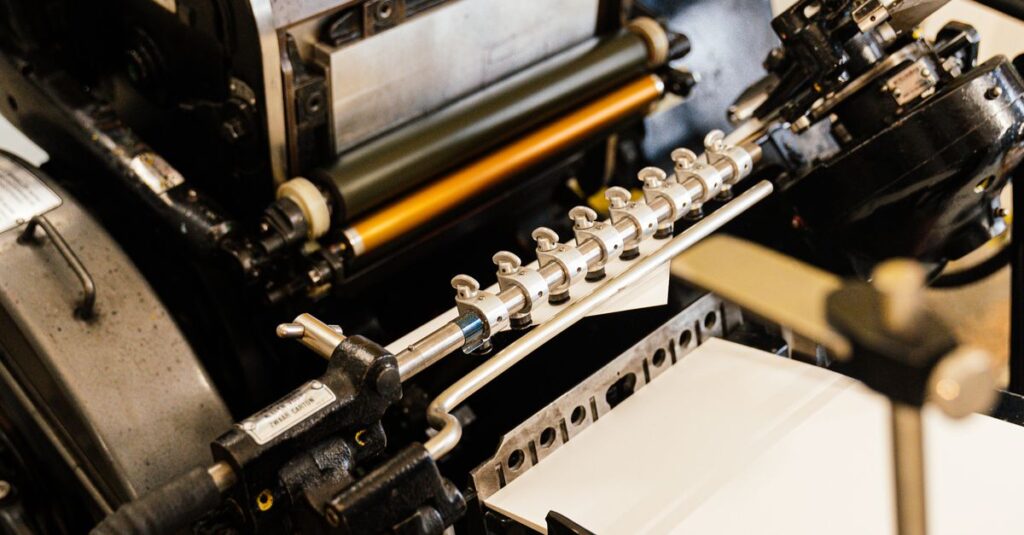
Third, printing. At Sri Rama Notebooks, we use offset printing for most bulk orders. It's consistent, it's sharp, and once the plates are made, every page looks exactly like the last.
Fourth, binding. Stitched binding for durability. Spiral binding for lay-flat use. Perfect binding for a polished, book-like finish.
Fifth, packaging and delivery. This sounds boring, but it matters. If you're distributing to stores, you want them packed in a way that makes your life easier.
And honestly? Most of the time, the hardest part is making the first call. After that, it's just decisions.
Notebook Binding Types: A Quick Comparison
| Binding Type | Best For | Durability | Cost |
|---|---|---|---|
| Stitched Binding | School notebooks, everyday use | High — pages rarely fall out | Low to Medium |
| Spiral Binding | Diaries, notebooks that need to lay flat | Medium — coils can bend | Medium |
| Perfect Binding | Corporate diaries, gift books | Medium — spine can crack if overused | Medium to High |
I'll be honest — there's no single “best” binding. It depends on how the book will be used. A student notebook gets thrown in a bag. A corporate diary sits on a desk. Different jobs.
What Most People Get Wrong
I've seen a few common mistakes over the years. Let me save you some headache.
Mistake 1: Ignoring paper quality. People focus on the cover, the logo, the binding. But paper is what people write on. If it's too thin, ink bleeds. If it's too thick, the book becomes unnecessarily heavy. 54 GSM is a good standard for most notebooks. 70 GSM if you want a more premium feel.
Mistake 2: Underestimating lead time. Manufacturing takes time. Printing, binding, drying, packaging, shipping. A good factory can produce 30,000 to 40,000 units a day, but a custom order with special covers or foil stamping might take 3 to 4 weeks. Plan ahead.
Mistake 3: Thinking small. If you're ordering for a business or a school, don't order too few. The per-unit cost drops significantly with volume. And if you need more later, matching the exact same print run can be tricky if the design changes.
Mistake 4: Not asking about samples. Always ask for a sample or a proof before the full production run. I don't care how clear your design is — see it in your hand first. Paper feels different than a screen. Colors look different. Trust me on this.
Expert Insight
I remember talking to a procurement manager from a corporate firm once. She said — I'll never forget this — “The biggest problem is trust. We've been burned before by suppliers who promised one thing and delivered another.”
And she was right. That's why we've always prioritized showing samples, clear communication, and being honest about timelines. It's not flashy, but it builds the kind of trust that lasts decades.
Why You Should Work With an Experienced Manufacturer
Look, you could go to a local printer. Or order from a generic online platform. But if you want to create my book — a book that represents your brand, your school, or your idea — you want someone who's done this before.
An experienced manufacturer brings a few things that a general printer can't:
- Knowledge of paper grades and GSM
- Access to multiple binding and finishing options
- Consistency across large runs
- Quality control systems
- Export experience (if you need it)
And honestly? A good manufacturer will tell you when your idea needs to be adjusted. That's real value. Not just saying yes to everything, but saying, “That cover design won't hold up in production — here's why, and here's what will work.”
At Sri Rama Notebooks, we've been doing this since 1985. We export to the Gulf, Africa, USA, UK, Europe, and Australia. We produce 30,000 to 40,000 notebooks a day. We know what works and what doesn't.
If you want to create my book — a real, bulk-produced book — this is exactly the kind of place you need.
Frequently Asked Questions
Frequently Asked Questions
Can I create my book with my own logo on it?
Yes. Most notebook manufacturers offer logo printing, embossing, and foil stamping on covers. You need to provide a high-resolution logo file. Sri Rama Notebooks can print your logo on any notebook or diary, whether it's a small batch or a bulk order.
How long does it take to create a custom notebook?
Typically 3 to 4 weeks from design approval to delivery. Larger orders may take slightly longer. Rush orders are sometimes possible depending on factory capacity. Always ask about current production timelines when you place the order.
What is the minimum order quantity for custom notebooks?
Minimum order quantities vary by manufacturer. At Sri Rama Notebooks, we work with businesses of all sizes. Give us a call to discuss what you need — we can often accommodate smaller runs for schools or offices.
What paper weight should I choose for a notebook?
54 GSM paper is standard for school notebooks and everyday writing. It prevents ink bleeding while keeping the book lightweight. 70 GSM is better for diaries and corporate notebooks where a premium feel is important. Your manufacturer can advise you based on your specific use.
Can I get a sample before placing a bulk order?
Always ask for a sample or proof before production. Seeing the paper quality, cover material, and binding in person is essential. Manufactures like Sri Rama Notebooks provide samples to serious buyers to ensure the product matches expectations.
Conclusion
The idea of wanting to create my book — a notebook or diary that's truly yours — is a great one. But the gap between idea and finished product can feel wide. I won't pretend it isn't.
Two things I know for sure: First, you need a manufacturer who listens. Second, you need one who knows the craft. That's not a sales pitch — that's just what works.
If you're ready to move forward, talk to Sri Rama Notebooks. We'll help you figure out the rest.