The Paper: More Than Just Sheets
Here's the thing about paper — most people don't care until it fails. I've seen it happen. A school orders 10,000 notebooks. Three months in, the ink bleeds through. The pages feel like sandpaper. That's when they call us.
Paper weight is measured in GSM. Grams per square meter. The higher the number, the thicker the paper. For notebooks, 54 GSM is standard. Good enough for most writing. But if you're using fountain pens or markers, you need 70 GSM or more.
Then there's the texture. Smooth paper feels nice, but it can smudge. Rough paper absorbs ink but can feather. It's a balance that most people don't think about when they're creating a book. But it matters.
What to look for:
- Opacity — can you see the writing on the other side?
- Bleed resistance — does the ink stay put?
- Surface smoothness — does the pen glide or drag?
At Sri Rama Notebooks, we use 54 GSM paper for standard notebooks. We can go up to 80 GSM for premium diaries. It's not the cheapest option, but it means the notebook lasts. And that's the whole point, right?
Binding: The Difference Between a Notebook That Falls Apart and One That Lasts
I was talking to a distributor last week — Ravi, 34, procurement manager from Hyderabad. He ordered 5000 diaries for a corporate client. Didn't ask about binding. Six months later, pages were falling out. The spirals were bent. He called me, frustrated. That's when I explained binding types.
Three main options:
- Stitched Binding — Pages are sewn together with thread. Strong. Lies flat. Best for thick notebooks.
- Spiral Binding — A wire or plastic coil runs through holes. Opens 360 degrees. Good for journals and note taking.
- Perfect Binding — Pages are glued to the spine. Clean look. Used for paperback books. Not ideal for heavy use.
Here's a quick comparison:
| Binding Type | Durability | Lay Flat | Best For | Cost |
|---|---|---|---|---|
| Stitched | High | Yes | School notebooks, heavy use | Medium |
| Spiral | Medium | Yes | Diaries, college notes | Low |
| Perfect | Low | No | Corporate gifts, softcover books | High |
People assume all binding is the same. It's not. If you're creating a book for daily use, stitched is the way to go. If it's a one-time gift, perfect binding works. But don't skimp on the binding. It's the skeleton of the notebook.
Customization: Where Creating a Book Gets Personal
This is the part I enjoy most. When a client comes to us and says, "I want something different." Not just a logo on the cover — they want the whole package. The paper color, the ruling style, the cover material, the corner rounding.
Customization isn't just about looks. It's about identity. A school wants its brand on every notebook. A company wants diaries that feel professional. A wedding planner wants something elegant.
Expert Insight
I remember a conversation with a buyer from a chain of schools in Kerala. She told me, "The kids don't care about the paper. But the teachers do. They notice when the lines are too faint or the pages tear." That stuck with me. Because when you're creating a book, you're not just making a product. You're making something that someone will use every day for months. The little things — the way the cover feels, the way the pages turn — they add up. And honestly, that's what keeps me coming back to this work.
We offer logo printing, embossing, foil stamping, custom cover design. You can choose the ruling: single ruled, double ruled, four ruled, unruled. You can pick the page count: 52 to 700 pages. It's your book. We just make it.
Printing Techniques That Make a Notebook Look Good
Printing is where the magic happens. Except it's not magic — it's machines and ink and pressure. But the result can be stunning.
Two main methods:
- Offset Printing — High quality, consistent color, good for large runs. The ink is transferred from a plate to a rubber blanket to the paper. It's the standard for notebooks.
- Digital Printing — Faster, no plates needed. Good for short runs or prototypes. But the color might not be as sharp.
For bulk orders, offset is the way to go. It's cost-effective and the quality is repeatable. We use Heidelberg presses — they're workhorses. I've seen machines from the 1980s still running. They just don't die.
One thing people overlook: the ink. We use vegetable-based inks. They're better for the environment and don't smell as bad. Small detail, but it makes a difference when you're opening a fresh notebook.
The Production Line: From Raw Materials to Finished Notebook
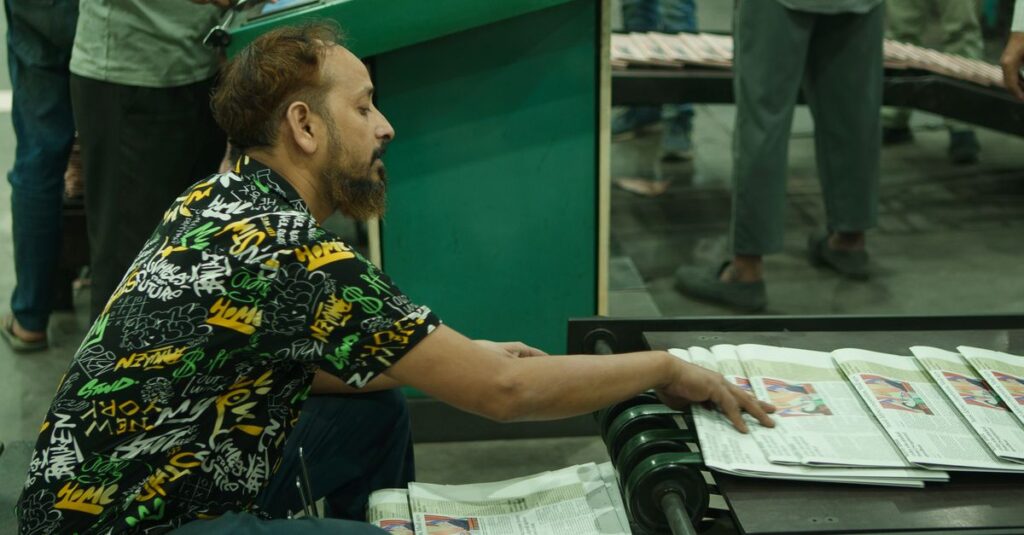
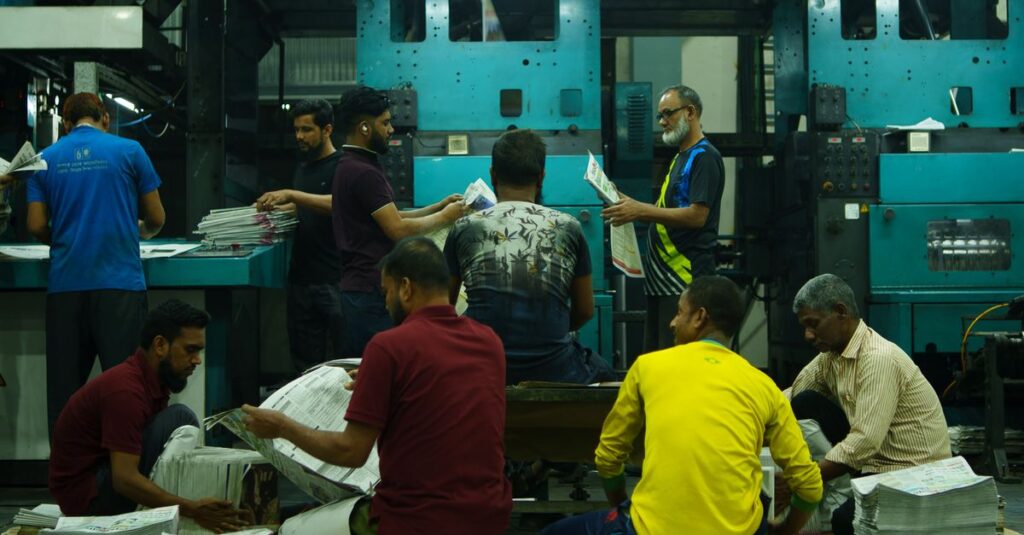
Think about this: a single notebook goes through at least 12 steps before it's ready. Paper arrives in giant rolls. It's cut into sheets. Then printed. Then folded. Then collated. Then bound. Then trimmed. Then checked. Then packed. It's not a simple process.
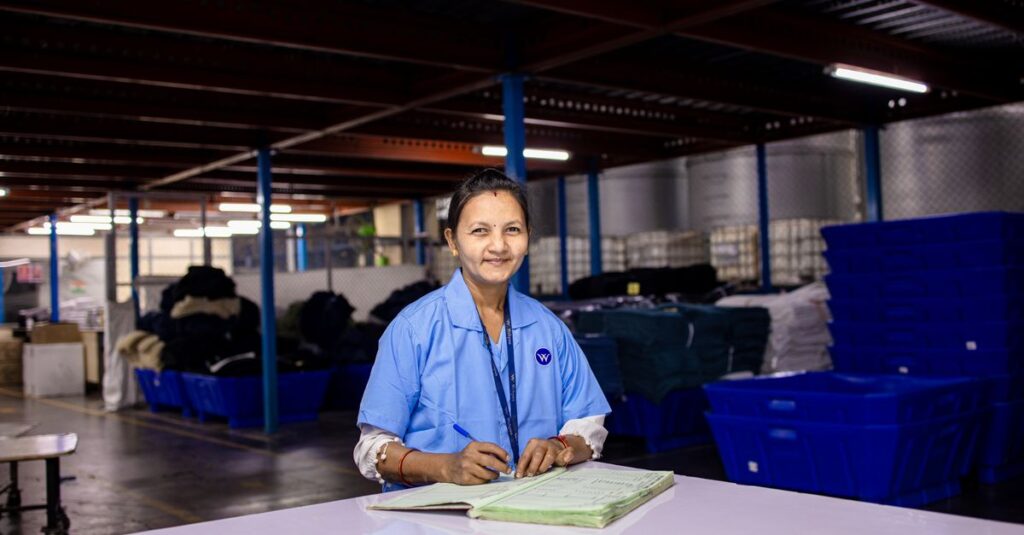
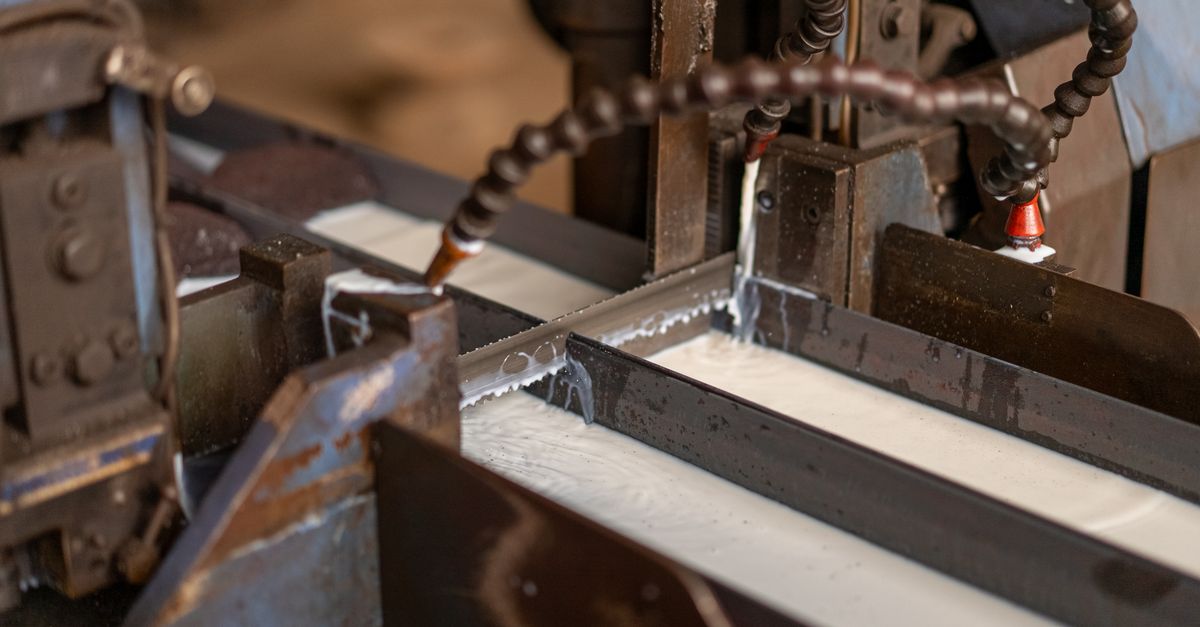
At our factory in Rajahmundry, we produce 30,000 to 40,000 notebooks a day. That's a lot of paper moving through the line. And every step has to be right. If the paper is misaligned, the lines won't match. If the glue is too thin, the binding fails. If the cutter is off by a millimeter, the edges look jagged.
This is why experience matters. We've been doing this since 1985. We know where the problems hide. And we catch them before the notebook leaves the factory.
When you're creating a book in bulk, you need a partner who understands the process. Not just the end product, but the steps that get there. Because those steps determine whether the notebook lasts or falls apart.
Frequently Asked Questions
What is the standard paper weight for notebooks?
Most notebooks use 54 GSM paper. For premium quality, 70-80 GSM is better. Higher GSM reduces ink bleed and makes pages feel thicker. For school notebooks, 54 GSM is usually fine.
Which binding is best for a notebook?
Stitched binding is the most durable and lasts for years. Spiral binding is convenient for note-taking because it lays flat. Perfect binding looks clean but can crack with heavy use. Choose based on how the notebook will be used.
Can I customize the cover and pages of my notebook?
Yes, most manufacturers offer customization. You can choose cover material, printing, embossing, ruling style, page count, and size. At Sri Rama Notebooks, we do logo printing, foil stamping, and custom designs for bulk orders.
How long does it take to manufacture a bulk order of notebooks?
It depends on the quantity and complexity. A standard order of 10,000 notebooks can take 2-4 weeks. Custom orders with special binding or printing may take longer. We usually provide a timeline after discussing the details.
What is the difference between offset and digital printing for notebooks?
Offset printing uses plates and is best for large runs — it's cheaper per unit and gives consistent color. Digital printing is faster for small runs but the quality may not match offset. For notebooks, offset is the standard choice.
So what's the takeaway here? A few things. First, paper matters more than you think. Second, binding is the backbone of any notebook. Third, customization is about details that add up. And fourth, the manufacturing process is more complex than it looks. I don't have a neat conclusion for this. I just know that when you're creating a book — whether it's for a school, a company, or a personal project — you should know what you're paying for. If you want to talk about your next order, reach out to us. We've been at this for a long time.