Look, I’ll be honest about printing machines.
When someone says “printing machine,” you probably picture that inkjet thing on your desk, right? The one that jams every time you need a boarding pass.
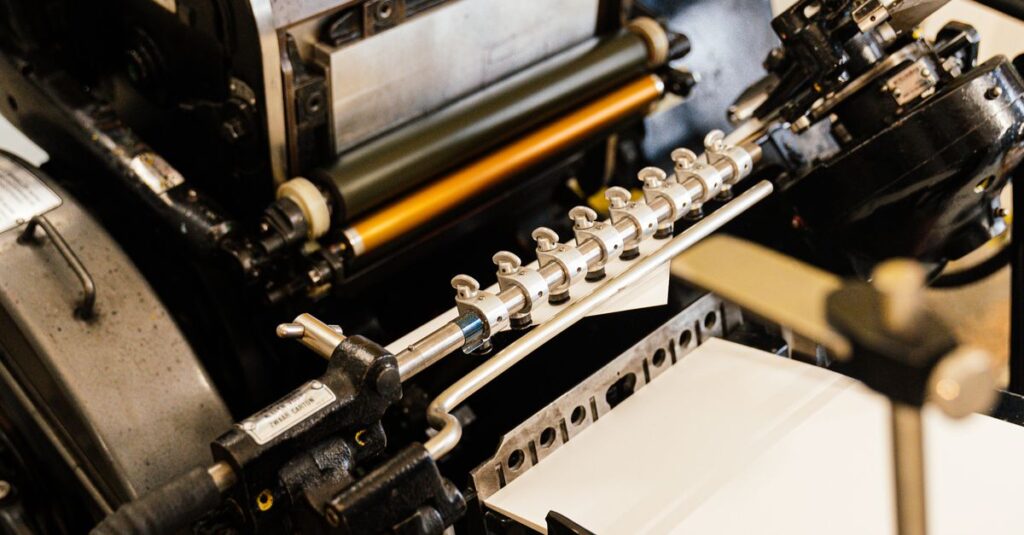
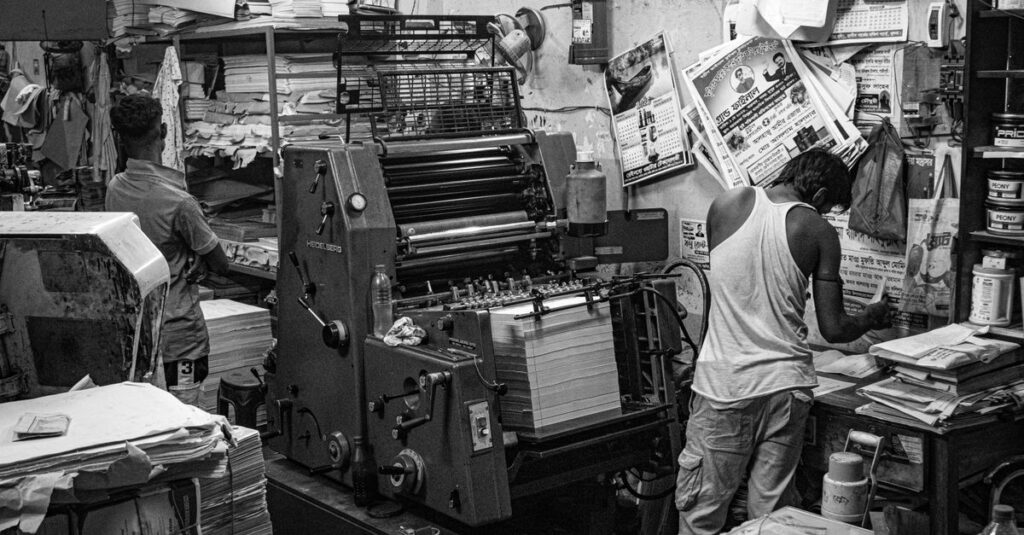
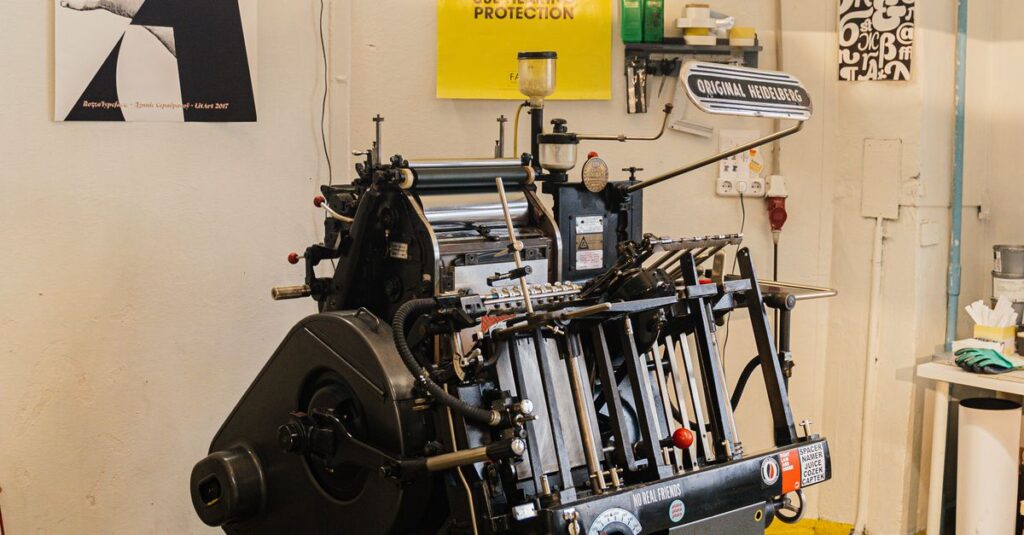
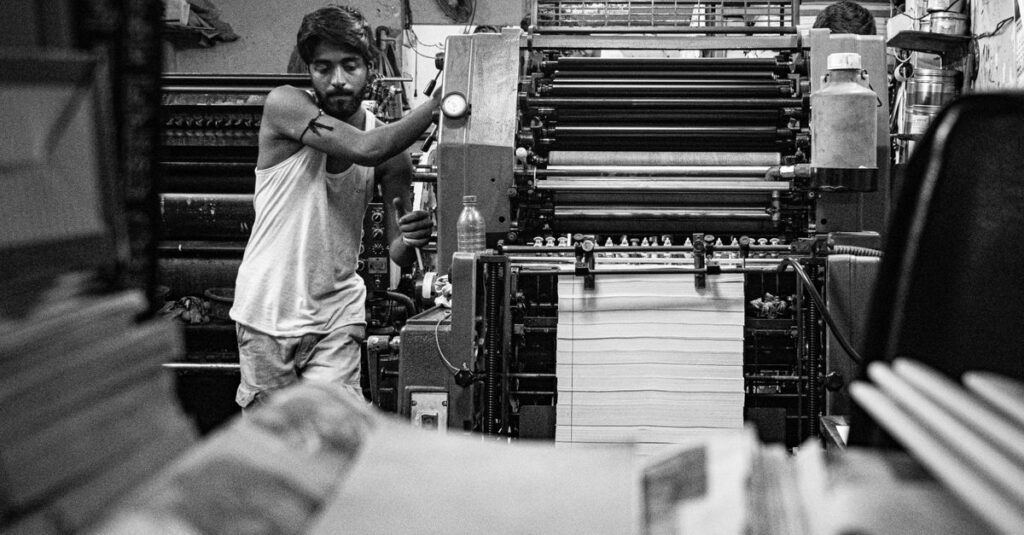
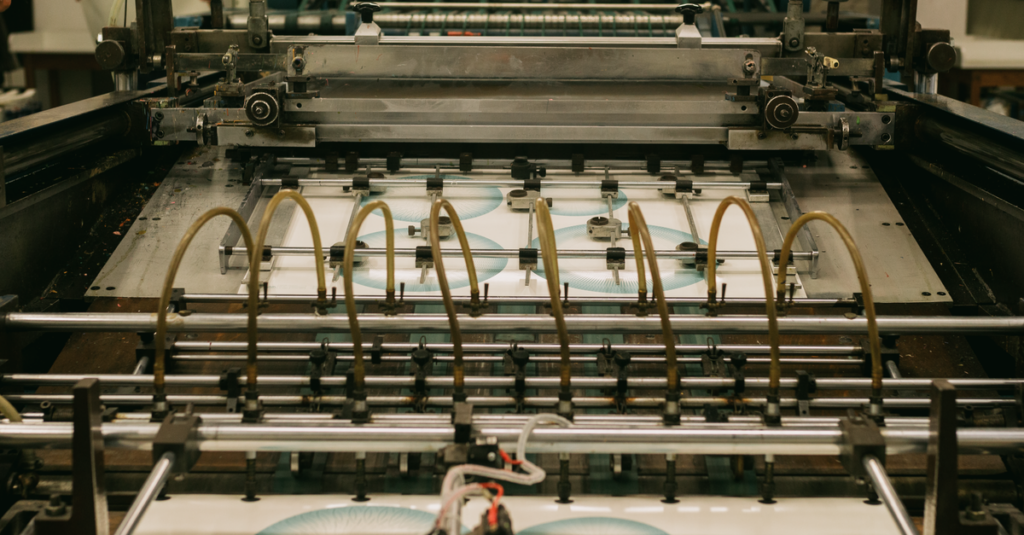
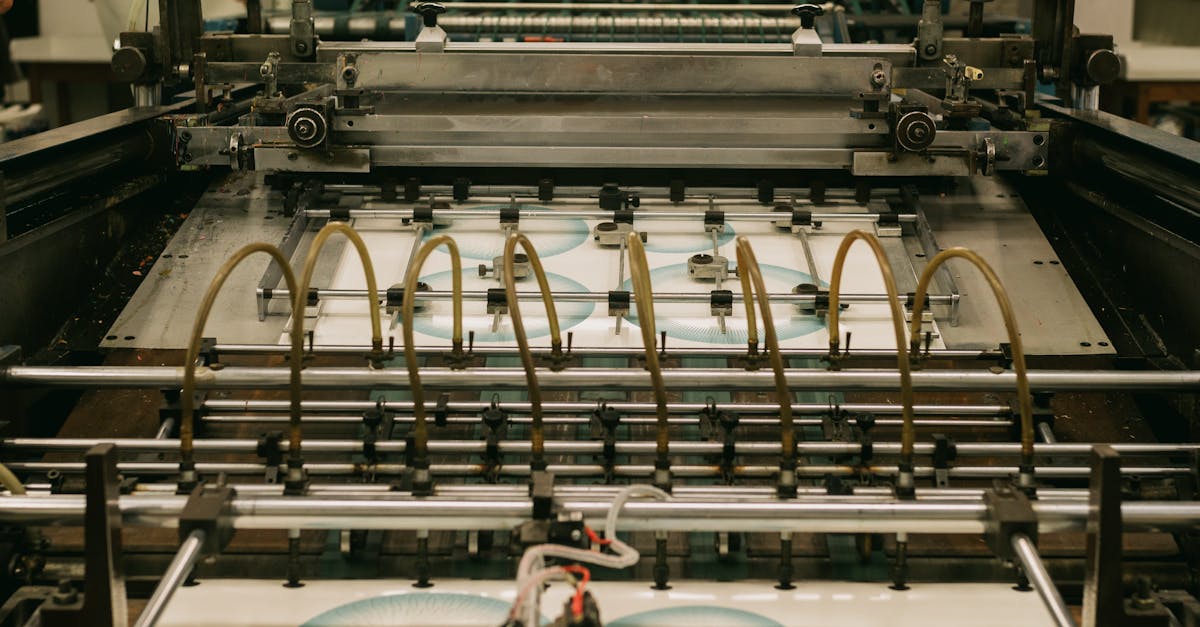
But that’s the home version. The industrial printing machine — the kind that makes the notebook you’re probably scribbling notes in right now — is a whole other animal. It’s huge, loud, and honestly, kind of beautiful in how straightforward it is. It’s built to do one thing: get thousands of identical pages out the door, fast and clean.
And if you’re ordering corporate diaries, bulk notebooks for a school district, or branded stationery, you don’t need to be an engineer. But you do need to know the difference between the shiny brochure promise and the machine that actually gets the job done. Because that machine, and the company running it, determines if your notebooks look cheap or professional. That’s what this is about.
I’ve been watching these things run for years. If this sounds familiar, how we handle printing might be worth a look.
The Two Worlds of Notebook Printing
Okay. There are basically two paths for printing the pages inside your notebooks. And the choice between them isn’t about good or bad. It’s about scale, quality, and cost. Getting this wrong is how projects stall.
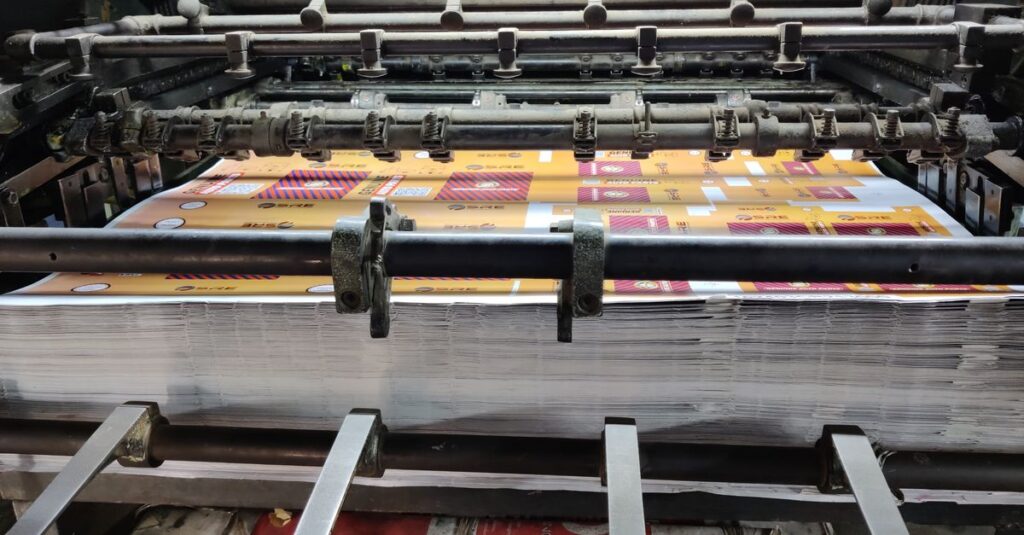
The first path is offset printing. This is the workhorse. Imagine a giant metal roller with your design etched onto it. It rolls through ink, then transfers that ink onto a rubber blanket, which then presses it onto the paper. It sounds convoluted, but it’s genius for volume. The setup takes time — and money. But once it’s running, every single page it spits out is identical and crystal clear. The colors are sharp. The text is crisp. It’s built for orders where you need 10,000 notebooks, not 100.
The second path is digital printing. This is closer to your desktop printer, just on steroids. It’s direct-to-paper. The big win here? No plates, no lengthy setup. You can change the design from one notebook to the next. It’s perfect for short runs, prototypes, or highly customized notebooks where every copy is different. The catch? Per-page, it’s more expensive. And sometimes, the color consistency isn’t quite as rock-solid as offset over a massive run.
Nine times out of ten, when a school or a corporation comes to us for a bulk order, they need offset. The economics just make sense. But I was talking to a startup founder last month — over coffee, actually — and for his small batch of investor notebooks, digital was the only thing that worked. Different machines for different problems.
Which is… a lot to sit with.
Beyond the Page: What You’re Really Paying For
Here’s the thing most procurement managers don’t see: the printing machine is just the middle act. What happens before and after determines everything.
The Paper That Actually Works
You can have the best printer in the world. Feed it cheap, dusty paper that sheds fibers, and your text will look fuzzy. The ink might bleed. I think the standard we use is — I can’t remember exactly — around 54 GSM writing paper. Don’t quote me on that exact number for every product. But it’s the weight that gives it that smooth, no-bleed feel. Too light, and it feels flimsy. Too heavy, and you’re paying for thickness you don’t need and the binding gets bulky.
Paper isn’t just paper. It’s the handshake.
The Binding Hold-Up
This is where notebooks fall apart. Literally. You’ve got your beautifully printed stack of pages. Now what? Staple them? Glue them? Spiral them?
- Stitched Binding: Strong. Durable. The classic school notebook. Thread literally sews the pages together through the fold. It lies flat. It lasts.
- Spiral Binding: That metal or plastic coil. Lays perfectly flat, which is huge for artists or left-handed writers. But the coils can get bent in a backpack.
- Perfect Binding: That smooth, squared-off spine you see on premium diaries. Pages are glued at the edge. Looks fantastic, feels professional. Not as flexible as spiral, but it screams quality on a boardroom table.
The machine that does the binding is just as critical as the printer. A bad glue job means pages detach in week two.
Right?
A Day in the Life of an Order
Let me give you a picture. Not a metaphor. A real Tuesday.
Say a college in Hyderabad needs 5,000 custom notebooks for freshman orientation. Their logo, specific ruling, 200 pages. The order lands.
The paper — that 54 GSM stuff — is already in the warehouse, in giant rolls taller than I am. The design files get checked. The offset plates for their logo are made. This takes a day. Maybe two.
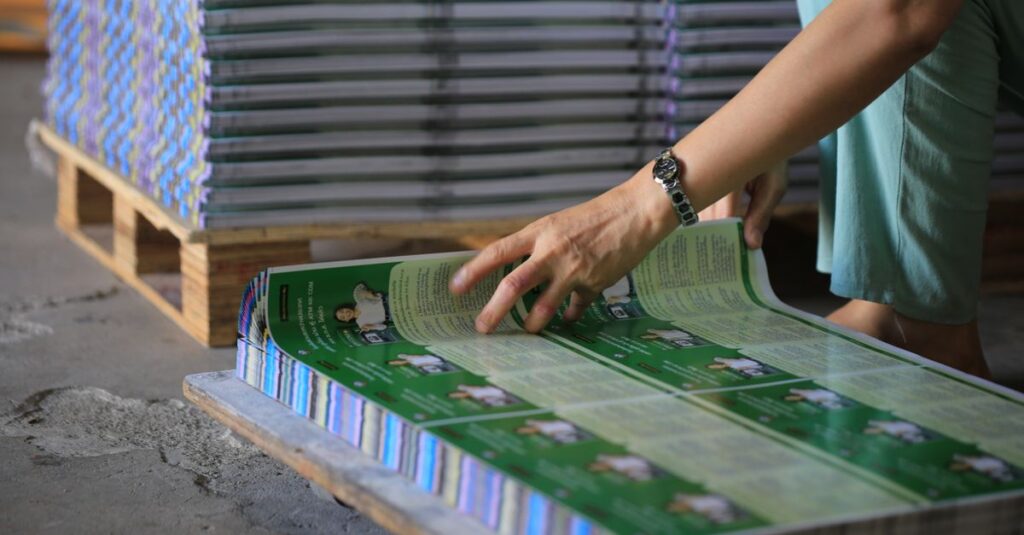
Then the machine starts. The roar is constant. The paper flies through, getting ruled lines on one pass, the college crest on another. It’s cut, stacked, organized into sets of 200 pages. The covers — maybe a thicker 250 GSM card — get printed separately, with a glossy finish applied in a different part of the factory.
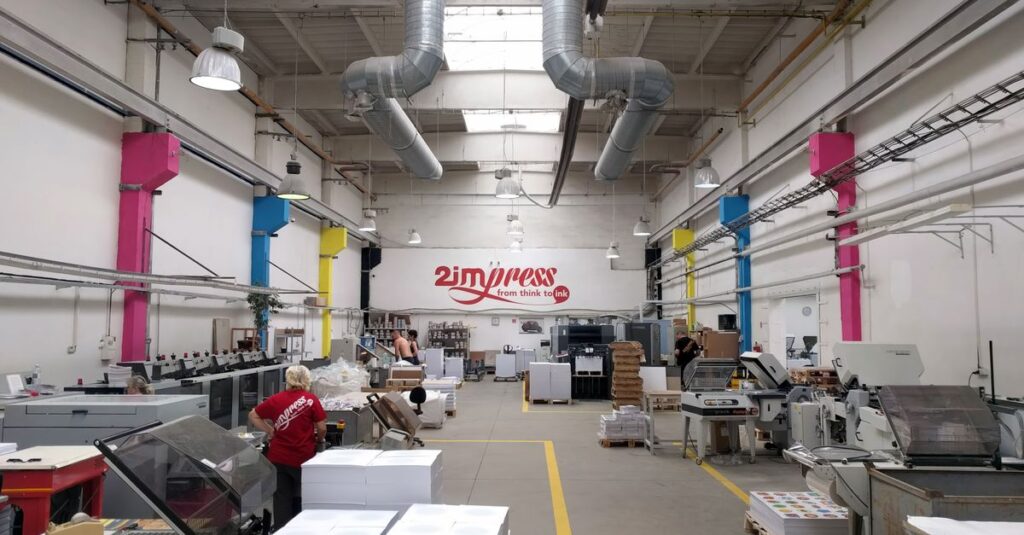
The stacks of pages and covers meet at the binding line. Stitched, probably, for durability. Then a final trim to make every edge sharp. They’re packed in boxes of 100, palletized, and the shipping labels go on. From order to truck: maybe seven days. Most of that time is careful setup and drying. The actual printing? A few hours of glorious, deafening noise.
THIS IS THE PART NOBODY SAYS OUT LOUD: The speed isn’t the miracle. The consistency is. Notebook #1 and notebook #5,000 are identical.
Offset vs. Digital: Choosing Your Weapon
I said earlier it’s about scale. Let’s get specific. This table breaks down the real choice.
| Factor | Offset Printing Machine | Digital Printing Machine |
|---|---|---|
| Best For | Bulk orders (1,000+ units) | Short runs, samples, variable data |
| Setup Cost & Time | High cost, longer time (plate making) | Low to none, almost instant |
| Cost Per Unit | Drops drastically with volume | Higher per unit, stable regardless of volume |
| Color Consistency | Excellent across entire run | Very good, but can drift in huge batches |
| Customization | Fixed design for entire run | Can change every single page |
| Turnaround | Longer due to setup | Very fast for small quantities |
The question isn’t which technology is better. It’s which one matches your actual need. Ordering 50,000 notebooks for a national school program? Offset. No question. Need 200 unique, personalized manager diaries? Digital is your only sane option.
Expert Insight
I was reading something last month and one line stuck with me. An old press operator — been in the game since the 90s — said the real skill isn’t in running the machine when it’s working. It’s in hearing the one click, the one hum that’s slightly off, before 10,000 sheets get ruined. It’s a tactile, noisy, analog kind of intelligence that no manual can teach. The technology has gotten smarter, but the machine still talks to you. If you know how to listen.
I don’t have a cleaner way to put it than that.
The Real Cost of a “Good Deal”
Procurement managers have a nightmare. It’s the pallet of notebooks that arrives, and the color on the cover is… off. Just slightly. Or the ruling lines are faint. Or 10% have a weird smudge on page 47.
You saved 3% on the unit cost. Now you have an angry principal, a delayed distribution, and a reputation hit. The “good deal” printer often cuts corners you can’t see upfront. They might use lower-GSM paper to save weight (and cost). They might run the ink too thin. They might skip the final quality check station to save labor hours.
In my experience working with corporate buyers, the ones who escape this trap ask different questions. They don’t just ask for a price per notebook. They ask:
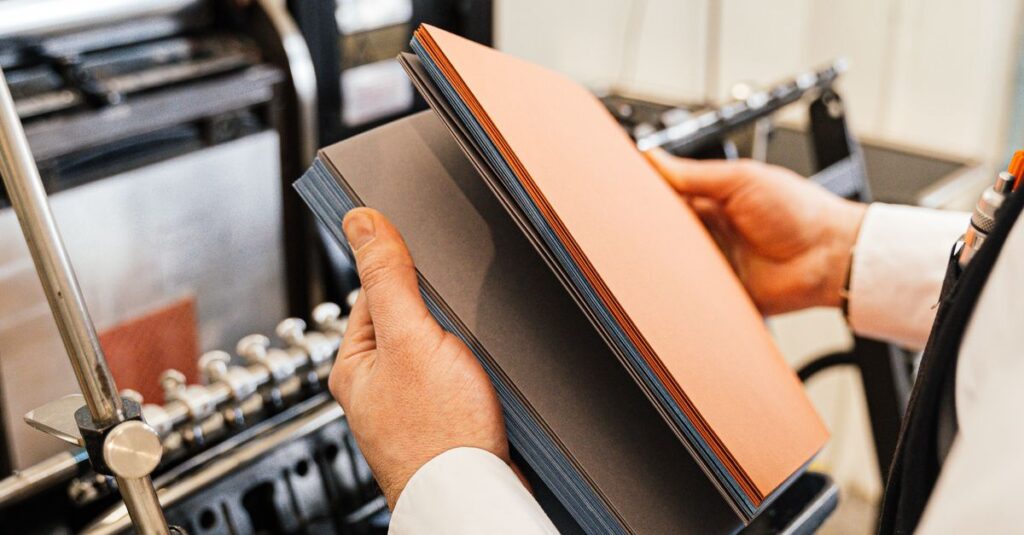
- “What’s your standard paper GSM? Can I feel a sample?”
- “Walk me through your quality check process.”
- “What’s your reprint/rejection policy if a batch isn’t right?”
The machine is a tool. The company operating it is the guarantee. Sometimes, seeing how a manufacturer works tells you more than any spec sheet.
So, What Now?
Look. I don’t think there’s one perfect answer here. Probably there isn’t. Your project is unique.
But if you’ve read this far, you’re not just looking for a printer. You’re looking for a partner who won’t make your life harder. You need consistency, clear communication, and a final product that makes you look good — not one you have to apologize for.
It comes down to trust, honestly. Trust that the machine is right for your job, and the people running it know what they’re doing.
If you’re figuring out a bulk notebook or diary order, and all this sounds like the kind of straight talk you need, maybe just start a conversation. No fancy brochures. Just what’s possible.
Frequently Asked Questions
What type of printing machine is best for school notebooks?
For bulk school notebook orders — think thousands of identical units — offset printing machines are almost always best. They offer the lowest cost per notebook at high volumes and give perfectly consistent quality across the entire run, which is crucial when every student needs the same reliable product.
How long does it take to print a large order of custom diaries?
It depends on the complexity, but for a large custom diary order (say, 10,000 units), allow 10-14 days from final design approval to dispatch. Most of that time is prep: making printing plates, paper setup, and binding. The actual printing on an industrial machine might only take a day or two for the whole run.
Can you print different logos on each notebook?
Yes, but it requires a specific type of machine. A standard offset printer can’t do it efficiently. For that, you’d need a digital printing machine. It’s perfect for small batches where each notebook needs unique personalization, like individual manager names or department logos, though the per-unit cost is higher.
What’s the difference between printing the cover and the inside pages?
Covers usually need thicker, more durable paper (like 250+ GSM card stock) and often get extra finishes like lamination or UV gloss for protection and shine. Inside pages use lighter writing paper (like 54 GSM) optimized for pen ink. They’re often printed on separate machines or in separate runs on the same press due to the different paper weights and finishes required.
How many notebooks can a printing machine produce in a day?
It varies wildly by machine size and setup. A medium-to-large industrial offset press, like the ones used for bulk school orders, can produce the printed sheets for tens of thousands of notebooks in a single day. But remember, printing is just one step. The binding, trimming, and packing add more time to the total production timeline.