Look, Let’s Clear This Up: ‘Not Books’ Are Still Books
You’ve probably heard the term. Maybe a procurement manager said it. “We need 50,000 not books for the new school term.” Or a distributor emailed asking for a quote on “not books, A4 size, 92 pages.”
And if you’re not in this world, it sounds like a riddle. It sounds like someone ordering something they don’t want. Why would anyone order a “not book”?
Here’s the thing. Inside the stationery manufacturing and bulk supply trade, “not book” is a specific, shorthand term. It doesn’t mean “not a book.” It means a notebook — but specifically, the blank, standard, unbranded, mass-produced kind. The raw material of education and administration. The workhorse. The thing you order in tens of thousands, not ones and twos. If you’re looking at bulk orders, you’re probably looking at not books.
What a “Not Book” Actually Is (And Isn’t)
Let me put it this way. It’s the difference between a chef ordering a sack of potatoes versus a single, gourmet truffle.
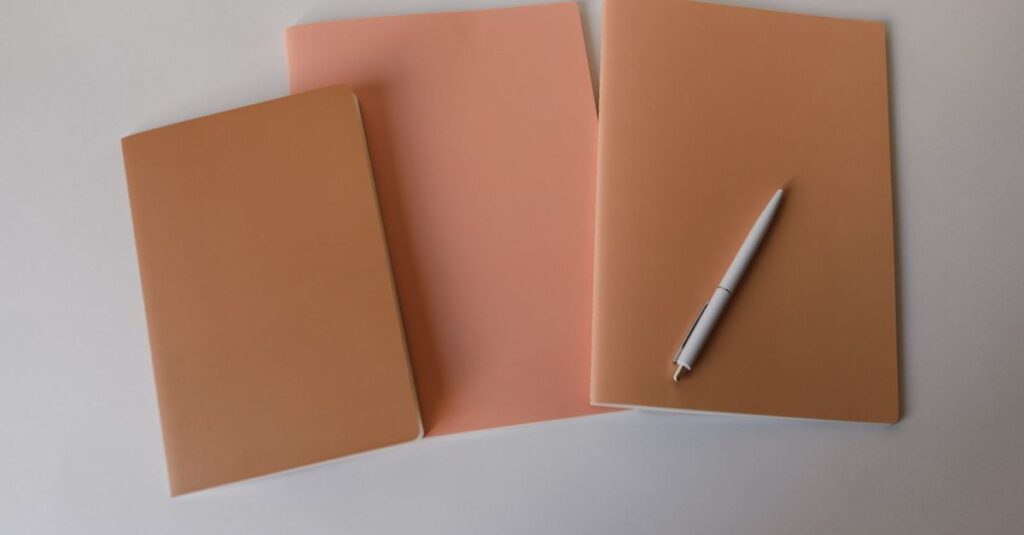
A “not book,” in the purest trade sense, is a blank, ruled, bound notebook produced to standard specifications for mass consumption. It’s not a custom diary. It’s not a luxury journal. It’s not a branded corporate gift. It’s the fundamental unit. Single ruled pages. A simple card cover. Stitched or spiral binding. Done.
Think about what a school needs. A student needs a place to write notes. That’s it. They don’t need embossed logos, custom graphics, or special paper. They need a durable, affordable, functional book. That’s a not book. A government office needs record books for filing. A corporation needs basic notepads for meeting rooms. Same deal.
The term likely came from old order forms and shorthand. “Notebook” is long. “Not book” is short. It stuck. In our factory, when we get an order for “10,000 Not Books, Long Size, SR, 92 pages,” everyone knows exactly what to make. No design team needed. Just production.
Expert Insight
I was talking to one of our oldest production managers a few months back — we were walking the floor, the noise of the binding machines was deafening — and he pointed at a pallet stacked high with finished notebooks. “That’s the heart of it,” he said. “All the fancy stuff comes and goes. But this?” He tapped the stack. “This never changes. They’ll always need the blank page.” He’s been here since the 90s. I think about that a lot. The demand for customization goes up and down with the economy. The demand for the basic not book? That’s a constant. It’s the bedrock.
Why Do Schools and Businesses Buy Them by the Truckload?
Cost. Honestly, that’s ninety percent of it.
When you’re ordering for 5,000 students or 500 corporate employees, a difference of five rupees per book isn’t a rounding error. It’s a line item. It’s budget. Standardized not books are cheaper to manufacture because the process is optimized, the materials are bought in enormous volume, and there’s zero setup time for custom designs. That saving gets passed on.
But there’s another reason, one that’s less obvious: predictability. A procurement officer needs to know that the notebook delivered in July is identical to the one delivered last July and the one they’ll get next July. Consistency in ruling, paper quality, binding strength, page count. A “not book” specification guarantees that. It removes variables. It turns a creative product into a reliable commodity, which is exactly what large institutions need it to be.
I’ll give you an example. We supply a chain of schools across three states. They order over half a million not books a year. Their entire administrative system — from inventory to distribution to student billing — is built around the assumption that the product is uniform. Introducing a new size or paper weight would break their system. The “not book” is their unit of measure.
The Real-Life Story of Mr. Arvind, Procurement Head
Arvind is 48, heads procurement for a large university in Chennai. We’ve worked with him for a decade. Every March, without fail, his order comes in. It’s massive, and it’s always the same: 80,000 A4 Not Books, 200 pages, double ruled, spiral bound.
He told me once, over a very quick phone call — I could hear the chaos of his office in the background — that his predecessor had once tried to switch to a “nicer” notebook with a glossier cover. Saved two rupees per unit. The problem? The spiral binding was weaker. By October, books were falling apart in lecture halls. The complaints flooded in. The savings were wiped out by the logistical nightmare and the reputation hit. “Never again,” he said. “Now I just want the not book. The one that works.” The call dropped. He never called back. He didn’t need to. His annual order just arrived again last week.
Not Book vs. Custom Notebook: Picking the Right Tool
This is where most bulk buyers get stuck. They think they need a custom solution when a standard not book will do. Or vice versa. Let’s break it down.
| Aspect | Standard “Not Book” | Custom Notebook / Diary |
|---|---|---|
| Primary Use | Internal use, student notes, daily records, bulk distribution | Branding, corporate gifting, promotional items, executive use |
| Cost Per Unit | Low. Economy of scale drives price down. | High. Design, plate setup, and special materials add cost. |
| Lead Time | Short. Often ready for shipping from stock. | Long. Requires design approval, plate making, and separate production run. |
| Customization | Minimal. Usually just size, page count, and ruling. | Extensive. Cover design, logo, paper type, inside prints, special binding. |
| Order Quantity | High. Typically 10,000 units and above. | Flexible. Can be from 500 to 10,000+. |
| Emotional Value | Utility. It’s a tool. | Perception. It’s a statement. |
The table makes it obvious, right? If you’re equipping a classroom or an office supply cupboard, you go for the not book. If you’re creating a client gift or a branded item for your sales team, you look at custom printing. Trying to use one for the other’s job is a fast way to blow your budget or end up with the wrong product.
How the “Not Book” Gets Made (And Why That Matters to You)
People think manufacturing is magic. It’s not. It’s process. And for not books, the process is refined to an almost boring level of efficiency. That’s what keeps the cost down.
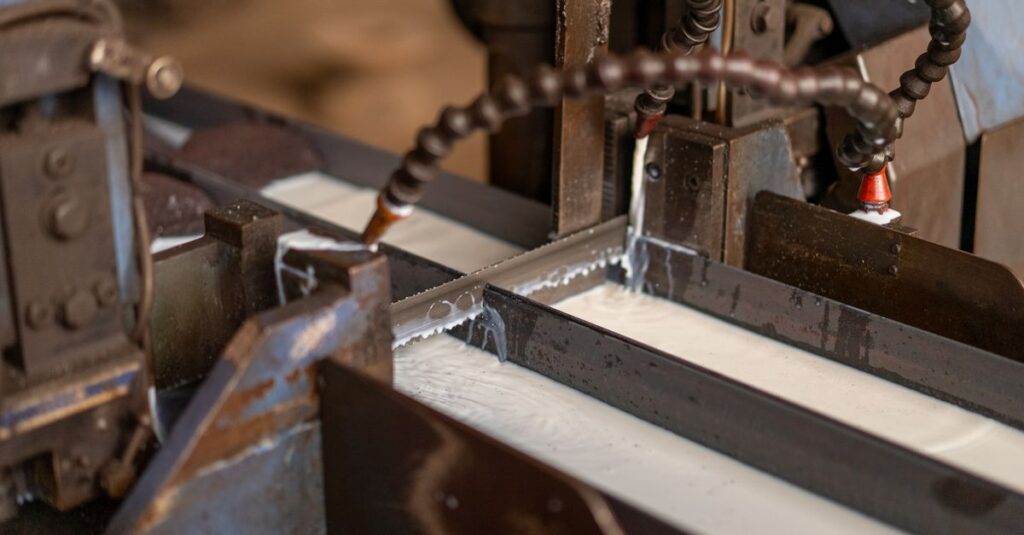
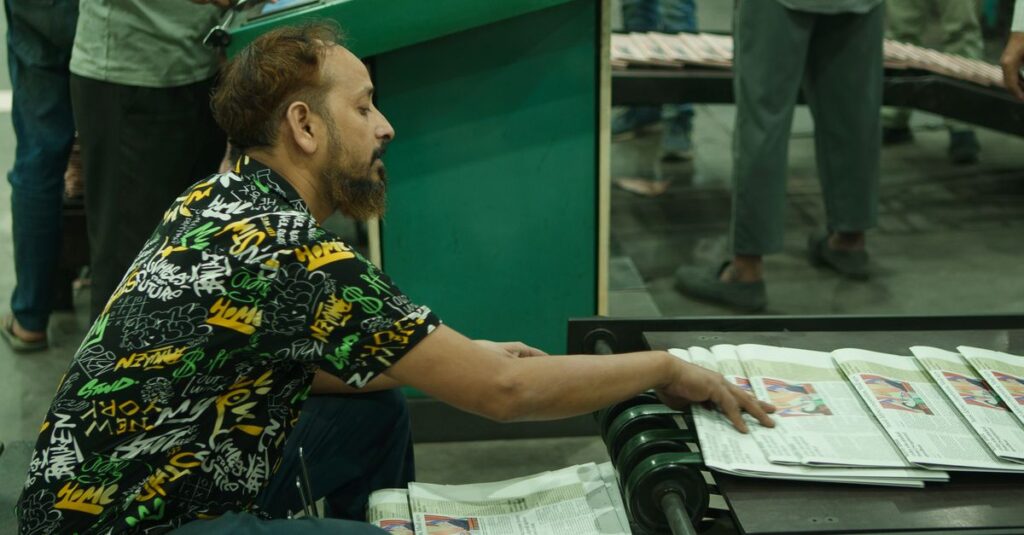
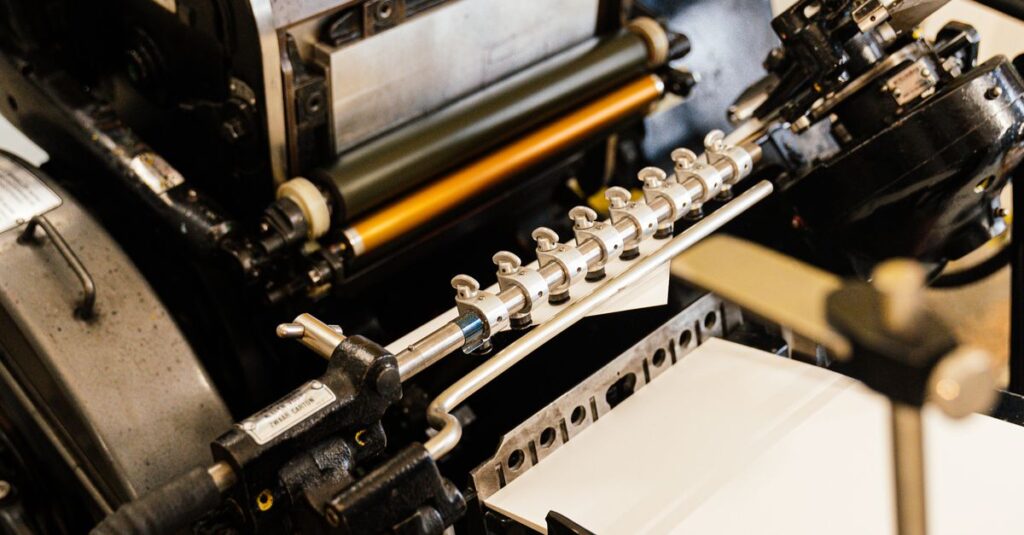
It starts with the paper reel — huge rolls of 54 GSM writing paper, the standard for smooth writing without bleed-through. That paper gets cut, printed with the faint blue ruling lines (SR, DR, etc.), then cut again into signatures. Those signatures get gathered, folded, stitched together with thread or wire (stitched binding is the classic for not books), then trimmed. The cover — usually a single-color, sturdy card — gets glued on. That’s it.
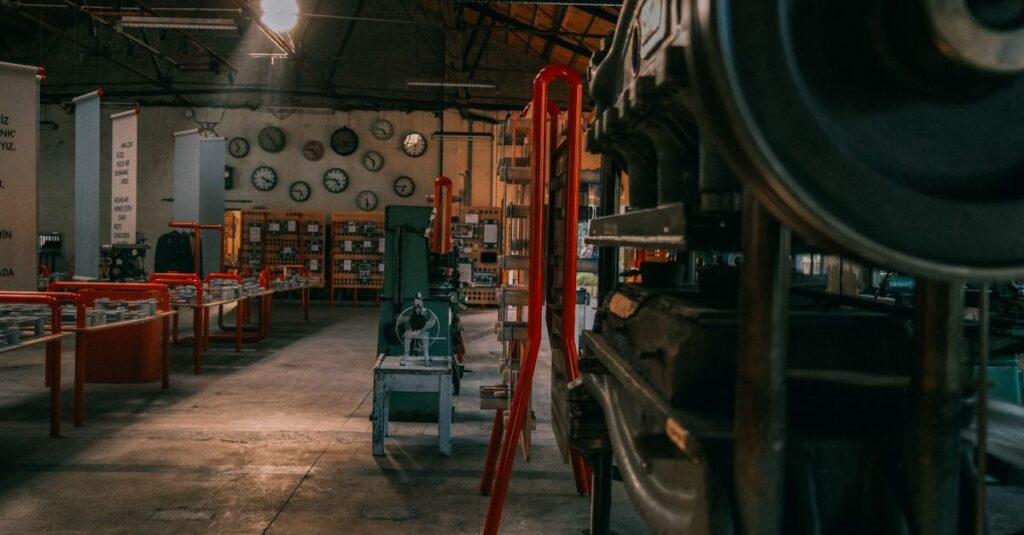
No waiting for client feedback on a Pantone color. No special foil stamping machines. Just a steady, rhythmic production line. In our factory, that line can produce about 35,000 finished, bound, packed not books in a day. The scale is what makes the price point possible. It’s also why we can promise consistency. The machine doesn’t get creative. It just repeats.
What to Look For When You’re Ordering in Bulk
Okay, so you’re convinced you need not books. Great. But not all bulk suppliers are the same. Here are the three things you should ask — the things most people forget.
- The Paper GSM: Ask for a sample. Actually write on it with the pen you’ll use. 54 GSM is standard, but some cheaper books use 50 GSM or even lower. It feels flimsy. The ink ghosts. It feels cheap. That’s because it is.
- The Stitching: Open the book flat. Does the spine crack? Do the pages feel loose? Good stitching should hold the book together through a full academic year of being shoved in a bag. Poor stitching fails by October.
- Delivery Schedules: Can they handle phased delivery? You might need 100,000 books, but your warehouse can only hold 25,000. A good manufacturer will schedule shipments. A bad one will either dump it all at once or miss deadlines.
The biggest mistake I see? Buyers getting a quote from a new supplier based solely on price, skipping the sample. They get a truckload of books that are technically the right spec, but the paper is grayish, the ruling is smudged, and the smell of cheap glue is overwhelming. Then they call us. It happens more than you’d think.
Frequently Asked Questions
What’s the difference between a “not book” and a regular notebook?
In everyday language, nothing. They’re the same. In the trade, “not book” usually refers to the basic, standardized, unbranded version bought in enormous bulk by institutions. A “notebook” is the general category. Think of it like “sedan” versus “company fleet car.” One describes the thing, the other describes its use case.
What sizes are most common for bulk “not book” orders?
For schools: Long Size (27×17 cm) and Short Size (20×16 cm). For offices and colleges: A4 and A5 sizes. For accounting: Larger Account Book sizes (34×21 cm). The size is driven entirely by the use case. We stock all the standard sizes because that’s what the bulk market demands.
Can we get our logo on a “not book” order?
Technically, yes. But the moment you add a logo, you’re moving from a standard “not book” run to a custom printing job. This means a new plate needs to be made for your logo, which adds a setup cost. It’s still cost-effective for large orders, but it changes the pricing and timeline. For true economy, the pure “not book” with no branding is the way to go.
How far in advance should we place a bulk order?
Earlier than you think. For orders above 50,000 units, talk to your manufacturer at least 60-90 days before you need delivery. Peak seasons (like before the school year) get chaotic. Lead times stretch. If you have storage, consider ordering off-season. The price might be better, and you’re guaranteed the stock.
Do you export “not books” internationally?
Constantly. Yes. We ship standard not books to the Gulf, Africa, Europe, and the US all the time. For international buyers, the appeal is the same: high volume, consistent quality, low cost. The packaging for export is heavier to withstand shipping, but the product inside is the same reliable, basic book that schools and businesses rely on globally.
Wrapping This Up
So that’s the story of the humble “not book.” It’s not glamorous. It won’t win design awards.
But it’s the foundation. It’s the thing that lets a student take notes, a clerk keep records, a meeting have minutes. It’s a commodity in the best sense of the word — reliable, affordable, and absolutely necessary. The whole industry is built on it.
I think the real question isn’t “What is a not book?” It’s “Do you need the flashy custom solution, or do you need the workhorse?” Nine times out of ten, for bulk institutional supply, the answer is the workhorse. You just need to find someone who makes a good one. If you’re trying to figure out the specs and the scale for your next order, talking to someone who’s been doing it for decades helps.