What Does “Print Pages” Really Mean in a Notebook?
I was on a call the other day with a procurement manager from a college in Vizag. He kept saying “we need notebooks with 120 print pages” and I kept nodding. But honestly? I wasn’t sure he knew what he was asking for. And that’s not his fault. The term “print pages” gets thrown around a lot in the stationery world, but it means different things to different people. Some buyers think it means the total number of physical sheets. Others think it means the number of sides printed. Both can be right. Both can be wrong. It depends on who you’re talking to. Here’s the thing — when you’re ordering notebooks in bulk from a manufacturer, a misunderstanding about print pages can mess up your entire order.
So let’s clear this up.
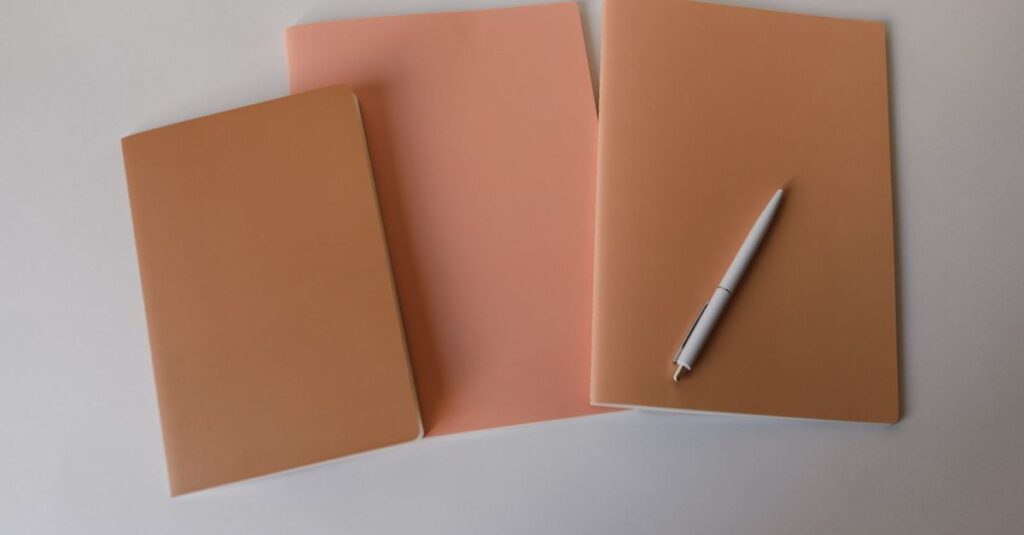
Print pages usually refers to the number of individual sides that have been printed on. A single sheet of paper folded in half gives you four print pages — front and back of each half. Simple? Not quite. Because some manufacturers count it differently. Some count every physical page as two print pages. Some count only the printed sides. Some just call every sheet a “page” and leave you to figure it out. And if you’re a school principal ordering 5,000 notebooks, or a corporate buyer ordering custom diaries for your entire office, this confusion costs real money.
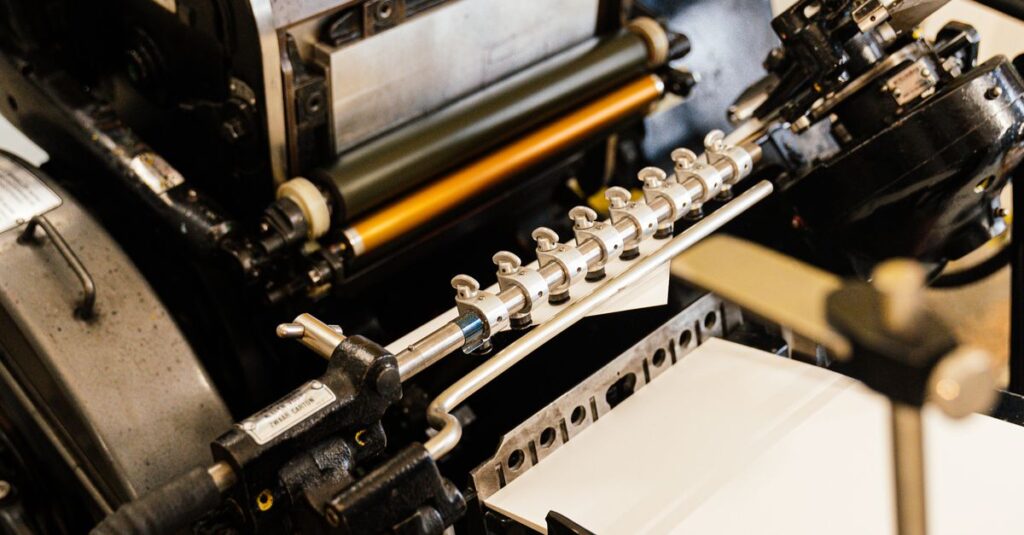
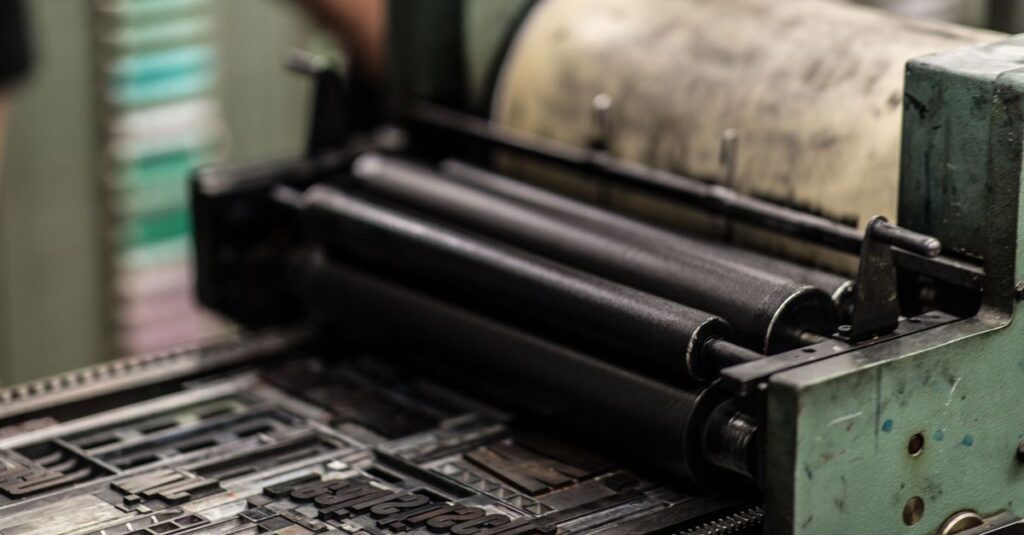
I’ve been in this business since 1985. Not as a consultant or a paper-pusher. I mean I’ve been standing in a factory in Rajahmundry, watching sheets come off the press, counting them myself. So when I say print pages matter, I mean it from experience.
Look, I’ll be direct. Most people I’ve spoken to — procurement managers, distributors, even some wholesalers — don’t really understand how print pages are calculated. And they’ve been ordering notebooks for years. That’s not a judgment. It’s just how the industry works. Nobody sits you down and explains it. So let me do that now.