What Exactly Is Print Copy in Notebook Manufacturing?
You walk into a printing shop. Or you call a manufacturer. You say, “I need notebooks with our school logo.” They nod and ask: “What print copy do you want?”
And for a second, you freeze. ‘Print copy’ — it sounds obvious. But it’s not. Because print copy isn’t one thing. It’s the whole package: the paper inside, the lines on it, the cover design, the logo placement, even the binding style. Everything that makes a notebook yours, not a generic one off a shelf.
I’ve been in this business for a while. And I can tell you this — when someone says “print copy” and assumes the manufacturer will just figure it out, that’s when mistakes happen. Pages turn out wrong. Logos get misaligned. Delivery dates slip. So let’s clear this up once and for all. If you’re ordering bulk notebooks for a school, a corporate event, or a government tender, you need to understand what print copy actually covers. And honestly, it’s simpler than it sounds — once you know what to look for.
If that sounds familiar, Sri Rama Notebooks has been making print copy notebooks since 1985. We’ve seen enough orders to know what works.
The Two Big Parts of Any Print Copy
A notebook’s print copy breaks down into two worlds: the inside pages and the outside cover. They’re separate decisions. And people mix them up all the time.
Inside Pages — What Goes on the Paper
This is the part most people think of first. The ruling. The layout. But there’s more to it.
- Ruling type: Single ruled, double ruled, four ruled, broad ruled — or unruled if you’re making drawing books or graph pads.
- Page count: 52 pages, 92, 200, 240, 320, even 700 pages for account books.
- Paper quality: GSM matters. Standard writing paper is around 54 GSM. Thicker paper means less bleed-through but also heavier weight per book.
- Custom content: Some schools want multiplication tables printed on the back cover. Some companies want a calendar inside. That’s all part of print copy.
The mistake I see most often: buyers assume ruling type is standard. It’s not. Single ruled in India is different from single ruled in the UK. Always ask for a sample before approving the print copy.
Cover — The Face of Your Notebook
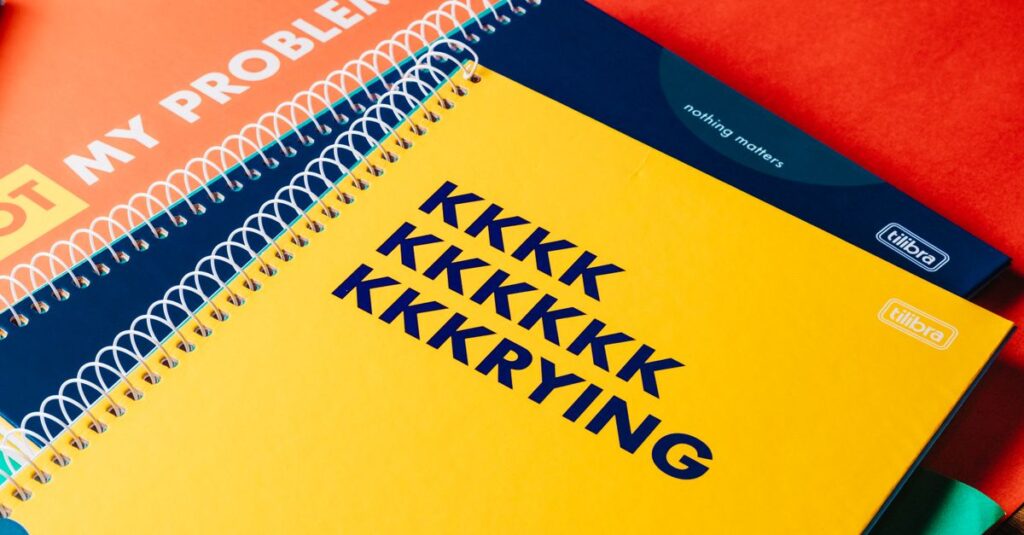
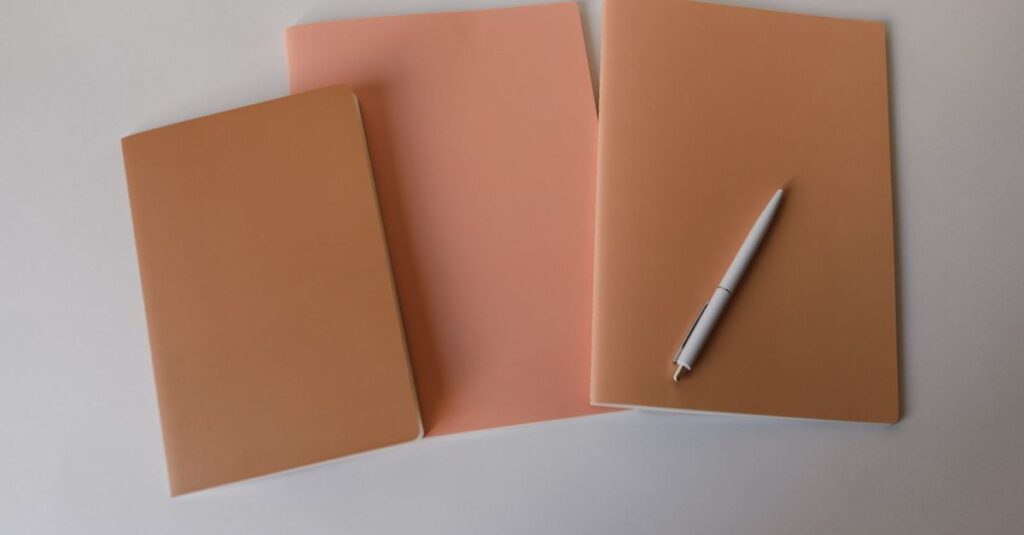
Your cover is where branding lives. Logo printing, foil stamping, embossing, spot UV, or a full-color design. The material also talks — paperboard, laminated, or a hardbound case.
You can get a custom cover with your artwork. Or you can pick from existing templates and add your logo. The choice affects cost and turnaround time.
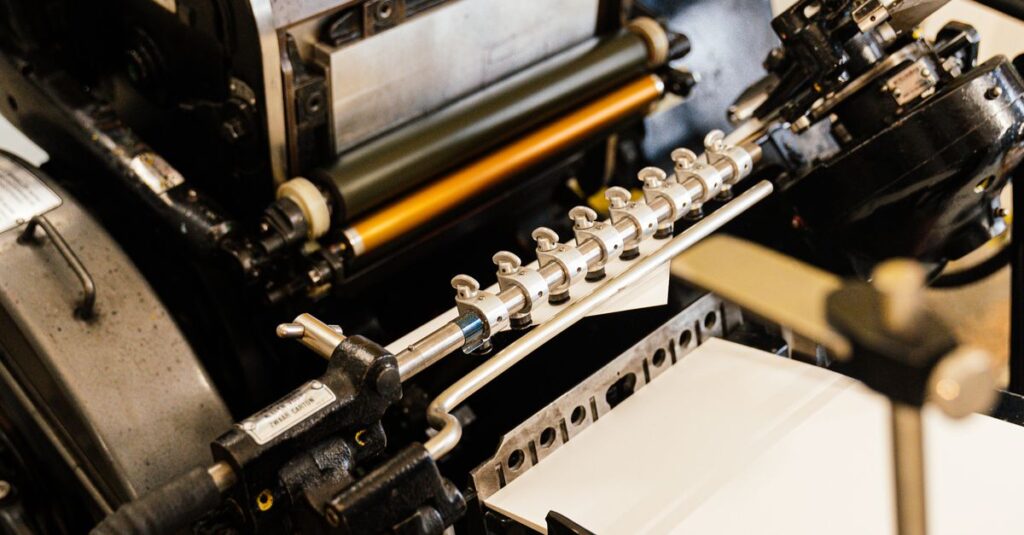
Our printing services cover everything from simple one-color logos to multi-color offset printing. But the rule is the same: approve the print copy proof before we run the press.
Print Copy vs Plain Copy — A Comparison Table
Here’s a quick table that clears up the biggest confusion I see.
| Feature | Print Copy | Plain Copy |
|---|---|---|
| Ruling design | Custom (SR, DR, FR, OSR, etc.) | Usually single ruled only |
| Cover design | Full custom with logo, text, artwork | Blank or simple pre-printed pattern |
| Page count choice | Any from 52 to 700 pages | Limited standard counts (e.g., 120) |
| Paper GSM | Can specify 54 to 70+ GSM | Fixed at factory standard |
| Logo placement | Exact position approved on proof | None or generic |
| Binding options | Stitched, spiral, perfect — as ordered | Usually stitched only |
| Minimum order quantity | 500+ typically | 100+ might work |
| Price per unit | Higher (due to setup and customization) | Lower |
The table makes it look neat. Reality is messier. Sometimes a plain copy order ends up needing custom ruling because the school curriculum demands it. Then it’s a print copy job anyway. The question is when you cross that line — and whether your manufacturer is flexible enough to handle it.
Real People, Real Print Copy Orders
Last year, a woman named Priya called me. She’s a procurement officer for a chain of private schools in Visakhapatnam. She had ordered notebooks before, but always from local stationers. This time she needed 12,000 books for three schools — all with the school emblem, the year, and the student’s name printed on the cover.
“I don’t want them to look like cheap copies,” she said.
We walked through her print copy requirements. She wanted single ruled inside but with a margin line on the left. And on the back cover, she wanted the school’s vision statement in small print. She had no idea that extra line needed a separate die. Or that the margin line would push the ruling slightly off-center.
We made a proof. She approved it. The books came out clean. But the lesson stuck with me: most people don’t know what they don’t know about print copy. And that’s not their fault. It’s a technical thing.
Expert Insight
I remember a conversation with an old printer in Rajahmundry — must have been ten years ago. He told me: “The best print copy is the one that makes the writer forget the notebook exists.” I didn’t understand then. I do now. Because when the ruling is too dark or the paper is too rough, the writer notices. And that’s a distraction. Good print copy is invisible. It just works.
But here’s the thing I still struggle with: how do you tell a client their “creative” ruling idea will actually make the notebook harder to use? Sometimes you just have to let them learn by experience. That’s not easy.
How to Order Print Copy Notebooks in Bulk — The Practical Steps
You’ve decided you need custom print copy. Now what?
- Define your specs. Number of pages, ruling type, paper GSM, cover material, size (King, Long, Short, A4, etc.). Write it down clearly.
- Get a proof. A visual sample — either digital or a physical mockup. Never skip this.
- Check the margins. In ruled notebooks, the margin width can change how much space students have to write. Don’t assume standard.
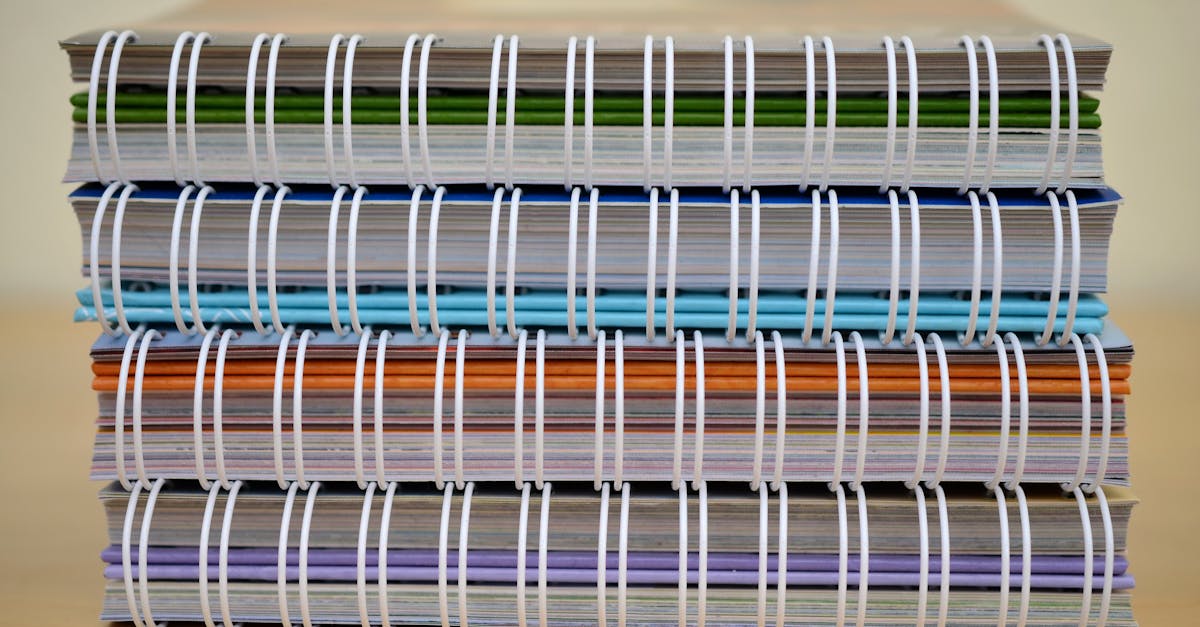
- Decide binding. Stitched for durability. Spiral for lay-flat. Perfect for a premium look. Each affects the print copy because the binding eats into the gutter margin.
- Discuss timeline. Print copy setup takes 2–7 days depending on complexity. Running 30,000 notebooks takes about a day at our factory. But planning takes longer.
- Ask about packaging. Bulk orders ship in bundles of 10 or 20. If you need individual shrink-wrap, say so.
Most people skip step 4. Then they complain the text near the spine is hard to read. Don’t be that person.
If you need help deciding, browse our product range for ideas.
Common Mistakes with Print Copy (I’ve Made All of Them)
I’ll be honest. Early in my career, I approved a print copy proof without checking the paper thickness against the page count. The book was 320 pages, and the paper was 70 GSM. The spine cracked after three uses. That’s on me.
Here’s what I’ve learned the hard way:
- Don’t trust the first proof blindly. Print it on actual paper, not on screen. Colors shift.
- Check the bleed area. If the logo touches the edge, it needs bleed. Otherwise it gets cut off.
- Factor in binding loss. Perfect binding eats about 3mm from the inner edge. Your ruling might disappear.
- Ask for a sample of the paper. 54 GSM from one mill feels different from another. Write on it before ordering.
And the biggest one? Communicate everything in writing. Verbal agreements on print copy specs are a minefield. Send a list, get confirmation.
Anyway. That’s the stuff nobody tells you when you start ordering bulk notebooks.
Frequently Asked Questions
What does “print copy” mean in notebook manufacturing?
It refers to the printed content inside a notebook — the ruling, page layout, and any custom text or designs. It also includes the cover printing. Getting the print copy right ensures the notebook matches your exact requirements.
Can I customize both the inside and outside print copy?
Yes. You can specify ruling type, page count, paper quality, and any printed text inside. The cover can include your logo, artwork, foil stamping, or embossing. We make a proof before production so you see exactly what you’ll get.
How long does it take to get a print copy proof?
Typically 1–3 days for digital proof, up to 7 days for a physical sample. Complex designs (multiple colors, special rulings) take longer. We always advise ordering samples before committing to a full run.
What’s the minimum order quantity for custom print copy notebooks?
For most custom print copy orders, we need a minimum of 500 units per design. Lower quantities are possible for simple designs on existing templates. Larger orders get better per-unit pricing.
How do I avoid mistakes with print copy when ordering in bulk?
Start with a clear written specification. Approve a physical proof. Run a small test batch (100–200 books) before the full production. And work with a manufacturer who has experience — like us, with 40 years in the business.
Wrapping Up — What You Really Need to Know
There’s no way around it: ordering print copy notebooks takes some homework. You need to know your ruling, your paper, your binding, and your cover. But once you do, the process is straightforward.
I’ll leave you with this: the best print copy is the one you don’t think about. When it’s done right, the notebook feels like it was made for you. Because it was.
I don’t think there’s a single “right” way to order print copy. Every client is different. But if you’re reading this, you probably already know what you want. You just need someone to make it happen.
Sri Rama Notebooks — we’ve been doing print copy since 1985. Call us: +91-8522818651. Or email: support@sriramanotebook.com.