So, What Is a Printing Factory, Really?
Let me guess. You typed “printing factories” into Google because someone told you that's where you should get your notebooks printed. Or maybe you're a procurement manager who's been handed a list of suppliers and you're trying to separate the real ones from the middlemen.
I get it. I've been on both sides of that desk.
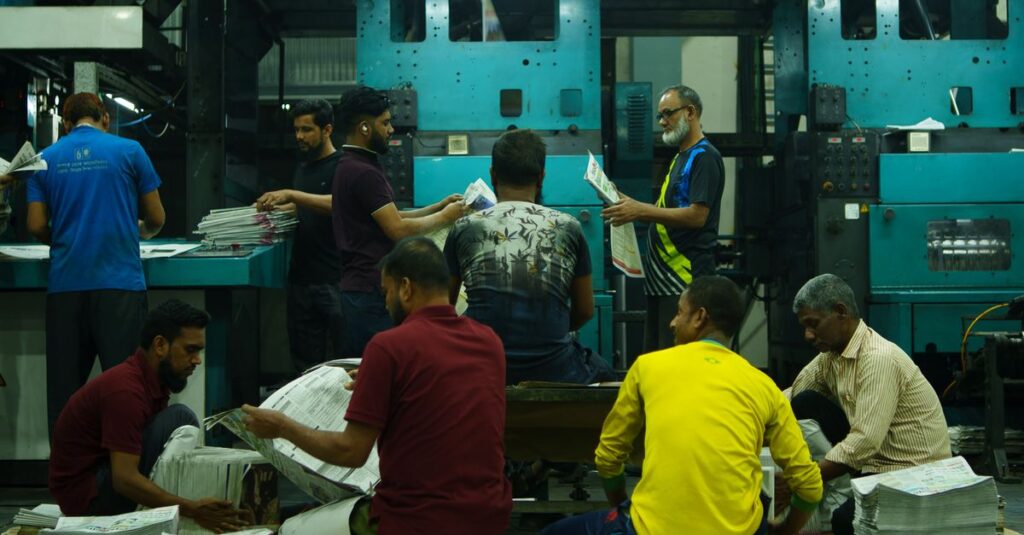
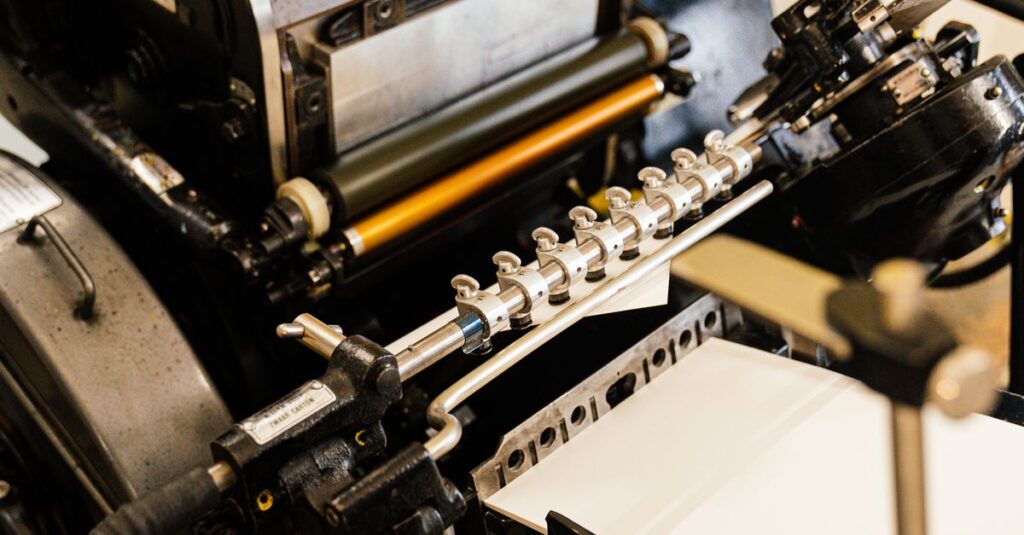
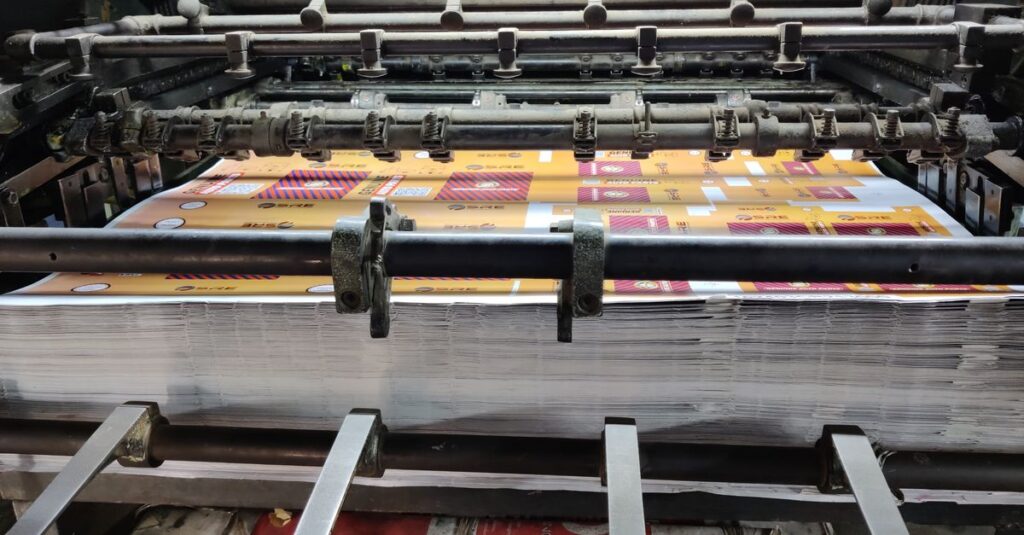
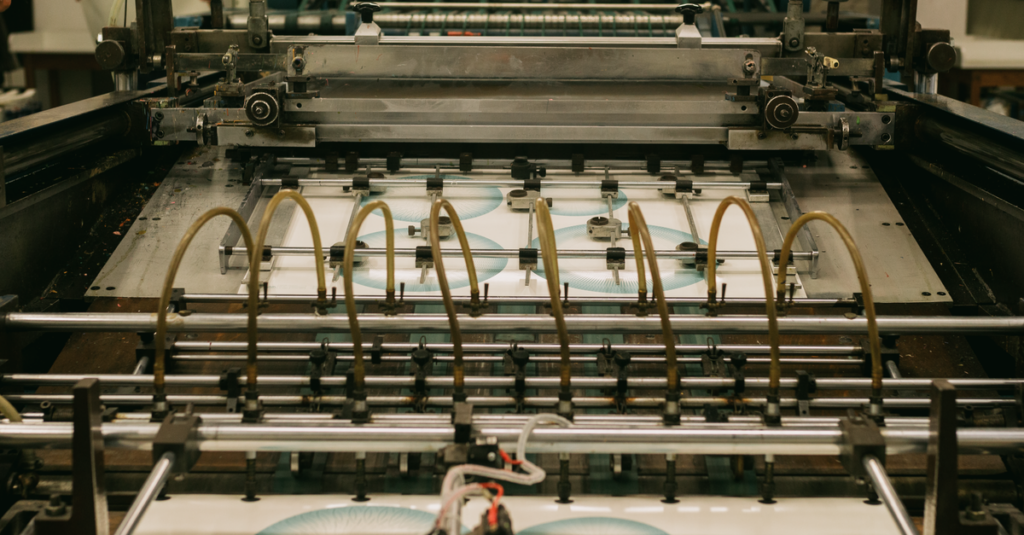
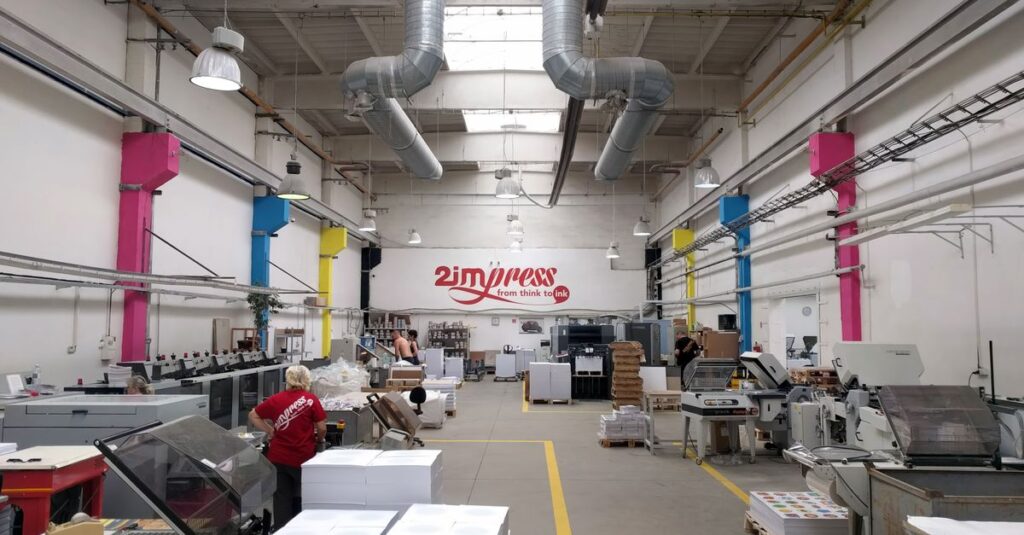
A printing factory is not a corner print shop. It's not the place where you go to get 50 wedding invitations done. A real printing factory is a manufacturing unit — think assembly line, but for paper. They run offset presses, digital machines, binding lines, and packaging units. They produce things in bulk. Thousands. Tens of thousands sometimes.
And the thing is — most people don't really understand what goes on inside one. They think it's just pressing a button. It's not. It's a whole chain of decisions.
If you're ordering stationery for a school, a corporate event, or a government tender, you need to know what you're looking at. So let's break it down.
Sri Rama Notebooks has been running a printing factory since 1985. I've seen the inside of this business long enough to tell you what matters.
How printing factories are different from print shops
Here's the quick version. A print shop is for small jobs — business cards, flyers, maybe a few hundred booklets. A printing factory is built for volume. They have separate departments: pre-press (file checking, plate making), press (actual printing), post-press (cutting, folding, binding), and shipping. Every step is industrial.
- Print shops: 1–2 machines, quick turnaround, high per-unit cost
- Printing factories: multiple machines, longer lead times, low per-unit cost for bulk
- Printing factories offer more customization: embossing, foil stamping, spiral binding
- Printing factories can handle private label and OEM orders
And that's the first thing most buyers get wrong — they go to a print shop for a bulk order and wonder why the price is sky-high.
Offset vs Digital: Which Printing Factory Type Should You Choose?
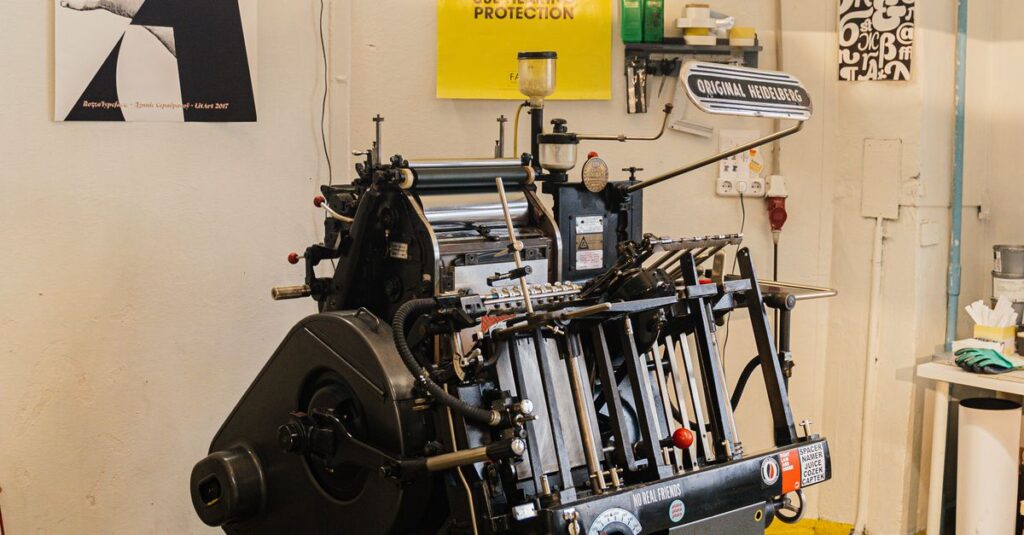
Not all printing factories are the same. The two big categories are offset and digital. You don't need to become an expert, but you should know the difference because it affects your cost and timeline.
| Factor | Offset Printing | Digital Printing |
|---|---|---|
| Best for | Large quantities (500+) | Small runs (1–500) |
| Setup cost | High (plates, makeready) | Low (no plates needed) |
| Per-unit cost | Drops dramatically with volume | Stays roughly the same |
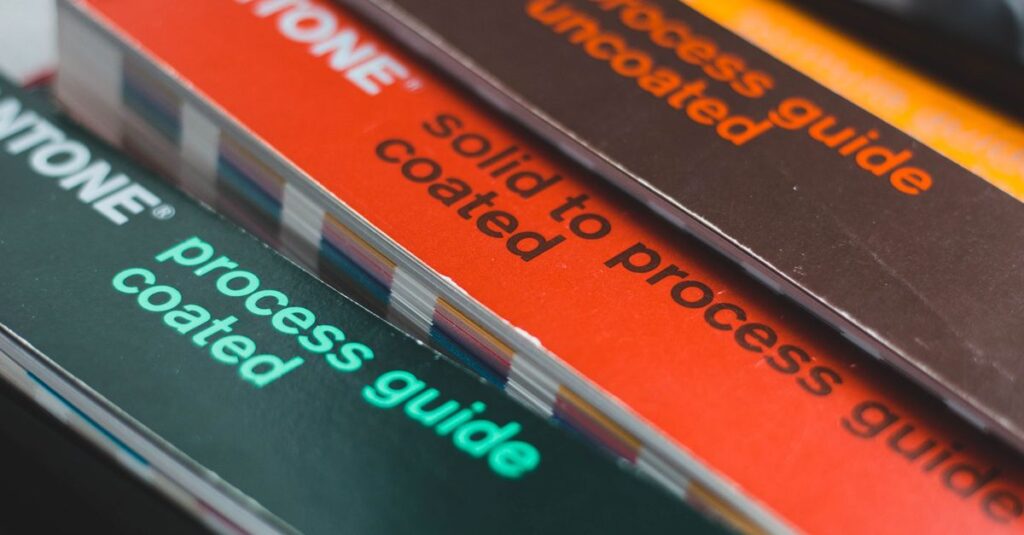
| Color accuracy | Excellent (Pantone matching) | Good, but less consistent |
| Turnaround time | 1–2 weeks typical | 2–5 days |
| Paper options | Wide range (coated, uncoated, special) | Limited to what the machine handles |
If you're ordering 10,000 notebooks for a school board, you go offset. If you need 50 custom diaries for a corporate gift, digital might work. But even then — most printing factories will push you toward offset for anything above 200 units, because the quality and durability are better.
I've seen a lot of procurement managers insist on digital because they think it's cheaper. It's not — not after you cross a certain quantity. And the notebooks end up looking washed out. That's a mistake you don't want to repeat.
How Printing Factories Handle Notebook Production
Now we get into the part I actually enjoy. Because notebooks aren't just printed sheets stapled together. There's a real process.
Expert Insight
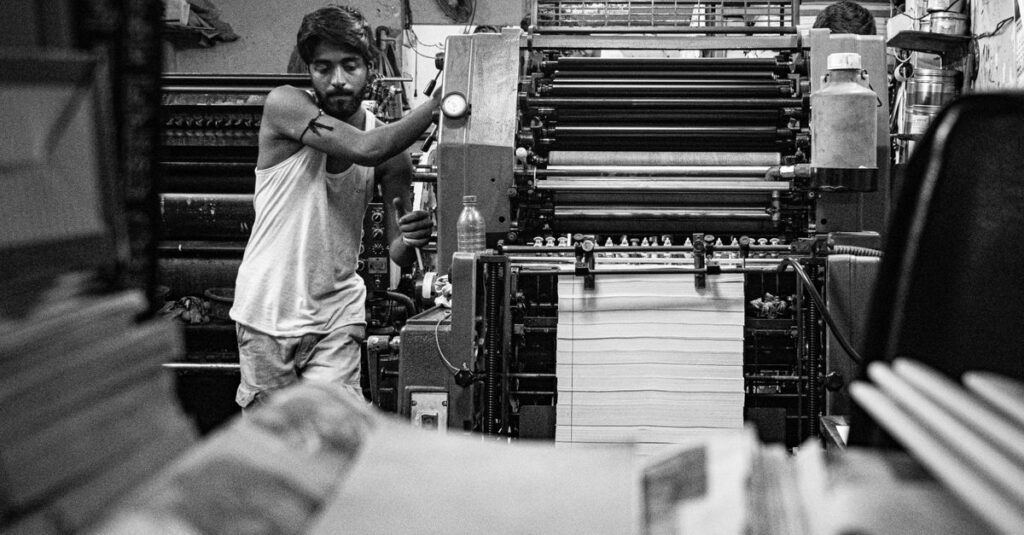
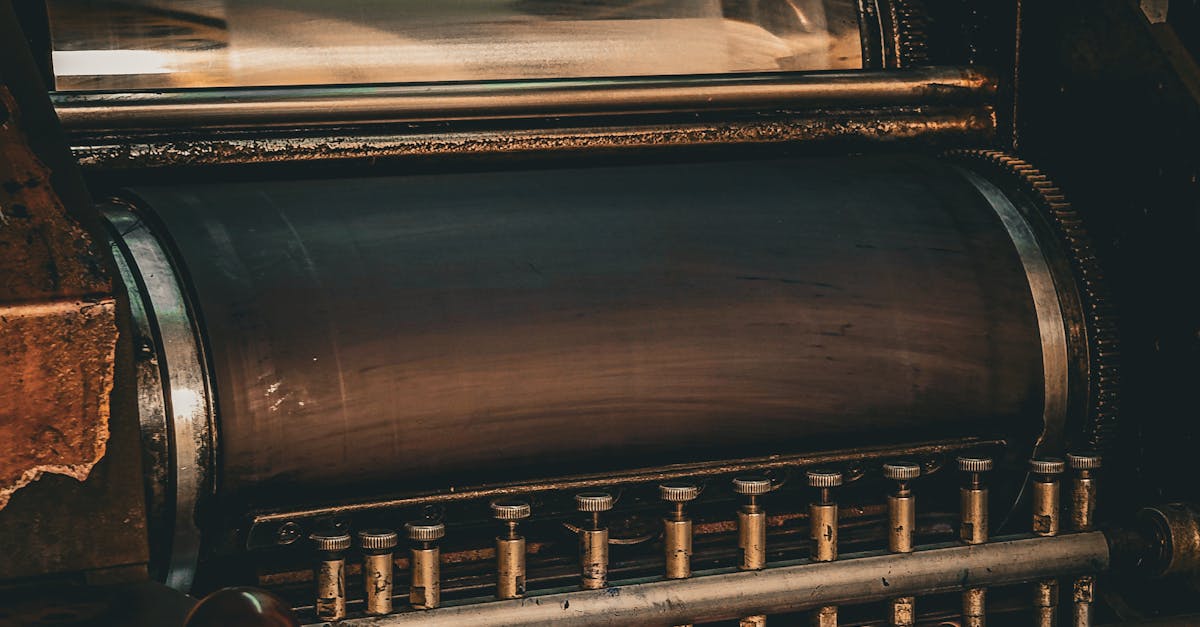
I remember standing in our factory in Rajahmundry a few years ago, watching one of our press operators — a guy named Ramesh, who's been with us since the '90s — set up an offset machine for a new job. He was adjusting the ink flow by hand, just by looking at the test sheet. I asked him how he knew it was right. He said, “The paper tells me.”
That's something you don't get from a digital machine. The best printing factories have people who understand paper — how it reacts to moisture, how it feeds through the press, how it behaves in different climates. A factory in a coastal city like ours has to account for humidity. Paper swells. Registration shifts. You learn to compensate. That kind of knowledge doesn't come from a manual. It comes from years of making mistakes.
Anyway, where was I. Right — the process. First, the design files get checked for bleeds and margins. Then plates are made (for offset). Then the press runs — sheets come out, get inspected, folded, gathered into signatures, sewn or glued, covered, trimmed, and packed. Each step has its own team. It's not glamorous. But it's precise.
One Real Example: How a School Got Its Notebooks Wrong
Let me tell you about Sunita Rao. She's 42, a procurement officer for a chain of private schools in Vijayawada. Last year, she ordered 15,000 notebooks from a printing factory she found online. The price was great. The samples looked fine. But when the shipment arrived, the ruling was misaligned — the lines didn't match up across the page. Thousands of notebooks. Useless.
She called the factory. They blamed her file. She blamed their machine. Nobody won.
I'm not telling you this to scare you. I'm telling you because it happens more often than you think. The difference between a good printing factory and a bad one isn't just the price — it's how they handle the handoff from design to print. Some factories have a prepress team that reviews your file and flags issues before the press starts. Some don't. Guess which one Sunita chose.
She ended up reordering from us at Sri Rama Notebooks. Not because we were cheaper, but because we caught her alignment issue before printing a single sheet. That one conversation saved her two weeks and a lot of money.
What to Avoid When Dealing with Printing Factories
Look, I'll be honest. Most problems come from poor communication. But there are a few specific things that trip people up again and again.
- Not asking about minimum quantities. Some factories won't run a job under 1,000 units. Others will, but the price jumps. Ask upfront.
- Skipping the proof check. A digital proof isn't just a courtesy. It's your last chance to catch errors. Don't approve it on your phone while standing in line for coffee.
- Assuming all factories offer the same finishes. You want foil stamping on the cover? Embossing? Spiral binding? Not every printing factory has the equipment. Confirm before you order.
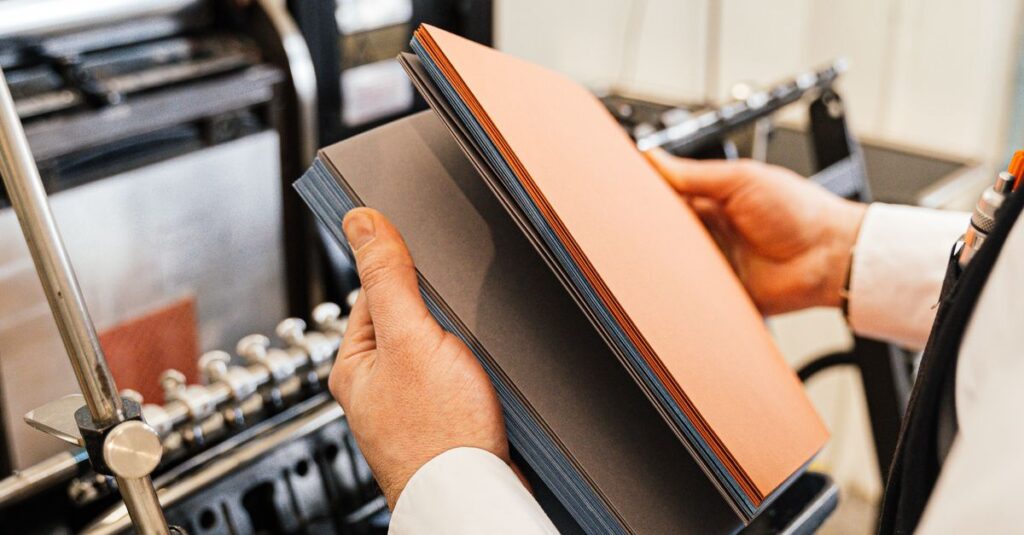
- Not talking about paper quality. 54 GSM vs 70 GSM makes a huge difference in how a notebook feels and lasts. If you're supplying students, cheap paper bleeds through. Your reputation takes a hit.
- Ignoring turnaround time. A factory might quote 10 days, but if they have a backlog, you might wait 20. Ask for a confirmed schedule.
And one more thing — don't assume a factory in a big city is better. Some of the best printing factories I know are in smaller towns. Lower overhead, more experienced workers, less turnover. That's why we're in Rajahmundry. It's not accidental.
Why Geography Still Matters in Printing Factories
I know, everything is global now. You can order printing from across the world. But there are real advantages to working with a printing factory that's close to your market — or at least understands your climate and logistics.
We export notebooks to the Gulf, Africa, the US, the UK, Europe, and Australia — so it's not that I think local is the only way. But when you're printing notebooks for a school in Andhra Pradesh, a factory in Rajahmundry understands the paper needs, the ruling standards, and the binding durability required for Indian climate. Humidity, heat, kids who drop their bags every day. That's real.
Plus, logistics cost. Shipping heavy notebooks from a distant factory eats into your margin. A nearby printing factory can deliver faster and cheaper. It's not the sexiest reason, but it's practical.
Anyway, the point is this: don't just look at the price per unit. Look at the whole package — capability, quality, turnaround, trust. That's what makes a printing factory worth its ink.
Frequently Asked Questions
What is the difference between a printing press and a printing factory?
A printing press is a machine. A printing factory is the entire facility with multiple presses, binding lines, and finishing equipment. Factories handle large volumes and offer more services like custom binding, embossing, and packaging.
How much does it cost to start a printing factory?
Starting a printing factory requires significant capital — typically several lakhs to crores depending on equipment. Offset presses, plate makers, cutting machines, and binding lines add up. Many start small and scale up over years.
What services do printing factories offer besides printing?
Printing factories often provide design support, prepress file checking, paper sourcing, various binding options (stitched, spiral, perfect), foil stamping, embossing, and packaging. Some also offer warehousing and drop-shipping for bulk orders.
How long does a typical printing factory order take?
For a bulk notebook order of 10,000 units, expect 10–15 working days from file approval. Rush orders are possible but may incur extra charges. Always confirm the schedule before placing the order.
Can printing factories handle small runs like 100 notebooks?
Some printing factories accept small runs, but the per-unit cost will be higher because of setup time. Digital presses work better for small quantities. It's best to ask if they have a digital division or partner for small orders.
Final Thoughts
Printing factories aren't magic. They're just workshops with big machines and people who know their trade. The key is matching your need to the right factory. Don't overpay for a small run on an offset press. Don't under-spec quality for a bulk order and regret it later.
I don't think there's one perfect printing factory out there. The right one depends on your volume, timeline, and what kind of quality you actually need. But if you've read this far, you're probably taking this seriously — and that's already half the battle.
If you want to talk to a printing factory that's been around since 1985 and actually answers the phone, check out Sri Rama Notebooks. We make notebooks, diaries, and custom stationery for bulk buyers. No pressure. Just a conversation.