Look, It’s Not What You Think It Is
You’ve searched for this. Probably typed “print & print” into Google, hoping for a clear answer, and got… something else. Maybe a tech glossary. Maybe nothing at all.
Here’s what’s happening: you’re buying notebooks in bulk. You’re looking at quotes, talking to manufacturers, and someone mentions “print & print” as a line item. Or you see it on a spec sheet. And you nod because you don’t want to sound like you don’t know. But inside, you’re thinking: What does that actually mean? Is it important? Is it a place where they cut corners or where the real quality shows up?
You’re right to ask. Because in my 40 years of running Sri Rama Notebooks, this is the phrase that separates the people who just move paper from the people who understand how a notebook is actually made. It’s the detail that makes a corporate diary feel expensive or a school notebook fall apart after a month.
And honestly? Most people don’t explain it right. They make it sound like a simple, two-step process. It’s not. It’s the entire soul of the thing. If this sounds like the headache you’re having right now, this might be worth a look.
The Real, Messy Truth About “Print & Print”
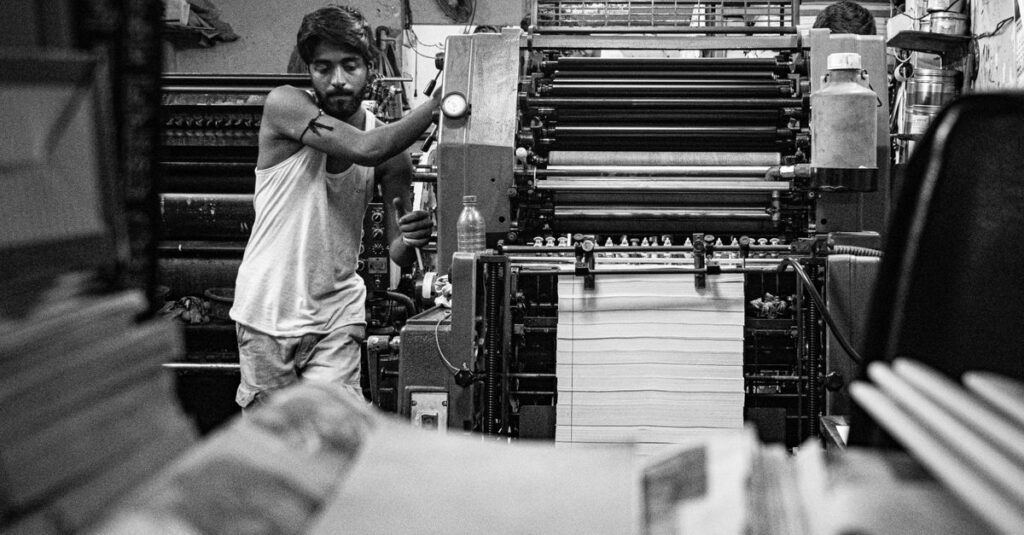
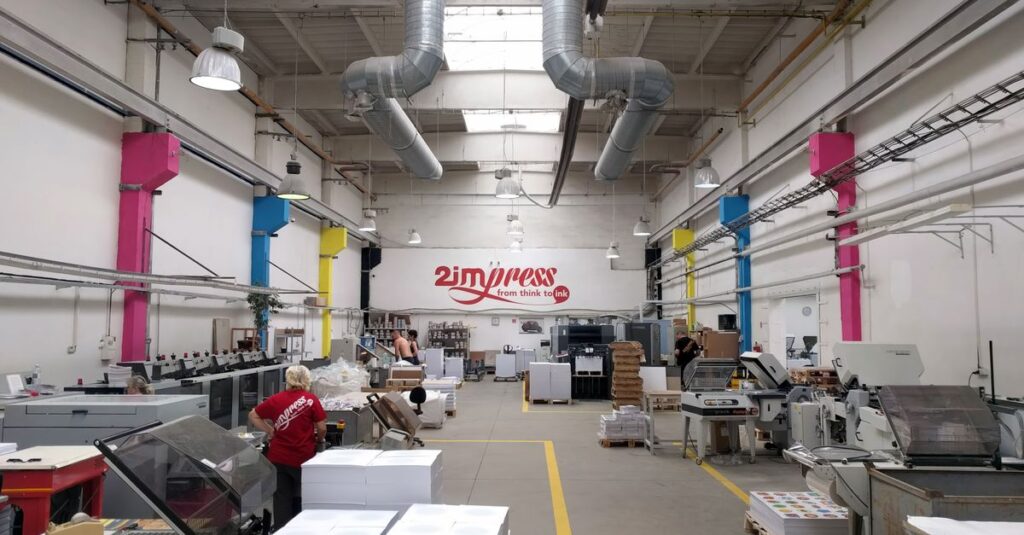
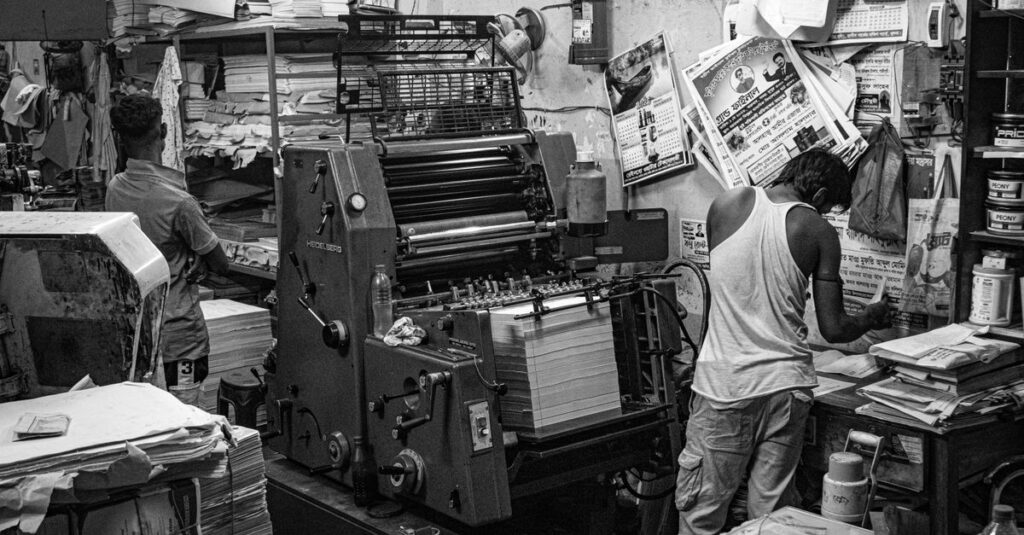
Okay. Let me break it down the way I would if you were standing in our factory in Rajahmundry, the smell of paper and ink in the air.
“Print & Print” isn’t industry jargon. It’s not a technical term you’ll find in a printing textbook. It’s factory-floor talk. It’s what we say when we’re describing the two fundamental layers of printing that go into almost every single notebook you’ve ever held.
Think about a standard school notebook. The cover has a bright, colourful design. That’s one print. Open it up. The pages have lines, grids, margins, maybe a header. That’s the other print.
Two separate processes. Two separate quality checks. Two separate costs. Bundled into one phrase that sounds deceptively simple.
The first print is for the cover. The second print is for the internal pages. And the gap between doing both well and doing both cheaply is where your entire budget and product quality lives or dies.
Not a Case Study, Just Reality
I was talking to a procurement manager from a Hyderabad college last week — over a very bad phone connection, actually — and he was frustrated. His last batch of 10,000 notebooks had covers that bled colour when a few got left in the sun. The pages were fine. The binding was fine. But the first “print” was done with cheap, non-lightfast ink to save three rupees per unit. The second “print”, the pages, were perfect.
He got a product that was half-right. And half-right, in bulk orders, is a complete failure. He didn’t know to ask. They didn’t volunteer the information.
That’s the whole thing right there.
Why This Distinction Should Keep You Up at Night
If you’re ordering 5,000 custom diaries for your corporate clients, you care about the cover print. It’s your brand. It’s the first touch. It needs to be crisp, the colours need to match your logo exactly, the coating needs to feel substantial.
If you’re a distributor supplying schools across Andhra Pradesh, you care deeply about the internal page print. Are the lines straight? Is the ruling consistent from page 1 to page 100? Is the ink smudge-proof so left-handed kids don’t end up with grey palms?
When a manufacturer says “print & print” is included, you need to ask: Included at what standard?
Because the machine that prints a glossy, laminated cover is different from the high-speed web press that prints 92 pages of single-ruled lines. The paper for each is different. The inks are different. The drying time is different. Bundling them under one phrase is convenient for a quote. It’s dangerous for your order.
Here’s a brutal truth: some suppliers will use a high-quality process for one and a bargain-basement process for the other, betting you won’t notice. And you won’t. Not until the notebooks are in the hands of the end-user, and by then, it’s your reputation that takes the hit, not theirs.
You need to care about both. Equally. Seeing the range of products from a manufacturer shows you if they have the separate capabilities, or if they’re just outsourcing one part to someone else.
The Nuts and Bolts: What Actually Happens
Let’s get practical. What are you really paying for?
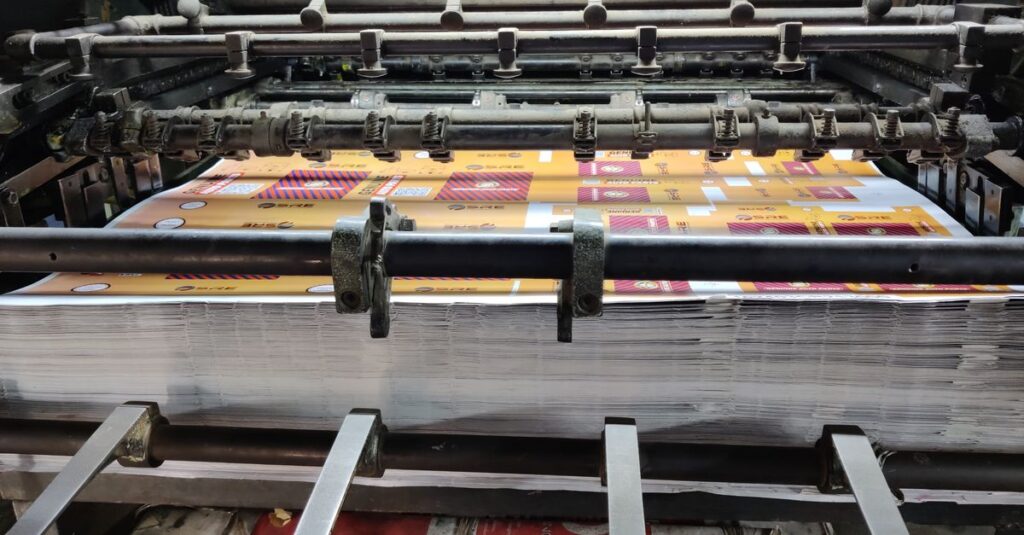
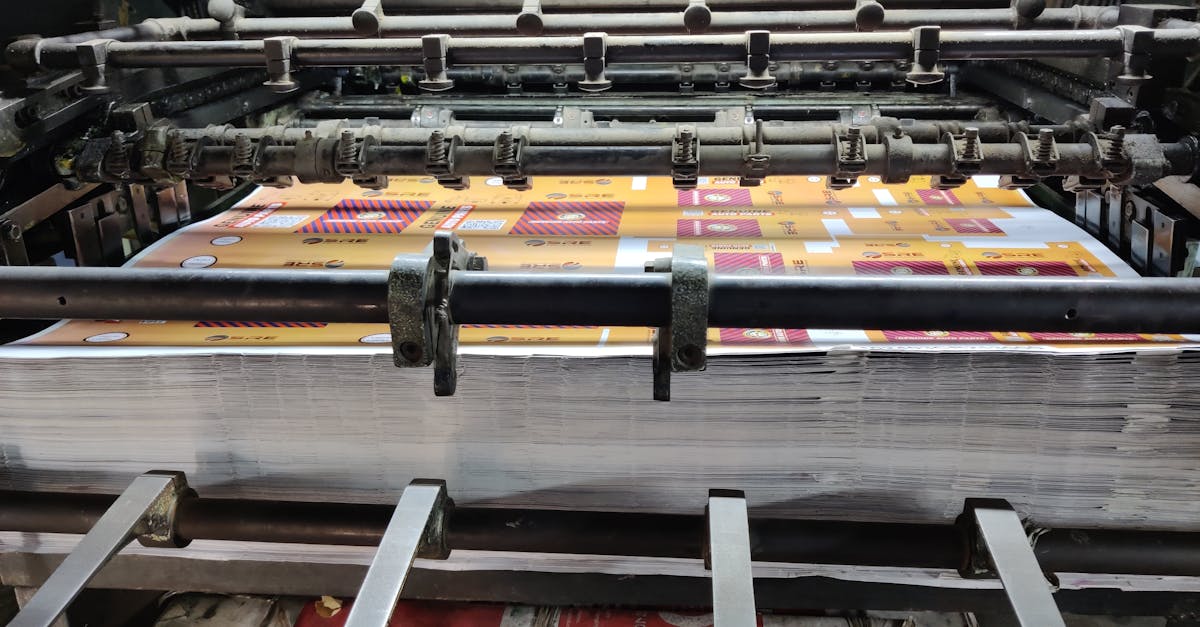
Print One: The Cover. This is where branding happens. We’re usually talking about offset printing or digital printing on a heavier stock paper—maybe 200 to 300 GSM. This print needs to be vibrant. It often involves a lamination or varnish coating post-printing to protect it. The ink here needs to be scuff-resistant. The registration (making sure colours line up perfectly) has to be spot-on. A millimetre off, and your logo looks blurry.
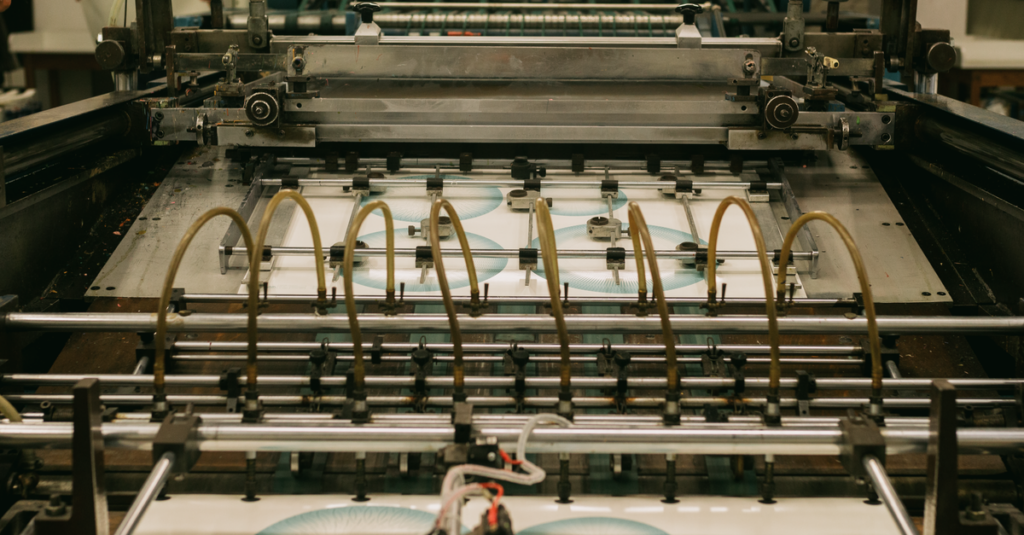
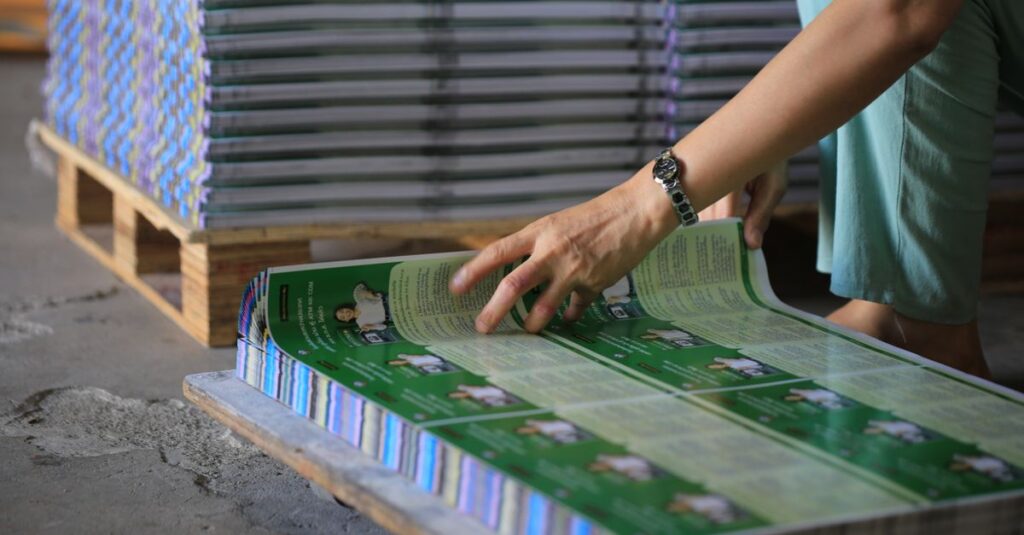
Print Two: The Internal Pages. This is a completely different beast. This is about precision and endurance. We’re printing on lighter paper—our standard is around 54 GSM. We’re printing the ruling: single lines, double lines, squares for graphs. This happens on huge reels of paper flying through a web press. The ink here is usually a specific, non-reproducible blue or grey that is easy on the eyes and doesn’t bleed through the page. The challenge is consistency over thousands of sheets. The lines must be parallel. The margins must be uniform.
One is art. The other is engineering. And a factory that’s good at one isn’t automatically good at the other. You need a place that has mastered both under one roof, with the same level of obsessive quality control. That’s the only way the two “prints” become one cohesive, reliable product.
Expert Insight
I was reading an old trade journal last month and one line stuck with me. A production manager from a German mill said something like — the quality of a notebook is determined in the space between the two printing stages, in the downtime where the paper sits and the ink settles. It’s not the machine, but the patience.
I don’t have a cleaner way to put it than that. Rushing the first print to get to the second print is how you get warped covers. Not letting the internal page print fully cure before binding is how you get ghosting. The “&” in “print & print” isn’t just a conjunction. It’s a timeline. It’s a commitment to letting each step breathe. Most factories trying to hit a low price point sacrifice that timeline. And you can feel it in the final product.
How to Talk to a Manufacturer About This
Right. So you’re on a call or writing an email. How do you not get bamboozled?
Don’t just accept “yes, we do print & print.” Drill down. Ask these questions:
- “Can you walk me through your cover printing process separately from your page printing process?”
- “What’s the typical turnaround time between the first print and the second print?” (If they say “same day,” be wary. Paper needs to acclimate).
- “For the cover print, what kind of colour matching do you offer? Can you match a Pantone code?”
- “For the internal print, what’s the tolerance on the ruling alignment?”
- “Can I see physical samples of both stages separately?”
Their answers will tell you everything. A good manufacturer will be excited by these questions. It shows you know what you’re looking for. A bad one will get vague or defensive.
This isn’t about being difficult. It’s about speaking the same language. When you say “print & print,” you should both be picturing the same two distinct, high-quality processes. Not one bundled, vague cost-saving exercise.
| Factor | Cover Print (The First ‘Print’) | Internal Page Print (The Second ‘Print’) |
|---|---|---|
| Primary Goal | Branding, Aesthetics, First Impression | Functionality, Readability, Endurance |
| Paper Used | Heavier Stock (200-300+ GSM) | Lighter Writing Paper (~54-70 GSM) |
| Printing Method | Often Offset or Digital | High-Speed Web Press |
| Ink Focus | Colour Vibrancy, Scratch Resistance | Smudge-Proof, Low-Bleed, Eye-Comfort |
| Post-Process | Lamination, UV Coating, Embossing | Drying/Curing, Sheeting, Stacking |
| Biggest Risk | Colour Mismatch, Poor Registration | Misalignment, Inconsistent Ruling, Ghosting |
The Unspoken Cost of Getting It Wrong
Let’s talk money, but not the way you think.
The cost isn’t just the unit price on your invoice. It’s the hidden cost. It’s the school principal calling you because the math notebooks have crooked grids and the teachers are complaining. It’s the corporate client who feels the diary you gave them feels “cheap” compared to the competition’s, even though you paid the same price. It’s the returns, the awkward conversations, the lost next order.
When you partner with a manufacturer who treats “print & print” as two serious, separate disciplines, you’re not just buying notebooks. You’re buying peace of mind. You’re buying a partner who understands that the cover and the page work together, but are made apart.
That’s probably the biggest reason we’ve kept clients for 20, 30 years. They don’t have to manage this gap. We do. We obsess over that “&” so they can forget about it.
Anyway. Where was I.
The point is this: your search for “print & print” is a search for competence. It’s a search for a supplier who sees the details you can’t afford to miss. And in a world of bulk orders and tight deadlines, that’s the only thing that actually matters.
Frequently Asked Questions
Is “Print & Print” more expensive than just getting the pages printed?
Yes, obviously. You’re paying for two separate manufacturing processes instead of one. But the real question is value. A notebook with only internal printing is just a stack of ruled paper. The cover print provides protection, branding, and durability. It’s not an extra cost; it’s what makes it a complete, saleable product. Skimping here is false economy.
Can I choose different quality levels for each print?
You can, but I wouldn’t recommend it. Think of it like a suit. A cheap fabric with an expensive lining feels wrong. An exquisite wool with a scratchy lining is wasted. The best notebooks have a harmony between the cover and page quality. A good manufacturer will guide you to a balanced spec that fits your budget without creating a lopsided, disappointing product.
What’s the most common mistake buyers make regarding “Print & Print”?
Assuming it’s a single, bundled service with uniform quality. They focus on the total price and the page count, but don’t ask to see samples of the cover and internal pages separately. They don’t specify the ink type for the cover or the line tolerance for the pages. The mistake is treating it as one item on a checklist instead of the two most critical quality gates in the entire production.
How long does the full “Print & Print” process typically take?
It depends on the order size and complexity, but you need to factor in time for each stage to be done right. For a standard bulk order of 10,000 notebooks, the cover print might take 2-3 days (including design approval, plate making, printing, and coating). The internal page print might take another 2-3 days. Then you need time for the paper to settle before binding. Rushing this is the fastest way to ruin a job. A realistic timeline is your first sign of a professional manufacturer.
Do all notebook manufacturers offer true “Print & Print”?
No. Many are assemblers. They might print the covers in-house but buy pre-printed, ruled paper from another mill for the pages. Or vice-versa. This adds supply chain risk and potential quality mismatch. A full-service manufacturer like us does both processes under one roof with integrated quality control. That’s the key question to ask: “Do you control both printing processes in your own facility?”
Final Thought
I don’t think there’s one perfect way to manufacture a notebook. Probably there isn’t.
But after four decades, I know this: the difference between a good supplier and a great one lives in the details they explain without you asking. “Print & Print” is one of those details. It’s the willingness to pull back the curtain on the two separate acts that create the single object in your hand.
If you’ve read this far, you’re not just looking for a quote. You’re looking for a partner who understands that the “&” is where the real work happens. And maybe you’re ready to find one. We should talk.