Look, Let's Be Honest About Notebooks
You know that feeling. You hand out a batch of notebooks — maybe to your staff, maybe to students — and within a couple of weeks, pages start coming loose. Sometimes the whole book just… splits. It's not the paper. That's still fine. It's that cheap, flimsy strip of glue, or the floppy metal coil. It's the spine giving up. It's the binding. And it happens every single time you try to save a few rupees per unit on the order.
I'll just say it. In bulk notebook buying, nobody cares about the binding until it fails. And then it's all they care about. They blame the manufacturer, the distributor, the person who bought them. The truth is, three different binding types exist because three different use cases exist. Using the wrong one is like buying a sedan to haul gravel.
If you order notebooks in bulk — for a school, a corporate giveaway, a university, or as a wholesaler — you can't afford the wrong binding. The choice here dictates longevity, feel, cost, and that unspoken, professional look. Anyway. Let's talk about what holds it all together. You're about to become the person who never gets that angry call about falling-apart books again. If you've ever gotten that call, you'll know why this matters.
Okay, So What Is Paper Binding, Actually?
It's the method used to hold the pages and cover of a notebook together. That's the simple definition. But in our world, in the factory, it's everything. It's the promise. A good binding says, "This book will last as long as the ideas inside it." A bad one whispers, "This is disposable."
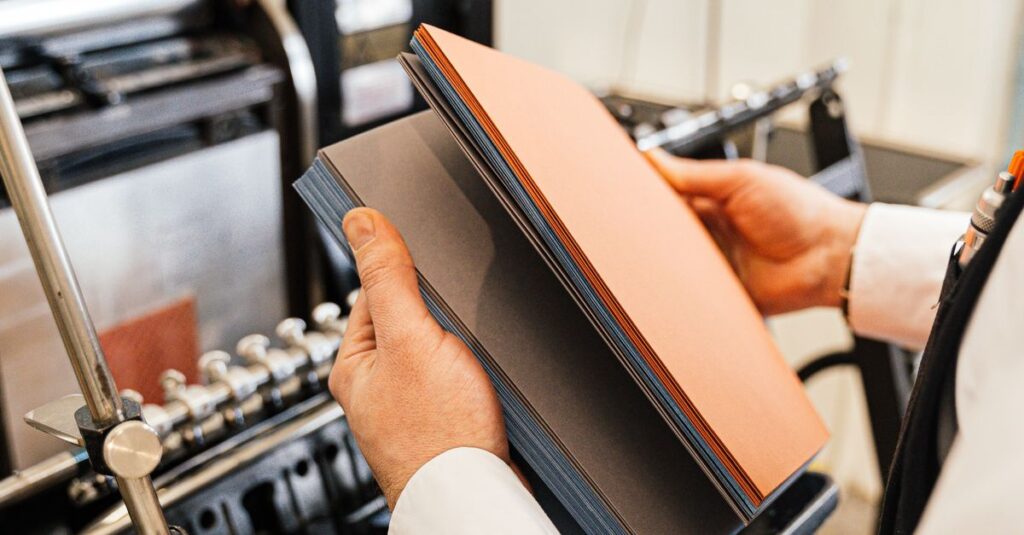
It starts with the "book block" — the stacked, trimmed, and folded sheets of paper ready to be married to the cover. The binding is the ceremony. It decides how the book will lie flat, how far you can fold it back, and how much punishment it can take before it literally falls to pieces.
I've seen this for forty years. A procurement manager will send us specs: "Make it look premium." But the budget says "use the cheapest glue possible." The result? A beautiful cover that lasts a lifetime, wrapped around a spine that gives up after a month. It's heartbreaking. The real cost isn't the per-unit price. It's the reputation hit when the product fails. Right?
Here's the thing. You need to understand the three main types because your choice is the single biggest factor in durability.
Stitched Binding
Think of it as sewing the pages together. Strong thread is used to sew through the folded edges of the paper sections (called "signatures"). Then it's glued to the spine. This is the classic method. It's robust. It's what you want for notebooks that get heavy, daily use — like student notebooks, heavy ledgers, or account books that get passed around an office.
- Best for: School notebooks, account books, journals, anything with 200+ pages that needs to last.
- Feels like: Solid. The book lies flat but has a firm spine. It won't flop open.
- The catch: It costs a bit more. The process is more involved. But it's worth it. Every time.
Spiral Binding
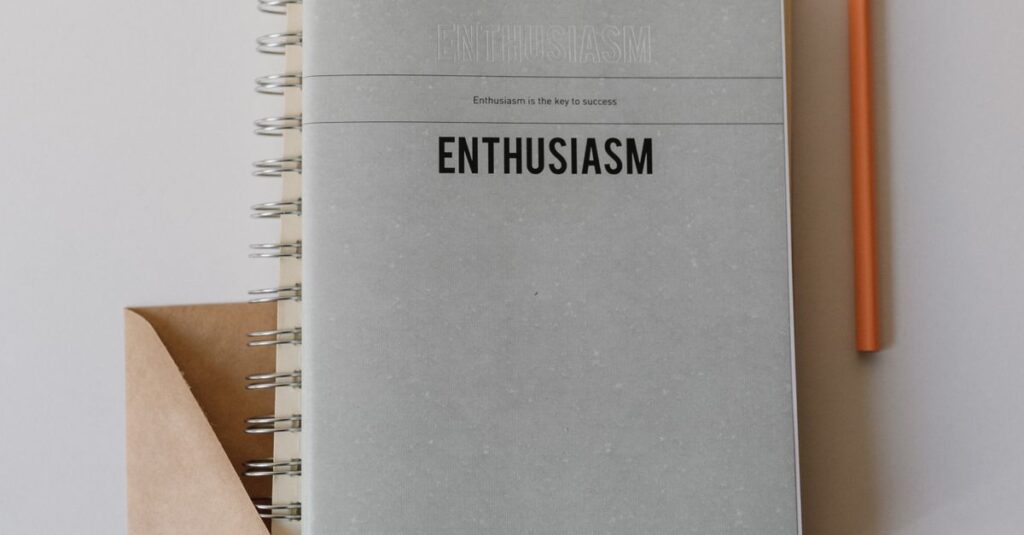
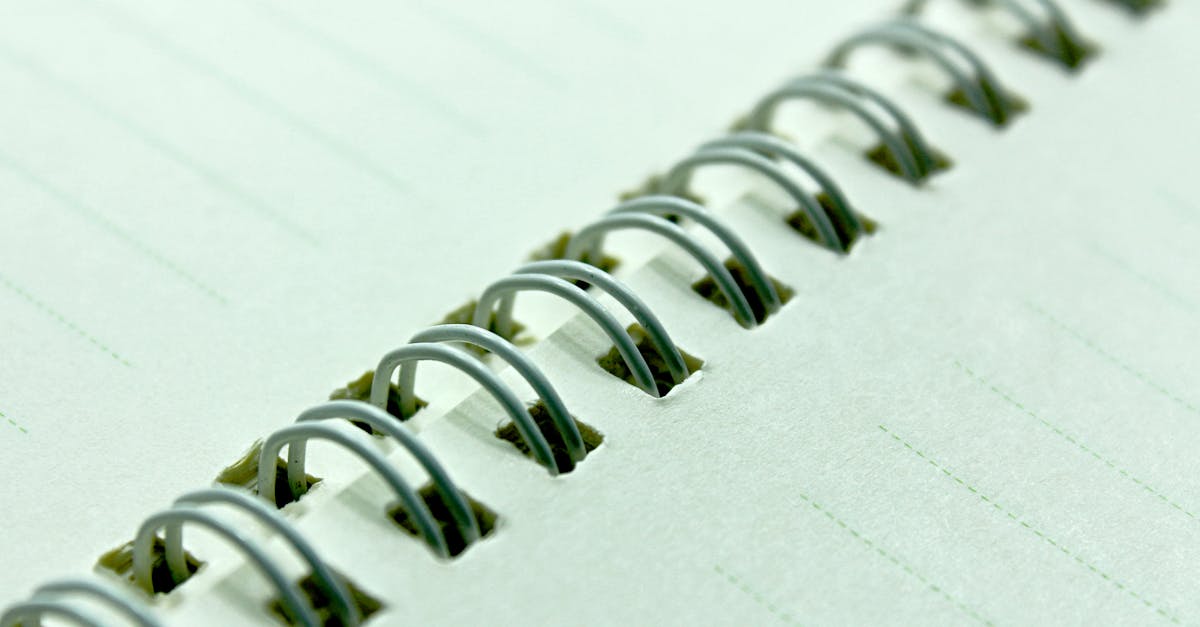
A metal or plastic coil is wound through pre-punched holes along the edge of the pages. Simple. Functional.
This is the "user-friendly" option. It lets the book fold back completely on itself, 360 degrees. Great for artists, for notepads on a cramped desk, for manuals. But — and this is a big but — the coils can bend. Pages can tear out. If you're ordering for a rough-and-tumble school environment, spirals get destroyed fast. They're perfect for corporate diaries or presentation pads that sit on a desk. Not for a 5th grader's backpack.
Perfect Binding
This is the "paperback book" method. The edges of the pages are roughened, a strong, flexible glue is applied, and the cover is wrapped around. It gives a clean, sleek, modern look with a flat spine you can print on.
Sounds ideal, right? Here's the problem: if the glue quality is poor, or if the paper is too stiff, the pages can just… detach. You get a block of pages in one hand, an empty cover in the other. We see this all the time with cheap imports. A good perfect binding, with the right adhesive for the paper weight, is fantastic for premium corporate notebooks, proposal books, or thinner journals. It looks professional. But it needs to be done right. Which, in my experience, most places don't.
Look, I'll be direct. The manufacturing process behind each of these is where the magic — or the disaster — happens. It's not just picking a type from a list.
Stitched vs. Spiral vs. Perfect: The Real-World Choice
I was talking to a client last week — a college administrator from Hyderabad — and she was frustrated. Their previous supplier sent "premium" perfect-bound lab notebooks. By mid-semester, half the chemistry students were handing in loose pages. It was a mess. They switched to stitched binding with us. Problem solved. Cost went up by 8%. Complaints went down to zero.
This is the choice you're making. It's not theoretical. Let me break it down.
| Feature | Stitched Binding | Spiral Binding | Perfect Binding |
|---|---|---|---|
| Durability | Highest. Pages are sewn in. Almost impossible to detach accidentally. | Medium. Coils can bend, pages can tear at holes. | Low to Medium. Totally depends on glue quality. Can fail catastrophically. |
| Lay-Flat Ability | Good. Lies flat, but won't fold back 180°. | Excellent. Folds back completely on itself. | Poor. The spine resists flattening. |
| Cost (Bulk) | Higher. More labor, more material. | Medium. Simple process, but metal/plastic coil cost varies. | Lowest. Often the cheapest option, which is why it's so common. |
| Best Use Case | Heavy-use notebooks (schools, offices), thick books (200+ pages). | Art books, manuals, notepads, corporate diaries where folding back is needed. | Thinner, premium-looking notebooks, corporate gifts, proposal books under 150 pages. |
| Professional Look | Traditional, sturdy, reliable. | Functional, practical, modern. | Sleek, modern, allows for full-spine printing. |
The table makes it obvious, I think. You're trading one thing for another. Durability for cost. Flattening for sleekness.
Here's my blunt advice: If you're supplying institutions — schools, government offices, factories — where notebooks get real daily abuse, you almost always want stitched binding. The slightly higher unit cost saves you a world of headache later. I've seen the "cost-saving" perfect-bound notebooks come back in boxes, returned. It's not worth it.
For corporate clients who want a polished gift? A well-done perfect binding looks the part. For an artist's pad or a field engineer's log? Spiral is the only way to go. It's about matching the tool to the job. Seeing the options in person makes this choice crystal clear.
The Factory Floor View: What Most Buyers Never See
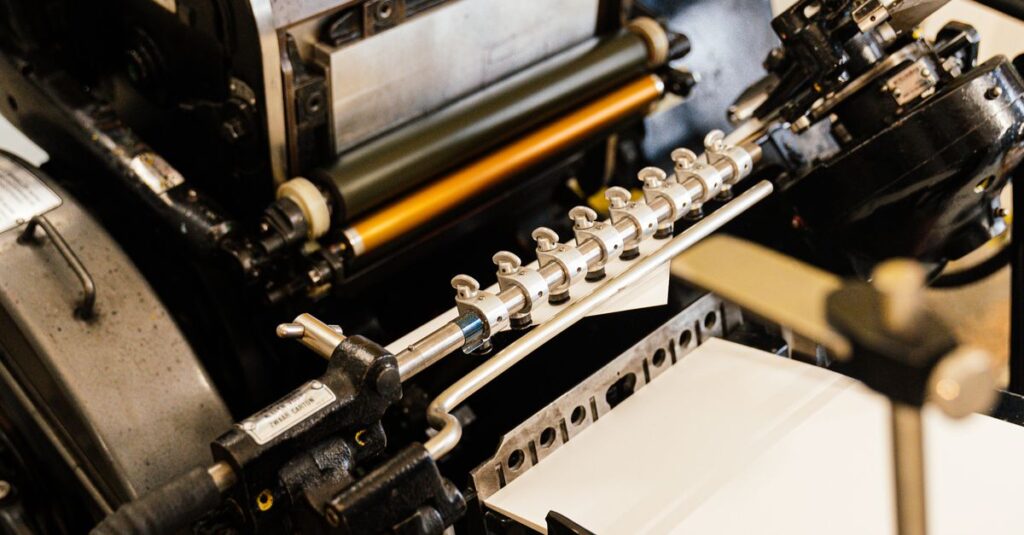
Let me pull back the curtain for a second. This isn't magic. It's machinery, glue, thread, and heat. But the difference between a good binding and a bad one is in the tiny, unsexy details most buyers never ask about.
Take perfect binding. The adhesive. There are a hundred types. A cheap, brittle glue will crack in a dry climate like Rajasthan. A glue that's too flexible will soften in the humid monsoon air of Kerala and pages will slip. We match the adhesive to the destination. It sounds basic. Most don't do it.
Stitched binding? The tension on the thread. Too loose, and the book block is sloppy. Too tight, and you can't open the book properly. It's a feel thing. An operator who's been doing it for twenty years just knows. You can't automate that sense out of the process.
And spiral binding — the punch and die that makes the holes. If the holes are too close to the edge, the page tears. If they're too small for the coil, you force it and deform the whole thing. It's precision work disguised as simple work.
Expert Insight
I was reading an old trade journal last month, something from the 90s. One line stuck with me. A veteran binder said, "A binding is a handshake. It's the first and last thing a user experiences with the product." He was right. You pick up a notebook, you feel the spine, you open it. That first impression is the binding saying hello. And when the last page is filled, if it's still intact, that's the binding saying goodbye, job done. I don't have a cleaner way to put it than that. Most manufacturers see it as a cost line. We see it as a promise.
Think about Ravi. He's 48, runs procurement for a chain of private schools in Tamil Nadu. He used to buy based on cover design and price per unit. After two bad batches from a "cost-effective" supplier, he started asking us about stitching gauge and glue temperature. He got curious about the process. Now he specs it into his tender documents. He doesn't get complaints anymore. He sleeps better.
The question isn't whether you need a good binding. You do. It's whether you're ready to ask your supplier the right questions.
What This Means for Your Bulk Order
So you're looking at a quote for 10,000 custom notebooks. The specs list paper GSM, cover art, page count. Where does it talk about binding? If it just says "binding" or "standard binding," that's a red flag. A big one.
You need to specify. "Smyth-sewn side stitching for 240-page books" or "Double-wire spiral binding, 25mm black metal coil" or "Hot-melt perfect binding with PUR reinforcement." This language changes everything. It tells the manufacturer you know what you're buying. It gets you the right thing.
Three things happen when you get specific:
- The price might adjust. Yes, a proper stitched binding costs more. But now it's a line item, not a hidden surprise.
- Quality becomes measurable. You can set a rejection standard. "Books must withstand X number of open/close cycles."
- You build a better partnership. You're not just buying a commodity; you're commissioning a product. The factory respects that. I know we do.
It shifts the conversation from "How cheap can you make it?" to "How well can you make it for this budget?" It's a different question entirely. And it gets you a notebook that doesn't become a problem later. Custom printing is where the brand lives, but binding is where the product survives.
So, What Should You Do Next?
Look at the notebooks you're currently using or supplying. Flip one to the side. Look at the spine. Is it cracked? Is it bulging? Open it roughly a few times. Hear any cracking sounds? That's the binding begging for mercy.
Now, think about the next tender, the next bulk order. Write down the primary use case. Is it for a 10-year-old to shove in a bag? A sales rep to carry to meetings? An architect on a worksite?
The answer tells you the binding.
Heavy, daily, abusive use? Stitched. No question.
Need it to fold flat, lay perfectly open? Spiral.
Thin, sleek, premium-looking for light use? Perfect binding — but only from a supplier you trust on glue quality.
I don't think there's one universal answer here. Probably there isn't. But if you've read this far, you already know which failure you're trying to avoid. You're just figuring out how much it's worth to avoid it.
Frequently Asked Questions
What is the most durable type of paper binding for school notebooks?
Hands down, stitched binding (also called saddlestitching or side-stitching). It uses thread to sew the pages together, making it incredibly tough. For notebooks that get thrown in bags, dropped, and used every day by students, it's the only choice that consistently holds up. Perfect binding with glue just can't take that kind of punishment.
Is spiral binding or perfect binding better for corporate diaries?
It depends on the use. If you want a diary that lays completely flat on a desk for easy writing, spiral binding is better. If you want a sleeker, more professional-looking diary with a printed spine for branding, a high-quality perfect binding is the way to go. Just make sure your manufacturer uses flexible, durable glue.
Why do some perfectly bound notebooks fall apart so easily?
Almost always, it's the glue. Cheap, brittle adhesives are used to cut costs. They crack. Or the paper edges weren't roughened properly before gluing, so the bond is weak. Climate (heat, humidity) can also break down poor-quality adhesives. A good perfect binding is a science; a bad one is a ticking time bomb.
Can I get custom branding on a stitched binding?
You can brand the cover, of course. But the spine of a stitched notebook is usually too narrow and rigid for high-quality printing. For spine branding, perfect binding is best because it creates a flat, printable spine surface. It's a trade-off: maximum durability (stitched) vs. maximum branding space (perfect).
What should I ask my notebook manufacturer about binding?
Don't just ask for "binding." Be specific. Ask: "What specific binding method do you recommend for [my use case]?" "What is the GSM/type of glue used in perfect binding?" "What is the stitch-per-inch count for stitched binding?" "Can you provide a sample subjected to [X] open/close cycles?" Detailed questions get you a detailed, reliable product.