Let’s be honest about print houses
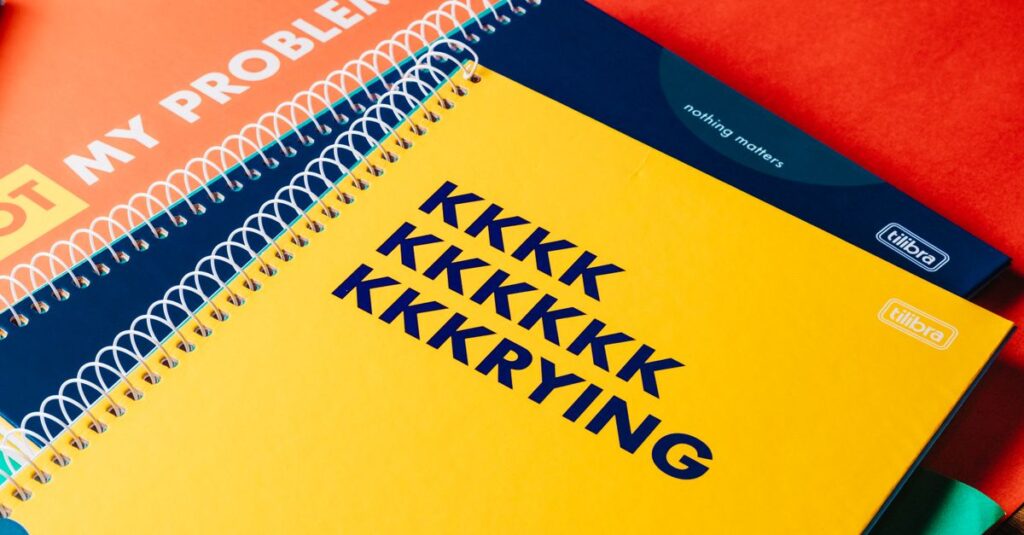
If you’ve ever ordered printed notebooks in bulk, you know the headache of finding a place that actually gets it right. The first time I dealt with a print house, I was expecting a straightforward process. It wasn’t. But once I understood what a real print house does, everything clicked. A print house isn’t just a place with machines — it’s a system, a rhythm, a guarantee that your order shows up looking exactly like the mockup. And if you’re buying for a school or a corporate giveaway, that consistency is the only thing that matters. If this sounds familiar, Sri Rama Notebooks has been doing this since 1985. We know the drill.
So what exactly is a print house?
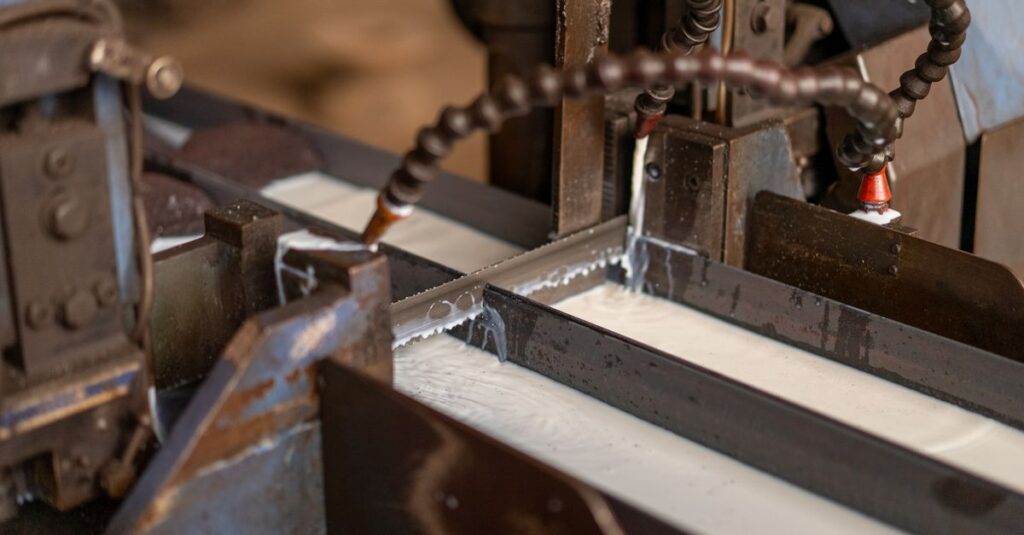
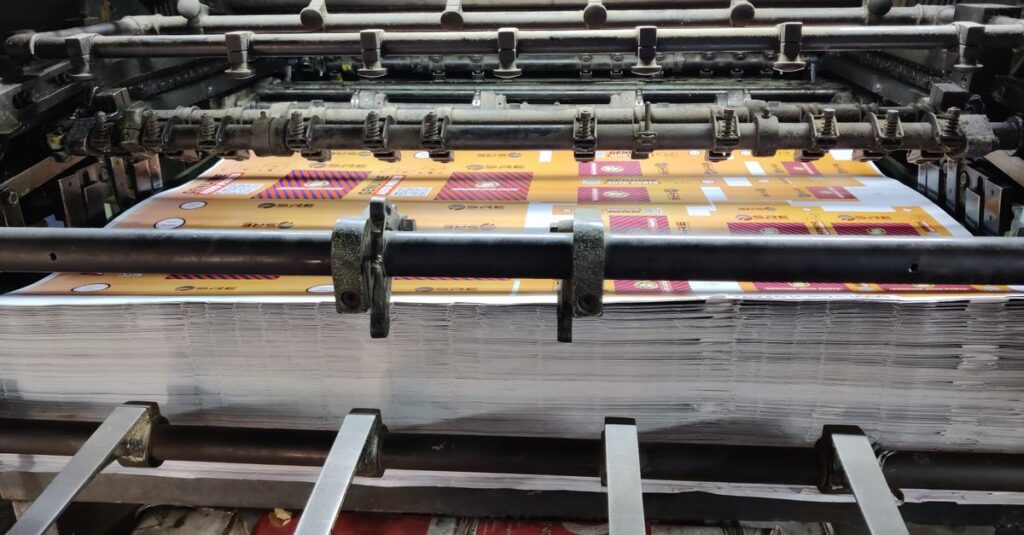
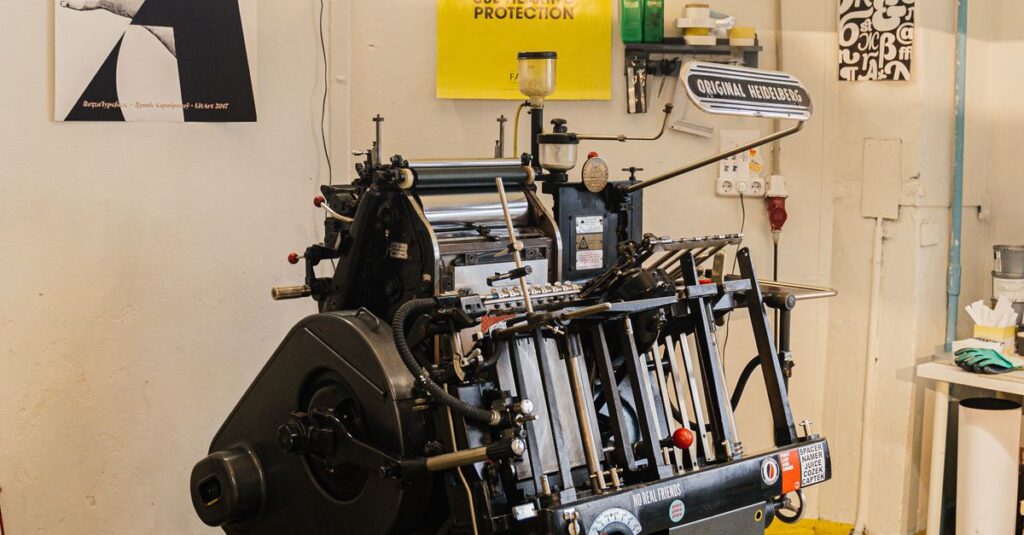
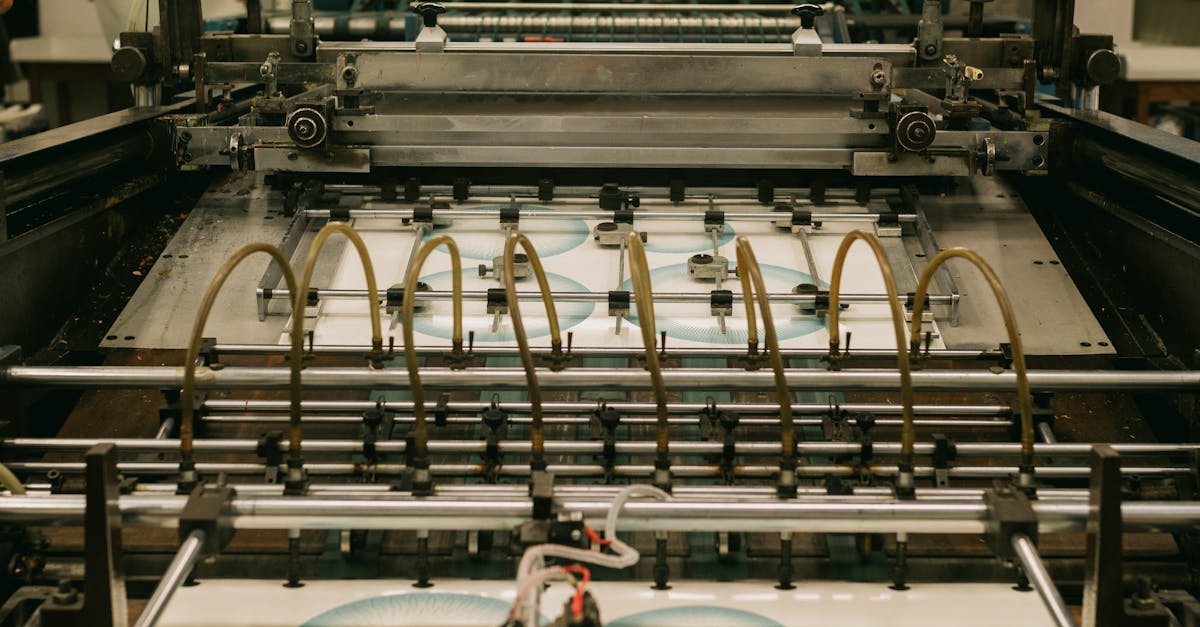
Let me clear up a common confusion. A print house is not the same as your local copy shop or an online print-on-demand service. A print house is an industrial-scale operation with offset printing presses, binding lines, and inventory space. It handles large runs — thousands of units, not dozens. I’m talking about the kind of place where the paper rolls are delivered by truck, and the machines run overnight.
Here’s what sets a print house apart:
- Printing volume: Minimum orders start at 500 or 1,000 units. Not 10.
- Equipment: Offset or digital presses designed for high speed and consistent color.
- Binding options: Stitched, spiral, perfect binding — all in-house.
- Customization: Foil stamping, embossing, private label, custom covers.
- Turnaround: Days or weeks, not hours. Because quality takes time.
Now, why does this matter for you? Because if you’re ordering notebooks for a school board or a corporate event, you need someone who can deliver 10,000 identical units. That’s not a local print shop’s strength. That’s a print house’s bread and butter.
The thing is — and I’ll be blunt — many people think they can save money by using a smaller printer. And sometimes they do. But the risk of inconsistency, delays, and bad binding is real. I’ve seen it happen more times than I can count.
Why corporate buyers should care
Corporate procurement teams often focus on price per unit. But the hidden cost of a bad print house is way bigger: missed deadlines, unhappy employees who don’t get their diaries on time, and a brand that looks cheap because the logo bleeds off the cover. A print house that understands bulk orders will run sample checks, calibrate colors, and ship on schedule. They’ll also tell you when your paper choice or binding won’t hold up. That’s the value of experience — the kind a print house built up over decades.
I remember a call from a school in Vijayawada. They’d ordered 5,000 notebooks from a local printer. The covers arrived with a 2mm color shift on every single one. They couldn’t use them. The principal was furious. They came to us. We re-printed the whole batch in 10 days. That’s what a real print house can do.
The real cost of choosing the wrong print house
Let me tell you about Rajesh. He’s 42, a procurement manager for a midsized IT company in Hyderabad. Last year, he needed 8,000 branded diaries for the new year. He went with a print house he found online — cheap, fast turnaround promised. Three weeks later, 8,000 diaries showed up with the logo printed in Pantone 300C instead of 294C. The CEO noticed at the first meeting. Rajesh had to bin the entire lot and re-order. The cost? His budget doubled, and his reputation took a hit.
This isn’t a hypothetical. I’ve heard variations of this story every year. The lesson: a print house isn’t a commodity. It’s a partner. You need to trust that they have the equipment, the color management, and the quality checks to get it right. Anything less is a gamble.
Here’s a quick reality check. If you’re ordering less than 500 units, a digital print-on-demand service might work. But for anything above that — especially with custom covers, embossing, or foil stamping — you need an industrial print house. Period.
And honestly? Most people learn this the hard way. Don’t be one of them.
Print house vs local printer vs online print shop
| Criteria | Print House | Local Printer | Online Print Shop |
|---|---|---|---|
| Order volume | 500+ units | 10–500 units | 1–100 units |
| Customization options | Wide (foil, emboss, private label) | Limited (basic logo printing) | Moderate (online templates) |
| Color consistency | High (Pantone matching) | Variable | Good for small orders |
| Turnaround time | 7–21 days for bulk | 1–5 days | 3–10 days |
| Quality control | Rigid (sample checks, approval) | Minimal | Automated, limited human review |
| Cost per unit (for 1,000) | Lowest (economies of scale) | Medium | High |
| Support & advice | Experienced team | Shop owner | Chatbot or email |
The table makes it obvious. If you’re buying for a school, college, or corporate bulk order, the print house wins on cost, customization, and consistency. The other options have their place — just not for what you’re doing.
What to look for in a print house
How do you separate the good from the average? Three things.
Experience. How many years have they been running presses? A print house that started in the 80s (like we did) has seen every paper stock, every binding mistake, every deadline crisis. That knowledge is baked into their workflow.
Equipment. Do they have offset presses for large runs? Spiral binding machines? Foil stamping? If they’re outsourcing steps, that’s a red flag.
Transparency. Will they send you a physical sample before production? Do they have a clear approval process? A good print house wants you to sign off on the proof. They don’t rush you.
Expert insight: A late-night memory
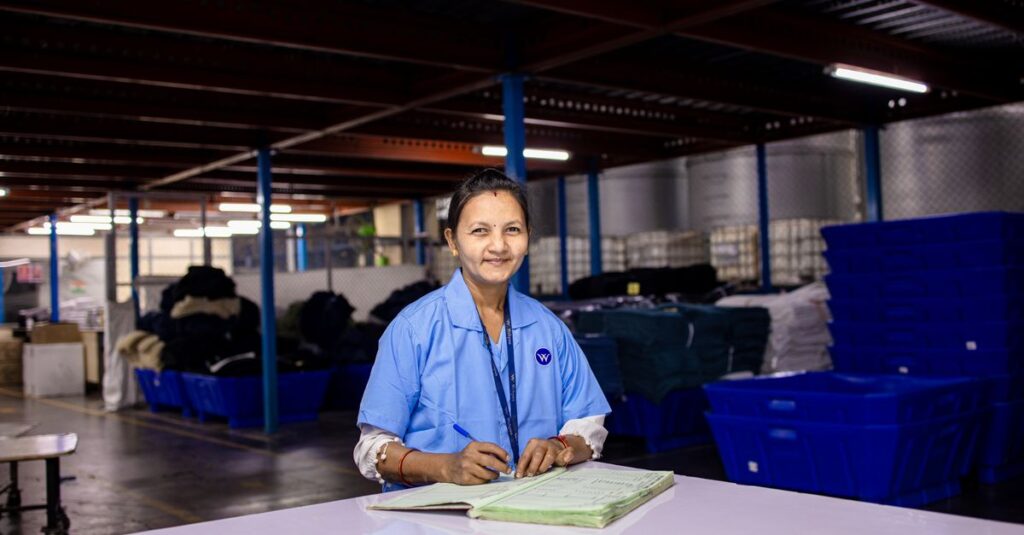
I was sitting in the factory around midnight — maybe 2018, maybe 2019 — watching the perfect binding line run. We had a rush order from a school board: 15,000 notebooks, needed in three days. The paper was a higher GSM than usual, and the glue wasn’t setting fast enough. The machine operator, an older guy named Venkatesh, adjusted the temperature without being asked. He’d seen this problem before. That’s the difference a real print house makes: people who know exactly what to do when something breaks. You can’t hire that overnight. It has to be grown.
So when you’re evaluating a print house, ask about their team. Who runs the machines? How long have they been there? The answer will tell you more than any brochure.
How Sri Rama Notebooks works as your print house
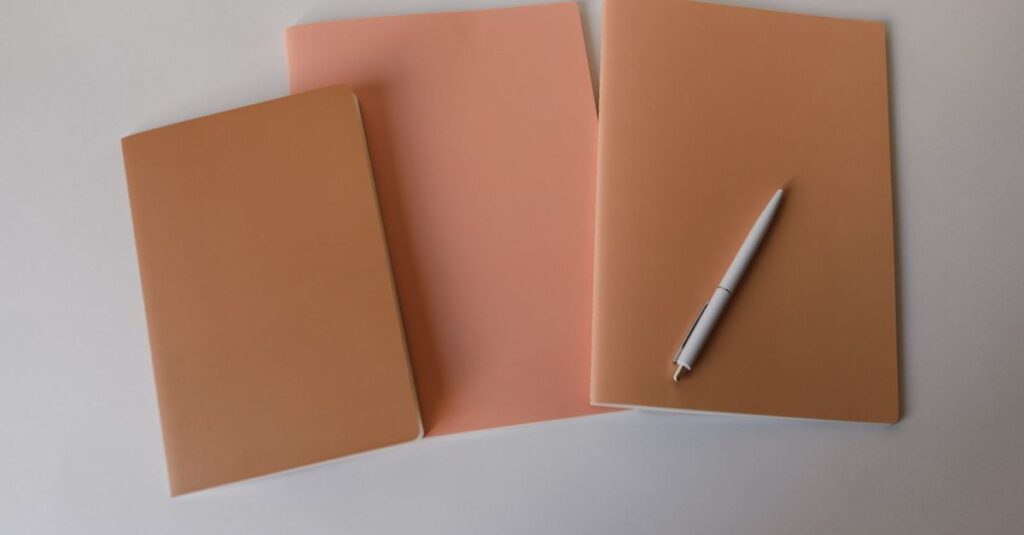
We’re a print house that focuses on notebooks and diaries. That’s all we do. It means we’ve optimized every step — from paper selection to binding to packaging — for these specific products. We handle sizes from King to A5, rulings from single to four-line, and binding from stitched to spiral to perfect. And yes, we do private label, logo printing, foil stamping, embossing.
But the real value? We produce 30,000–40,000 units daily. That capacity means your order doesn’t get stuck in a queue. It also means we can handle last-minute changes — within reason — because we have the flexibility of scale.
Look, I’m not saying every print house will get it right. But when you work with a team that’s been at it since 1985, you’re betting on experience that’s already survived four decades of paper shortages, machine breakdowns, and crazy deadlines.
If you’re planning a bulk order, check out what we do. It’s not just printing — it’s making sure your notebooks show up exactly as promised.
Frequently Asked Questions
What is a print house?
A print house is a large-scale printing facility that handles high-volume orders. Unlike a local print shop, it uses industrial offset or digital presses, offers multiple binding options, and provides custom services like foil stamping and private labeling. Print houses are ideal for bulk notebooks, diaries, and stationery.
How is a print house different from a digital printer?
A digital printer is best for small quantities (under 100 units) and quick turnarounds. A print house focuses on high-volume runs (500+ units) using offset printing for consistent color and lower per-unit cost. Digital printers often can’t do foil stamping or embossing at scale.
Can a print house handle custom logo printing on notebooks?
Yes. Most print houses offer custom logo printing, including foil stamping, embossing, and full-color offset printing. They can match your brand’s Pantone colors precisely and run test samples before full production. Always ask for a physical proof before approval.
What is the minimum order for a print house?
Minimum order quantities vary, but most print houses set a minimum of 500 to 1,000 units for custom notebook printing. This threshold allows them to set up the press efficiently and offer competitive pricing. Some may accept smaller runs at higher per-unit cost.
How long does it take to get bulk notebooks printed at a print house?
Typical turnaround for a bulk notebook order (1,000–10,000 units) ranges from 7 to 21 days, depending on customization complexity, paper availability, and the print house’s workload. Rush orders can be expedited but usually incur additional charges.
So where does that leave you?
If you’re ordering notebooks in bulk, the right print house isn’t a luxury — it’s the difference between a smooth delivery and a disaster. You need someone who can handle scale, maintain consistency, and deliver on time. I don’t think there’s one perfect formula for choosing a print house. Probably there isn’t. But if you’ve read this far, you already know that cheap isn’t the same as reliable. You’re just figuring out if it’s okay to invest a little more for peace of mind.
If you want to talk through your next order, reach out to Sri Rama Notebooks. We’ve done this for 40 years. We’ll help you get it right.