What Does a Print Store Actually Do For You?
Let me ask you something. When was the last time you walked into a print store and actually got what you wanted? Not close enough. Exactly what you wanted.
I’ve been in this business since 1985. And I can tell you — most people have no idea what a good print store should look like. They think it’s about machines. Or price. Or turnaround time.
It’s none of those things. Well, not entirely.
A real print store is a partner. Someone who knows paper weight like you know your own budget. Someone who will tell you when your design won’t work instead of just taking your money. That’s rare. But it exists.
At Sri Rama Notebooks, we’ve been that partner for schools, corporate offices, and distributors across India and 12+ countries. And honestly? The questions people ask before they order tell me everything about whether it will work out.
What Most People Get Wrong About Print Stores
They think a print store is a factory. Like you drop off a file and pick up boxes. That’s not how it works. Not if you want quality.
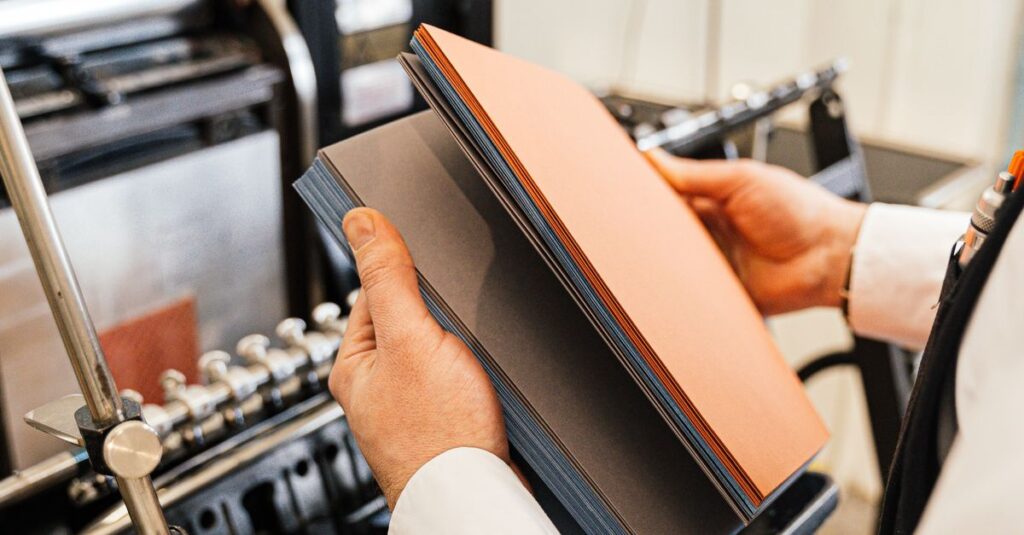
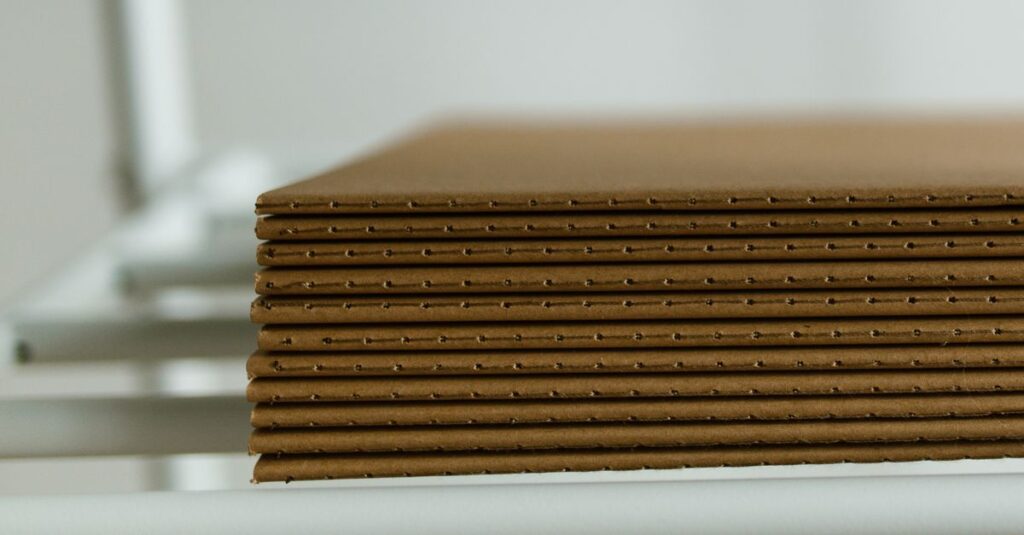
The best print stores spend time understanding your end user. A school notebook has different binding needs than a corporate diary. A spiral-bound book feels different than a stitched one. And paper GSM changes the entire writing experience.
Here’s what I’ve noticed over the years:
- Most buyers focus only on price per unit
- Very few ask about paper sourcing or ink quality
- Almost nobody checks binding strength before ordering in bulk
- And that’s exactly where problems start
I don’t say this to scare you. I say it because I’ve seen the same mistakes for thirty-plus years. (Shefali from a school in Vizag once told me she lost an entire academic year’s budget on notebooks that fell apart by October. That’s a real conversation I still remember.)
The question isn’t whether you can find a cheap print store. It’s whether you can find one that won’t waste your time.
Bulk Orders Aren’t the Same as Small Orders
This is where things get tricky. Most print stores can handle 100 notebooks. Some can handle 500. But when you’re ordering 10,000 units or more — that’s a different ballgame entirely.
And I’ll be honest with you. Not every print store is equipped for it.
Here’s a scene I’ve seen play out more times than I can count: A procurement manager finds a local print store, gets a great quote for 5,000 diaries, pays a deposit. And then waits. And waits. Because the store doesn’t have the capacity to print, bind, and pack that volume in time.
That panic call? I’ve taken dozens of them over the years.
What Changes at Scale
When you move from small batch to bulk, everything shifts:
- Paper consistency — can they source enough stock without changing GSM mid-production?
- Binding at speed — stitched binding takes longer. Do they rush it and compromise quality?
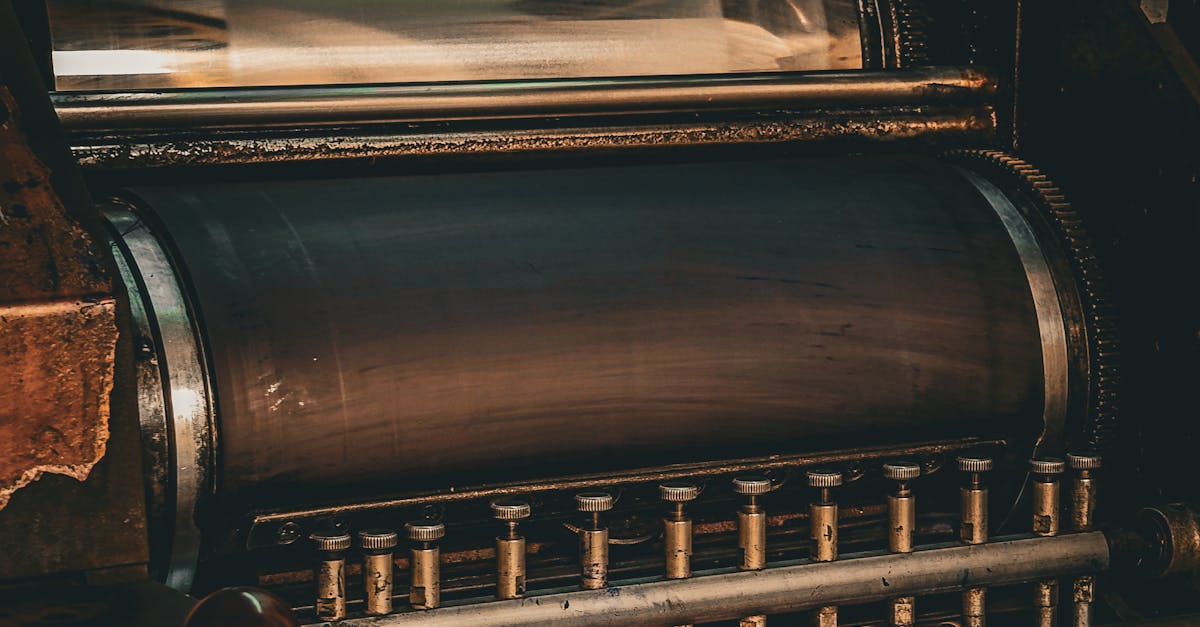
- Drying time — offset printing needs drying. If they pack too fast, pages stick.
- Packaging — bulk orders need strong cartons, not flimsy ones that tear in transit.
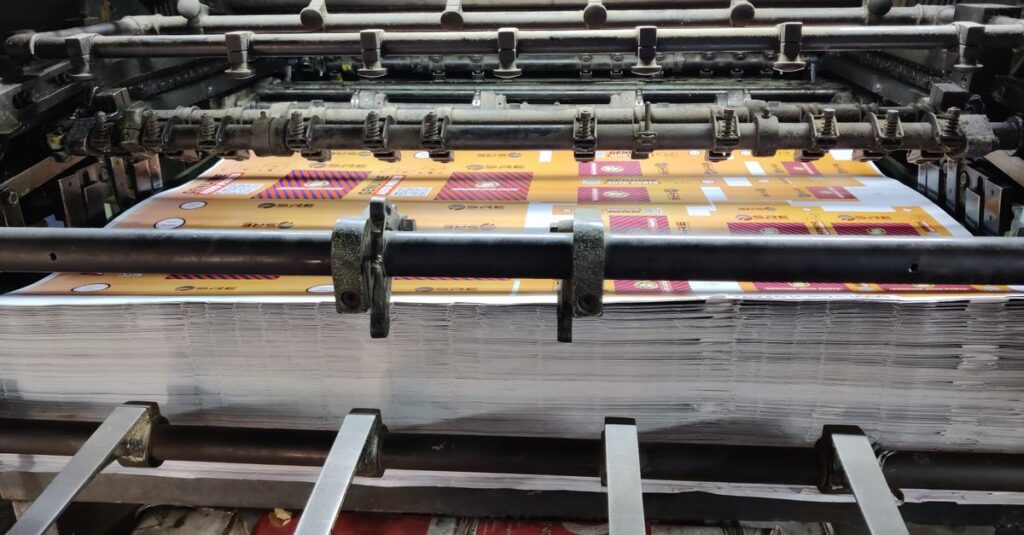
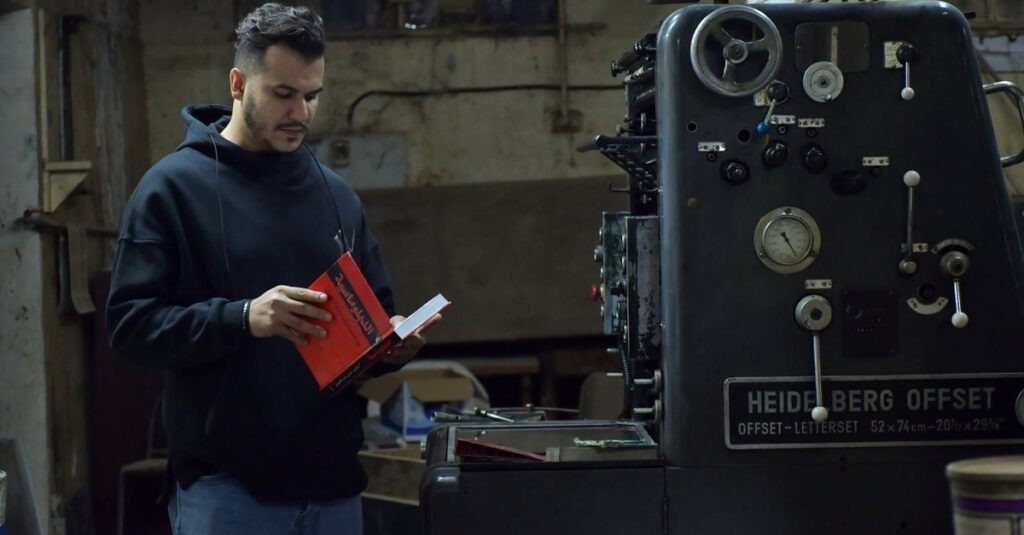
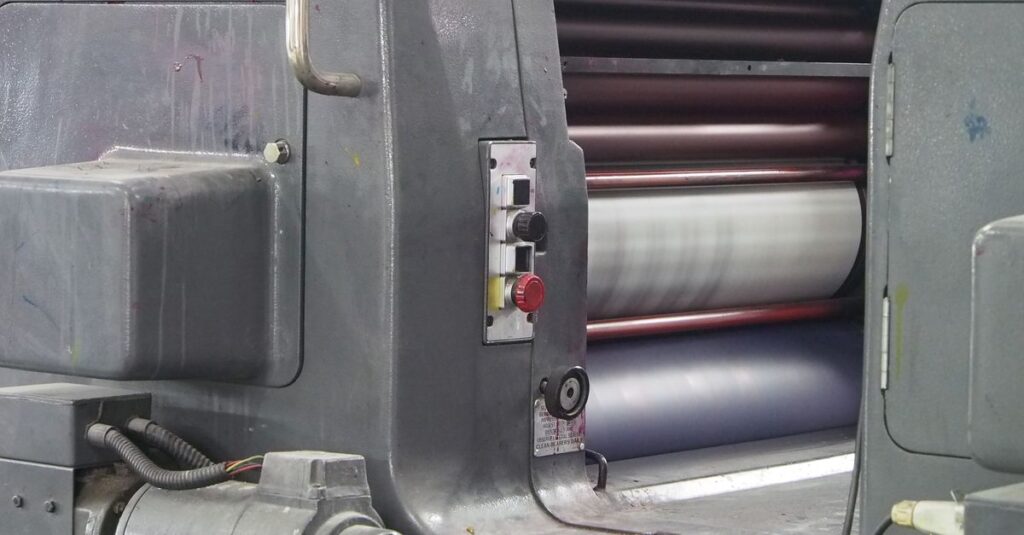
What most people don’t realize is that a print store with industrial scale handles these things differently. They have dedicated drying areas. Separate binding lines. Quality checks between every stage.
Anyway. I’m getting ahead of myself.
The point is — when you’re buying in bulk, you’re not just buying notebooks. You’re buying reliability. And that’s harder to find than good paper.
What to Look for When Choosing a Print Store
I’ve put together a simple comparison based on what actually matters. Not marketing fluff. Real differences you can check before placing your order.
| Feature | Basic Local Print Store | Industrial Print Store |
|---|---|---|
| Daily output capacity | 500 – 1,000 units | 30,000 – 40,000 units |
| Binding options | Stapled or spiral only | Stitched, spiral, perfect binding |
| Paper GSM consistency | Varies by batch | Fixed grade, sourcing from mills |
| Custom cover design | Basic templates | Full design, foil stamping, embossing |
| Export packaging | Usually not available | Carton packing, moisture protection |
| Turnaround for 10,000 units | 4–6 weeks (unreliable) | 10–14 days (scheduled) |
Look — I’m not saying smaller stores can’t deliver. Some of them do good work. But if your deadline is tight or your quantity is high, you need infrastructure. Not promises.
One thing I’ve learned: ask any print store how they handle paper moisture in the rainy season. If they give you a blank stare, run.
The Real Cost of Choosing the Wrong Print Store
Let me tell you about Rajesh. He’s 38. Works as a procurement officer for a chain of 15 schools in Hyderabad. Last year, he ordered 20,000 notebooks from a print store that quoted him 20% less than everyone else.
First batch arrived okay. Second batch had pages that were cut unevenly. By the third batch, covers were peeling off. By October — parents were complaining. Teachers were frustrated. The school management asked Rajesh to find a new supplier mid-year.
I met him in November. He told me the whole story over chai. “I saved two rupees per notebook,” he said. “And it cost me my reputation.”
(I don’t mention names often, but this one stuck with me.)
Hidden Costs Most People Miss
When a print store fails, the cost isn’t just the money. It’s the time spent reordering. The rush charges for express production. The logistics of returning defective stock. The meetings with angry stakeholders.
I’ve seen companies lose three months because a print store couldn’t deliver on time. Three months. For a notebook order.
Expert Insight
I was reading something last month — I can’t remember the exact publication — but one line stayed with me. A production manager said something like: “The biggest risk in bulk printing isn’t machine failure. It’s assuming your supplier has the same quality standards as you do.” That’s it. That’s the whole thing. Most problems start because nobody asked the hard questions upfront.
The truth is — you can’t always tell a good print store from a bad one by looking at their samples. Samples are always perfect. The real test is how they handle the tenth thousand unit.
Frequently Asked Questions
Frequently Asked Questions
How do I find a reliable print store for bulk notebooks?
Look for a print store with industrial production capacity, consistent paper sourcing, and multiple binding options. Check their daily output and ask for references from similar-sized orders. A quick factory visit or video call tells you more than a brochure ever will.
What’s the difference between a local print store and a manufacturer?
A local print store typically handles small batches with basic binding. A manufacturer like Sri Rama Notebooks has dedicated production lines, in-house binding, and quality control for large volumes. For orders above 500 units, a manufacturer is almost always more cost-effective.
Can a print store do custom logo printing on notebooks?
Yes, most print stores offer logo printing. But quality varies. Look for stores that use offset printing for sharp results and offer options like foil stamping or embossing. Always ask for a proof before full production to avoid misalignment or color issues.
How long does a bulk notebook order take from a print store?
Small local print stores may take 4–6 weeks for large orders. Industrial print stores can deliver 10,000–20,000 units in 10–14 days. Timelines depend on binding type, customization level, and current production load. Always confirm in writing before paying a deposit.
What paper quality should I ask for at a print store?
For writing notebooks, 54–60 GSM paper works well. For diaries or premium products, go with 70–80 GSM. Ask your print store what brands they source from and check if the paper is made for ink or ballpoint. Low GSM paper with heavy ink will bleed through.
One Last Thing About Print Stores
I don’t think there’s one perfect print store out there. Probably never will be. But there are good ones. The kind that answer your calls on Saturday afternoons. The kind that say no when they can’t deliver, instead of saying yes and disappointing you later.
Two things I’d leave you with:
- Price matters. But reliability matters more.
- Talk to your print store like a partner, not a vendor. The good ones earn that trust.
If you’re looking for a print store that’s been around since 1985 and still answers its own phone — Sri Rama Notebooks is worth a conversation.