Why Printing and Laminating Matter for Bulk Orders
Look, I’ve been in this business since 1985. And one thing I’ve learned is that most buyers think printing and laminating is just decoration. They're not wrong – it does make the product look better. But that's the smallest part of the story.
The real reason printing and laminating matter – especially when you're ordering thousands of notebooks or diaries – is durability and brand trust. A printed logo that fades after two months tells your customers you cut corners. A laminated cover that peels off makes the whole product feel cheap.
But here's the thing – the right combination of printing and laminating can make your notebooks last through an entire school year or a full corporate quarter. And that's what bulk buyers actually need. If you're ordering for distribution or gifting, you want something that holds up. Sri Rama Notebooks has been doing this long enough to know what works and what doesn't.
So let's break this down – what actually matters when you're printing and laminating in bulk.
Digital vs Offset Printing for Notebooks
One of the first questions I get from procurement managers is what kind of printing should we use? There are two main options – digital and offset. And they're not interchangeable. Here's a quick comparison based on what I've seen on the factory floor.
| Aspect | Digital Printing | Offset Printing |
|---|---|---|
| Best for | Short runs (under 500) | Bulk orders (1000+) |
| Quality | Good for simple designs | Sharp, consistent, professional |
| Cost per unit (bulk) | Higher for large volumes | Drops significantly with quantity |
| Setup time | Almost none | Requires plates and setup (1–2 days) |
| Customization | Easy to change each copy | Fixed for whole run |
| Color accuracy | Close, but can vary | Spot-on, especially with Pantone |
| Durability on cover | Can scratch if not laminated | Holds ink better, pairs well with lamination |
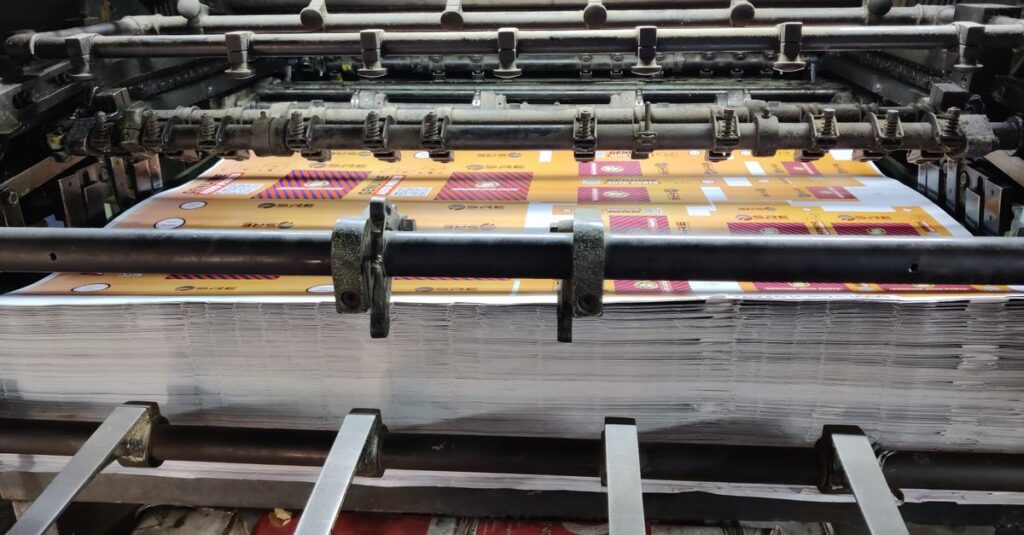
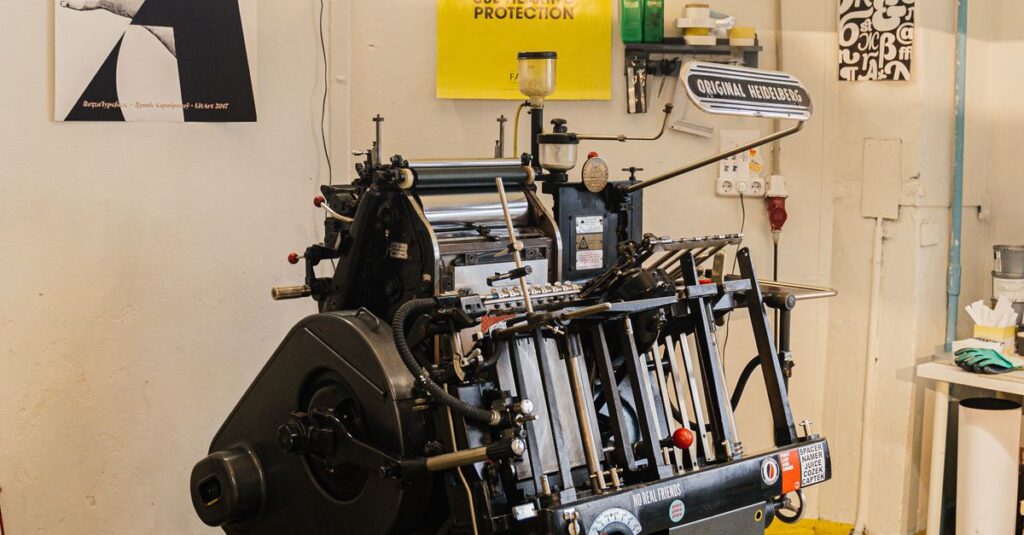
At our facility in Rajahmundry, we use both. But for bulk orders – corporate diaries, school notebooks, account books – offset is usually the better bet. The per-unit cost drops, and the print quality stays consistent across 30,000 units. And when you add lamination on top, the result is rock solid.
How Laminating Protects Your Brand
Let me tell you about Rajesh. He's 42, works as a procurement manager for a chain of private schools in Hyderabad. He ordered 5,000 custom diaries for a school event. Cover was printed with the school logo, nice design – but they skipped lamination to save ₹2 per book. (I told him not to, but he was on a tight budget.)
Three months later, the covers were scuffed, the edges were frayed, and the logo had faded on half the books. He called me, frustrated. He said the teachers were complaining the diaries looked old after just one term. We ended up reprinting the same order – this time with matte lamination – at a discount because I felt bad. (I also sent him a box of my wife's homemade sweets. That part's not business, but it helped.)
Point is – lamination isn't just a protective layer. It's a promise to your end user that this product won't fall apart. Matte lamination gives a premium feel and hides fingerprints. Glossy lamination makes colors pop but shows every smudge. Choose based on how the notebook will be used. But do not skip it if you're ordering in bulk.
Common Mistakes Buyers Make
Expert Insight
I was talking to a distributor from Vijayawada last month. He was livid because the notebooks he ordered from another supplier had the lamination peeling off after two months. He said, 'I paid for lamination – why is it falling apart?'
Here's the thing I've learned after 40 years – not all lamination is the same. Some suppliers use a thin film that barely sticks. Others apply it with improper heat or pressure. I remember one client who wanted glossy lamination but didn't want to pay for the higher-grade film. The result? A shiny mess that bubbled up within weeks.
The real mistake is assuming 'lamination' is a checkbox. It's not. Ask for the film thickness (30–40 microns is standard for notebooks). Ask about heat sealing. Ask to see a sample that's been bent and rubbed a hundred times. If the supplier hesitates, walk away. Printing and laminating done right costs a little more upfront but saves you from bad reviews and returns later.
What to Look for in a Printing and Laminating Partner
If you're buying in bulk, you're not just buying a product – you're buying a relationship. Your supplier's quality becomes your quality. Here's what I tell every buyer who calls me:
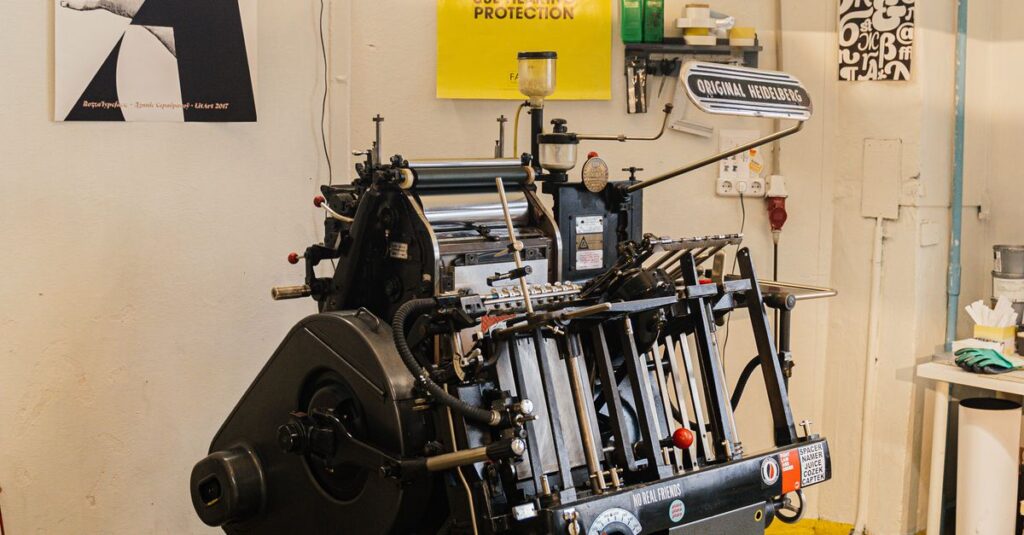
- Check the press they use. Heidelberg or Komori offset presses are a good sign. Old machines give inconsistent prints.
- Ask about lamination types. BOPP (biaxially oriented polypropylene) is the industry standard for notebooks. It's durable, waterproof to some extent, and doesn't yellow fast.
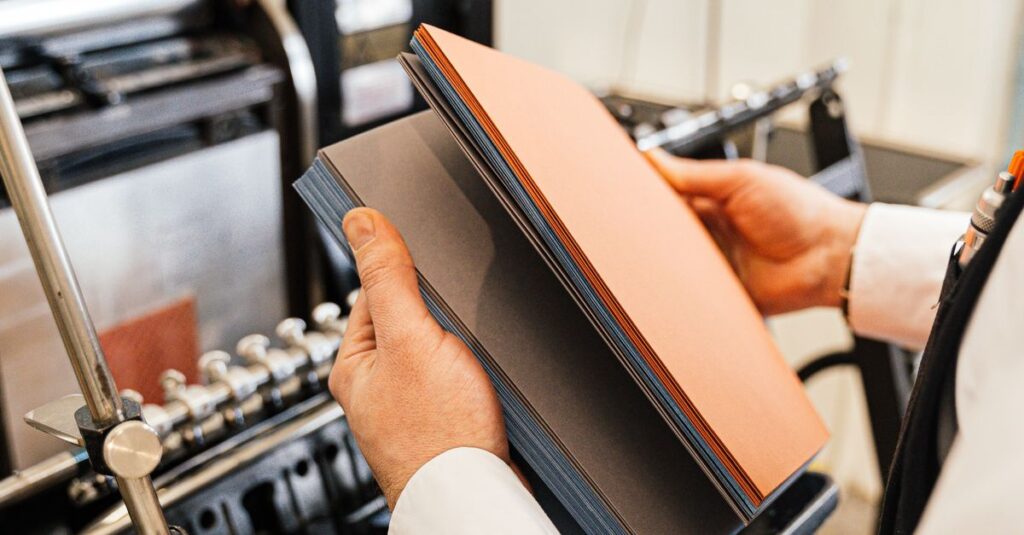
- Request a mockup with your design. Not just a digital proof – a physical sample with the actual paper and lamination. Then stress-test it: bend it, scratch it, drop a little water on it.
- Don't be shy about asking for references. A good manufacturer has long-term clients. I can give you ten numbers of schools that have ordered from us for over a decade.
At the end of the day, printing and laminating are processes that require experience. We've been doing it since 1985, and we still mess up once in a while. But we catch it before shipping because we check every batch. That's the difference between a factory and a partner. Contact us if you want to see how we do it.
Frequently Asked Questions
What is the difference between printing and laminating?
Printing applies ink onto the notebook cover or pages. Laminating adds a thin protective plastic film over the printed surface. Printing gives the design; lamination preserves it. Both are essential for professional bulk notebooks.
Which lamination is better for school notebooks – matte or glossy?
Matte lamination is usually better because it hides scratches and fingerprints better. Glossy lamination looks brighter but shows wear quickly. For school notebooks that get stuffed into bags, matte is the practical choice.
Can you print and laminate covers with logos in small quantities?
Yes, but the cost per unit is higher for short runs. Digital printing with lamination works well for 50–500 notebooks. For larger orders, offset printing with lamination becomes much more affordable per piece.
How long does printing and laminating take for a bulk order of 10,000 notebooks?
Typically 2–3 weeks, including design approval, printing, lamination, and binding. Rush orders are possible but may cost extra. We always advise planning ahead to avoid compromising on quality.
Does lamination affect the binding of notebooks?
Not if done correctly. The lamination is applied to the cover only, not to the spine or inner pages. A good manufacturer ensures the laminated cover is properly scored and folded so it doesn't crack at the spine.
Conclusion
Two things to remember: First, printing and laminating aren't extras – they're the foundation of a durable, professional notebook. Second, don't let price alone drive your decision. A cheap print job will cost you more in brand damage than you saved per book.
I don't pretend there's one right answer for every buyer. Some need the lowest cost, others need the longest-lasting covers. But if you've read this far, you probably already know what quality looks like – you just want someone to confirm it's worth paying for. It is. Get in touch with Sri Rama Notebooks if you want to talk specifics.