What Does “Print Out Papers” Really Mean?
You’ve got a stack of blank papers. Maybe a thousand. Maybe ten thousand. You need them turned into something usable — notebooks, diaries, account books. But when you search for how to “print out papers” in bulk, the answers are either too vague or too technical. I get it. I’ve been in this business since 1985, and I’ve seen buyers spend weeks trying to figure out the basics.
Here’s the thing: printing out papers for notebooks isn’t like printing a single document on your office printer. It’s a whole different ballgame — paper weight, ruling types, binding, cover stock. And if you’re ordering for a school or a corporate event, one mistake can cost you time and money.
That’s where Sri Rama Notebooks comes in. We’ve been helping buyers just like you get this right for decades. Let me walk you through it.
The Process: How We Print Out Papers for Custom Notebooks
Most people think printing out papers is simple — load the paper, hit print, done. Not quite. For bulk notebook production, we follow a step-by-step method that ensures every page is consistent.
Step 1: Paper Selection
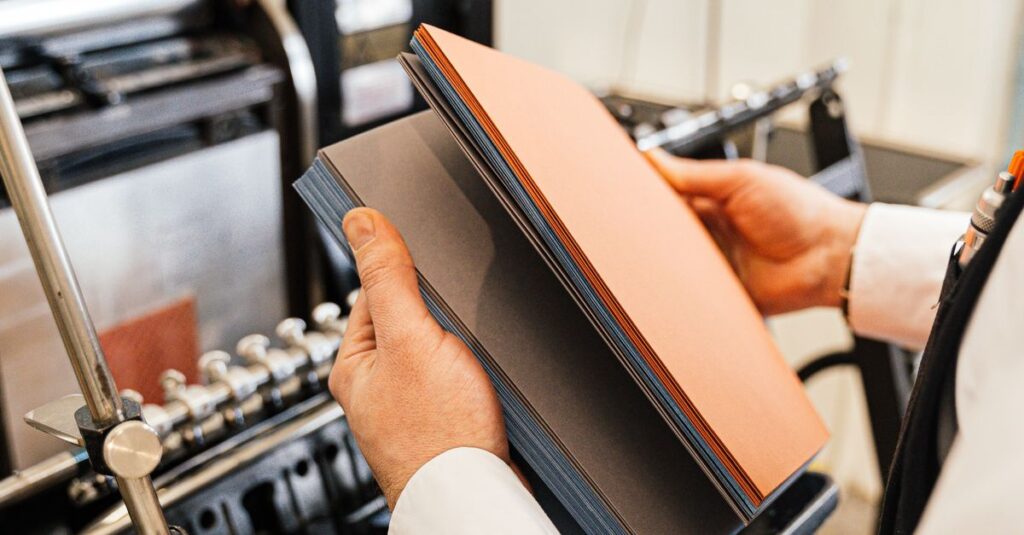
We start with the right paper GSM. For school notebooks, 54 GSM works. For corporate diaries, we often go higher — 70 or 80 GSM. The paper has to take ink well without bleeding. I’ve seen cheap paper ruin a whole batch of notebooks. Don’t skimp here.
Step 2: Plate Making (Offset Printing)
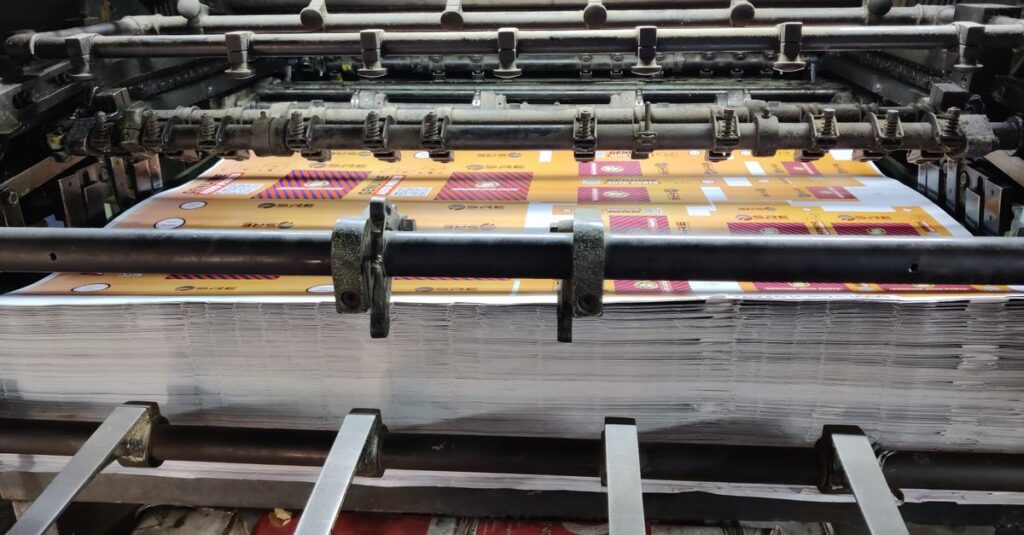
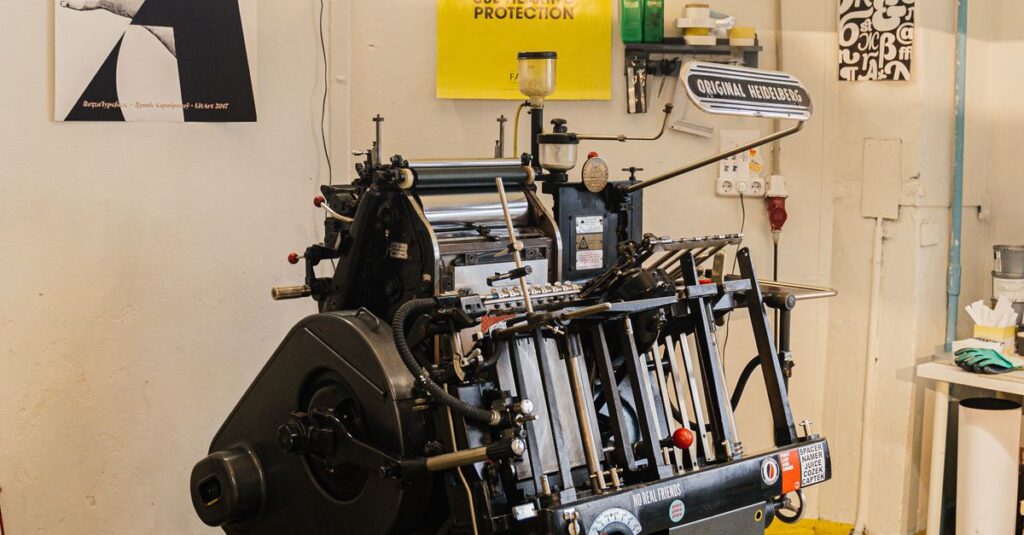
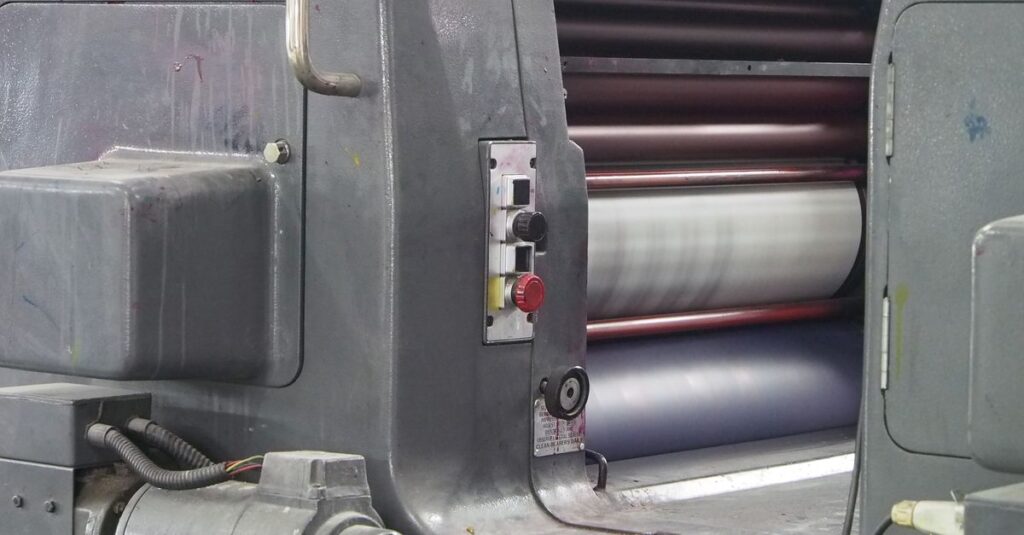
We use offset printing for most bulk orders. It’s fast, consistent, and cost-effective. First, we create printing plates for each page. Then we set up the press. For a 200-page notebook, that’s a lot of plates. But the result is sharp, clean text that doesn’t fade.
Step 3: Printing and Drying
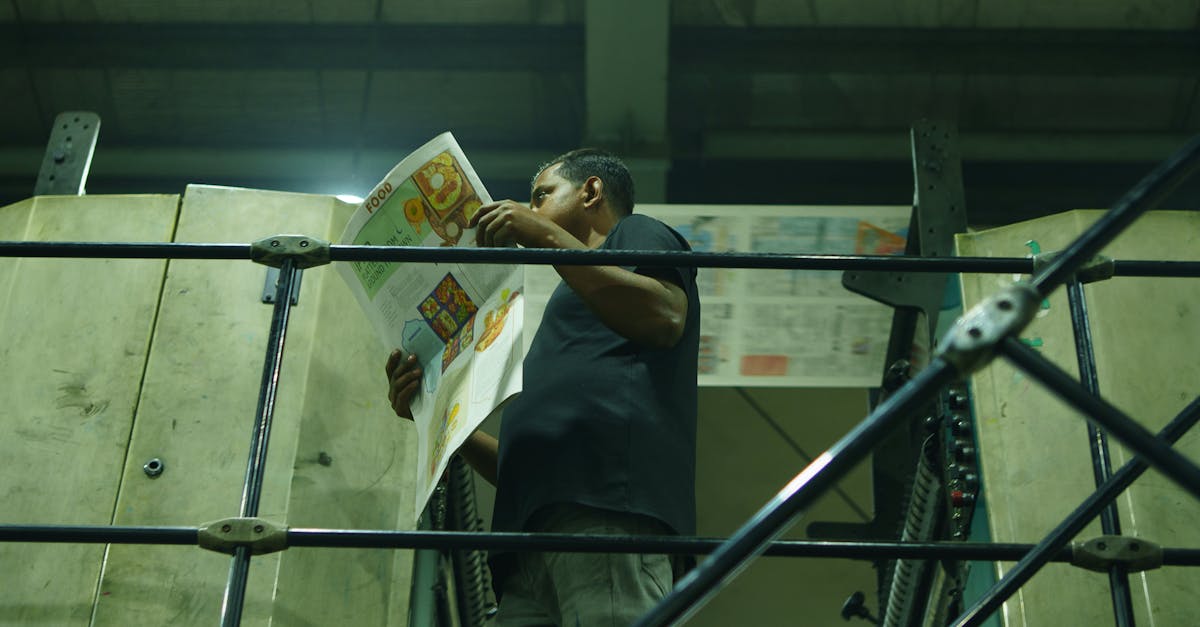
The paper rolls through the press, gets printed on both sides, and then goes through a drying tunnel. We check every few hundred sheets for alignment. One misaligned page and the whole ruling pattern is off. That’s a headache no one wants.
Step 4: Cutting and Folding
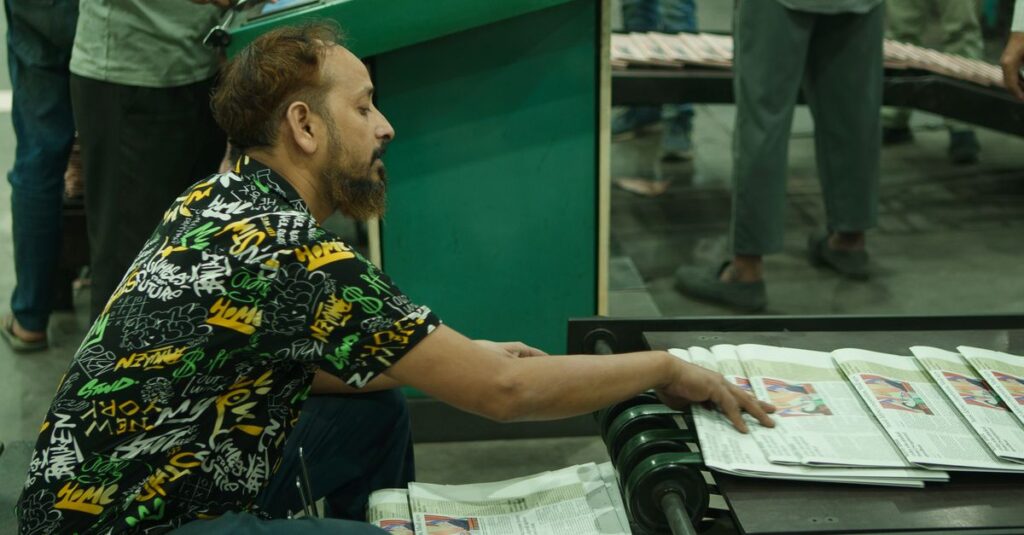
Once printed, the large sheets are cut down to size — A4, Long, King, whatever you need. Then they’re folded into signatures. Each signature becomes a section of the notebook. (I’ll admit, watching the cutting machine is oddly satisfying.)
After that comes binding — stitched, spiral, or perfect bound — depending on your order. But that’s a topic for another day. The point is: printing out papers for notebooks is a process. And if you skip steps, you’ll end up with notebooks that fall apart after a month.
Want to see the full range? Check our printing services page.
Common Mistakes When Ordering Printed Papers for Notebooks
I’ve been around long enough to hear the same stories again and again. Buyers ordering “print out papers” without specifying the ruling type. Or assuming all paper is the same. Let me save you the trouble.
- Mistake #1: Not specifying ruling type. Single ruled, double ruled, four ruled — they look similar but serve different purposes. A school for young kids needs four ruled (with margins). A college student uses single ruled. Get it wrong and the notebooks are useless.
- Mistake #2: Ignoring paper weight. 54 GSM is standard, but if you want pages that can handle ink pens without ghosting, you need 60 GSM or higher. I had a customer once who ordered 50 GSM — the ink bled through so badly you couldn’t read the back. He had to reorder. Twice the cost.
- Mistake #3: Forgetting the cover. The cover is not just decoration. It protects the pages. If you print out papers but skip a sturdy cover, the notebooks will look shabby within weeks. We use 250 GSM art card with lamination. That stuff lasts.
- Mistake #4: Ordering too few samples. Always ask for a sample before placing a bulk order. I can’t stress this enough. Even if you’ve worked with a supplier before, new paper stock or ink can behave differently. Get a sample. Test it. Then order.
These sound basic, but you’d be surprised how often they happen. And honestly? Most mistakes come from rushing. Take your time.
Here’s a quick comparison to help you decide between offset and digital printing for your “print out papers” order.
| Factor | Offset Printing | Digital Printing |
|---|---|---|
| Best for | Large quantities (500+ notebooks) | Small runs or quick prototypes |
| Cost per unit | Low for bulk | Higher per unit |
| Setup time | 1-2 days (plate making) | Immediate |
| Color consistency | Excellent, batch to batch | Good, but can vary slightly |
| Paper options | Wide range (coated, uncoated) | Limited to digital-compatible paper |
| Minimum order | Typically 500+ notebooks | No minimum |
If you’re ordering more than 500 notebooks, offset is the way to go. Under that, digital might save you time. But I always lean toward offset for quality. Every time.
Expert Insight: Why Paper Quality Matters More Than You Think
I was sitting with my production manager last month — over chai, not a meeting — and he said something I keep thinking about. He said, “The paper is the notebook. Everything else is just decoration.” He’s been in this factory for thirty years. He’s seen paper from every mill in India. He knows what works.
The thing is — cheap paper might take the ink, but it yellows in six months. The pages start to crumble at the edges. And if you’re printing a diary that someone will use daily for a year, you want paper that holds up. We use 54 GSM OBA-free stock. It’s not the cheapest, but it’s not the most expensive either. It’s the sweet spot.
I don’t have any fancy certification to wave around. I just know that when we send out a batch of notebooks, I want them to look as good in December as they did in January. And if you’re the buyer, you want that too. The reputation is on the line.
Anyway. Here’s a real example from a customer last year.
Real-Life Micro-Story: A School Principal Orders 5,000 Custom Notebooks
Ramesh is a principal at a government school in Kakinada, about an hour from our factory. He needed 5,000 notebooks for the new academic year — each with the school logo and the four-ruled pattern for classes 3 to 5. He called me on a Tuesday afternoon. “Can you print out papers for 5,000 notebooks in three weeks?” he asked. I said yes, but I also told him we’d need to confirm the ruling spec. He sent over a sample from another supplier — the ruling was too narrow. We adjusted. The order went smoothly. He got the notebooks a day early. (He called to thank me. That doesn’t happen often.)
The point is, even a simple “print out papers” request needs clarity. Ramesh knew exactly what he wanted, and that made all the difference.
Frequently Asked Questions
What does “print out papers” mean for notebook manufacturing?
It refers to the process of printing ruled lines, logos, or text onto blank paper sheets before binding them into notebooks. In bulk, it involves offset or digital printing, paper selection, and custom page layouts.
Can I print out papers with my company logo on every page?
Yes. We can print your logo or watermark on each page using offset printing. This is common for corporate diaries and school notebooks. Minimum order quantities apply — typically 500 notebooks or more for custom page printing.
What paper GSM is best for printing out notebooks?
For general use, 54 GSM is standard. If you expect heavy ink or gel pens, go with 60–70 GSM. Thicker paper reduces ghosting and lasts longer. We recommend testing a sample before committing to bulk.
How long does it take to print out papers for a bulk notebook order?
Production time depends on quantity and complexity. For 5,000 notebooks, expect 10–15 days from order confirmation. Printing itself takes 3–5 days; the rest is binding, trimming, and packaging. Rush orders are possible but may cost extra.
Do you offer a sample before I place a large order?
Absolutely. We can print a sample set of pages or a single dummy notebook with your spec. This helps you verify ruling, paper quality, and print alignment. Samples are charged at cost, but the fee is deducted from the final order.
Conclusion
Printing out papers for bulk notebooks isn’t complicated — but it’s not automatic either. You need the right paper, the right ruling, and a supplier who asks the right questions. I don’t think there’s one perfect way to do it. But if you start by knowing your paper GSM and your ruling type, you’re already ahead of most buyers. The rest is just good communication.
If you have a “print out papers” project in mind, talk to us at Sri Rama Notebooks. We’ll walk you through every step.