Why Most Printing of Stationery Goes Wrong
Everybody thinks printing of stationery is straightforward. You send a logo file, pick the paper, and boom — boxes of notebooks show up. That’s what I thought too, until I spent a decade watching it go sideways.
The problem isn’t the printing itself. It’s everything around it — the file format they don’t tell you about, the colour shift nobody warns you about, the binding that looks great on a sample but fails after a month. I’ve seen corporate buyers order ten thousand diaries only to realise the logo is off-centre on every single one.
Here’s the thing: printing of stationery is a manufacturing process, not a transaction. If you treat it like buying paper clips, you’ll get paper clip results. You need someone who understands the whole chain — from paper weight to binding to cutting tolerance.
That’s why I always tell people: start by talking to a real manufacturer, not a middleman. Sri Rama Notebooks does this stuff daily, and they’ve seen every mistake in the book. They can tell you what works before you waste money.
Anyway. Let me break down the two big routes for printing of stationery, because that’s where most people get lost.
The Two Routes for Printing of Stationery: Digital vs Offset
If you’re ordering in bulk — say a few thousand notebooks — you have two options. Digital printing and offset printing. They’re not the same thing, and picking the wrong one is like wearing sandals in a snowstorm.
Digital Printing
Good for small runs. Under 500 pieces, maybe. Quick turnaround, no plate setup. But the quality? It’s fine. Not great. Colours can be inconsistent from the start of the run to the end. And if you need spot colours or Pantone matching? Forget it.
Offset Printing
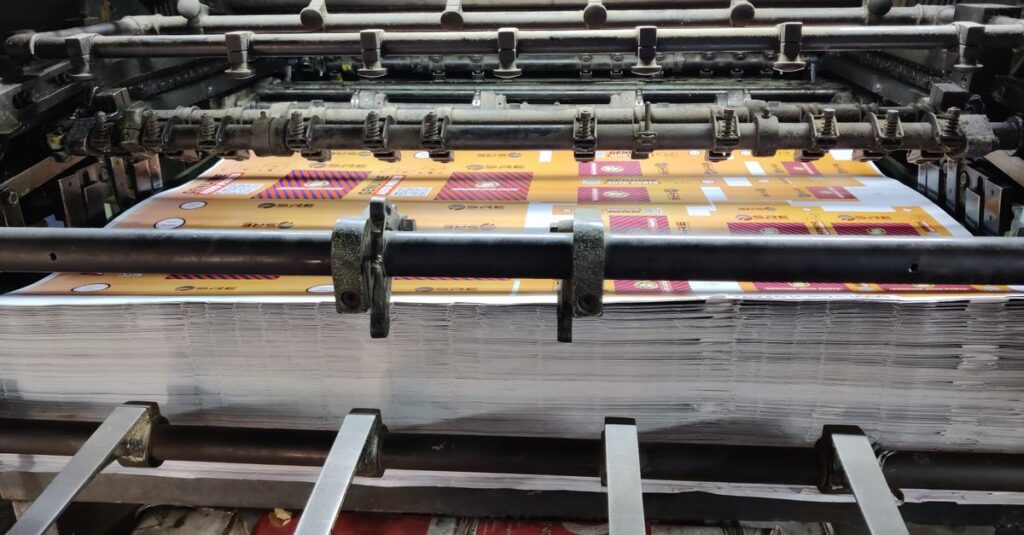
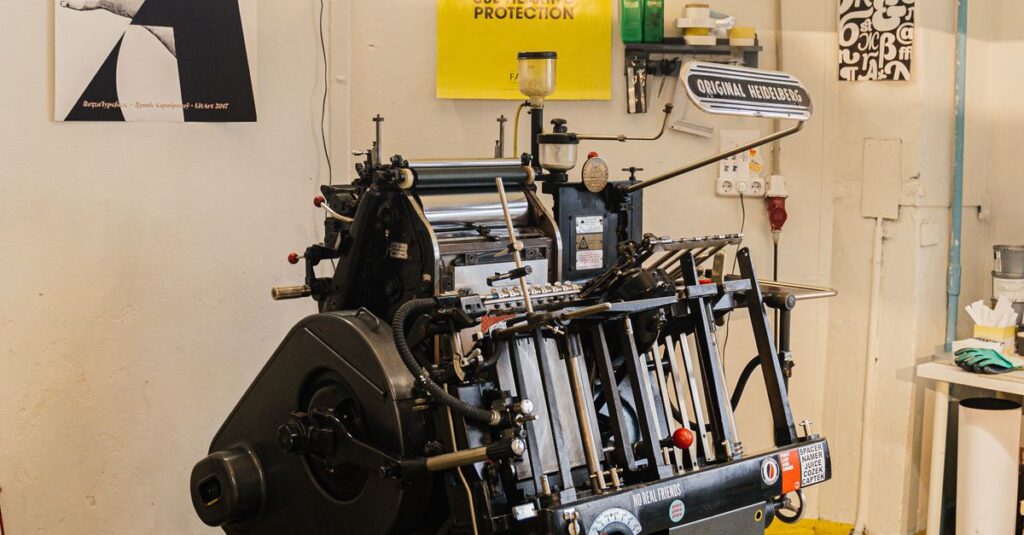
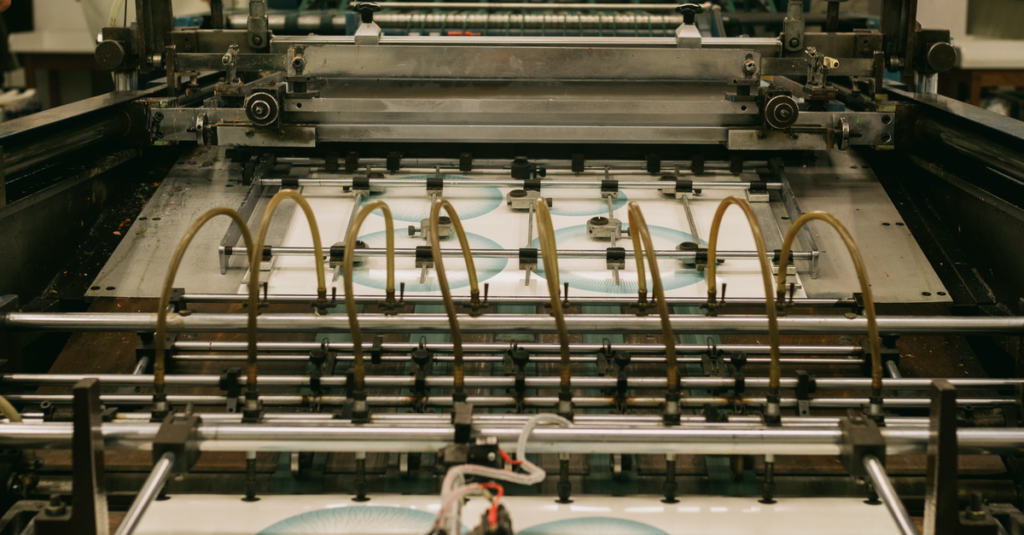
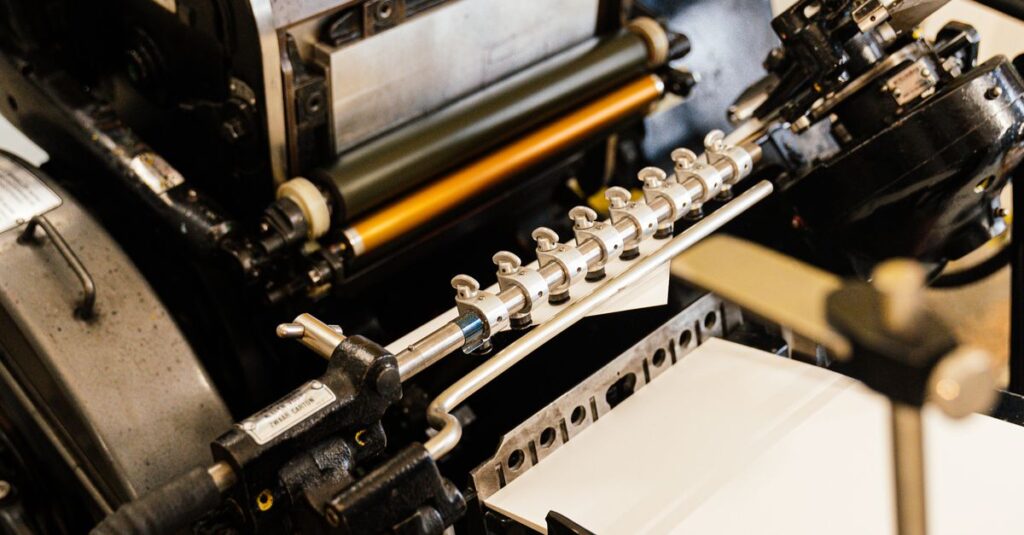
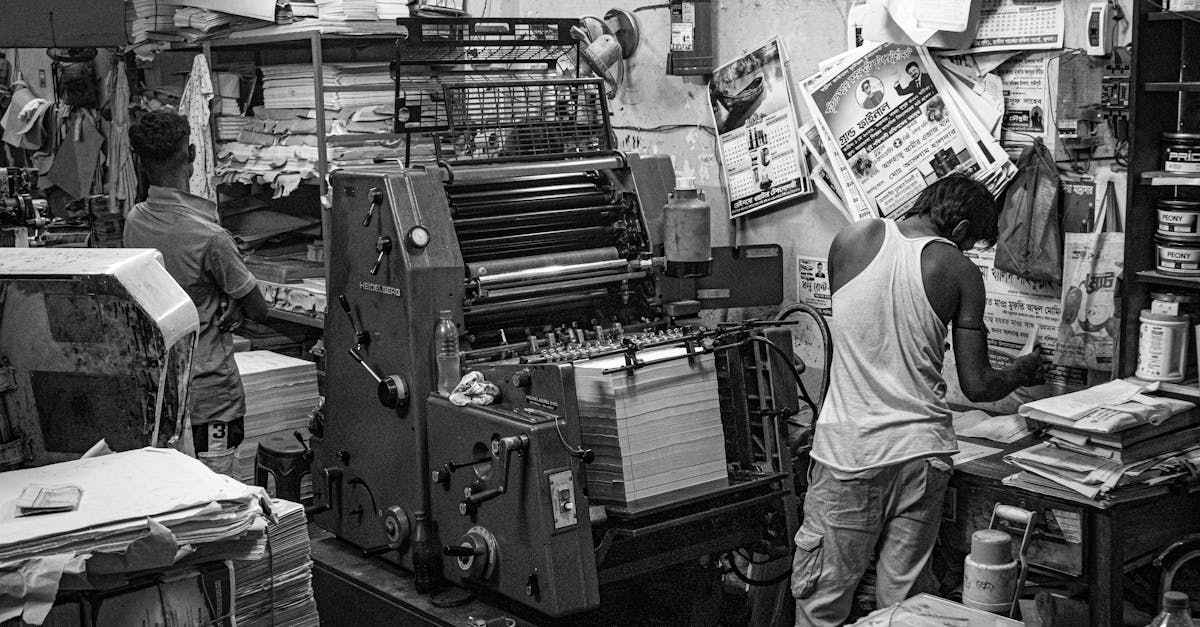
This is the workhorse for bulk printing of stationery. Higher upfront cost because of plate making, but per-unit price drops fast. Colour accuracy is tight. You can do metallics, embossing, foil stamping — the fancy stuff. But it takes longer to set up, so don’t expect overnight delivery.
(I’m simplifying, I know. But you get the idea.)
| Factor | Digital Printing | Offset Printing |
|---|---|---|
| Best for quantities | Under 500 | 500+ (sweet spot 2000+) |
| Unit cost | Higher per piece | Lower per piece at volume |
| Colour accuracy | Good, but drifts | Excellent, consistent |
| Setup time | Minutes | Hours to days |
| Customisation (e.g. foil) | Limited | Full range |
| Paper choices | Limited to coated/uncoated | Wide range, plus special stocks |
So which one should you pick? If you’re ordering notebooks for a school or corporate event in bulk, go offset. Always. If it’s a small batch of personalised diaries for a team gift, digital might work. But honestly? Talk to the printer first. They’ll tell you what their machines can handle.
Expert Insight
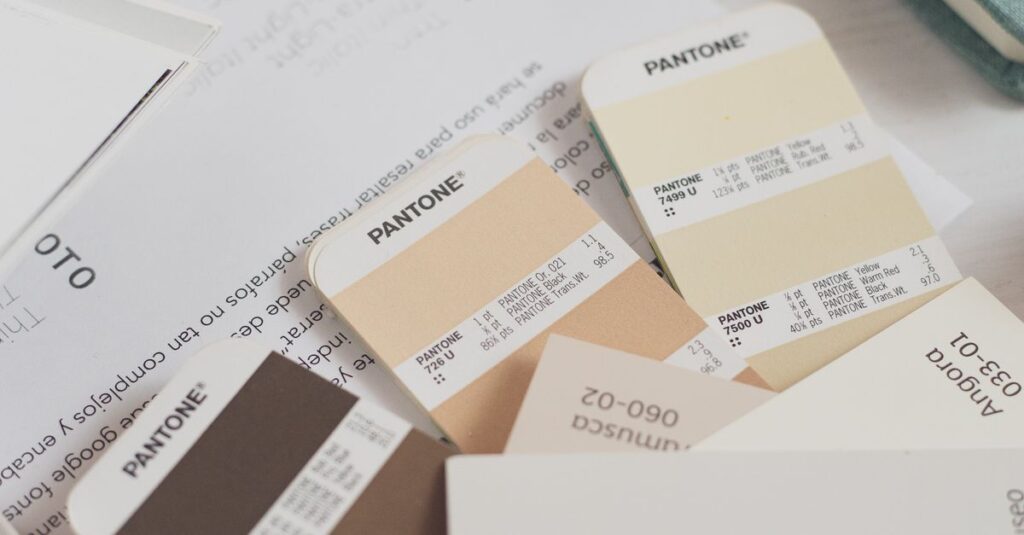
I remember visiting a printing unit in Chennai once — this was maybe five years ago. The owner showed me a batch of offset-printed notebooks for a bank. The logo was this deep navy blue, and he had five different samples with slightly different shades. He said, “The client wanted ‘exact match’ but they sent us a JPEG. You can’t get exact match from a JPEG.” I think about that every time someone sends me a low-res logo and asks for perfect colour. You need vector files and Pantone references. Otherwise, you’re gambling.
A Real Story: Printing Disaster at a School in Vizag
Let me tell you about Venkatesh. He’s 42, procurement manager at a private school in Visakhapatnam. Two years ago, he ordered 3,000 notebooks for the new academic year. The school logo needed to be on the front cover — gold foil, simple design. He found a local printer, paid 60% upfront, got a sample that looked fine.
The delivery came three weeks late. The logo was shifted a centimetre to the right on every book. And the gold? It looked more like muddy brown. Venkatesh said he stood in the storage room, staring at the pallets, and didn’t know what to do. He had to accept them because the term started in ten days.
He called me later, almost apologetic. “I should have checked their setup. I should have asked for a press proof.” Yeah. He should have. But he didn’t know. That’s the thing — most people don’t know what to ask until they’ve been burned.
The Part Nobody Talks About: Paper and Binding Matter More Than the Print
I might get flack for this, but in printing of stationery, the ink is only half the story. If the paper is too thin, the print shows through from the other side. If the binding is weak, the notebook falls apart within weeks. Nobody cares how sharp your logo is if the pages fall out.
Most buyers obsess over the logo placement and colour. They should be obsessing over the paper GSM and the binding method. Stitched binding? Stronger but limits lay-flat. Spiral binding? Lies flat but can snag. Perfect binding? Looks clean but cracks under heavy use.
I’ve seen beautiful offset-printed covers on cheap 50 GSM paper that bleed ink. Waste of money. A good printing job on good paper with solid binding? That lasts years. And that’s what your clients will remember.
Look, I don’t have a perfect answer for every situation. But here’s what I know: when you’re evaluating a supplier for printing of stationery, ask them about paper and binding first. If they can’t talk confidently about that, they’re not the right fit.
Making Printing of Stationery Work for Your Budget
Let’s be real — cost is always the elephant. You want quality, but you have a number you can’t cross. So how do you balance it?
- Order in volume. The per-unit drop from 1000 to 5000 is often 30-40%.
- Simplify the design. Fewer colours, less foil, smaller print area = lower plate costs.
- Use standard paper sizes. Custom sizes increase waste and setup time.
- Get multiple quotes. But don’t just compare prices — compare the paper and binding specs they quote.
I once had a client who saved 15% by switching from a coated cover to an uncoated one. Didn’t change the look much, but the printer had the stock in-house. Small changes add up.
But don’t sacrifice quality to save a few rupees. A cheap notebook that falls apart is worse than no notebook. It makes you look bad. Your logo on a broken spine? That’s the impression you leave.
So yeah, budget matters. But what matters more is understanding what you’re paying for. The difference between “cheap” and “good value” is knowing where your money went.
Frequently Asked Questions
What is the best printing method for stationery in bulk?
Offset printing is almost always the best for bulk printing of stationery — 500 units or more. It gives better colour consistency, lower per-unit cost, and more options for finishes like foil stamping or embossing.
Can I print logos on notebooks without a setup fee?
Not really. Every printing job requires some setup — plate making for offset, or file prep for digital. A reputable manufacturer will quote a plate charge, but it’s a one-time cost that spreads across your order.
How long does printing of stationery usually take?
For offset printing, expect 2-4 weeks from artwork approval to delivery, depending on quantity and complexity. Digital can be 5-10 days. Always ask for a confirmed timeline before ordering.
What file format should I send for notebook printing?
Send vector files like AI, EPS, or PDF with embedded fonts and 300 DPI resolution. Avoid JPEG or low-res PNG — they’ll look blurry when enlarged. Also include Pantone colour codes if you need exact matching.
Do I need a proof before the full print run?
Yes, always. Ask for a physical press proof or at least a digital mock-up. It’s the only way to catch errors in alignment, colour, or text before thousands of notebooks are printed.
Conclusion
Printing of stationery looks simple from the outside, but it’s a process with a lot of moving parts. Pick the right route — offset for bulk, digital for small runs. Don’t overlook paper and binding. And always, always get a proof before production.
I don’t think there’s a single formula that works for everyone. But if you’ve read this far, you already know the basics — now you just need a partner who can execute. That’s where experience matters.
If you’re planning a bulk order of custom notebooks or diaries, talk to Sri Rama Notebooks. They’ve been doing this since 1985 and they won’t mess up your logo.