What Does a Custom Notebook Manufacturer Actually Do?
Most people think making a notebook is simple. Print some paper, staple it, done. That's the thing — it’s not.
A custom notebook manufacturer does a lot more than just print pages and glue covers. We get calls from procurement managers who think they can just send a logo and get a box of notebooks next week. Then they learn about GSM, binding types, ruling patterns, cover materials… and suddenly it’s not so simple.
If you’ve ever wondered what a custom notebook manufacturer actually does — beyond the obvious — this is for you. And if you’re tired of vague answers and hidden costs, Sri Rama Notebooks has been doing this openly since 1985.
It Starts With Paper — But Not Just Any Paper
I’ll say it bluntly: paper quality is where most custom orders go wrong. People pick based on price, not what the notebook is actually for.
A school kid’s notebook needs different paper than a corporate diary. A spiral notebook for sketching? Different again. We get asked for 52 GSM paper for a 200-page account book. That’s a nightmare waiting to happen — ink bleeds through, pages tear.
What we actually check:
- GSM — weight of the paper. Standard writing: 54 GSM. Thicker for diaries: 70 GSM or more.
- Ruling — single ruled, four ruled, graph, blank, you name it. We have 8+ ruling types.
- Opacity — nobody wants to see the backside writing through.
- Size — King, Long, Short, A4, A5, Crown… each serves a purpose.
One time a client ordered 5,000 “long” notebooks but meant a completely different size. We had to stop the press. Production almost started. That call saved them money and time. You can’t fix that after the paper is cut.
The question isn’t whether you need cheap paper. It’s whether the notebook will still hold up after three months of use. That’s the real test.
Customization Isn’;t Just a Logo Stamped on the Cover
Let me tell you about Ravi. He’s 42, procurement manager for a large IT firm in Hyderabad. He needed 10,000 branded diaries for an annual conference. He thought: “Just print our logo on the front cover.”
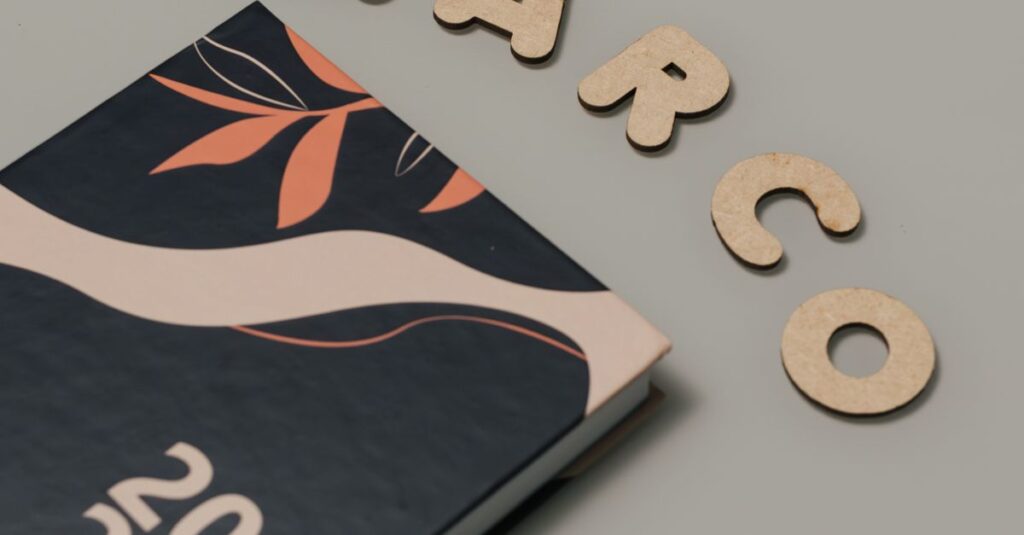
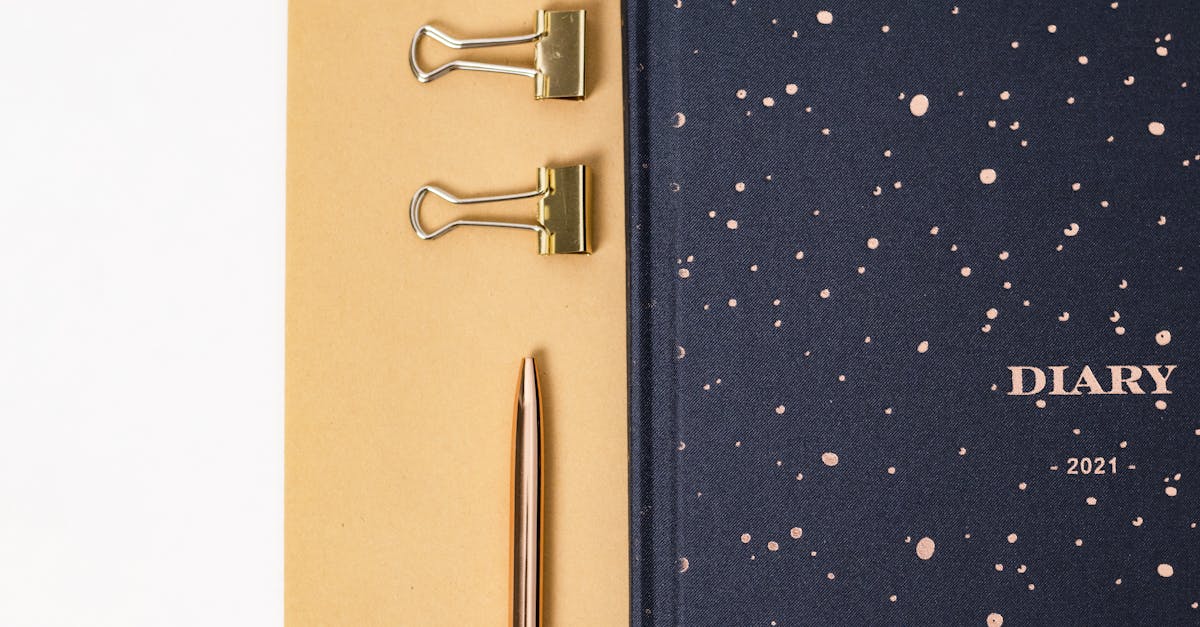
But when we sat down, we talked about how the diaries would be used. Conference attendees would flip through them, write notes, maybe keep them on desks. So we suggested foil stamping for the logo — looks premium, lasts longer than print. We added a ribbon bookmark. We chose a deep navy cover with subtle embossing. The client was skeptical until they saw the sample.
This is what a custom notebook manufacturer actually does: you don’t just slap a logo on. You figure out what the notebook needs to communicate. Corporate professionalism? School fun? Religious institutional dignity?
Customization options we offer:
- Logo printing (offset, screen, or digital)
- Foil stamping (gold, silver, any metallic)
- Embossing / debossing
- Private label (your brand, our mufacturing)
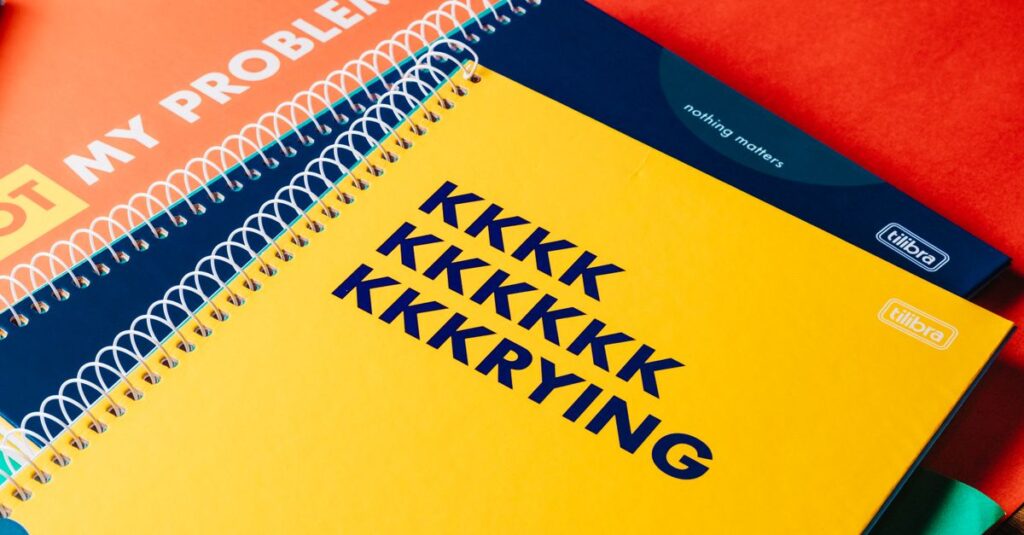
- Custom cover design
- I remember when we first started doing private label for a company in Dubai. They wanted a notebook that felt distinctly “theirs” — not just a generic product with a sticker. It took three rounds of cover samples to get the shade of teal exactly right. And that’s the difference between a supplier and a manufacturer who cares.
Binding Choices Matter More Than You Think
Here’s something most buyers overlook: binding. They see a spiral notebook and think it’s the same as a stitched one. It’s not. Not even close.
Feature Stitched Binding Spiral Binding Perfect Binding Durability High (pages won’t fall out) Medium
d>Medium (pages can detach over time) Lay-flat Yes (opens flat) Yes No (needs to be held open) Cost Moderate Higher (plastic/metal parts) Lower Customization on spine Yes, limited Yes, logo on front Yes, full cover wrap Best for School notebooks, diaries Exercise books, notepads Paperback books, corporate diaries We see clients pick perfect binding to save money — then complain when pages fall out after a few months. If your notebook needs to last, stitched or spiral is the way to go. Worth the extra rupees.
Anyway, back to the point: choosing binding without understanding usage is like buying shoes without knowing if you’re walking on gravel.
The Production Process: What Happens After You Place the Order
I remember a client who ordered 50,000 notebooks for a government school distribution. The timeline was tight — six weeks. We had to coordinate paper supply, printing, binding, packaging, and shipping across India.
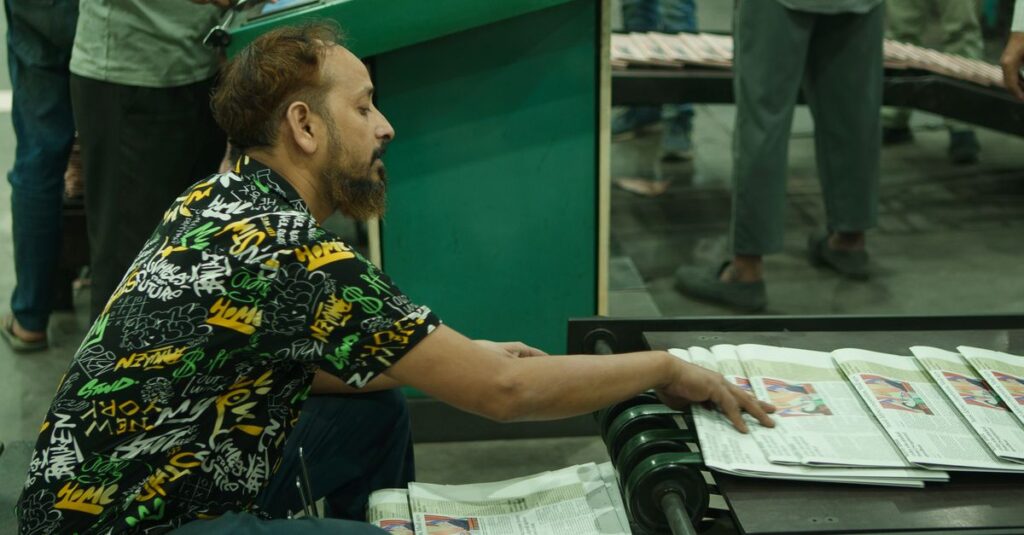
One delay in paper delivery almost derailed everything. That’s when I learned how crucial supply chain management is. A custom notebook manufacturer doesn’t just run machines; we juggle raw materials, production capacity, and deadlines. Every day.
Here’s the flow we follow at Sri Rama Notebooks:
- Paper arrives and is checked for quality
- Printing (offset or digital)
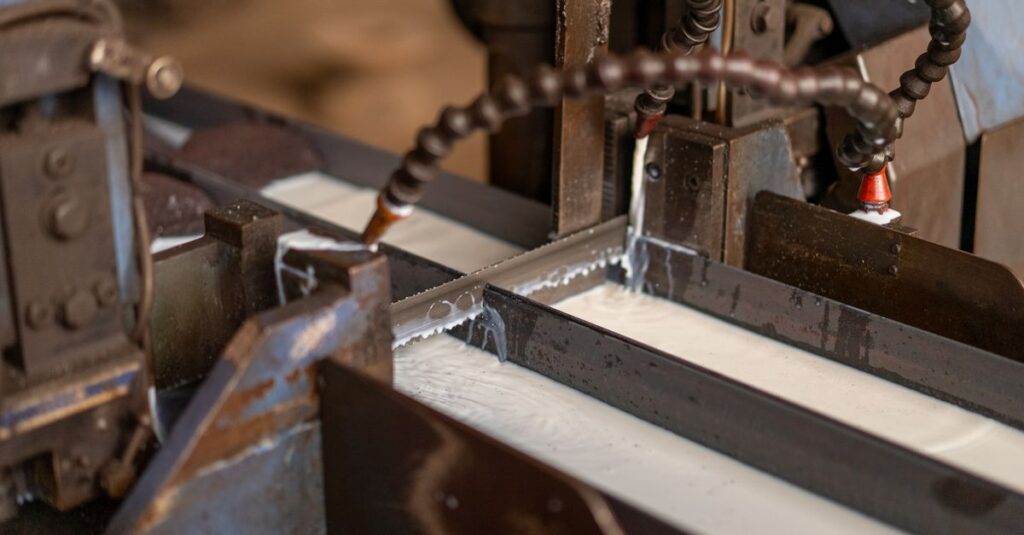
- Cutting and folding
- Binding (stitched, spiral, or perfect)
- Cover application
- Packaging and dispatch
Our factory does 30,000 to 40,000 notebookaily. That’s a lot. But it also means we can handle bulk orders without compromising on detail. We’ve shipped to Gulf, Africa, USA, UK — and still pick up the phone when a client calls about a missing comma on the cover proof.
Do we ever mess up? Sure. We’re human. But the difference is we fix it — because a relationship with a manufacturer isn’t a transaction. It’s trust.
Why Experience Matters (And Who You’re Really Hiring)
When you contact a custom notebook manufacturer, you’re not just buying a product. You’re buying the years of knowing what works and what doesn’t. We’ve been at this since 1985. That’s forty years of mistakes, fixes, and refinements.
Take export. We had to learn different paper sizes, regulations, packaging standards for each country. One mistake in labeling can hold up a shipment for weeks. That’s learning you can’t get from a manual.
We’re based in Rajahmundty, India. Not a flashy industrial park — a real workshop where generations of workers have built their craft. The same people who handled orders for schools in the 90s are now training their children to manage digital proofs.
This matters because when you need 100,000 notebooks delivered in three months, you want someone who’s done it before. Not someone who’s learning on your order.
Frequently Asked Questions
What's the minimum order quantity for custom notebooks?
It depends on the complexity. For simple logo printing, we typically start at 500 units. For full private label with custom covers, minimums are higher — around 1000 to 2000. But talk to us; we might adjust for schools or small businesses.
How long does it take to produce custom notebooks?
Standard turnaround is 3 to 4 weeks from proof approval. Bulk orders (10,000+) may take 6 to 8 weeks. Rush orders are possible but depend on current production load. Best to plan ahead.
Can I provide my own cover design?
Absolutely. You can. We can print from your design files (AI, PDF, etc.) and also offer design assistance if needed. We recommend getting a physical sample first to check color before full production.
What is private label manufacturing?
Private label means we produce notebooks with your brand name, logo, and packaging — as if you made them. You get custom covers, inside pages, even your own product SKU. It’s popular for companies building their stationery line.
Do you export outside India?
Yes, we export to Gulf countries, Africa, USA, UK, Europe, Australia, and Asia Pacific. We handle customs documentation and shipping. Contact us for specific country requirements.
>
So What Does It All Boil Down To?
Two things. First, a custom notebook manufacturer is a partner, not a vendor. We ask questions about your audience, usage, budget. We push back when you’re about to make a costly mistake.
Second, it’s about more than the notebook. It’s about getting the feel right — the paper smoothness, the binding that stays flat, the cover that lasts. That’s what keeps people ordering.
I don’t think there’s a perfect formula. Every order is different. But if you’ve read this far, you’re thinking seriously about what you need. That’s already a good start.
If you want to talk to someone who’s been doing this for decades, Sri Rama Notebooks is here. Give us a ring.