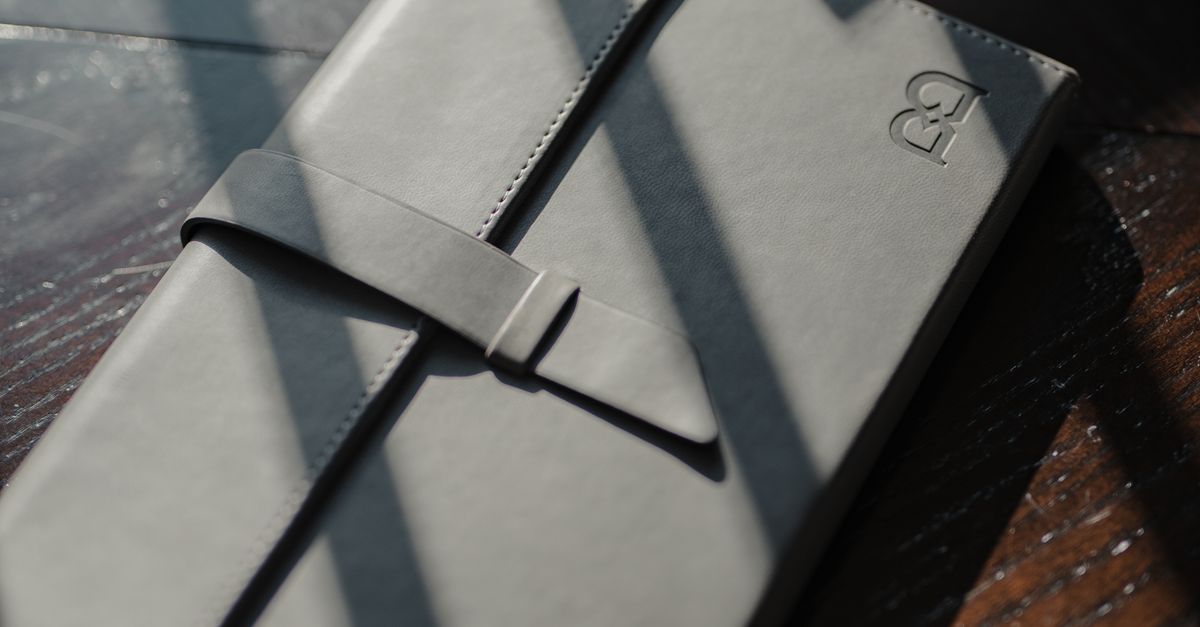
What Makes a Journal Book Actually Good?
I'll be honest — most journal books are just notebooks with a fancy cover. And that's fine if you're buying one for yourself. But if you're ordering in bulk — for a company, a school, a hotel chain — you need something that actually holds up. Something that doesn't fall apart by page 30.
I've been in this business since 1985. Sri Rama Notebooks has been making notebooks and diaries for over four decades. And I've seen what happens when someone picks the wrong journal book. Pages fall out. Covers peel. Ink bleeds through. It's a headache nobody needs.
So what makes a best journal book? Not the cover design. Not the price tag. It's the stuff you can't see at first glance. The paper. The binding. The way it sits flat when you open it. If you're buying in bulk — for a school, a company, a hotel — these are the things that matter. Sri Rama Notebooks has been making them long enough to know the difference.
What to Look for in a Journal Book
Here's the thing — most people pick a journal book by the cover. I get it. A nice cover sells. But the cover is the least important part. What matters is what happens when you actually write in it.
Three things I look at first:
- Paper weight. If the paper is too thin, ink bleeds through. You write on one side, and the other side is ruined. 54 GSM is our standard — it's a good balance. Not too thick, not flimsy.
- Binding. Stitched binding lasts longer than spiral. Perfect binding looks clean but can crack if you force it flat. For a journal you'll actually use daily, stitched is the way to go.
- Ruling. Single ruled is standard for most writing. But if it's a bullet journal or a creative diary, unruled or dot grid gives more freedom.
I've seen people order a thousand journals for a corporate event and then complain that the paper is too thin. The thing is — you can't judge paper quality from a photo. You have to feel it. Or trust someone who's been making them for 40 years.
Journal Book vs Regular Notebook — What's the Difference?
This is a question I get a lot. And honestly? The line is blurry. A journal book is usually just a notebook that's marketed differently. But there are some real differences if you look closely.
Let me tell you about Priya. She's 34, a procurement manager at a chain of boutique hotels in Hyderabad. Last year she ordered 500 journals for guest rooms. She picked a cheap option — looked fine in the sample. Three months later, guests were complaining that the pages were yellowing and the binding was loose. She called me, frustrated. "I just wanted a nice journal for the rooms," she said. "Not a headache."
That's the thing. A best journal book isn't about looks. It's about whether it survives being used. Here's a quick comparison:
| Feature | Regular Notebook | Quality Journal Book |
|---|---|---|
| Paper GSM | 50–60 GSM, often thin | 54–70 GSM, smoother, less bleed |
| Binding | Spiral or cheap stitched | Reinforced stitched or sewn |
| Cover | Cardboard, bends easily | Hardbound or thick laminated |
| Lay-flat design | Rare | Common in quality journals |
| Page count | 40–120 pages | 200–320 pages |
| Customization | Limited | Logo, embossing, foil stamping |
Look, I'm not saying a regular notebook is bad. But if you're buying for a purpose — a guest journal, a corporate diary, a student notebook — the best journal book is the one that doesn't fall apart. That's the baseline. Everything else is decoration.
Paper Quality — The Thing Nobody Talks About
I think — and I could be wrong — that most people don't realize how much paper quality affects the writing experience. They pick up a journal, flip through it, and think "feels fine." But feel isn't the same as performance.
Here's what happens with bad paper:
- Ink bleeds through to the next page
- Pages turn yellow after a few months
- The paper feels rough, like sandpaper
- Writing smudges if you touch it too soon
I remember a conversation I had years ago with a stationery distributor from Vijayawada. He told me his biggest complaint from customers was always the same: "The paper is too thin." Not the cover. Not the binding. The paper. He said, "If the paper is bad, nothing else matters." I think about that a lot.
At Sri Rama Notebooks, we use 54 GSM paper for most journals. It's not the thickest you can get, but it's the sweet spot — smooth enough to write on, thick enough that ink doesn't bleed. We've tested dozens of paper types over the years. This one works.
Binding Types — Which One Survives Daily Use?
I'll say it plainly: spiral binding is convenient, but it doesn't last. The coils bend. Pages tear out. If you're buying a journal for someone to actually keep and use, stitched binding is better.
Here's a quick breakdown:
- Stitched binding — Pages are sewn together. Lies flat. Lasts years. This is what we use for most of our premium journals.
- Spiral binding — Easy to flip, but the coils get damaged in transit. Not ideal for bulk orders.
- Perfect binding — Glued spine. Looks clean. But if you force it open, the pages can fall out. Good for thin notebooks, not for thick journals.
I was talking to a friend who runs a printing press in Kakinada last month. He said something that stuck with me: "People want a journal that looks expensive but costs nothing. That's not how it works." He's right. You can't have both. At least not at scale.
Expert Insight
I remember a conversation from maybe ten years ago. A paper supplier from Chennai — older guy, been in the business since the 70s — told me something I still think about. He said, "The best journal book is the one you're not afraid to write in." I didn't get it at first. But over the years, I've seen it play out. People buy expensive journals and then never use them because they don't want to "ruin" them. The real test of a journal isn't how it looks on a shelf. It's whether you actually write in it. That's the only thing that matters here.
Customization — When You Need More Than a Blank Book
Most of the bulk orders we get are for customized journals. Schools want their logo on the cover. Companies want their brand name embossed. Hotels want a clean, minimal design with their name on the spine.
And honestly? That changes everything. Because now you're not just buying a journal. You're buying a representation of your brand. If the journal falls apart, that reflects on you.
We offer a few customization options:
- Logo printing — Full color or single color on the cover
- Embossing — Raised logo, looks premium
- Foil stamping — Gold or silver foil, very elegant
- Custom cover design — We can print your artwork directly
- Private label — Your brand name on the cover, no mention of us
I've seen a lot of companies try to save money by ordering cheap journals with their logo on it. And then they wonder why nobody uses them. The best journal book for a corporate gift is one that people actually want to write in. That means good paper, good binding, and a design that doesn't scream "free promotional item."
Bulk Orders — What Procurement Managers Need to Know
If you're ordering 500 or 1000 journals, you're not just buying a product. You're managing a supply chain. And the biggest mistake I see procurement managers make is focusing only on price.
Look, I get it. Budgets are tight. But here's the thing — a cheap journal that falls apart costs you more in the long run. You have to replace it. You get complaints. Your brand looks bad.
What you should actually ask when ordering bulk journals:
- What's the paper GSM? — Below 50 GSM is too thin for most uses.
- What kind of binding? — Stitched is best for durability.
- Can I see a physical sample? — Photos lie. Samples don't.
- What's the lead time? — We produce 30,000–40,000 units daily, so we can handle large orders. But not every manufacturer can.
- Can you customize the cover? — If they say no, move on.
I've had procurement managers tell me they didn't ask for a sample because they were in a hurry. And then they regretted it. Every single time. Don't be that person.
Why Bulk Buyers Choose Sri Rama Notebooks
I'm not going to pretend we're the cheapest option. We're not. But we've been doing this since 1985, and we know what works. Our factory in Rajahmundry produces 30,000 to 40,000 notebooks every day. We export to the Gulf, Africa, the US, UK, Europe, and Australia. We've seen what happens when a journal is made poorly — and we've learned how to avoid it.
What bulk buyers tell us they appreciate:
- Consistent quality across every batch
- On-time delivery, even for large orders
- Customization that actually looks good
- No hidden costs or surprises
I'm not saying we're perfect. We've had delays. We've had misprints. But we fix them. And we've been doing this long enough that most of those problems don't happen anymore. If you're looking for a best journal book supplier, check out what we offer.
Frequently Asked Questions
What is the best journal book for daily writing?
A journal with 54–70 GSM paper, stitched binding, and a hardcover. It should lie flat when open. That's the standard for daily use. Anything less and you'll be frustrated within a month.
Can I get a custom logo printed on a journal book?
Yes. We offer logo printing, embossing, and foil stamping on journal covers. You can also get private label journals with your brand name only. Minimum order quantities apply, but we work with bulk buyers regularly.
What size journal book is best for corporate gifts?
A5 or Long size. A5 fits in a bag easily. Long size gives more writing space. Both are popular for corporate diaries. We recommend hardcover with stitched binding for a premium feel.
How many pages should a good journal have?
200 to 320 pages is the sweet spot. Less than 200 feels too thin. More than 320 becomes bulky and hard to carry. For a standard journal, 200 pages is enough for most people.
Do you export journal books internationally?
Yes. We export to Gulf countries, Africa, the USA, UK, Europe, and Australia. We handle bulk orders and can customize for international buyers. Contact us for shipping details and lead times.
So — What's the Best Journal Book?
I don't think there's one answer. Probably there isn't. The best journal book depends on who's using it and what they need it for. But if I had to narrow it down to two things: good paper and solid binding. Everything else is negotiable.
If you're ordering in bulk, get a sample first. Test it. Write in it. See if it holds up. And if you want something that's been tested for 40 years, Sri Rama Notebooks is here.