Why Choosing the Right Book Printers and Binders Matters More Than You Think
I'll be honest — most people searching for book printers and binders aren't looking for a fun read. They're stressed. Maybe you've got a school order due in three weeks. Or a corporate gift that needs to look sharp. And the last thing you need is a printer who delivers late, or binds so badly the pages fall out by page ten.
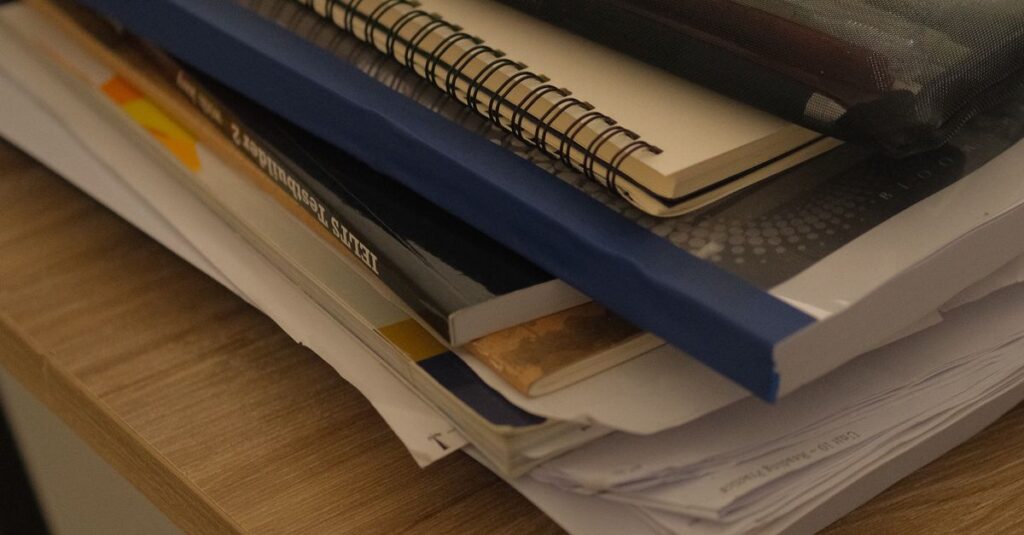
I've seen it happen. A procurement manager from a college called me once — he'd ordered 5,000 notebooks from someone else. They arrived with covers misaligned and binding that cracked open on day one. He was stuck. That's the kind of headache you don't forget.
So when you start looking for book printers and binders, it's not just about who can print cheap. It's about who can actually deliver what they promise. And honestly, that's harder to find than most people think.
What to Look for in a Book Printer and Binder — The Non-Obvious Stuff
Most buyers check price, turnaround time, and maybe sample quality. That's a start. But I've seen companies that look perfect on paper fall apart when the order is real. Here's what actually matters:
Production Capacity
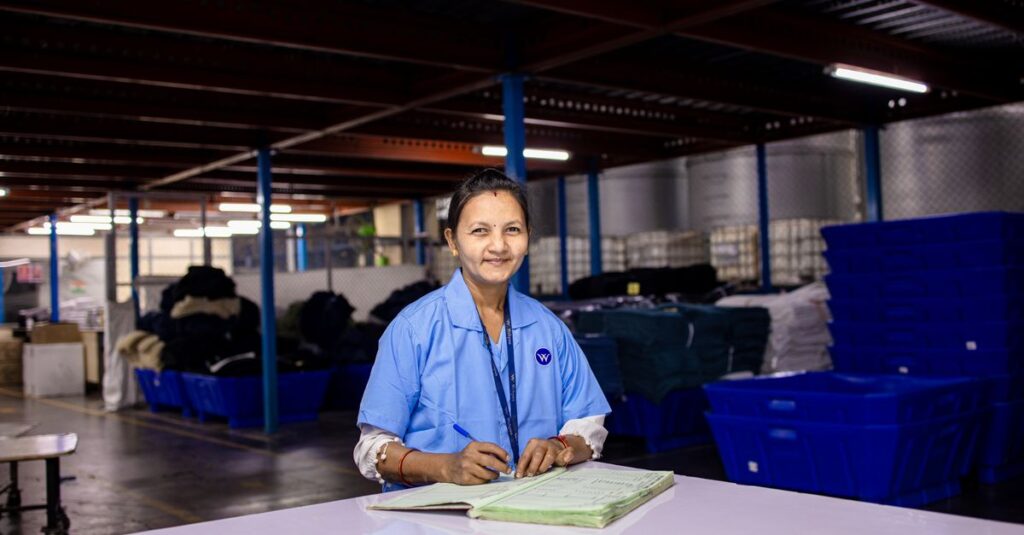
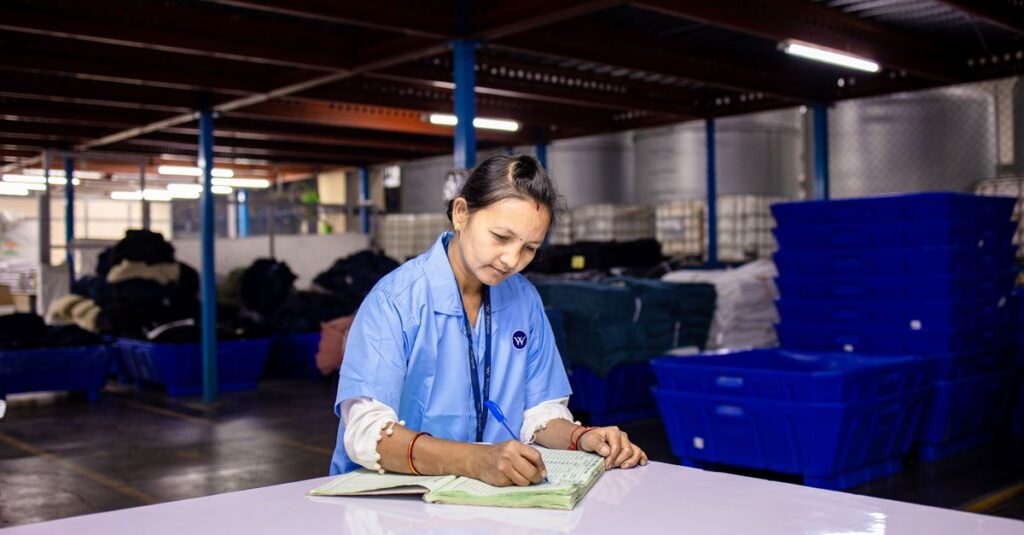
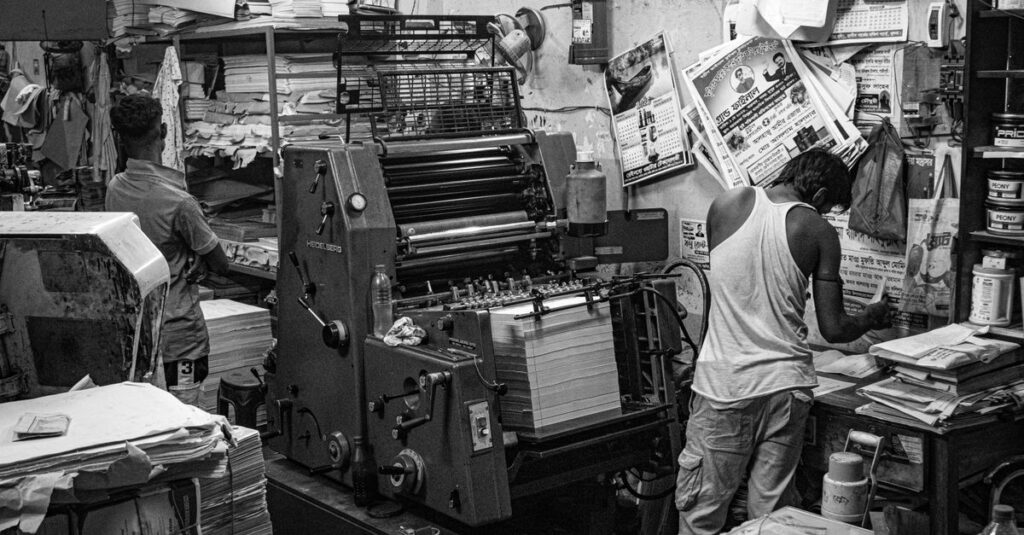
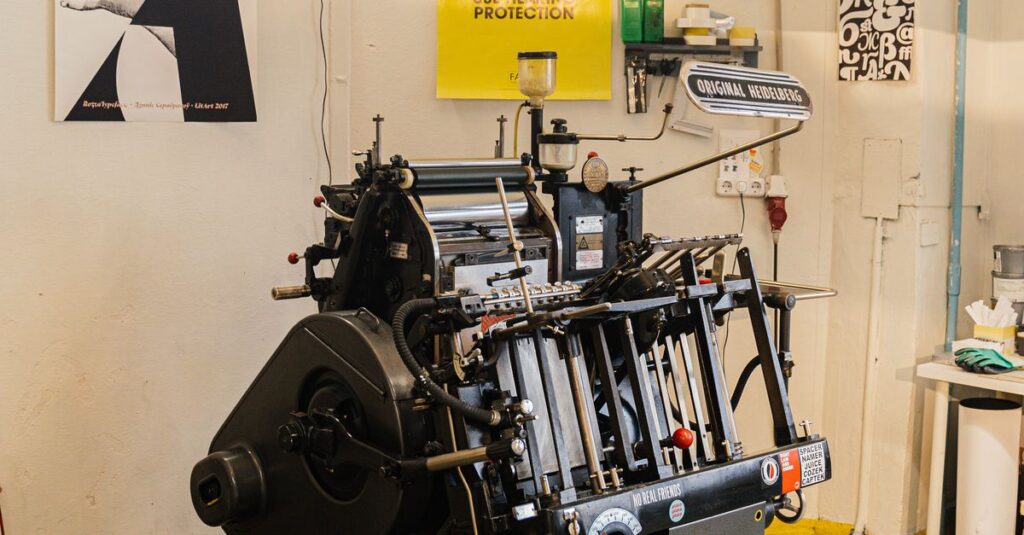
If you need 30,000 notebooks in a month, your printer needs to have the machines and the floor space. Not just one offset press — but a binding line that can keep up. At Sri Rama Notebooks we run about 30,000–40,000 units a day. That's a real number, not a guess. Ask your potential partner for their daily output. If they hesitate, move on.
Binding Quality That Lasts
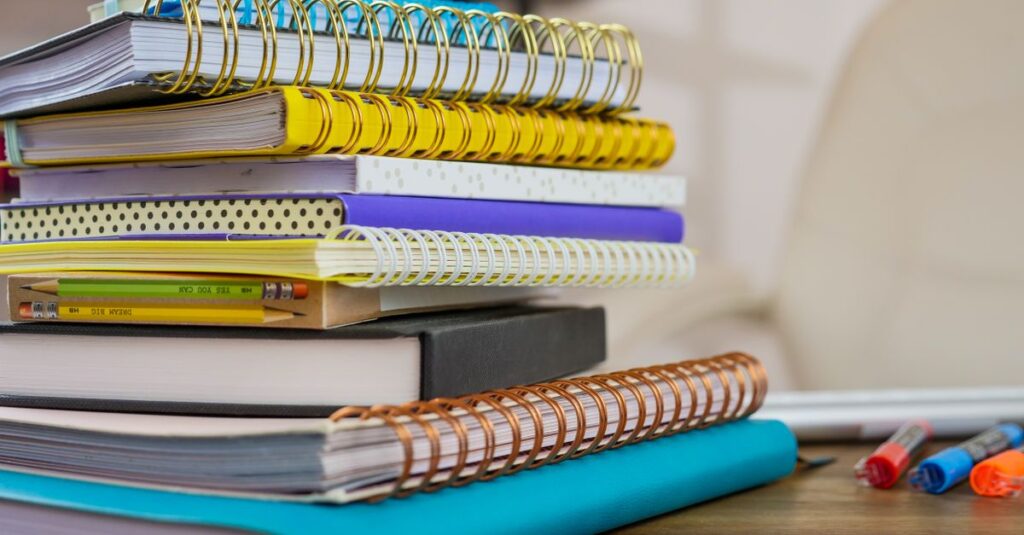
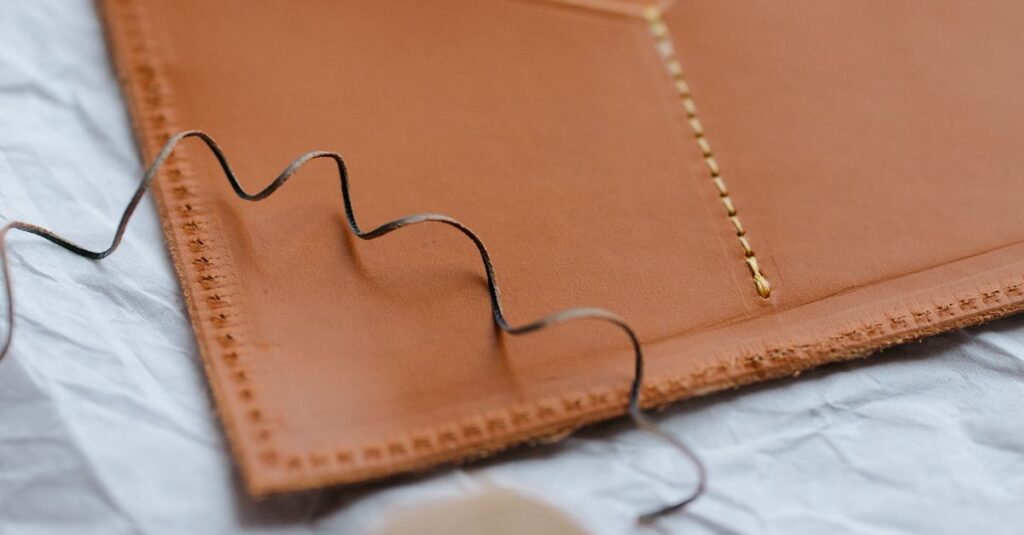
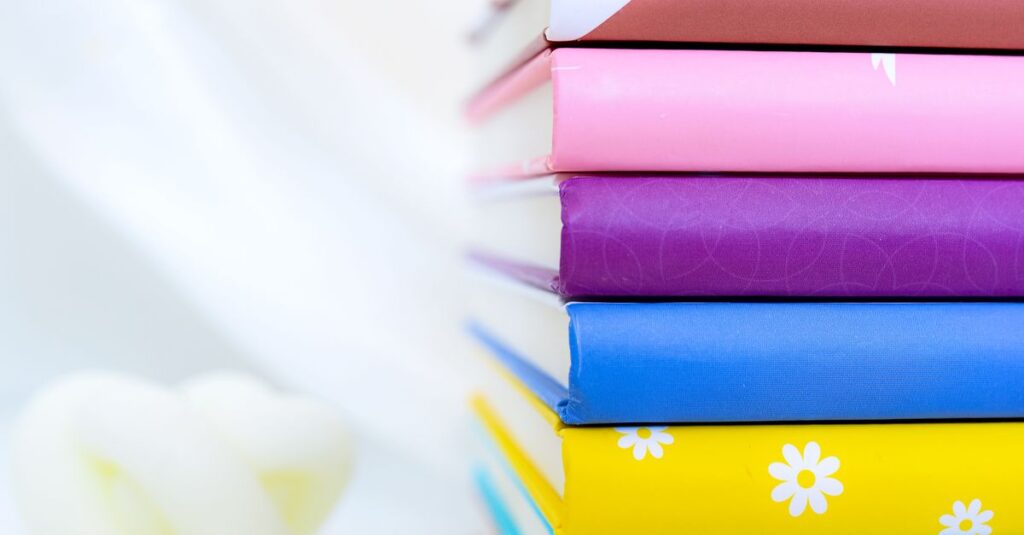
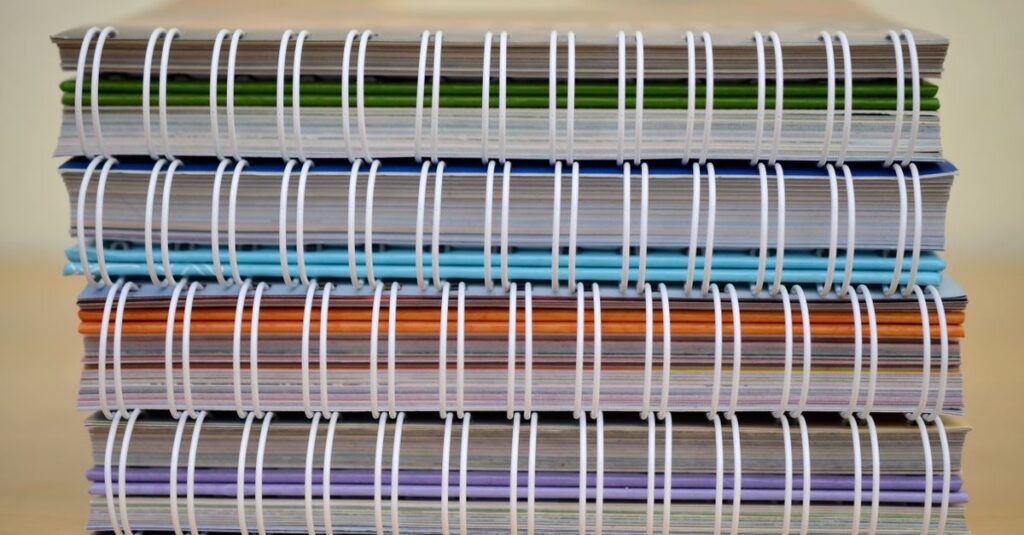
There are three main ways books get bound around here: stitched, spiral, and perfect binding. Perfect binding looks clean but can weaken if the glue is cheap. Stitched binding — that old-school thread — it holds up even when a student shoves the notebook into a bag with a water bottle. Spiral is great for diaries that need to lay flat.
I think the biggest mistake buyers make is assuming all binding is the same. It's not. And the difference shows after a month of use.
| Binding Type | Durability | Best For | Cost |
|---|---|---|---|
| Stitched | High — pages stay intact even with heavy use | School notebooks, account books | Moderate |
| Spiral | Medium — coils can bend if mishandled | Diaries, notepads, lay-flat books | Higher due to labor |
| Perfect | Medium — spine can crack if cheap glue | Corporate diaries, softcover books | Lower cost |
Anyway. The point is — don't just ask “Can you bind?” Ask “How do you bind? And can I see a sample after 100 page turns?”
The Real Cost of Cheap Book Printing
I remember a conversation I had with a distributor from Hyderabad last year. He'd gone with a printer who quoted 20% lower than everyone else. The first batch looked okay. By the third batch, the paper was thinner, the covers were off-register, and the binding was glue-only — no stitching. He ended up returning half the order and losing a client.
Expert Insight
I was reading a trade report a while back — something about the cost of reprints and returns in the stationery industry. The numbers were ugly. Something like 12–15% of bulk orders get rejected due to poor quality. That's a lot of wasted money and trust. I think the real cost of cheap printing isn't the money you save upfront — it's the headache you pay for later. And the reputation damage that follows.
So when you compare book printers and binders, look for someone who will tell you honestly: “This paper grade won't hold up for a year” or “That binding method might not work for your use case.” You want a partner, not a yes-man.
How We Handle Bulk Orders — A Real Story
Let me tell you about Ravi, a procurement officer at a chain of 12 schools in Vijayawada. He's 42, has been ordering notebooks for 7 years, and he's picky. Last August, he needed 20,000 custom notebooks with the school logo, inside covers printed with rules and timetables, and stitched binding. Deadline: 25 days.
He called three companies. One said they could do it but didn't mention their machine was down. Another quoted a price that felt too good to be true — it was. Then he reached us. We showed him samples, explained we'd use 54 GSM paper (not the thin 48 GSM he was quoted elsewhere), and we delivered on day 22. He's been ordering from us ever since.
That's not a sales pitch. It's just what happens when you work with people who actually know what they're doing.
Customization Options Most Book Printers and Binders Overlook
If you're ordering notebooks or diaries in bulk, you probably want something that doesn't look like a generic store-bought thing. That means:
- Logo printing — foil stamping, embossing, or screen print. Each gives a different feel.
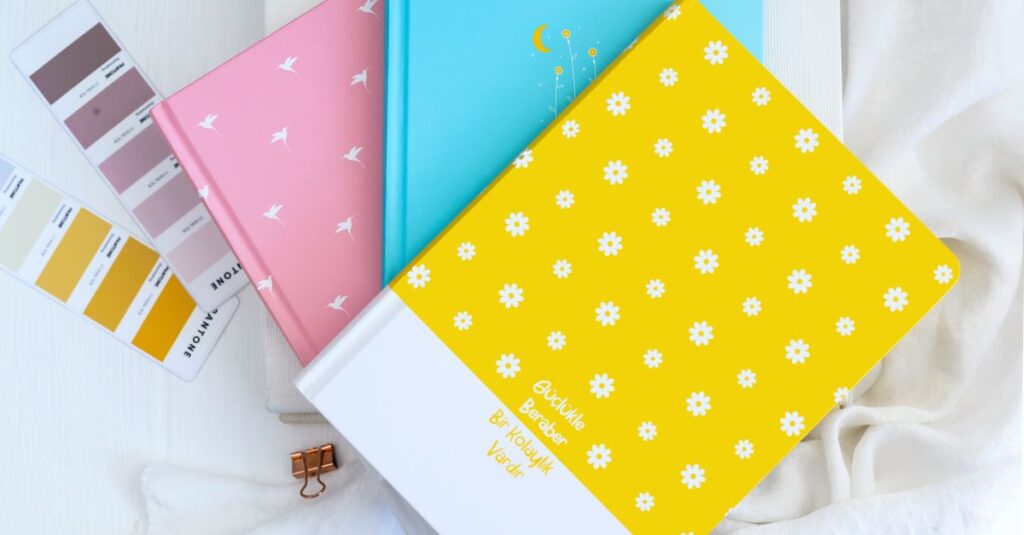
- Custom cover design — not just changing the color, but full artwork. We do that in-house.
- Inside page customization — special ruling for math, graphs, or diaries with dates.
- Private label — your brand on the cover, no mention of us.
- Packaging — shrink wrap, boxes with your logo, or loose pack. Depends on your need.
What most people don't realize is that not every printer has the setup for all these options. Some just print and bind — that's it. If you need something unique, you need a partner who can handle the whole process. Our printing services page lists what we do, but honestly, if you have something in mind, just ask. We've done a lot of strange requests over the years.
Frequently Asked Questions
Frequently Asked Questions
What is the difference between book printers and book binders?
Book printers handle the printing of pages and covers. Book binders assemble and bind the printed sheets into finished books. Many companies do both, like us — but it's worth confirming they have in-house binding to avoid delays.
How long does it take to print and bind 10,000 notebooks?
Typically 2–4 weeks depending on complexity and current workload. At our factory, we can complete 10,000 stitched notebooks in about 10 working days if the design is finalized and paper is in stock. Always ask for a confirmed timeline.
Which binding is best for school notebooks?
Stitched binding is the safest for school use. It doesn't fall apart when pages are torn out or when the notebook is stuffed in a bag. Spiral is good for home use but can get crushed. Perfect binding is fine for light use but not for rough handling.
Can I get my company logo printed on the cover?
Yes. Most book printers and binders offer logo printing options like foil stamping, embossing, or offset printing. We do all of these. Make sure to provide a vector file (AI or EPS) for the best result. Minimum order for custom printing is usually 500 pieces.
Do you export notebooks to other countries?
Yes, we export to Gulf countries, Africa, USA, UK, Europe, and Australia. We handle all shipping and documentation. If you're an international buyer, contact us for a quote with freight included.
Conclusion
Look, finding the right book printers and binders isn't complicated — but it requires asking the right questions. Check their production capacity. Look at real samples. Don't just compare price; compare what you're actually getting. And if something feels off, trust that feeling. I don't think there's one perfect formula for everyone. But if you've read this far, you probably already know what matters most to you. Get in touch with Sri Rama Notebooks and let's talk about your next order.