Look, I know why you’re searching this.
You’re not looking for a single pretty journal. You’re managing a budget, coordinating a team, or trying to figure out how to order 5000 notebooks for a new school year. The search term ‘customized notebooks’ is just the polite, professional version of a deeper question: How the hell do I get this done right, on time, and without wasting money? I’ve worked with procurement managers and distributors for decades. That question is real. And the answer isn’t on a slick marketing page. It’s in the factory.
That’s the angle nobody talks about. The gap between the beautiful mock-up and the pallet that arrives at your loading dock. This isn’t about artisanal craft; it’s about industrial production where quality, cost, and consistency collide. If this sounds like your problem, you should probably see how a real factory handles it.
What Are Customized Notebooks, Really? (Beyond the Logo)
Let’s get this straight. For a corporate buyer, it’s putting your company logo on the cover. For a school principal, it’s printing the school emblem and motto on every book. For a distributor, it’s creating a private label product with your brand name. That’s the surface.
The real definition of a customized notebook is this: a manufactured stationery product where every decision – size, paper, ruling, binding, cover, pages – is a conscious choice you make, not one that’s pre-made for you. It’s a tool you design. The logo is just the final stamp on a whole series of technical specs that most people don’t even know they can control. Think about it this way: you’re not buying a product off a shelf. You’re commissioning a production run.
Three things happen when you move from ‘off-the-shelf’ to ‘customized’:
- Control: You decide the exact GSM of the paper. Do you want thick, premium-feeling 80 GSM, or a cost-effective, smooth-writing 54 GSM?
- Function: You specify the ruling. Single-ruled for reports? Double-ruled for accounting? Unruled for designers? It’s your call.
- Identity: Your brand’s look and feel, from the cover material to the print finish, becomes part of the product itself.
Anyway. Where was I. Right. Most people think customization starts and ends with a logo. That’s like thinking a car is just the paint job.
The How-To: The Anatomy of a Custom Notebook Order
Okay, let’s say you’ve decided to go for it. You need 2000 custom diaries for your corporate clients. What do you actually need to tell the manufacturer? Here’s the checklist – the one I wish every new buyer had.
- Core Specifications: This is the blueprint. Size (King, Long, A4?). Page count (92 pages? 240?). Paper quality (the GSM number). Ruling type (SR, DR, UR). This isn’t creative; it’s engineering.
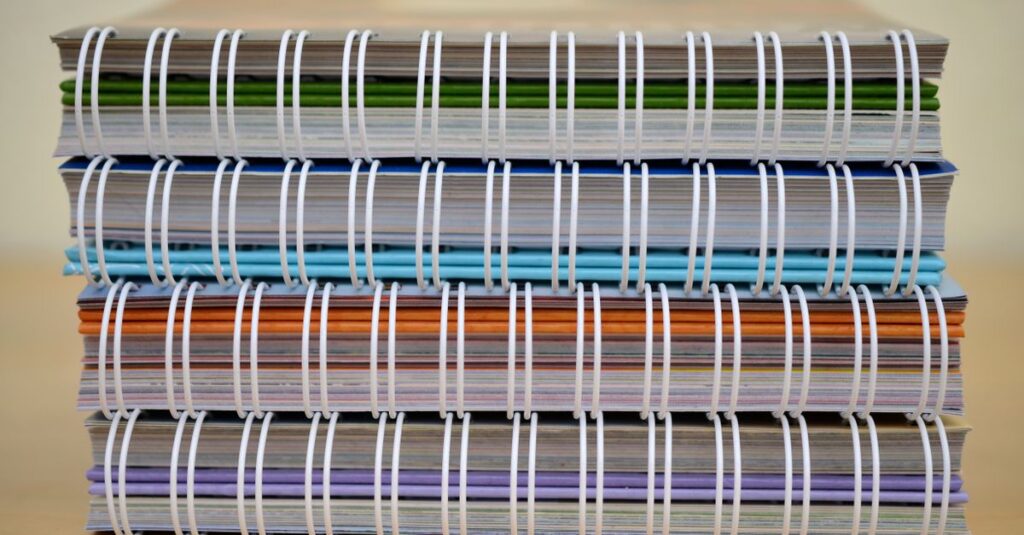
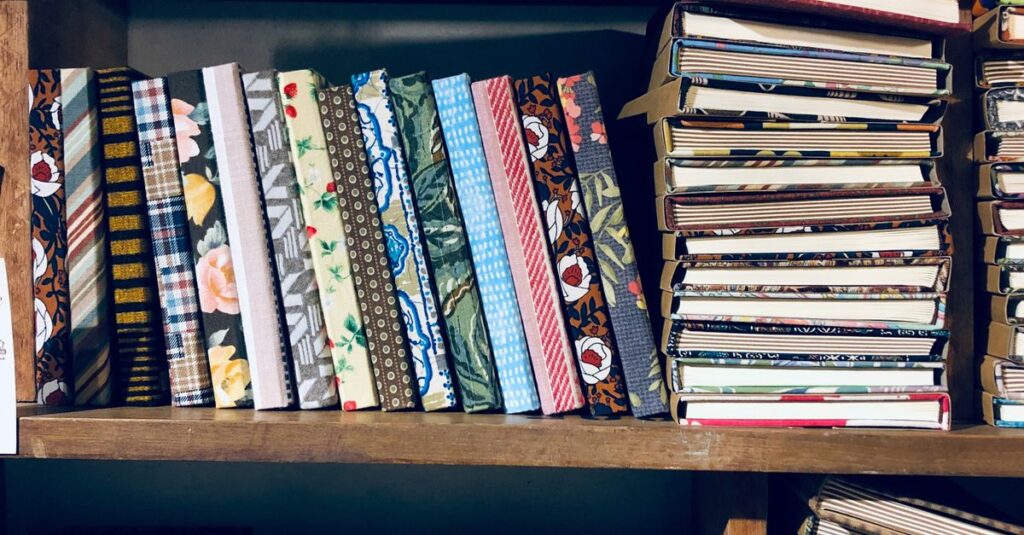
- Binding Type: This is where durability meets use-case. Stitched binding is classic and lies flat. Spiral binding is versatile and allows a full 360-degree fold. Perfect binding gives that clean, book-like spine. Each has a different machine, a different cost, a different feel.
- Cover Design: Artwork files. Print technique (offset for large runs, digital for small). Lamination? Matte or gloss finish? This is where your graphic designer talks to their prepress technician. A misstep here means reprinting thousands of covers.
- Packaging & Logistics: How are they packed? 10 per box? 50? Shrink-wrapped? Are you picking them up from Rajahmundry, or do they need to be palletized and shipped to Delhi or Dubai? This gets expensive, fast, if it’s an afterthought.
The silence on this last point is deafening in some quotes. You’ll get a price per notebook and then a shipping bill that makes you gasp. Ask about packaging upfront. Always.
A Real-Life Moment
I was talking to a procurement manager from a university in Hyderabad last month – over coffee, actually. She was stressed. Their usual supplier had messed up the ruling on 10,000 graph books. Single-ruled instead of cross-ruled. Entire batch useless. The mistake? A one-word typo on the purchase order: ‘SR’ instead of ‘CR’. The factory just followed the spec. It was a Tuesday, I think. Maybe Wednesday. Her point was this: you have to know your own specs better than they do. You’re the architect.
Custom vs. Standard: When Does Customization Actually Pay Off?
Let’s be direct. Customization costs more. There’s setup, plate-making, dedicated production time. So when is it worth it? Here’s a blunt comparison.
| Aspect | Standard (Stock) Notebooks | Customized Notebooks |
|---|---|---|
| Cost Per Unit | Lowest possible. Economies of scale from massive, generic runs. | Higher. Includes setup fees, custom material sourcing, lower volume. |
| Lead Time | Short. Often ready for immediate dispatch from warehouse. | Longer. Includes design approval, proofing, and dedicated production scheduling. |
| Brand Impact | Zero. It’s a commodity. | High. Becomes a tangible brand touchpoint and marketing tool. |
| Functionality Fit | Limited. You adapt your needs to what’s available. | Exact. You design the tool for the specific task. |
| Minimum Order Quantity (MOQ) | Flexible, can be low for common items. | Higher. Factories need a minimum run to justify setup costs. Typically 500-1000 units. |
| Best For | Internal use, backup stock, general distribution where brand isn’t key. | Corporate gifting, school identity programs, branded merchandise, private label retail. |
The question isn’t which is better. It’s which solves your actual problem. If you need 50,000 basic exercise books for a tender, standard is the only sane choice. If you’re launching a new premium service and want clients to remember you, custom is the only choice.
The Factory Floor View: What Good Manufacturers Actually Do
Most buyers never see this. I think it’s the most important part. You’re not just buying a product; you’re buying a manufacturer’s process. Their ability to handle your unique combination of specs without drama.
A good manufacturer for customized notebooks does three things invisibly well:
- Prepress Proofing: They send you a physical proof, not just a PDF. They make sure the colors on your logo match your Pantone guide on the actual paper you chose. This step prevents disasters.
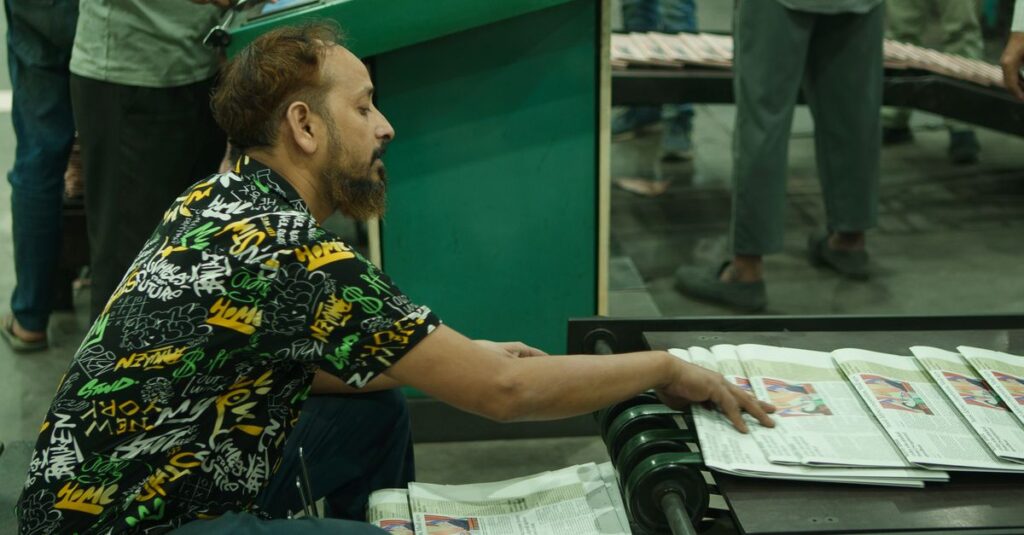
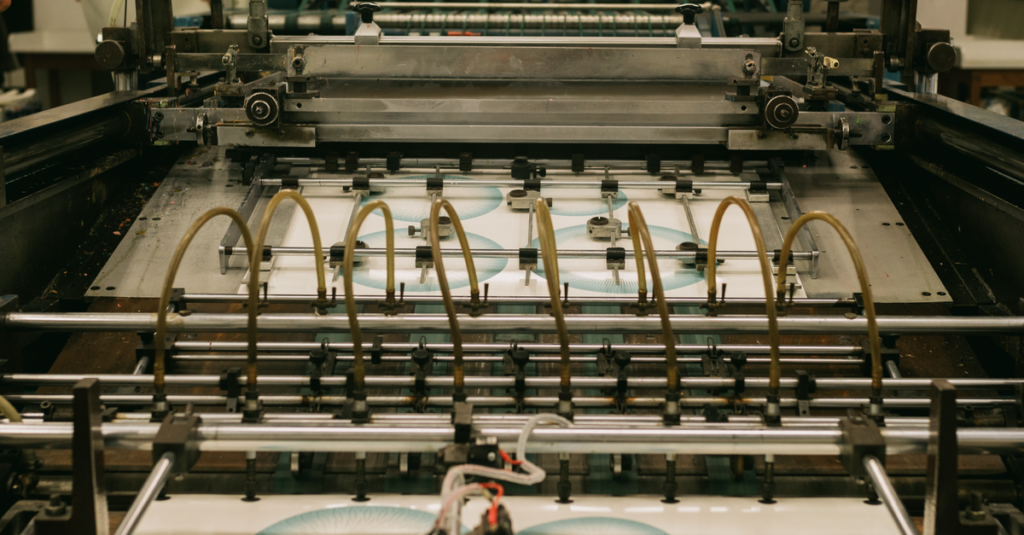
- Line Management: They schedule your run efficiently. Maybe your cover is printed on the offset press in the morning, then moves to the perfect binding line in the afternoon. Smooth flow means fewer errors and on-time delivery.
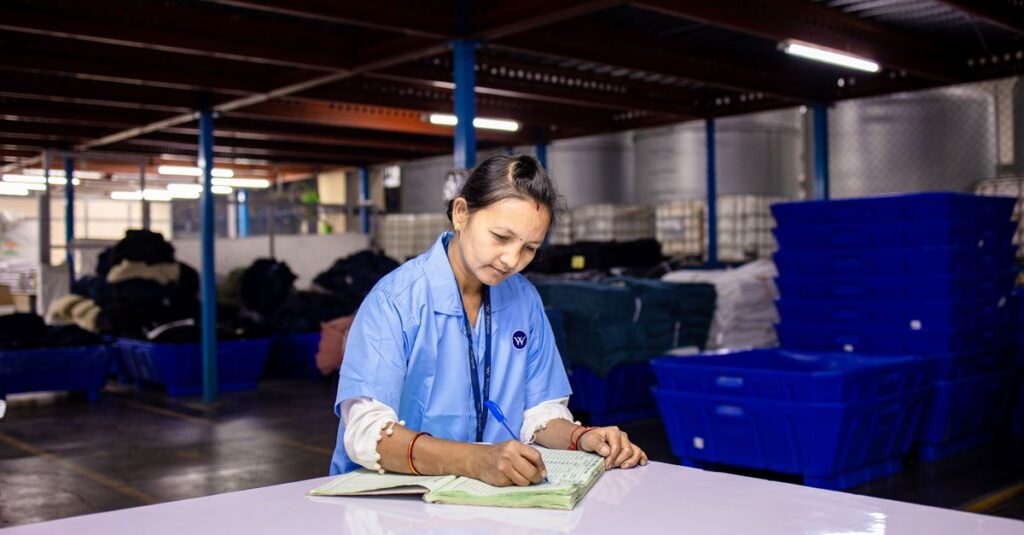
- Quality Checkpoints: There should be checks after printing, after binding, after packing. Random notebooks pulled and inspected. I’ve seen factories where the packers are the only QC – that’s how errors ship.
Expert Insight
I was reading an industry report last year and one line stuck with me. It said the most common point of failure in custom orders isn’t machinery breaking down. It’s communication breakdown between the buyer’s non-technical request and the factory’s technical interpretation. The researcher said something like – the more specific a buyer is, the less room there is for the factory to make helpful assumptions. I don’t have a cleaner way to put it than that. You need to speak spec.
Here’s the thing — it’s not about finding the cheapest manufacturer. It’s about finding the one whose process you can trust when you’re not standing there. Because you won’t be.
Your Checklist Before You Place That Bulk Order
Right. Let’s get practical. Before you sign a purchase order for customized notebooks, run through this. It’s saved a few people I know from a world of pain.
- Get a physical dummy or proof. Always. Feel the paper. Check the color.
- Confirm the exact paper GSM and source. ‘Good quality paper’ is meaningless. ’54 GSM writing paper from XYZ mill’ is a spec.
- Ask about the binding thread or wire gauge. For spiral binding, a thicker wire lasts longer. It costs a bit more. Worth it.
- Clarify packaging and palletization costs in the quote. No hidden freight surprises.
- Understand the payment terms and production schedule. 50% upfront is standard. What’s the milestone for the rest?
This feels tedious. It is. But this tedium is what separates a successful bulk order from a warehouse full of mistakes. Most people don’t realize is that the factory wants you to be specific. It makes their job easier.
And honestly? If you’ve read this far, you’re probably not looking for a stationery shop. You’re looking for a production partner. That’s a different kind of relationship.
Frequently Asked Questions
What is the minimum order quantity (MOQ) for customized notebooks?
It varies by manufacturer and complexity, but typically starts around 500 to 1000 notebooks. The MOQ exists because setting up the printing plates, binding line, and packing for a custom run has fixed costs. For very simple one-color logo stamps, it might be lower. For full-color cover designs, expect the higher end.
How long does it take to produce a bulk order of custom notebooks?
From final approved artwork to ready-to-ship, plan for 4 to二十个8 weeks for a standard bulk order. This includes prepress proofing (1-2 weeks), production scheduling, the actual print and bind run, and quality checks. Rush orders are sometimes possible but cost significantly more and require factory capacity.
Can you customize the inside pages of the notebook, not just the cover?
Absolutely. This is a key advantage. You can customize the header/footer on every page with a company name, logo, or disclaimer. You can choose the ruling (single, double, grid, unruled), and even add custom-printed sections like calendars, contact pages, or specific forms. The inside is often where the real utility is.
What’s the difference between offset and digital printing for notebook covers?
Offset printing is for large quantities (think thousands). It uses metal plates, has higher setup cost, but a lower per-unit cost at scale, and offers brilliant color fidelity. Digital printing is for shorter runs or highly variable data (like individual names). Setup is faster/cheaper, but per-unit cost is higher. For most bulk custom notebook orders, offset is the standard.
Do you handle export and shipping for international orders?
Yes, experienced manufacturers in this space, like us, routinely handle exports. We manage the documentation (commercial invoice, packing list), palletization, and delivery to the port of exit (FOB). We can work with your nominated freight forwarder or recommend one. Key export markets include the Gulf, Africa, USA, and Europe.
So, What’s Next?
I don’t think there’s one perfect answer for every customized notebook project. Probably there isn’t. But if you take away two things, let them be these: First, customization is about controlling specs, not just aesthetics. Second, your choice of manufacturer is a choice of process, not just price.
The real work starts when you open a blank spec sheet and start filling it in. That’s where you move from looking for a product to building one. If you’re at that point, and you want to talk to a factory that’s been doing this since 1985, it’s worth starting a conversation. Just come with your list.