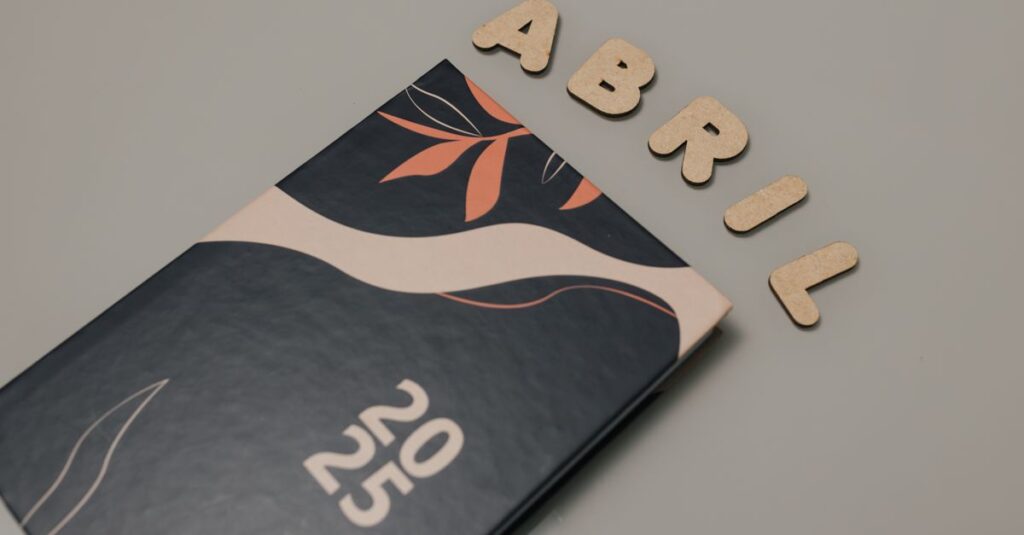
You know what’s funny? Every year, especially around January, I see people get stuck on this. They’re buying diaries for their office, ordering journals for a school project, and half the time they’re using the same word for both. “Diary writing journal.” It’s a phrase that’s thrown around like it’s one thing. But if you’re ordering in bulk, for a corporate gift or a school program, you need to know what you’re actually asking for. It’s not just semantics — it’s about getting the right product for the right job. And honestly? Most companies don’t even think about it until they’ve got 500 units printed wrong. So let’s talk about it. If you’re sourcing for your business or institution, this might be worth a look.
So, What’s the Actual Difference?
Right. This is where I think the confusion starts. Most people assume a diary is for dates, a journal is for thoughts. That’s not wrong, but from where we sit — making thousands of these things every day — the difference is physical. It’s in the binding, the paper, the layout. A diary, in the commercial sense, is built for structure. It has pre-printed dates. It’s often chronological, bound to be used day-by-day. A journal is more of a blank canvas. It’s a notebook meant for free-form writing, sketching, logging. The intent changes the product. When you’re ordering 2000 units for corporate New Year gifts, you don’t want journals. You want dated diaries that look professional on a desk. When a school wants students to practice daily writing, they might want journals with blank pages. Getting this wrong means wasted money and a product nobody uses. Which is… a lot of waste.
Expert Insight
I was talking to a procurement manager from a bank in Hyderabad last month — over a call, actually — and he said something that stuck with me. He told me they’d previously ordered “jeveryday journals” for staff, but the feedback was that nobody wrote in them. They were too plain, too intimidating. “Give people a date at the top of the page,” he said, “and it feels like an invitation. A blank page feels like a test.” I don’t have a cleaner way to put it than that. The structure of a diary prompts action. The openness of a journal prompts… hesitation, sometimes.
The Real-Life Choice: A Micro-Story
Meet Anjali, 28, a training coordinator at a tech firm in Bangalore. Her job is to organize onboarding for new hires. Last quarter, she had to choose a “writing kit” for a mindfulness program. She searched “diary writing journal” online, got confused by the mixed listings, and ended up ordering 120 A5 notebooks with cute covers. They arrived. They were unruled, no dates. The facilitator called her after the first session. “The participants are asking for some guidance on the page,” he said. “They don’t know where to start.” Anjali had to scramble and print date stickers herself. It was a Tuesday, I think. Maybe Wednesday. She told me later, “I just didn’t know the product specs mattered that much.” They do.
What to Look for When You’re Buying in Bulk
Here’s the thing — if you’re a corporate buyer or a school administrator looking at bulk orders, you need to go beyond the keyword. You need to look at the product. Here’s a quick list of what actually matters:
- Date Printing: Is it a calendar diary with pre-printed dates for the year? Or a journal with just page numbers?
- Page Layout: Are the pages ruled (for writing), unruled (for sketching), or have a specific format like time logs or goal tracks?
- Binding Strength: Will it be used daily for a year? Opt for sturdy stitched binding. Is it for a short-term project? Spiral might work.
- Paper Quality: Diary entries are often quick, done with ball pens. Journaling might involve fountain pens or markers. The GSM of the paper needs to match.
- Customization Depth: Can you add your company logo, a custom cover design, or even a branded intro page? This turns a generic product into a purposeful tool.
Look, I’ll be direct. Most suppliers will just sell you what you ask for. If you ask for a “journal,” they’ll send a notebook. If you need a functional, dated diary, you have to specify. The difference isn’t just in the name; it’s in the details on the page.
Diary vs Journal: A Quick Comparison Table
This might help clear things up when you’re talking to your team or your supplier. It’s based on what we see ordered, day in and day out.
| Feature | Corporate / Daily Diary | Writing / Reflection Journal |
|---|---|---|
| Primary Use | Daily scheduling, appointment logging, task tracking. | Free writing, creative notes, personal reflection, sketching. |
| Page Layout | Pre-printed dates, sometimes with time slots or goal sections. | Blank, ruled, or unruled pages. No pre-printed structure. |
| Binding Preference | Often stitched or perfect binding for durability across a year. | Spiral or stitched, depends on usage intensity. |
| Customization Focus | Logo on cover, company colors, embossed year. | Custom cover art, thematic designs, inspirational quotes inside. |
| Typical Order Context | Corporate New Year gifts, office stationery, executive planners. | School projects, wellness program kits, creative workshop materials. |
| Paper Weight (GSM) | Standard 54-60 GSM, suited for ballpoint pen daily use. | Can vary; thicker 70-80 GSM if used for art or heavy ink. |
See? It’s not interchangeable. Your need dictates the product specs. And if you need something that straddles both — like a dated journal for guided reflection — that’s a custom job. That’s where manufacturers like us come in.
Why This Matters for Schools & Corporates
Think about it this way. You’re spending a budget on a tool. You want that tool to be used. A diary with dates gets opened every day because the date is staring at you. A blank journal can sit on a shelf, pristine and intimidating. For corporate gifting, a diary is an implied promise of organization. For a school, a journal with the right prompts (maybe a weekly structure) can guide student writing better than a completely blank book. The physical object sets the behavior. And most procurement decisions miss this link entirely. They think about cost-per-unit, delivery time, cover quality. They forget to think about user engagement. Which is the whole point of buying it. Anyway. Where was I.
The Manufacturing Angle
From our side of the factory floor, these are two different production lines. A diary run means setting up the date printing plates, aligning them for 365 pages, ensuring the calendar is accurate. A journal run is more flexible — we can switch rulings, add custom sections, play with page layouts. The volume you order changes the economics, too. Diary printing is more standardized, so bulk discounts are sharper. Journal customization can be more bespoke, so the price per unit might be higher but the impact per unit is also higher. It’s a trade-off. And honestly? Most people don’t ask. They just send an email with the keyword “diary writing journal” and hope we figure it out. We do, but it helps if you know what you want.
So, What Should You Do Next?
If you’re reading this, you’re probably tasked with ordering these things. Three takeaways. First, define the use case clearly for your team or students. Is it for daily logging or free expression? Second, look beyond the cover image. Ask your supplier about page layout, date printing, ruling. Third, consider customization — it’s not just a logo; it’s about designing the inside to guide the usage. I don’t think there’s one perfect answer here. Probably there isn’t. But if you’ve read this far, you already know the difference matters — you’re just figuring out how to specify it. And that’s the real step. We can help with that.
Frequently Asked Questions
Can a diary be used as a journal?
Yes, absolutely. But the pre-printed dates might influence how you write. Some people love the structure, others find it limiting. For bulk orders, think about the user’s likely behavior. If you want guided writing, a diary works. For total freedom, a plain journal is better.
What is better for corporate gifting: diaries or journals?
Almost always diaries. They look more professional on a desk, imply organization, and have a clear yearly utility. A journal can feel too personal or vague as a corporate gift. Customized company diaries are a staple for good reason.
What paper quality is best for diary writing?
For daily diary writing with ballpoint pens, standard 54-60 GSM paper is perfect. It’s smooth, doesn’t bleed, and is cost-effective for bulk production. If you expect fountain pen use or heavy marking, go for 70+ GSM.
How much does custom printing add to the cost?
It depends on the complexity. Adding a logo to a standard diary cover is minimal. Custom internal layouts, special rulings, or unique date formats cost more. For bulk orders (1000+ units), the per-unit add-on is often very reasonable.
What’s the minimum order quantity for custom diaries?
Most manufacturers, including us, have MOQs around 500 units for custom jobs. This allows for efficient plate setting and printing runs. For simpler logo-printed diaries, it can sometimes be lower.