Here’s the thing about “digital notepads”
You’ve probably seen the ads. Sleek tablets, fancy pens that feel like writing on air, apps that promise to organize your chaos forever. And look — I get it. The idea is seductive. One device to hold every thought, every meeting note, every sketch. No more stacks of half-used notebooks cluttering the office. It sounds like progress.
But here’s what nobody talks about in those ads: the battery dies. The sync fails. The latest update changes everything. And you’re left staring at a blank, glowing screen with a thought you can’t afford to lose. I’ve been in this game for a long time, talking to procurement managers and school principals, and that frustration is real. It’s a specific kind of modern panic.
So what is a digital notepad, really? It’s a tool. A very good one for certain things. But it’s also a promise that often forgets how humans actually work. We still manufacture tens of thousands of paper notebooks every day for a reason. If you’re trying to decide what’s best for your school, office, or bulk order, this is worth a look.
The shiny promise vs. the daily grind
On paper — forgive the pun — digital notepads are brilliant. They combine writing, typing, drawing, and cloud storage. You can search your handwritten notes. You can share a page with a team across the globe in seconds. No more lost notebooks. For a corporate manager ordering diaries for an entire sales team, the idea of digitizing everything is a dream.
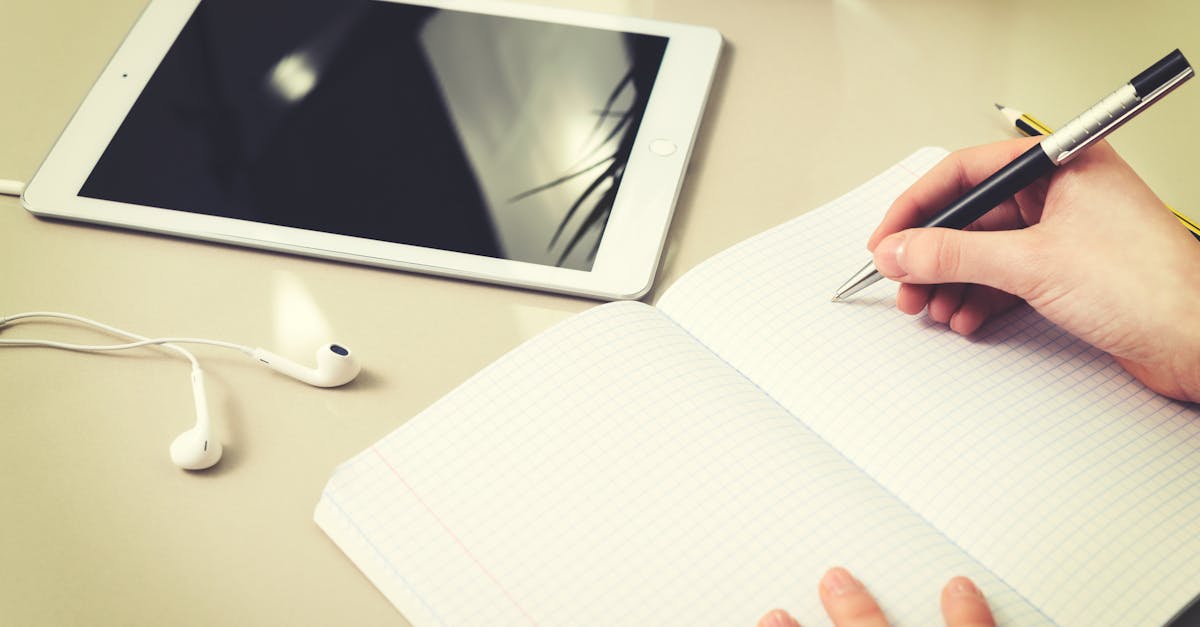
But the daily reality is messier. Think about the last training session you ran. The presenter is talking fast. Someone sketches a process flow on a whiteboard. You’re trying to capture it all. With paper, you just… write. You draw an arrow. You scribble in the margin. It’s immediate. There’s no “app not responding” message. No waiting for a stylus to connect via Bluetooth.
I was talking to a college admin last week — over chai, actually — and she said something that stuck with me. They tried tablets for note-taking in one department. The feedback? “The students spent more time troubleshooting the tech than listening to the lecture.” They switched back to standard notebooks the next semester.
That’s the disconnect. The promise is infinite possibility. The grind is friction. And in a busy institution, friction loses every time.
When digital makes perfect sense (and when it doesn’t)
Look, I’m not a luddite. There are places where a digital tool is the only tool for the job. Let’s be honest about them.
Digital notepads are fantastic for:
- Collaboration that isn’t in the same room: Need to mark up a document with a team in three different cities? Digital wins.
- Archiving and searching vast amounts of notes: Legal pads from 2003 are in a storage box. Digital notes from 2003 are a keyword search away.
- Iterative design work: Layers, undos, copying elements — for designers, it’s a no-brainer.
Paper notebooks, on the other hand, own these moments:
- Brainstorming and raw ideation: There’s a cognitive link between hand, pen, and brain that screens haven’t cracked. The messy, free-flowing thought.
- Learning and retention: Study after study — don’t quote me on the exact percentages — shows we remember things better when we write them down physically.
- Reliability in the field: A field agent, a warehouse supervisor, an engineer on a site visit. Their notebook works in rain, dust, with dirty hands, with no power outlet for miles.
- Official records and minutes: There’s a permanence and formality to a bound, signed account book that a PDF can’t replicate.
The choice isn’t one or the other. It’s about matching the tool to the actual task. Not the marketed fantasy.
Expert Insight
I was reading an interview with a cognitive scientist a while back. The line that stuck was about “cognitive offloading.” Digital tools are amazing at storing information outside your brain. But the act of physically writing seems to help plant it inside your brain first. It’s the difference between filing a document and understanding it. We make notebooks. I should want you to buy more of them. But the real thing I want is for people to stop wasting money on tools that don’t fit the job. Even if that tool is sometimes ours.
A real-world comparison: procurement side-by-side
Let’s get practical. You’re a procurement manager for a mid-sized company. You need to outfit 200 employees with something to write on. Here’s the cold, hard comparison that never shows up in a tech spec sheet.
| Consideration | Bulk Paper Notebooks | Digital Notepads/Tablets |
|---|---|---|
| Upfront Cost per Unit | Low. A custom-printed 200-page notebook might cost a fraction of a cup of coffee. | Very High. A decent tablet with a good stylus is a major capital expense. |
| Long-Term Cost | Predictable. You re-order when stock is low. No surprises. | Unpredictable. Software subscriptions, replacement pens, broken screens, device refreshes every 2-3 years. |
| Deployment & Training | None. You hand it out. People know how to use it. | Significant. IT setup, account provisioning, training sessions on the app. |
| Durability & Lifespan | Good. A well-bound notebook lasts years. Survives drops. Gets better with wear. | Fragile. Glass screens, battery degradation, planned obsolescence are real risks. |
| Customization & Branding | High. Your logo, colors, and internal content printed right on the cover and pages. A constant brand reminder. | Low. Maybe a branded case. The user interface is dominated by Apple, Samsung, or Microsoft. |
| Focus & Distraction | High. It’s a tool for one thing: capturing thought. No notifications. | Low. The same device holds email, Slack, games, and news. The meeting note is one tap away from a distraction. |
See? It’s not about good vs. bad. It’s about fit. For widespread, reliable, low-friction distribution, paper isn’t old-fashioned. It’s ruthlessly efficient. For specific, tech-reliant collaborative roles, digital might be worth the investment and headache.
The human factor they can’t engineer (yet)
We’ve made notebooks since 1985. You see patterns. One I keep thinking about is the emotional weight of a physical object. A digital notepad holds a thousand files. A single, battered notebook from a project holds a story. You can see the coffee stain from the late-night breakthrough. The page corners are bent at the critical decisions.
There’s a client of ours, a stationery distributor in Hyderabad. He told me about a school order once. They wanted basic exercise books. We delivered them. Simple. A year later, he visited the school. He saw a kid’s notebook from that batch. Covered in doodles, notes, stickers. The cover was almost falling off. The kid was protecting it. Not because of the content inside a cloud folder, but because the object itself had become a record of her year.
Tech tries to simulate this with “digital covers” and “pen sounds.” It misses the point. The point is the artifact. The thing. The commitment made when you put pen to a page you can’t Command+Z away. It forces a different kind of thinking. A more deliberate one.
And honestly? In a world of infinite undo buttons, maybe we need a bit more deliberate thinking.
So, what should you actually buy?
If you’ve read this far, you’re probably trying to make a smart purchase decision. Not jump on a trend. Here’s my blunt advice, after four decades in physical stationery.
Buy digital notepads for a specific purpose, for specific people. Equip your design team, your remote coordinators. Budget for the tech support and the replacements.
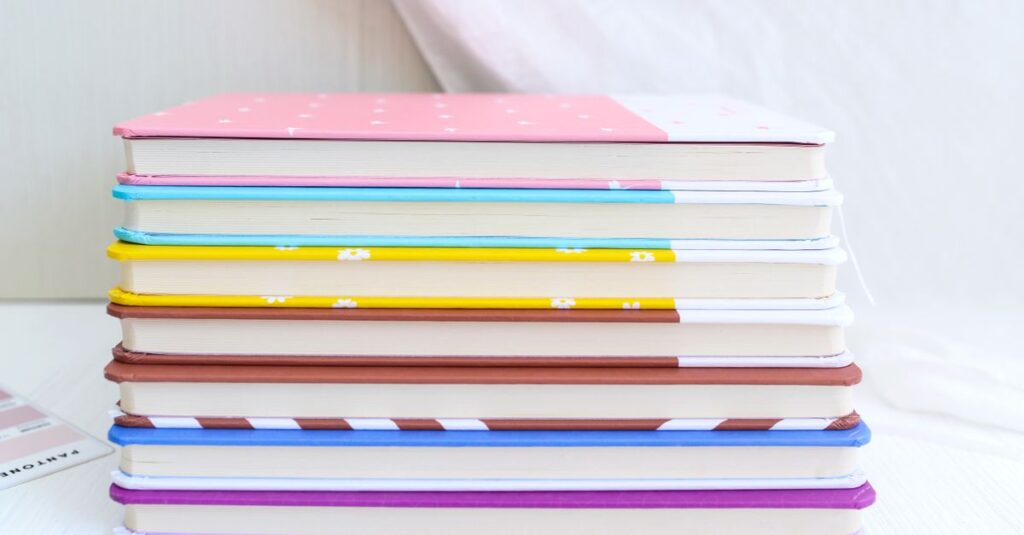
Buy paper notebooks for the foundation. For everyone. For training, for meetings, for journals, for field notes. The cost is negligible, the reliability is 100%, and the cognitive benefits are real. They are a utility, like electricity. You just need them to work. And if you want that utility to also build your brand, that’s where custom printing comes in.
The worst thing you can do is force a one-size-fits-all tech solution on an organization because it sounds futuristic. The second worst thing is to ignore digital tools where they genuinely add magic. The smartest thing is a hybrid approach. Paper for the bedrock. Digital for the specialized tasks.
Anyway. That’s my two cents. The question isn’t “paper or digital?”. It’s “what problem are we actually solving?” Start there. The answer gets much clearer.
Frequently Asked Questions
Can a digital notepad completely replace paper notebooks for a business?
Probably not completely, no. For core, reliable, distraction-free note-taking and tasks requiring high retention, paper is still superior for most people. Digital is great for search, sharing, and storage, but introduces cost, complexity, and points of failure. A hybrid model is often the most practical and cost-effective.
Are there any notebook manufacturers that also make digital products?
Some major stationery brands have experimented with smart notebooks where you write on paper and it digitizes via a special pen and pad. But traditional manufacturers like us specialize in the physical product — the paper, binding, and custom printing. Our expertise is in producing durable, high-volume physical notebooks, not electronics.
What’s the main advantage of ordering custom paper notebooks in bulk?
Three things: cost, branding, and consistency. The per-unit cost plummets. You get your logo, colors, and even internal content (like company values or safety protocols) printed directly onto every book, turning a utility into a brand ambassador. And everyone gets the same, reliable tool, with no IT tickets.
Is writing by hand really better for memory than typing on a digital notepad?
The research I’ve seen suggests yes, it is. The physical act of forming letters engages more of the brain than pressing keys. It’s slower, which forces you to process and summarize information rather than just transcribing it verbatim. This leads to better understanding and recall. The digital notepad’s strength is access, not necessarily absorption.
As a wholesaler, should I be worried about digital notepads killing the notebook market?
In my experience? No. Not in the foreseeable future. Demand for physical notebooks, especially in education, corporate gifting, and specific industrial sectors, remains massive and steady. Digital is an additional channel, not a replacement. The key for wholesalers is to focus on value — quality paper, durable binding, and offering customization that digital can’t match.
Wrapping this up
Digital notepads are tools. Powerful, clever, and sometimes exactly right. But they’re also part of a sales narrative that often overlooks cost, complexity, and human nature. Paper notebooks are also tools. Simple, ancient, and sometimes exactly right. They haven’t survived this long by accident.
The takeaway? Don’t get sold a future. Buy a solution. Sometimes that’s a tablet. Very often, it’s a stack of well-made, custom-printed paper. And knowing the difference is the first step to making a decision that actually works for your team, your school, or your budget.
I don’t think there’s one perfect answer here. Probably there isn’t. But if you’re weighing a bulk order and want something that just works, every time, for everyone — you already know which direction leans that way. You’re just figuring out if it’s okay to choose the simpler, proven path.
If you want to explore what custom, bulk paper notebooks look like for your organization, we should talk.