Right. Let’s talk about digital printing.
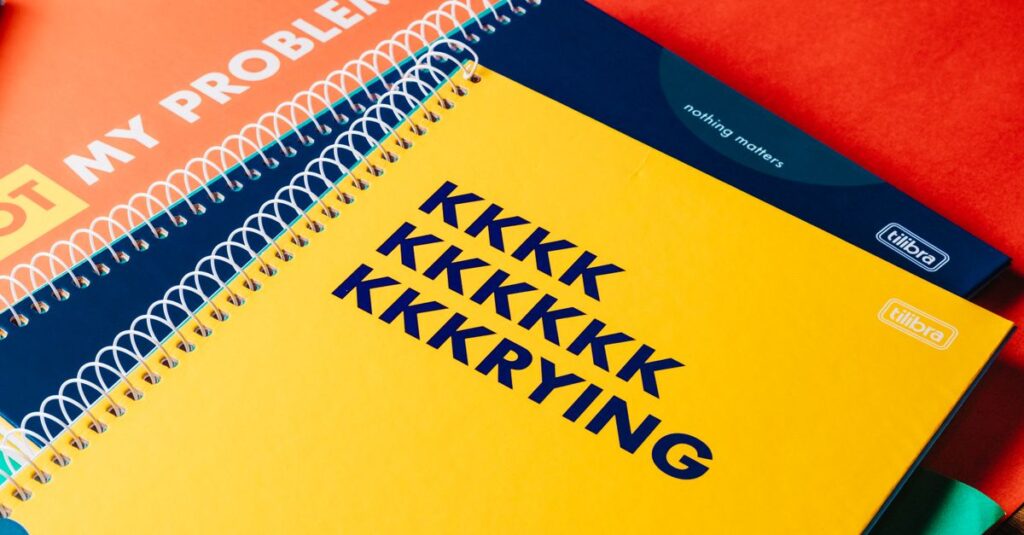
You’re here because someone, somewhere, mentioned a digital printing machine. Maybe it was in a quote for your school notebooks. Or the corporate diaries your company wants branded. And now you’re thinking — what is this thing? Is it just a fancy printer? And the real question: do I even need it?
I’ve sat across from dozens of procurement managers, school administrators, and stationery distributors. I see the exact moment their eyes glaze over when suppliers start throwing technical jargon around. It’s not that they don’t care about quality. They do. They just need to know if the money makes sense. If this shiny new technology is actually going to get them the notebooks they need, on time, without the headache.
So, let’s skip the sales pitch. I’ll explain what a digital printing machine is, how it actually works in a notebook factory like ours, and when it’s probably a waste of your time and budget. If you’re looking at bulk custom notebooks, this might be worth a look before you decide.
Okay, so what IS a digital printing machine?
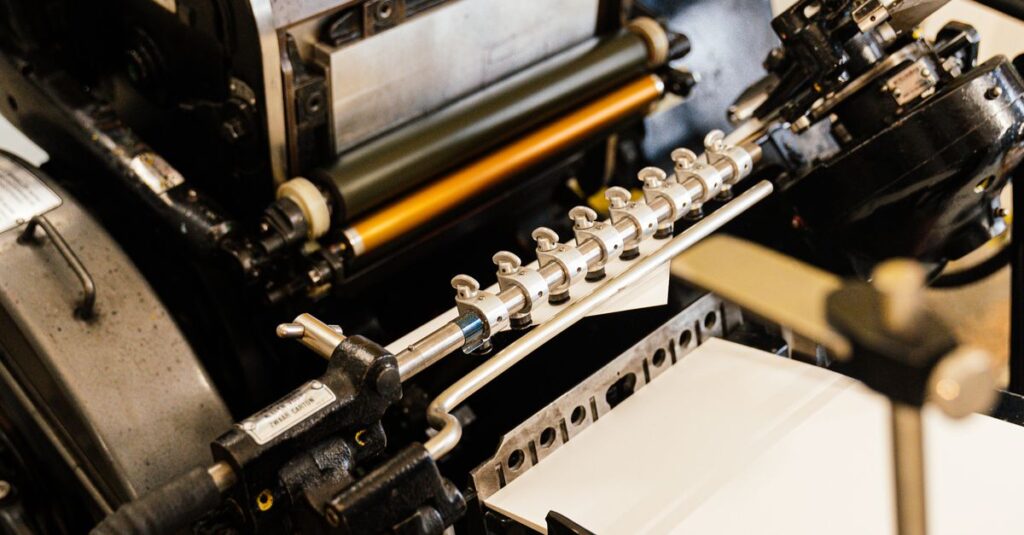
Most people picture a giant office printer. They’re not entirely wrong, but they’re not right either. Think of it this way: a traditional printing press, like offset printing, needs physical plates to be made for every single design and color. It’s like carving a stamp. A digital printing machine skips that whole step. It takes a digital file — your PDF, your logo, your design — and prints it directly onto the paper. No plates. No carving.
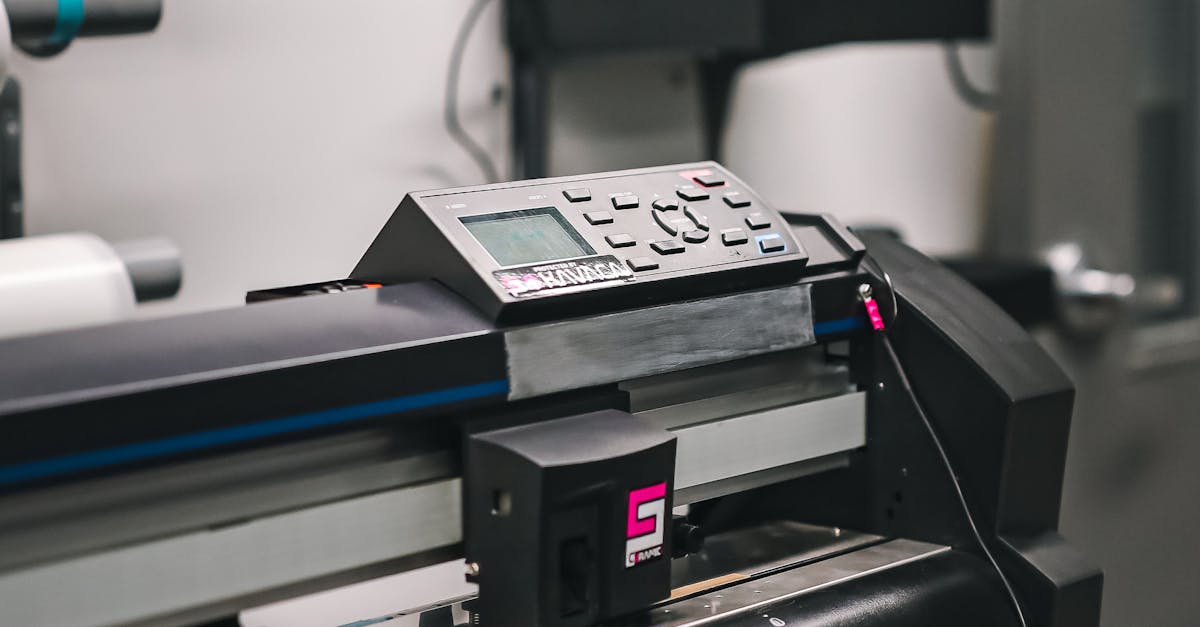
The machine is essentially a high-speed, industrial-grade printer. But it’s built for volume and precision that your office machine could never handle. It uses toner or liquid ink, applied electrostatically and then fused to the paper with heat. The result is sharp, consistent color, page after page.
Here’s the thing — it’s not about being “better” than offset printing. It’s about being different. It solves a specific set of problems. The main one? Flexibility.
How it Actually Works in a Notebook Factory
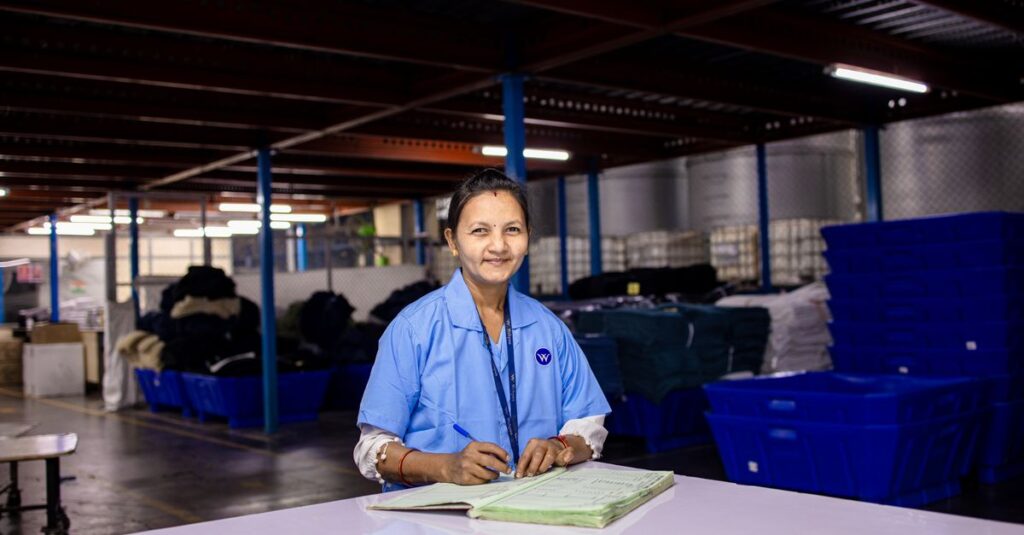
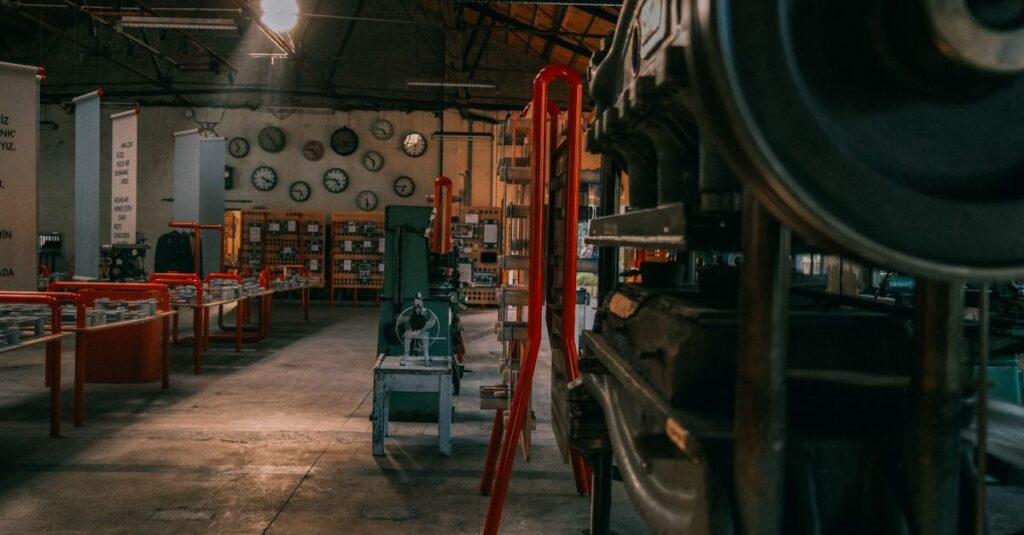
I’ll give you a picture from our floor in Rajahmundry. We have a section for our digital machines. The operator loads a giant roll of paper — that smooth 54 GSM writing paper we use for most standard notebooks. The design file is queued up on the computer. With a few clicks, the machine starts. It’s a low hum, not the heavy clunk of an offset press.
The paper feeds through, gets charged, the toner sticks to the charged areas, and then it’s baked on. It gets cut into sheets, ready for binding. The whole process from “we need a change” to printing can be minutes. Not days.
That’s the real magic. No waiting for plates. No huge setup cost for a new design. You want to print 50 notebooks with one school’s logo and 50 with another’s? You can do it in the same run. One after the other. The machine doesn’t care.
When a Digital Printing Machine Makes Sense (And When It Doesn’t)
This is where most people get tripped up. They hear “digital” and think “modern, therefore best.” Not always. Let’s break it down.
You probably DO need digital printing if:
- You’re ordering lower quantities. Say, under 5,000 copies of a specific design.
- Every notebook needs to be unique. Think personalized diaries for a sales team, or different class names on school notebooks.
- You need it fast. Like, really fast. The setup is almost zero.
- You’re still finalizing the design. You can make changes right up until you hit print.
You probably DON’T need it if:
- You’re ordering 50,000+ identical notebooks. For massive bulk, offset printing will almost always be cheaper per unit.
- You need special inks or finishes. Certain metallic colors or specific Pantone shades are still better on offset.
- You’re printing on very unusual paper. Some textured or coated papers don’t play nice with the digital fusing process.
The break-even point is different for every job. I was talking to a college admin from Vizag last month — over chai, actually — and he was adamant about digital for their annual department notebooks. Each department had a different color scheme. The quantity for each was only about 800. For him, digital was the only answer. The cost of making 12 different offset plates would have killed the project.
But then a large distributor from Hyderabad wanted 200,000 identical A4 account books. Same cover, same everything. For that, offset was the clear, cost-effective winner.
Digital vs. Offset Printing: The Real-World Comparison
Don’t just take my word for it. Here’s how they stack up side-by-side for notebook manufacturing.
| Factor | Digital Printing Machine | Offset Printing Press |
|---|---|---|
| Best For Quantity | Short to medium runs (1 – 10,000 units) | Long, massive runs (10,000+ units) |
| Setup Time & Cost | Minimal. Almost zero. Load the file and go. | High. Requires plate creation and press calibration. |
| Cost Per Unit | Constant. Same cost for notebook #1 and #1,000. | Decreases sharply with volume. Very cheap at high quantities. |
| Customization | Extreme. Every page can be different (variable data printing). | None. Every copy in a run is identical. |
| Turnaround Time | Very fast. Can start production immediately. | Slower initial start, then very fast production. |
| Color Consistency | Excellent and automated. Perfect for full-color photos/logos. | Superb, but requires expert skill to match specific Pantone colors. |
| Paper Flexibility | Good, but has limits with heavy coatings or textures. | Excellent. Can print on almost any paper stock. |
Look, the table makes it obvious: there’s no universal winner. It’s a tool, not a religion. You pick the tool for the job. Trying to use digital for a million identical notebooks is burning money. Trying to use offset for 500 personalized notebooks is impossible.
The Hidden Things Nobody Tells You (The Expert Insight)
Expert Insight
I was reading an industry report last quarter — one of those dry, technical ones — and one line stuck with me. It said the biggest advantage of digital printing isn’t speed or cost for small runs. It’s reduced risk.
Think about it. With offset, you commit. You make the plates. You set the press. You’ve sunk a significant cost before you even see the first proper copy. If there’s a mistake in the file, or the client changes their mind? You eat that cost. The pressure is immense.
With digital, you can print a single proof copy that’s literally from the production machine. Not a simulation. The actual thing. You can hold it, show it to the committee, get it signed off. Then you run the full order. The financial risk of a mistake or a change drops to almost zero. For a corporate procurement manager signing off on a big branded order, that’s not just convenient. It’s career-protecting. I don’t have a cleaner way to put it than that.
A Real Story: How This Plays Out
Let me tell you about Priya. She’s 38, the operations manager for a chain of coaching institutes across Tamil Nadu. They needed workbooks for five different subjects, for four different age groups. Twenty variations. Initial estimate for each book was 2,000 copies.
Her first quote was from a supplier who only did offset. The quote had a huge line item for “plate charges” — twenty sets of plates. It blew the budget. She almost canceled the project. Then she called us. We ran the numbers for digital. No plate charges. One setup fee for the file prep, then just the per-book cost. The total came in 30% under her original budget. She got her twenty different workbooks, on time. The bindery team at our unit in Mangalavaripeta still remembers that order because of the sheer variety of covers coming through.
She didn’t care about the technology. She cared about the solution.
So, do you really need one?
Not “one” as in you need to buy the machine. Unless you’re starting a printing factory, you definitely don’t. The question is: do you need a supplier who has one?
If your notebook needs are simple, massive, and identical — maybe not. A good, traditional offset printer might serve you perfectly. But if your world looks anything like Priya’s — multiple designs, moderate quantities, a need for agility — then yes. You need a partner who has this technology in their toolkit.
It’s become non-negotiable for serious custom stationery work. The ability to say “yes” to complex, small-batch orders is what separates a commodity supplier from a solutions partner. We made the investment years ago not because it was trendy, but because our clients’ problems were getting more specific. More personalized. And we needed to keep up. Seeing the range of work it allows us to do has been the best justification.
I think the real shift is in expectation. Buyers, especially corporate and institutional ones, now expect customization as a default. Digital printing is the engine that makes that expectation financially sane for manufacturers to meet.
Frequently Asked Questions
Is digital printing quality good enough for official corporate diaries?
Absolutely. Modern industrial digital printing machines produce sharp, vibrant, and professional results. For full-color logos and photographs on diary covers, it’s often superior because color consistency is automated. The quality is more than sufficient for any corporate branding need.
What’s the minimum quantity for digital printing of notebooks?
That’s the beauty of it — there is no effective minimum. You can literally print one notebook. Practically speaking, it becomes cost-competitive for runs starting from about 50-100 copies, making it perfect for pilot programs, samples, or highly specialized orders.
Can you print hardcover notebooks with a digital printing machine?
The printing machine handles the paper. So yes, the inner pages and the cover paper are printed digitally. That printed cover paper is then mounted onto hardcover board in the binding stage. So you get a fully customized hardcover notebook.
How long does it take to get a sample with digital printing?
Much faster. Since there’s no plate making, we can often produce a physical sample from the actual production machine within 24-48 hours of final file approval. It lets you see the exact final product before the full run starts.
Is digital printing more expensive than offset?
It depends entirely on quantity. For small batches, digital is far cheaper because you avoid plate costs. For large batches, offset becomes cheaper per unit. We always run the numbers both ways for our clients to find the most cost-effective method for their specific order size.
Wrapping this up
A digital printing machine is just a tool. A very clever, very flexible tool that changed the game for custom notebook manufacturing. It turned customization from a luxury for huge orders into a practical option for almost anyone.
The takeaway isn’t that you must use digital printing. It’s that you now have a choice. You can order 500 unique notebooks without going bankrupt. You can test a new design with a small batch. You can stop forcing every department into the same template.
I don’t think there’s one answer here. Probably there isn’t. But if you’ve read this far, you already know if your current notebook needs are bumping up against the limits of traditional methods. The real question is whether you’re working with a supplier who can give you that choice. If not, maybe it’s time for a different conversation.