The Glossy, Leathery Feeling. You’ve Seen It.
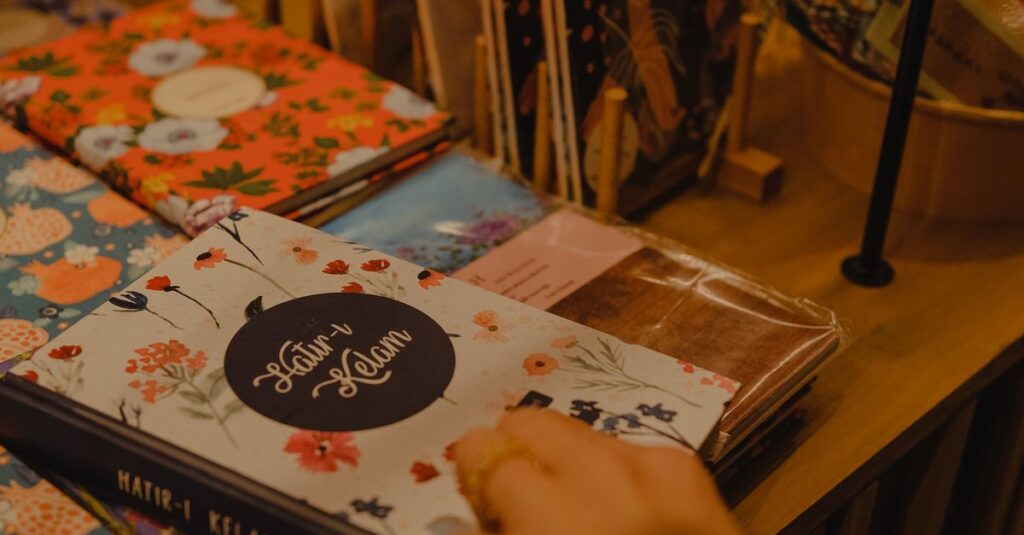
You pull that corporate diary out of the packaging. It has that weight. That soft, matte finish. Maybe a subtle texture. It feels… premium. Expensive. Important. And nine times out of ten, that’s not leather. It’s a fabric journal cover.
If you’re ordering notebooks or diaries for your company — hundreds of them, thousands — you’re probably looking at that finish and thinking, “Is this worth it?” Because it’s not just about looks. It’s about budget, durability, branding, and that first impression when a client opens it. Which is… a lot to weigh.
I talk to procurement managers all week. The question isn’t “What’s a fabric cover?” It’s “Should I get one?” Let’s unpack that. If you’re looking at custom covers, this might help.
So, What Is a Fabric Cover Anyway?
Right. The basics.
A fabric journal cover isn’t woven cloth. Don’t picture linen. It’s a specific kind of laminated material — a base layer (often sturdy paperboard or chipboard) coated with a fabric-like finish. Think of it like a very high-quality wallpaper for your notebook. It’s applied, pressed, and finished to give that soft-touch, textured feel.
The real benefit here isn’t magic; it’s perception. A glossy plastic-coated cover feels cheap and flimsy. A fabric cover feels substantial, professional, and a bit more… timeless. It’s the difference between a disposable folder and a book you want to keep on your desk.
But Here’s The Thing Manufacturers Know
The process is more involved. It needs a different press setting, a different finishing line. The material costs more. Which means, obviously, the unit cost is higher. For a bulk order of 5,000 diaries, that extra 15 rupees per cover? It adds up. Fast.
And honestly? For some uses, it’s completely unnecessary. A school notebook for a seventh-grade student? No. An internal office memo pad? Probably not. But a flagship corporate gift diary for top clients? That’s where it starts to make sense.
The question isn’t whether fabric covers are good. It’s whether they’re good for your specific use.
The Real-World Trade-offs: Durability vs. Presentation
Let’s talk about Rajesh. He’s a procurement manager for a mid-sized firm in Hyderabad, ordering 1,500 new year diaries. He wants them to look premium but also survive a year in a sales rep’s bag.
He called us last month asking about fabric covers. I told him the truth: they’re more resistant to scuffs and light scratches than standard glossy covers. That matte finish doesn’t show fingerprints. But they’re not armored. If you’re looking for something that can survive being thrown around in a toolbox, you need a different material entirely — maybe a PVC-coated hardcover.
Fabric covers sit in a middle zone. Better-than-average daily durability, with a much better-than-average look. They’re for the diary that lives on a desk, gets carried in a briefcase, not tossed in a backpack.
A Quick Comparison: Fabric vs. Standard
| Feature | Fabric Cover | Standard Glossy Cover |
|---|---|---|
| Look & Feel | Premium, soft-touch, textured, professional. | Smooth, shiny, can look plastic-like. |
| Durability | Good for desk/briefcase use. Resists scuffs. | Prone to scratches, fingerprints. |
| Cost (Per Unit) | Higher. Adds 15–25% to cover cost. | Lower. Standard manufacturing. |
| Customization | Excellent for embossing, foil stamping. | Good for bright color printing. |
| Water Resistance | Low. Not waterproof. | Low. Not waterproof. |
| Best For | Corporate gifts, client diaries, executive notebooks. | Internal use, school books, bulk economy orders. |
See the gap? It’s not about one being “better.” It’s about matching the cover to the diary’s life.
When Fabric Covers Make Sense (And When They Don’t)
I think about this a lot. Because in our factory, we see orders come in where someone wants the premium cover for a notebook that’s going to get beaten up in a warehouse. It’s a mismatch.
Use case number one: Corporate Branding & Gifting. This is the biggest reason. When you’re giving a diary as a gift — to a client, a partner, at a conference — the first touch matters. A fabric cover signals quality and care. It makes your logo look more established when it’s embossed or foil-stamped on that textured surface.
Use case two: Executive or Manager Diaries. For internal use, but for the leadership team. Something that sits on their desk every day. It’s a small psychological upgrade. It feels like a tool, not just supplies.
And the third, less obvious one: Special Edition or Limited Run Products. If you’re a stationery distributor creating a “premium line” for retailers, a fabric cover is a clear visual upgrade that consumers recognize.
When they DON’T make sense: bulk school orders, internal office supplies where cost is the primary driver, or any situation where the notebook is purely utilitarian and disposable. Don’t spend the extra money where it won’t be felt.
Expert Insight
I was reading an industry report last year — one of those dry manufacturing summaries — and a line stuck with me. It said something like: “In B2B stationery, the cover material is often the first and only tangible signal of brand investment.”
I don’t have a cleaner way to put it than that. For a corporate buyer, choosing a fabric cover isn’t just a material choice. It’s a communication choice. It tells the recipient, “We value this interaction.” That’s a heavy lift for a piece of laminated board. But it works.
The Manufacturing Side: What Actually Changes?
Okay, let’s get practical. If you’re sourcing 10,000 custom diaries, what does switching to a fabric cover mean for production?
First, the base. Instead of standard cover board, we use a denser, smoother grade. It’s costlier, but it gives that solid backbone. Then the lamination. The fabric-finish film is applied under higher heat and pressure. It’s a slower process. It needs more careful handling to avoid wrinkles.
Then the finishing. This is where fabric covers really shine. Embossing your logo into that soft surface? It looks deeper, richer. Hot foil stamping? The metallic foil sits on the texture beautifully. It’s… elegant.
But. It adds time. It adds a quality-check step. It means your order might take a few extra days on the line. For a manufacturer, it’s a more complex job. For you, it’s a higher price point. That’s the trade-off.
If you’re weighing these options for a bulk order, just know the timeline shifts a bit.
The Cost Breakdown (No Sugar-Coating)
Most people don’t realize how the price stacks. It’s not just “fabric cover = +20%”. It’s layered.
Material cost increase: 15–25%. Processing cost increase: 10–15% (because of slower line speed and extra QC). And if you’re adding embossing or foil stamping — which you probably should with a fabric cover — that’s another 5–10%.
So on a large order, the total premium can be 30–50% over a standard glossy cover. That’s real money. For a 5,000-unit order of corporate diaries, that could be the difference between a project getting approved or shelved.
Here’s my blunt take: if your budget is tight and the diaries are for general staff, skip it. If the diaries are a key branding tool for high-value relationships, then that premium is probably worth it. It’s an investment in perception.
Frequently Asked Questions
Are fabric journal covers actually made of fabric?
No, not usually. They’re a laminated finish that feels and looks like fabric — soft, textured, matte. The base is still a sturdy paperboard, but the outer layer gives that premium fabric-like touch.
Do fabric covers last longer than regular covers?
In daily desk or briefcase use, yes. They resist scuffs and scratches better than glossy covers. But they aren’t waterproof or super durable for rough handling. They’re for professional use, not rough environments.
Can I print my logo on a fabric cover?
Absolutely. Printing works well, but embossing or foil stamping often looks even better on the textured surface. It gives your branding a more premium, tactile feel.
How much more expensive are fabric covers for bulk orders?
Depending on order size and finishing, they can add 30–50% to the cover cost per unit. It’s a significant premium, so it’s best used for diaries where presentation is a key priority.
Are fabric covers good for school notebooks?
Probably not. The cost premium isn’t justified for notebooks that will be used heavily and replaced yearly. They’re best for corporate gifts, executive diaries, or premium retail products.
Look, It’s a Choice. Not a Rule.
I don’t think there’s one right answer here. Probably there isn’t.
If you’ve read this far, you’re likely weighing a bulk order and trying to figure out if that upgraded feel is worth the extra cost and production time. My only advice is this: match the cover to the diary’s life. If it’s a gift, a statement, a touchpoint with someone you value — then yes, the fabric cover makes sense. If it’s a functional tool for internal use, maybe not.
The silence has weight. The choice does too. If you want to talk specifics, we’ve been making these calls for 40 years.