The Procurement Panic
You get the email on a Tuesday morning. The big conference is in four weeks. The product launch moved up. The school principal calls — they need branded notebooks for orientation, and it starts in a month. Your job, suddenly, is to find a manufacturer who can print and ship thousands of notebooks yesterday. The stress is real. Your heart beats a little faster. And you type “fast printing for notebooks” into Google.
Right. I know that feeling. I’ve been on the other side of those calls for nearly four decades at Sri Rama Notebooks. And here’s the first thing they don’t tell you: the word “fast” means completely different things to you, to a marketing site, and to the guy actually running the binding machine at 3 AM. This is where things get messy.
What Does “Fast” Actually Mean in Printing?
This is where the rubber meets the road — or more accurately, where the paper meets the rollers. When a corporate buyer or a school administrator says “fast,” they usually mean “I need this yesterday.” In the physical world of manufacturing, “fast” breaks down into a series of brutal, non-negotiable stages.
It’s not just about how quickly a machine can spit out pages. Think about it this way: you need design approval, paper sourcing, prepress setup, actual printing, drying, binding, quality checks, and shipping. Skip or rush any one, and you’re looking at 10,000 notebooks with the logo off-center, or worse, binding that falls apart in a student’s backpack.
The real bottleneck is rarely the printing press. Nine times out of ten, it’s everything that happens before and after. The approval loops. Waiting for the correct paper GSM to arrive by truck. Letting the ink dry properly so it doesn’t smudge. This is the part nobody says out loud: true speed isn’t just about running machines faster. It’s about having a process so tight and experienced that you can predict and compress every single one of those stages without blinking.
Expert Insight
I was talking to our production manager, Ravi, last week. He’s been with us since ’92. Over chai, he said something that stuck with me. “People think speed is a button you press,” he said, tapping the table. “It’s not. It’s a thousand small decisions you made correctly years ago. Which paper supplier delivers on time, every time. Which adhesive sets fast but holds forever. Which shipping partner won’t leave your pallets sitting in a warehouse.” I don’t have a cleaner way to put it than that. Fast printing is built on slow, careful trust.
The Common Mistakes (And How to Avoid Them)
Look, I’ll be direct. Most of the “urgent” delays I see are self-inflicted. Buyers, understandably frazzled, make choices that seem to save time but actually add weeks. Let’s walk through the big ones.
First: vague specs. You send a JPEG logo and say “put it on a notebook.” That’s like handing a chef a picture of a carrot and saying “make dinner.” We need dimensions, exact Pantone colors, placement coordinates. Getting this wrong means proofs go back and forth, and days vanish. Be painfully specific from minute one.
Second: choosing custom everything during a crunch. You want a unique size, a special ruling, a custom cover material, AND fast turnaround? Pick two. Honestly. Standard sizes (like our King Size or Long Notebook) and common rulings (Single or Double Ruled) are sitting in the system, ready to go. Deviate, and you’re waiting for new cutting dies or specialty paper rolls to be ordered.
Third — and this is the big one — not understanding the real calendar. A “4-week” deadline doesn’t mean 20 working days of production. It means you have maybe 15 days once you factor in final approvals, transit to the port, and customs if you’re exporting. Plan backwards from the day the notebooks need to be in someone’s hands, not from the day you send the PO.
A Real-Life Snapshot
Let me tell you about Anjali. She’s 38, a procurement manager for a tech firm in Hyderabad. Last quarter, she needed 5,000 custom diaries for a global sales kickoff. Her deadline was insane. She called five places. Four promised the moon. One guy — from our team — asked her about paper weight first. “Do you really need 90 GSM, or will our standard 54 GSM writing paper feel good enough? It’ll shave a week off.” He asked about the ruling. About the binding. He pushed back, gently. She was annoyed at first. Then she realized he was finding the shortcuts that didn’t hurt quality. She got her diaries. With three days to spare. She told me later the stress was the quiet kind — the kind that sits in your shoulders and doesn’t leave until the truck pulls away.
Fast Printing vs. Reliable Printing: The Trade-Offs
This is the uncomfortable center of it all. You can have it fast, good, or cheap. In the real world of bulk notebooks, you only ever get to prioritize two.
| Factor | “Fast & Cheap” Approach | “Fast & Reliable” Approach |
|---|---|---|
| Paper Sourcing | Uses whatever is available locally, even if GSM varies. | Draws from pre-vetted, consistent stock held for urgent jobs. |
| Proofing Process | Skips physical proofs, approves digital mockups only. | Insists on one rapid physical proof to catch color/alignment issues. |
| Binding Method | May use quicker-drying but weaker adhesive. | Uses proven stitch or spiral binding, even if it takes longer to set. |
| Quality Check | Spot checks a few notebooks from the top of the pile. | Samples from beginning, middle, and end of the production run. |
| Shipping | Books the cheapest, soonest courier without tracking. | Uses a trusted partner with real-time tracking, even at a premium. |
The table makes it obvious. The “Fast & Reliable” path isn’t a secret. It’s just a series of small, intentional decisions that cost a bit more time or money upfront to prevent catastrophic failure later. Which one would you want for 10,000 notebooks with your company’s name on them?
If you’re staring down an impossible deadline, understanding these printing service trade-offs is the only way to make a sane choice.
How to Actually Get Your Notebooks Faster
Okay, practical advice. This is what I tell people who call with that tight-throat sound in their voice.
- Start with a Complete Template: Have your design 100% finalized. Dimensions, colors, fonts embedded. A clean print-ready PDF is worth a week of back-and-forth emails.
- Ask About Stock Items: Seriously. Ask if they have any standard notebook shells (covers, paper, ruling) that can be custom printed over. This can cut lead time in half.
- Be Flexible on One Thing: Can you live with spiral binding instead of perfect binding? Or a 92-page count instead of 100? Giving one concession gives the manufacturer room to breathe and maneuver.
- Communicate in Real-Time: Use WhatsApp. Answer questions the minute they come in. Delay your reply by a day, and you just added a day to your delivery.
- Plan for the Next One Now: Once this fire drill is over, sit with the supplier. Ask what would have made it easier. Then, for your next bulk order, build that into the plan from day one.
Speed is a partnership. It’s not something you buy from a brochure.
The Real Timeline of a “Fast” Order
Let’s get brutally specific. When someone with a solid process says “4-week turnaround,” here’s where those 20 working days actually go. This is based on, you know, reality.
Days 1-2: Final art confirmation and prepress. Making sure your file will actually work on the machines. This step is boring and critical.
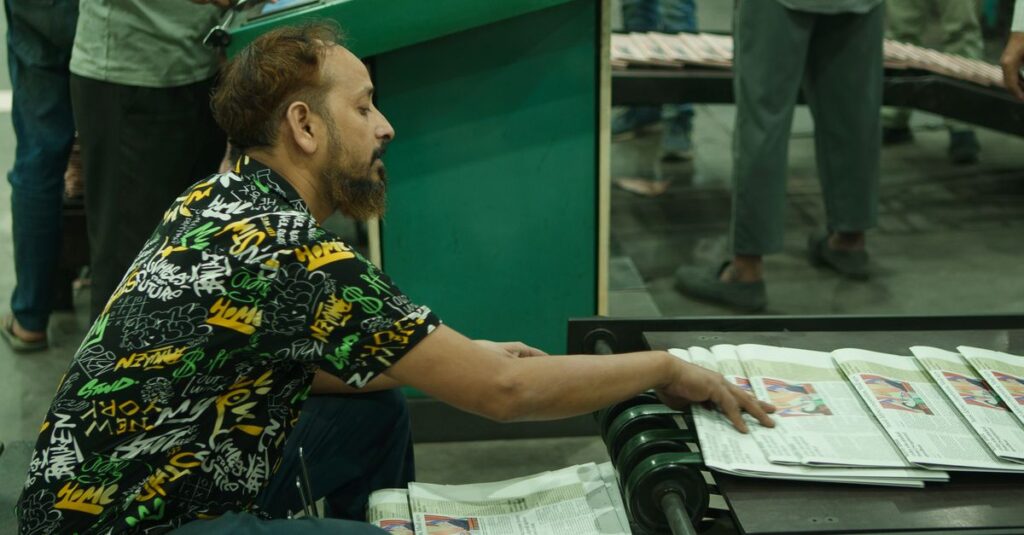
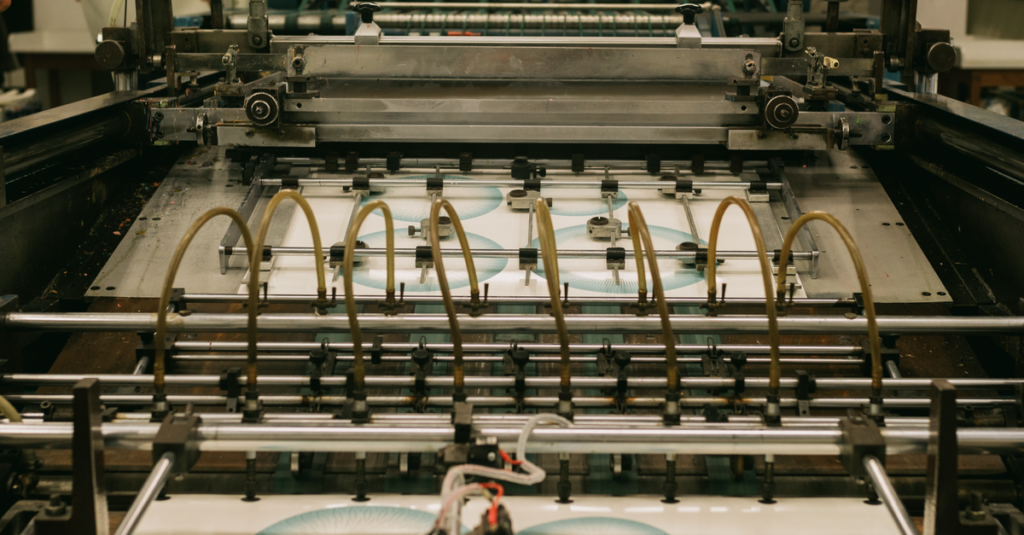
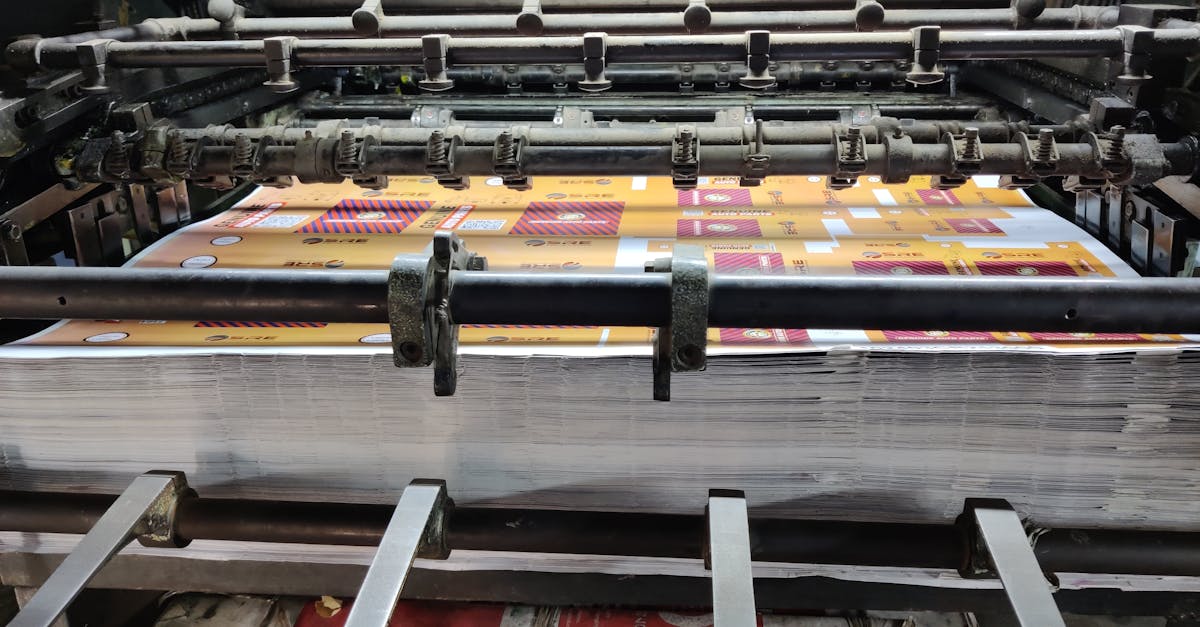
Days 3-7: Printing. This is the part you imagine — the big, loud presses. But even here, it’s not continuous. It’s running sheets, letting them dry, flipping them, running the other side. Hurry the drying, and the ink transfers in the stack. A headache, honestly.
Days 8-12: Binding and finishing. Folding, gathering, stitching, gluing, trimming. This is where the notebook becomes a notebook. Rushing binding is the fastest way to get books that fall apart.
Days 13-15: Quality control and packing. Pulling random samples, checking every tenth book, boxing, palletizing, labeling.
Days 16-20: Shipping and transit. This is the great variable. A local delivery in Andhra Pradesh is one thing. Shipping to a port for export is another universe of time.
See? It’s not magic. It’s just a chain. And every link has a minimum strength requirement.
Frequently Asked Questions
What’s the absolute fastest you can print and deliver custom notebooks?
For a standard size and ruling with print-ready art? If everything aligns perfectly — paper in stock, press time open, and you approve the proof instantly — we can sometimes turn around a few thousand units in 10-12 working days for domestic orders. But I’ll be honest: that’s sprinting, not running. It pushes every part of the system. It’s possible, but it needs to be a true exception, not the plan.
Does fast printing mean lower quality notebooks?
Not necessarily, but it increases the risk. The pressure to cut corners is real. A good manufacturer manages speed by having efficient, proven processes and holding stock for common items — not by skipping quality checks or using sub-materials. Always ask what they won’t compromise on, even for a rush job.
Can I get a faster quote if I order more notebooks?
It’s the opposite, often. Larger quantities take longer to print, bind, and QC. However, a bigger order might get prioritized in the production schedule over a small one. The real time-saver isn’t quantity; it’s simplicity. A simple, standard-order for 20,000 books can be faster than a complex, custom order for 2,000.
What causes the most delays in fast printing orders?
From our side? Waiting for client approvals on proofs and waiting for specialty materials to arrive. From the client’s side? Sending incomplete artwork, changing specs after the quote, and not factoring in shipping/transit time into their “deadline.” Clear communication from the start is the only true shortcut.
Is digital printing faster than offset for notebooks?
For very short runs (under 500), yes, digital can be quicker to setup. But for the bulk orders that schools and businesses need, offset printing is almost always faster and more cost-effective once the plates are made. The machines run much quicker. So “fast” depends entirely on your quantity.
Wrapping This Up
So here’s where we land. Fast printing for notebooks isn’t about finding a magician. It’s about finding a realist. Someone who will tell you the truth about paper stocks and drying times and shipping lanes, not just promise you the world.
The companies that consistently deliver on tight deadlines are the ones with deep experience, not just fast machines. They’ve seen every type of delay and have built their entire operation to absorb those shocks. They know which corners can be cut safely and which ones will collapse the whole project.
I don’t think there’s one secret. Probably there isn’t. You need someone who treats your urgent order like the crisis it is for you, but who has the calm, practiced hands to navigate it without panic. That’s the only thing that matters here.
If you’re staring at a calendar with not enough days in it, talking to someone who’s been through this a few hundred times might be the next logical step. You can reach us directly at +91-8522818651 or at support@sriramanotebook.com.