You’ve probably seen them stacked in school supply rooms or piled on a wholesaler’s shelf. “Long size” notebooks. They’re a staple, but if you’re a procurement manager or a business owner placing a bulk order, you might wonder: what exactly is a long size notebook? And more importantly, why should you care which size you’re buying? Let’s talk about the specifics — from dimensions to daily use — so your next order is spot on. If you’re sourcing notebooks in bulk, understanding the specs is the first step.
What is a Long Size Notebook?
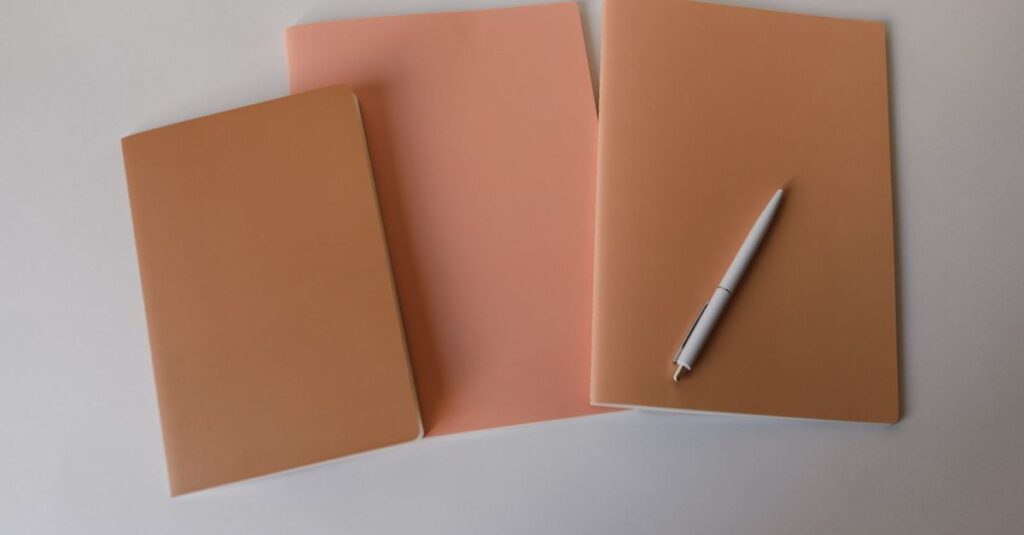
In the simplest terms, a long size notebook is a specific, traditional dimension used widely across India and similar markets. It’s not an A4 or an A5. It’s its own thing. The typical long size notebook measures 27.2 cm in height and 17.1 cm in width. Think of it as taller and slightly narrower than the more common “short” size notebook. It’s the classic exercise book you probably used in school.
This size became standard because it offers a good balance. It’s large enough for comfortable writing, note-taking, and even basic diagrams, but not so large that it becomes unwieldy for a student to carry. The proportions just work for everyday academic use. From a manufacturing standpoint, it’s a efficient size to cut from standard paper reels, which is why you see it produced in such massive quantities.
The Physical Feel of a Long Notebook
Pick one up. It feels substantial but not heavy. It fits in most school bags without bending the covers. You can open it flat on a desk — a crucial detail for left-handed writers. The ruling, usually single ruled (SR) or double ruled (DR), guides handwriting without crowding the page. It’s a tool designed for utility, not novelty.
Common Uses and Who Buys Them
So who’s ordering these by the truckload? The market is specific.
First, schools and colleges. This is the primary consumer. Long notebooks are the default for student exercises, class notes, and project work. When a school district places its annual order, they’re often ordering hundreds of thousands of long size notebooks in various page counts (52 pages, 92 pages, 200 pages).
Second, government institutions and corporate offices. For internal memo pads, rough work, or training session notes, the long size is a cost-effective, no-fuss option. It’s cheaper than a fancy branded notepad but more durable than loose sheets.
Third, stationery distributors and wholesalers. They stock long notebooks because the demand is consistent and massive. It’s a volume game. A distributor might not make much per notebook, but they move thousands of units every month to retailers and smaller institutions.
Here’s a real-life snapshot: I was talking to a procurement manager for a chain of private schools in Hyderabad last month. Her biggest headache wasn’t price — it was consistency. “One shipment the paper quality is perfect,” she said. “The next, the ruling is faint, or the binding starts to give way after a week. For us, it’s not just a notebook. It’s what our students use every single day.” That stuck with me. It’s never just a product.
Long Size vs. Other Standard Notebook Sizes
To understand the long size, you need to see it alongside its siblings. In Indian notebook manufacturing, you typically have four main size categories. Getting this wrong can mess up your entire inventory.
| Feature | Long Size Notebook | Short Size Notebook | King Size Notebook | Account Book |
|---|---|---|---|---|
| Dimensions | 27.2 cm x 17.1 cm | 19.5 cm x 15.5 cm | 23.6 cm x 17.3 cm | 33.9 cm x 21 cm |
| Primary Use | School exercises, general notes | Pocket notes, small journals | Official notes, project work | Ledgers, record keeping |
| Typical Page Count | 92, 200 pages | 52, 92 pages | 200, 240 pages | 200, 320, 700 pages |
| Binding Preference | Stitched or Spiral | Stitched | Perfect Bound or Stitched | Stitched or Center-Stitched |
| Target Buyer | Schools, Bulk Distributors | Retail, Individuals | Corporate Offices, Colleges | Businesses, Government Offices |
See the difference? The long size sits right in the middle. It’s not the smallest or the largest. It’s the workhorse. The king size is more for formal office use — it’s squarer. The account book is for heavy-duty, columnar writing. Choosing the wrong size for your need means wasted money or an unfit product.
What to Look For When Ordering in Bulk
If you’re procuring long notebooks for an institution or for resale, the specs matter more than you think. Price is a factor, but it’s not the only one. A cheaper notebook that falls apart creates more problems than it solves.
Paper Quality (GSM): This is non-negotiable. For long notebooks, 54 GSM writing paper is the industry standard for a reason. It’s opaque enough to prevent ink bleed-through from a ballpoint pen, but not so thick that it makes the notebook bulky or expensive. Feel a page. It should have a slight tooth for writing, not be glossy or slick. Ask for a sample — always. Run a pen across it.
Binding: For school use, durability is key. Stitched binding (where signatures of pages are sewn together) is the gold standard. It allows the book to lie flat and withstand rough handling. Spiral binding is also common and lies flat perfectly, but the spiral can get bent in a packed bag. Perfect binding (glued spine) is used for thicker, more premium notebooks but can crack if forced flat. Know your end-user’s habit.
Ruling Type: This seems minor until you get it wrong. Single Ruled (SR) is for most general writing. Double Ruled (DR) is often used in younger classes for handwriting practice. Four Ruled (FR) is for language notebooks. Unruled (UR) is for drawing or freeform notes. Specify clearly. I’ve seen entire shipments rejected because the ruling was for senior students when the order was for primary grades.
Cover and Finish: A good cover protects the pages. For bulk school orders, a 250 GSM art paper cover is typical — durable and printable for school logos. For corporate orders, you might want a thicker, laminated cover for a more professional feel. The finish isn’t just about looks; it’s about how many months it needs to last in a bag or on a shelf.
Expert Insight
I remember a conversation with a bindery line supervisor who’d been at it for twenty years. He said something obvious that most buyers forget. “The strongest part of a notebook,” he told me, “isn’t the cover or the page. It’s the glue in the spine and the stitch at the fold. If that fails, the whole book fails.” He was right. We focus on page count and cover design, but the integrity of the notebook — the thing that makes it one object instead of a pile of paper — happens in the binding. That’s where quality control needs to be relentless. A manufacturer cutting corners there is a red flag you can’t see on a specification sheet.
The Manufacturing Process: A Quick Look
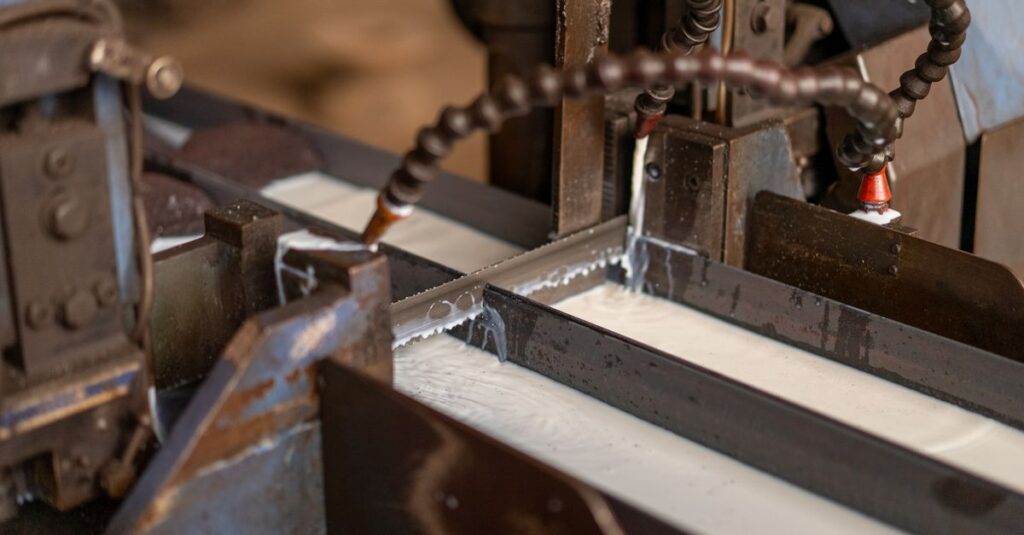
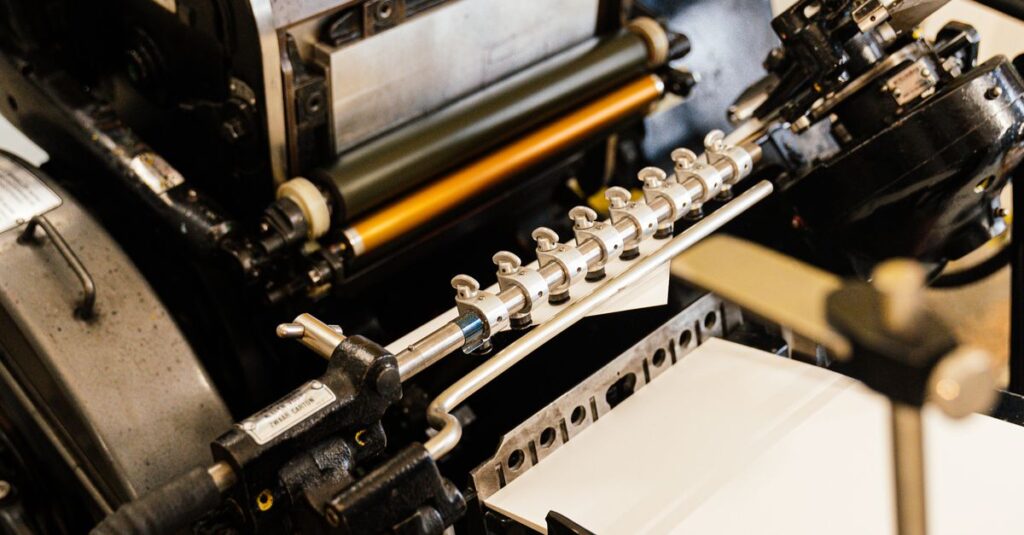
How does a long notebook come to be? It starts with huge reels of paper, called parent reels. These are fed into a machine that cuts them down into the precise size for long notebook pages — 27.2 cm x 17.1 cm. This is a crucial step. Even a millimeter off across thousands of sheets creates waste and misalignment.
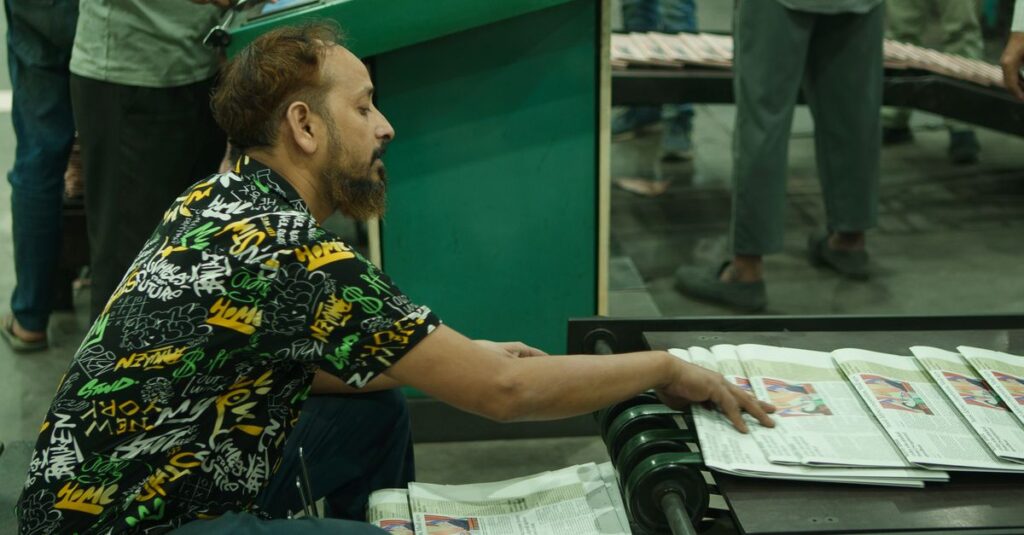
Then, the sheets are printed with the ruling. High-speed rotary presses imprint the faint blue lines you see. After printing, the sheets are folded into sections (called signatures), gathered in order, and then bound. For stitched binding, a machine literally sews the signatures together along the fold line. It’s faster and stronger than you’d imagine. Finally, the cover is attached, the books are trimmed to their final neat shape, and packed into bundles.
The scale is what gets you. A factory like ours can produce 30,000 to 40,000 finished, bound notebooks in a single day. Every step is about precision and speed. When you’re ordering in bulk, you’re not just buying paper — you’re buying the efficiency of that process. A reliable manufacturer has this process down to a science, which is why consistency from one order to the next is possible. If you need custom printing for covers or internal pages, that gets integrated into this flow.
FAQ: Your Long Size Notebook Questions Answered
What is the exact size of a long notebook in inches?
A standard long size notebook measures approximately 10.7 inches by 6.7 inches. This makes it a bit taller and slightly narrower than an A5 size notebook, which is a common point of confusion for international buyers.
Can I get long notebooks with custom printed covers?
Absolutely. Most manufacturers, including us, offer custom cover printing for bulk orders. This is perfect for schools wanting their logo or corporations ordering branded notepads for employees. You’d provide the design, and we handle the rest.
What’s the difference between single ruled and double ruled?
Single ruled paper has one horizontal line guiding each line of writing. Double ruled paper has two close-together lines, creating a channel that helps younger students maintain consistent letter height and positioning. It’s a small detail that makes a big difference in the classroom.
How many pages is standard for a school long notebook?
For everyday school use, 92-page and 200-page long notebooks are the most common. The 92-page book is lighter for younger kids, while the 200-page version is for a full term’s worth of notes for older students. Thicker 240-page versions are also available.
What binding is best for heavy school use?
For textbooks and notebooks that will be used all year, stitched binding is the most durable. The threads hold the pages securely even with constant opening and closing. Spiral binding is great for lying flat but the metal coil can be vulnerable to damage in a packed bag.
Conclusion
A long size notebook is more than just a stationery item. It’s a specific tool with specific dimensions, built for a specific job — mainly, education. For anyone buying in bulk, the key isn’t just to know the name, but to understand the specs behind it: the 54 GSM paper, the stitched binding, the right ruling. These details determine whether the notebook lasts a week or a whole academic year. I don’t think there’s one perfect notebook for everyone. But if you’re sourcing for hundreds or thousands of users, you already know what you need — you’re just figuring out which manufacturer gets the details right.
If consistent quality and clear specifications matter for your bulk order, it might be worth starting a conversation.